
Your First Time in
Reykjavik, Iceland
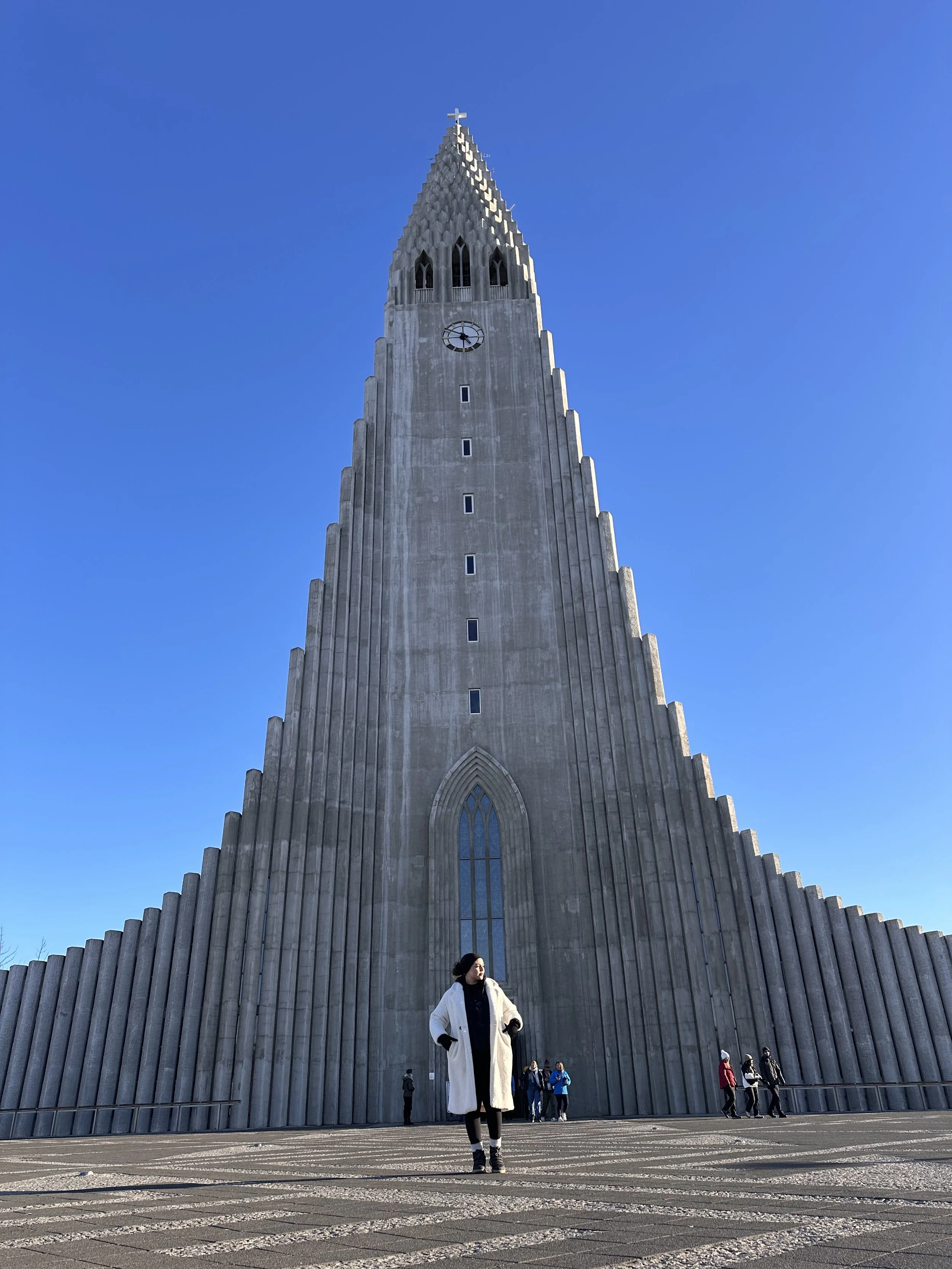
Walking through the center of Reykjavik, I kept feeling like I was in a Viking town. Not a theme-park version of one. The real thing. This is, after all, where the Norse actually landed and built the first settlement in Iceland over a thousand years ago, and you can feel that history sitting just under the surface of a very modern little city. It gives the whole place a weight that its size would not suggest.
And it is small. You can walk the heart of it in an afternoon. Reykjavik is the kind of capital you can get your arms around quickly, colorful and walkable and easy, packed into a compact center between the harbor and the hills.
Most people treat it as a base camp, somewhere to sleep between the tours that run out to the waterfalls, the glaciers, the black sand beaches, and the Northern Lights. And it is a genuinely lovely place to come back to at the end of a long day in the wild. But it is more than a launching point. Give it a couple of slow days of its own. There is a particular feeling to this city, one I did not expect and could not quite name while I was there, that is worth slowing down for. More on that later.
A Brief Look At
Your Itinerary
The full itinerary is at the bottom of the page when you are ready.
-
Get your bearings with a walking tour of the old center, the settlement history, the harbor, and the main shopping street. See the Hallgrimskirkja, wander the colorful streets, and eat your way through the city. This is the day Reykjavik stops being a base camp and becomes a place.
-
A slower day for the museums, the cafes, the food you did not get to yet, and the small corners of the city. Then, after dark, head out on a Northern Lights tour, the reason most people come to Iceland in the first place.
What to See on Your Visit to Reykjavik
Take a Walking Tour First
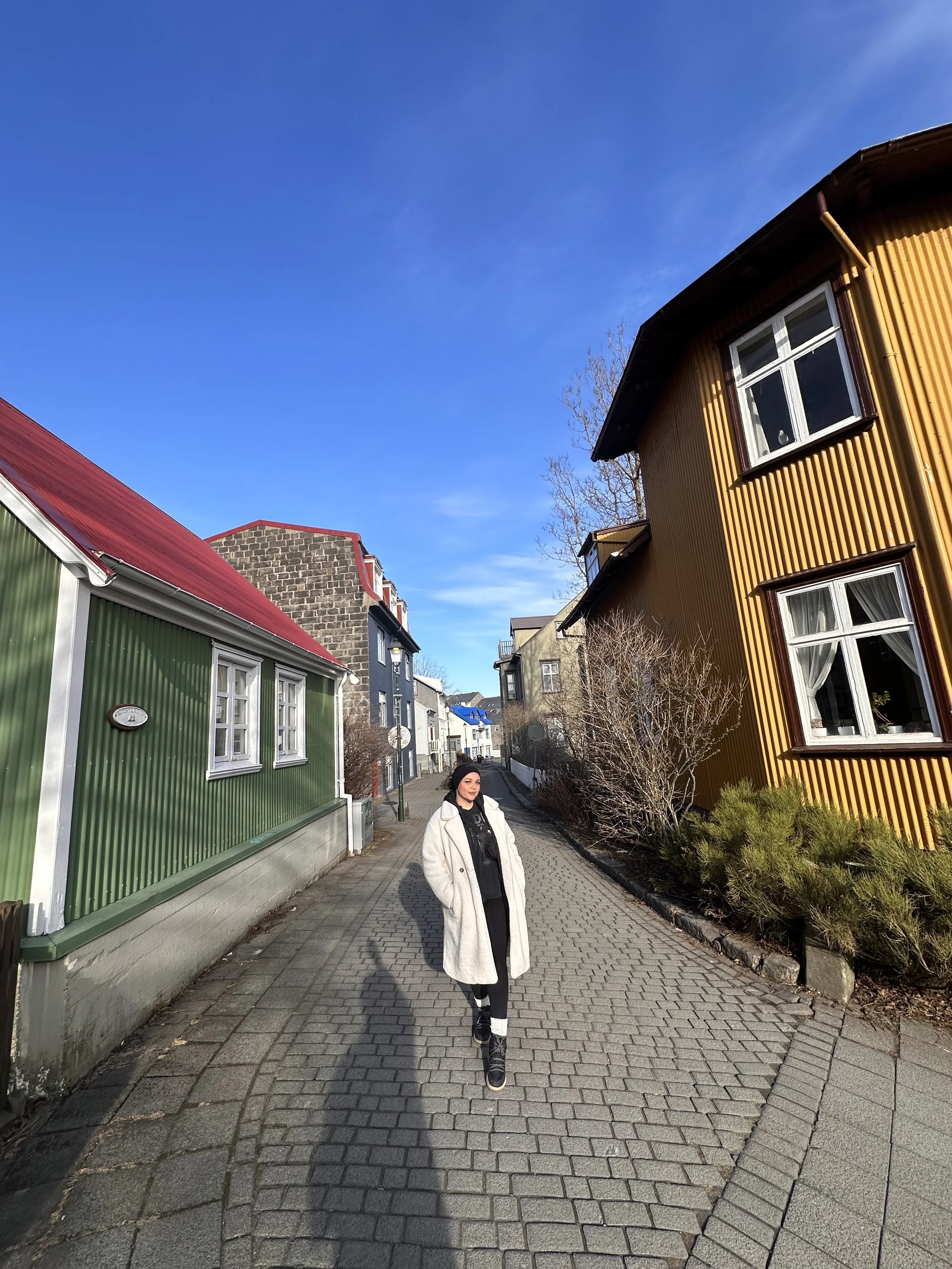
I always do a walking tour early in a trip, and Reykjavik is a great city for one. It is small, walkable, and full of history that does not announce itself, so having a guide to explain what you are looking at turns a pretty Nordic town into a place you actually understand. Ours started in the old center and wound through the squares, the parliament, the lake, the harbor, and the main shopping street before ending at the big church on the hill. Everything below is more meaningful once someone has walked you through it. If you do one thing on your first day, do this.
Austurvöllur and the Alþingi
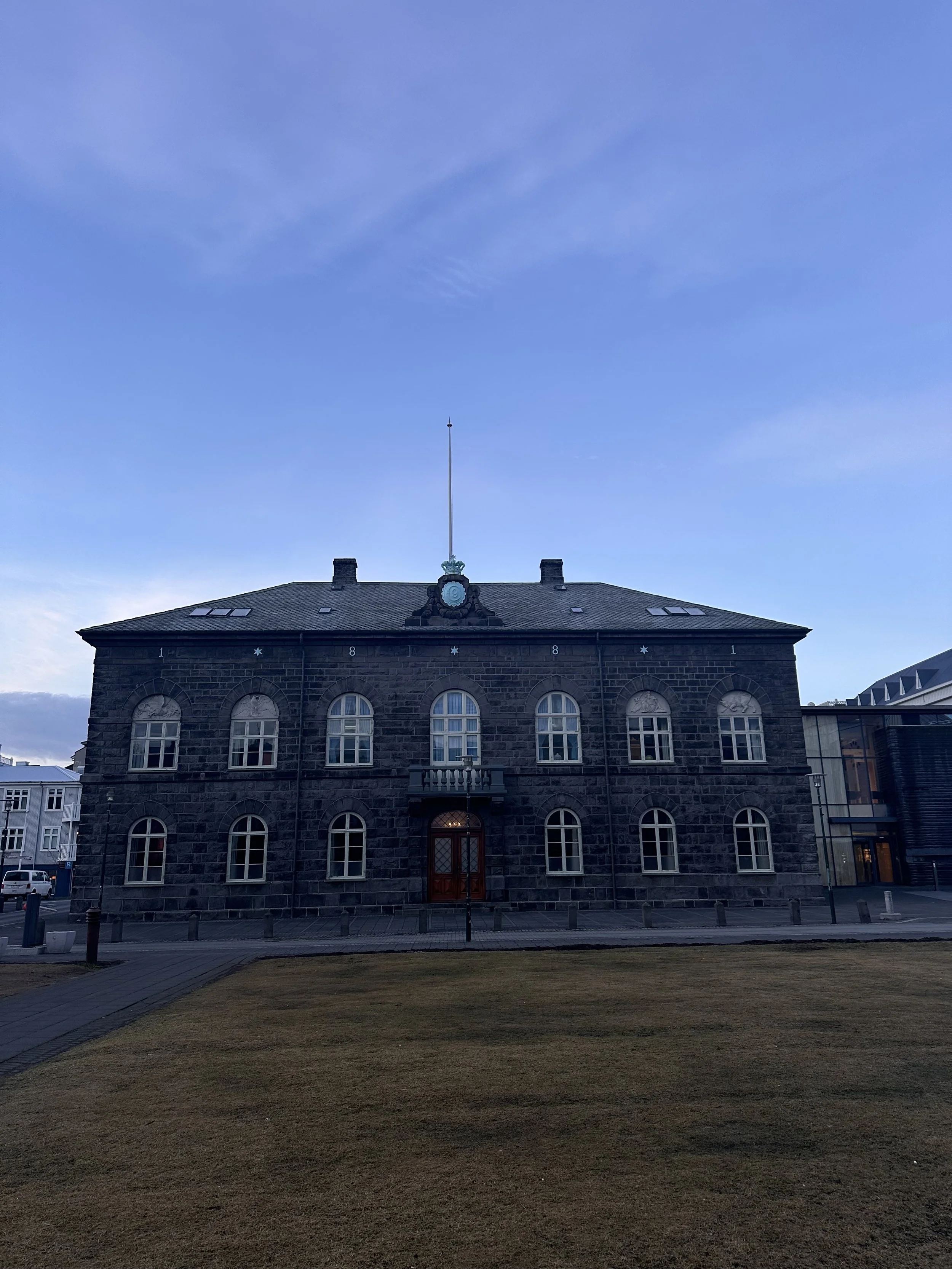
The heart of old Reykjavik is Austurvöllur, a public square ringed by cafes and lined with history. Facing it is the Alþingi, Iceland's parliament, and here is the detail that stopped me. The building itself is a modest grey basalt structure from the 1880s, easy to walk past. But the institution inside it dates back to the year 930 and is considered the oldest parliament in the world.
That captures something essential about Iceland. We had just come from Italy and Greece, where every building is layered with thousands of years of history. Iceland felt different, almost like America in how new everything looked, because there were simply no people here before the Norse arrived around 871. And yet, standing in front of this unassuming little parliament, you are looking at one of the oldest continuous democratic institutions on earth. New country, ancient ideas.
Lake Tjörnin and City Hall
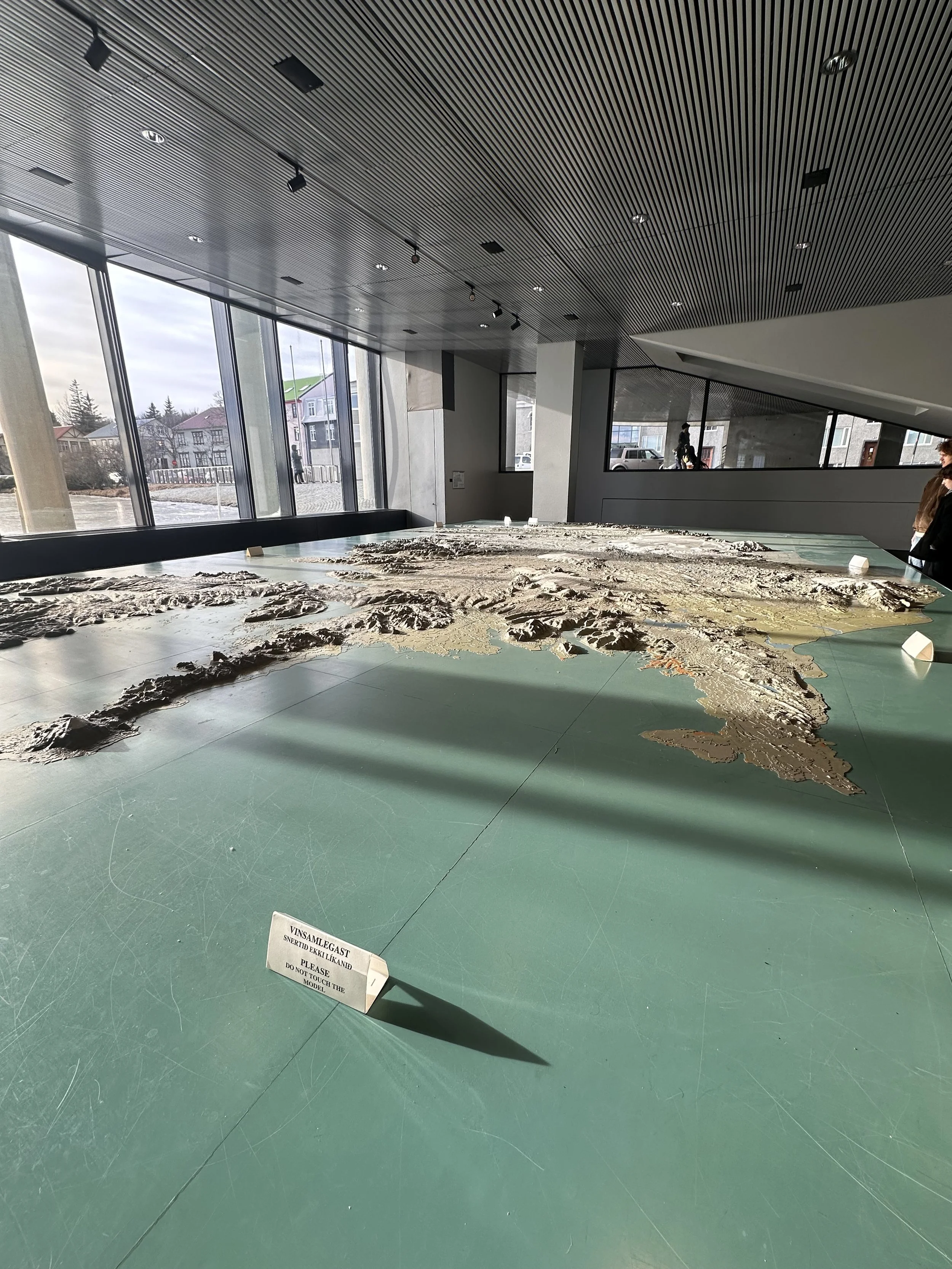
A short walk from the square is Tjörnin, the central pond, with Reykjavik's City Hall built right at its edge. In winter it partly freezes and the birds cluster on the open water. It is not a dramatic sight, but it is a calm, pretty one, and a good place to feel the small, livable scale of the city.
The Old Harbor and Harpa
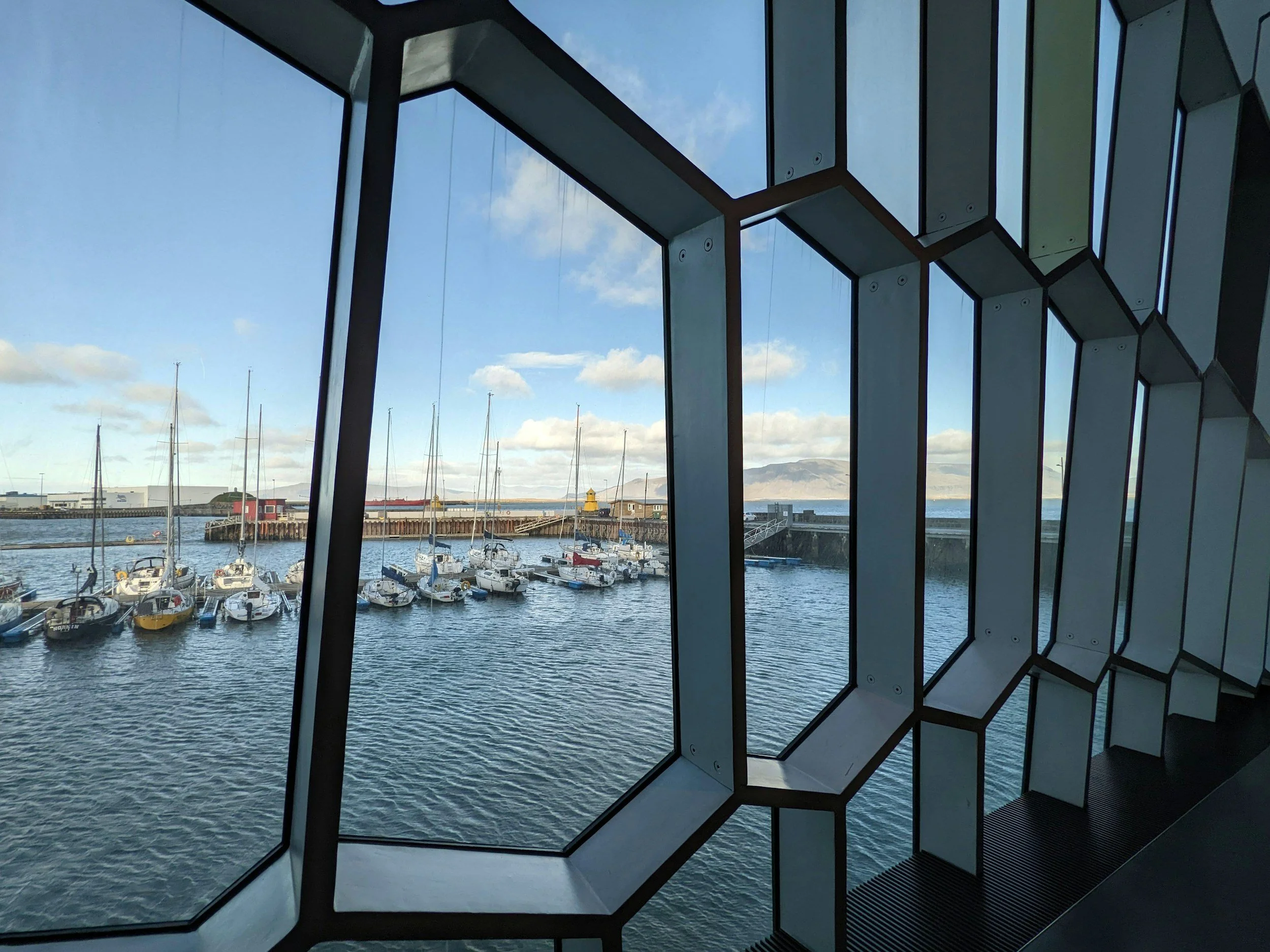
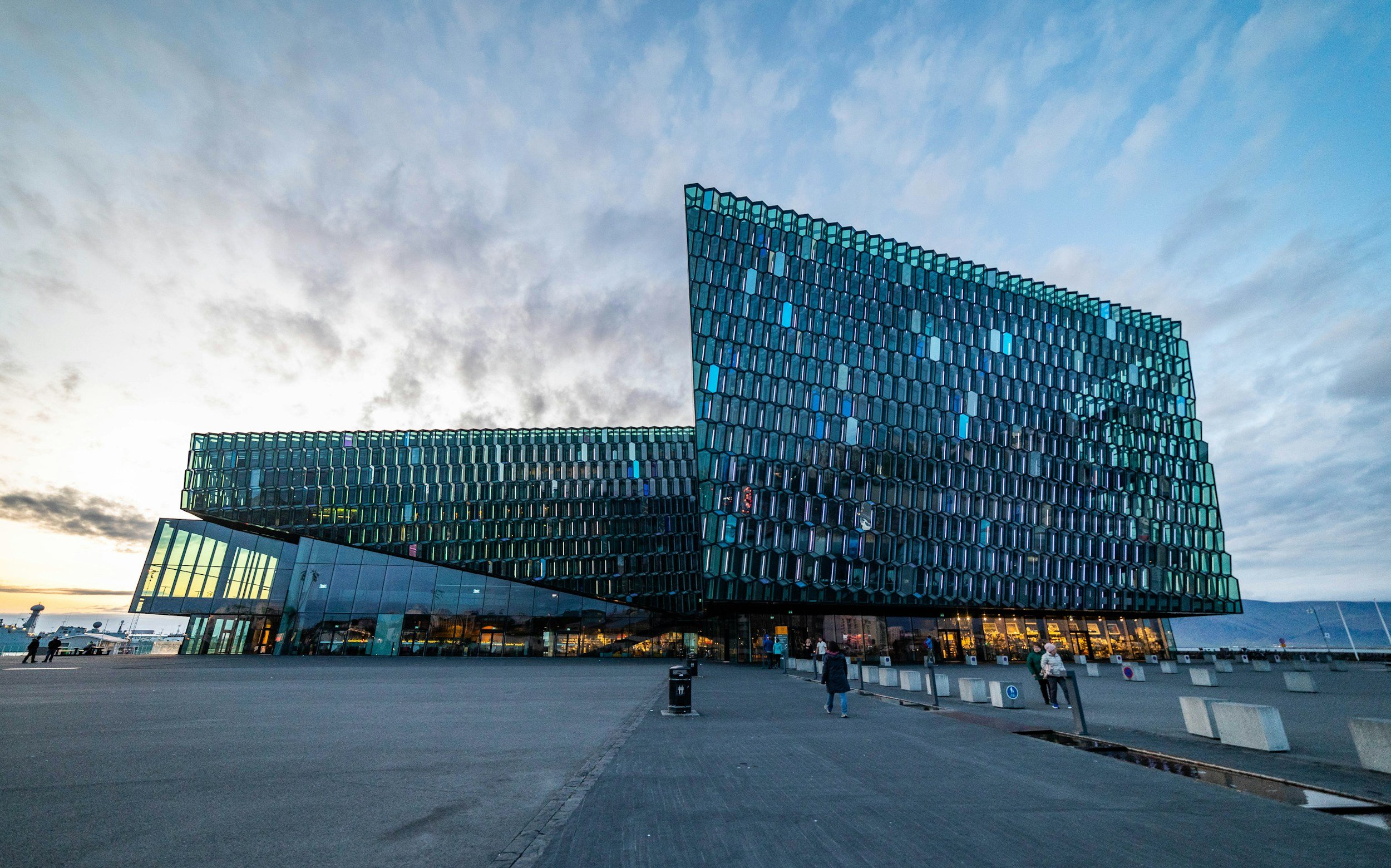
The walking tour took us down to the old harbor, the working waterfront where the whale watching and puffin boats leave in summer, and along to Harpa, the concert hall on the water's edge. Harpa is the architectural showpiece of modern Reykjavik, a shimmering geometric structure of colored glass panels designed by the artist Olafur Eliasson, opened in 2011. Even if you do not catch a performance, it is worth stepping inside to see the light come through the honeycomb glass. After a week of raw natural landscapes, it is a striking piece of human design.
Laugavegur Shopping Street and Skólavörðustígur Street
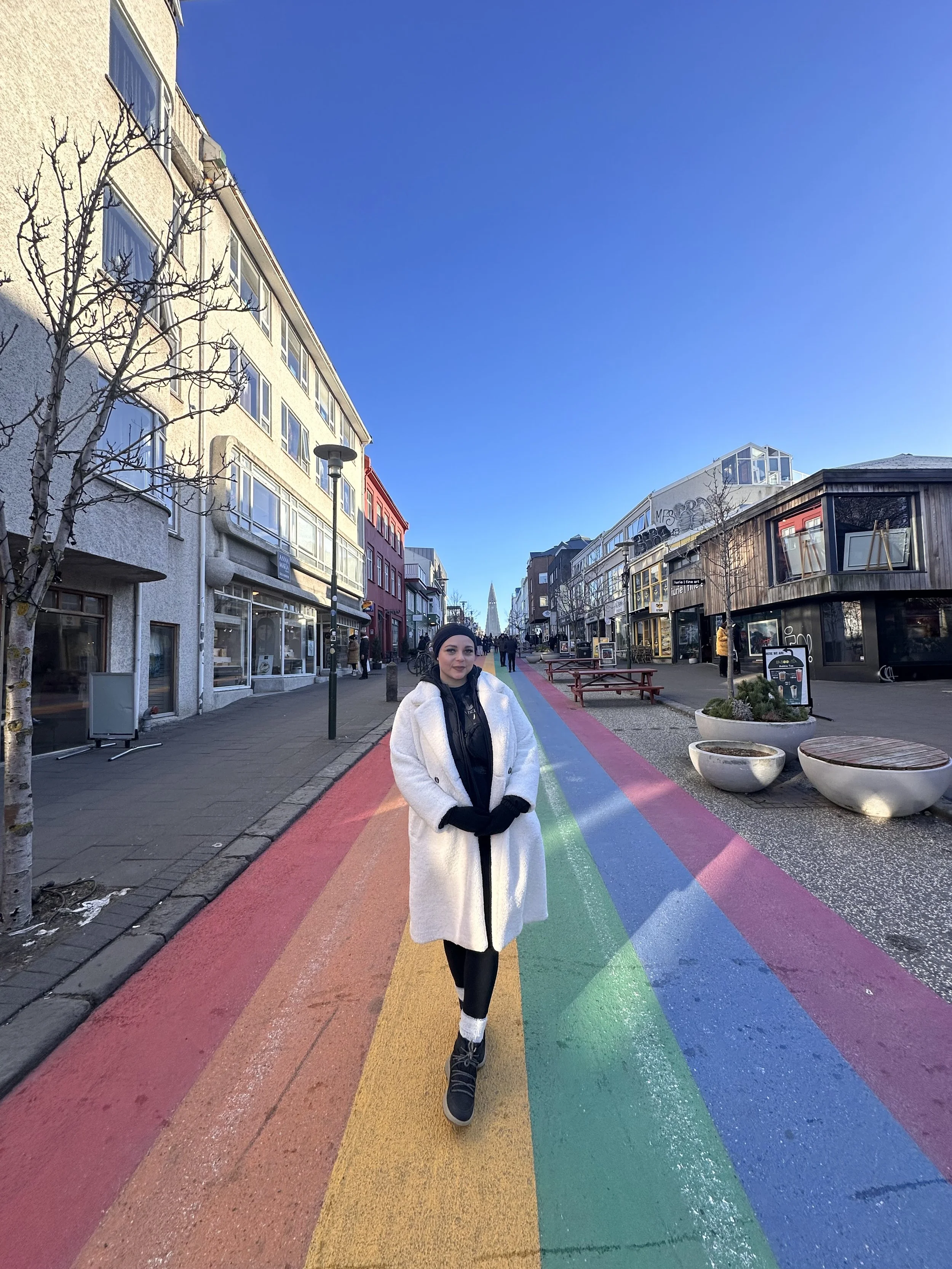
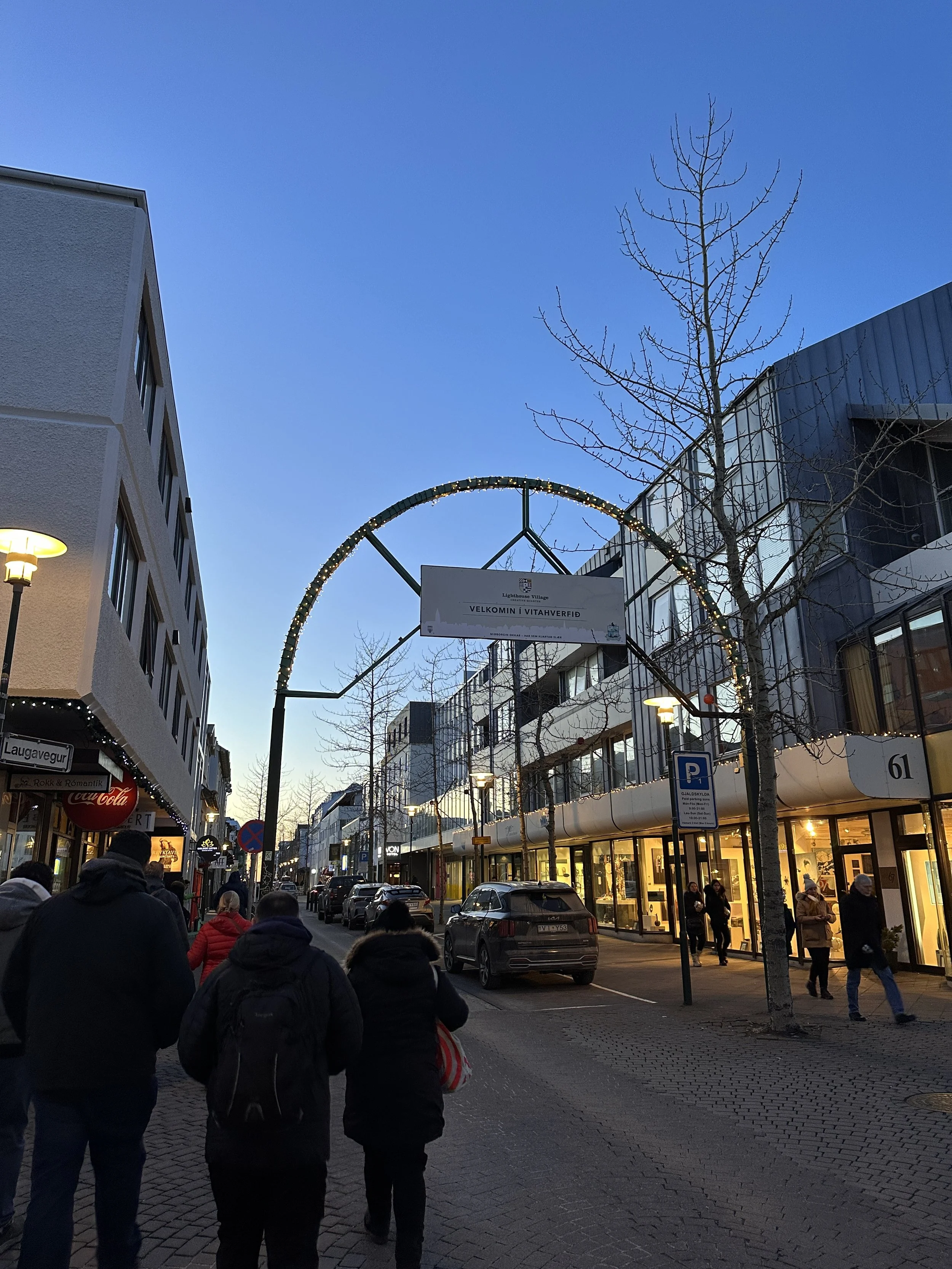
Laugavegur is the main shopping and walking street, the spine of the city's social life, lined with shops, wool stores, bookshops, cafes, bars, and restaurants. This is where Reykjavik feels most alive, and where you will likely end up wandering in the evenings. Branching off it is Skólavörðustígur, the rainbow road, painted in full rainbow colors that started as a Reykjavik Pride installation and became permanent, a standing symbol of Iceland's openness. The view up the painted street to Hallgrimskirkja at the top is the most photographed shot in the city.
Hallgrimskirkja
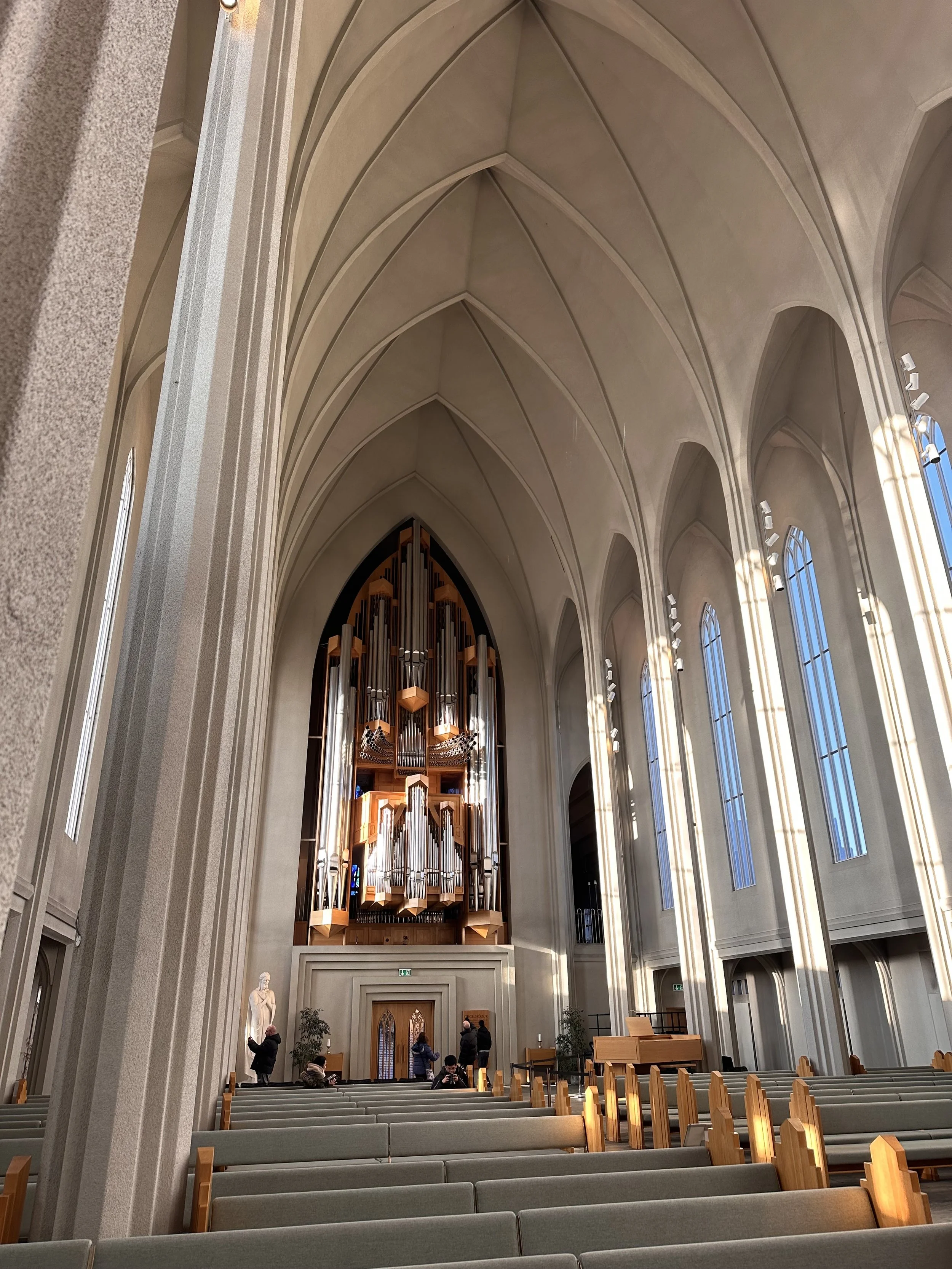
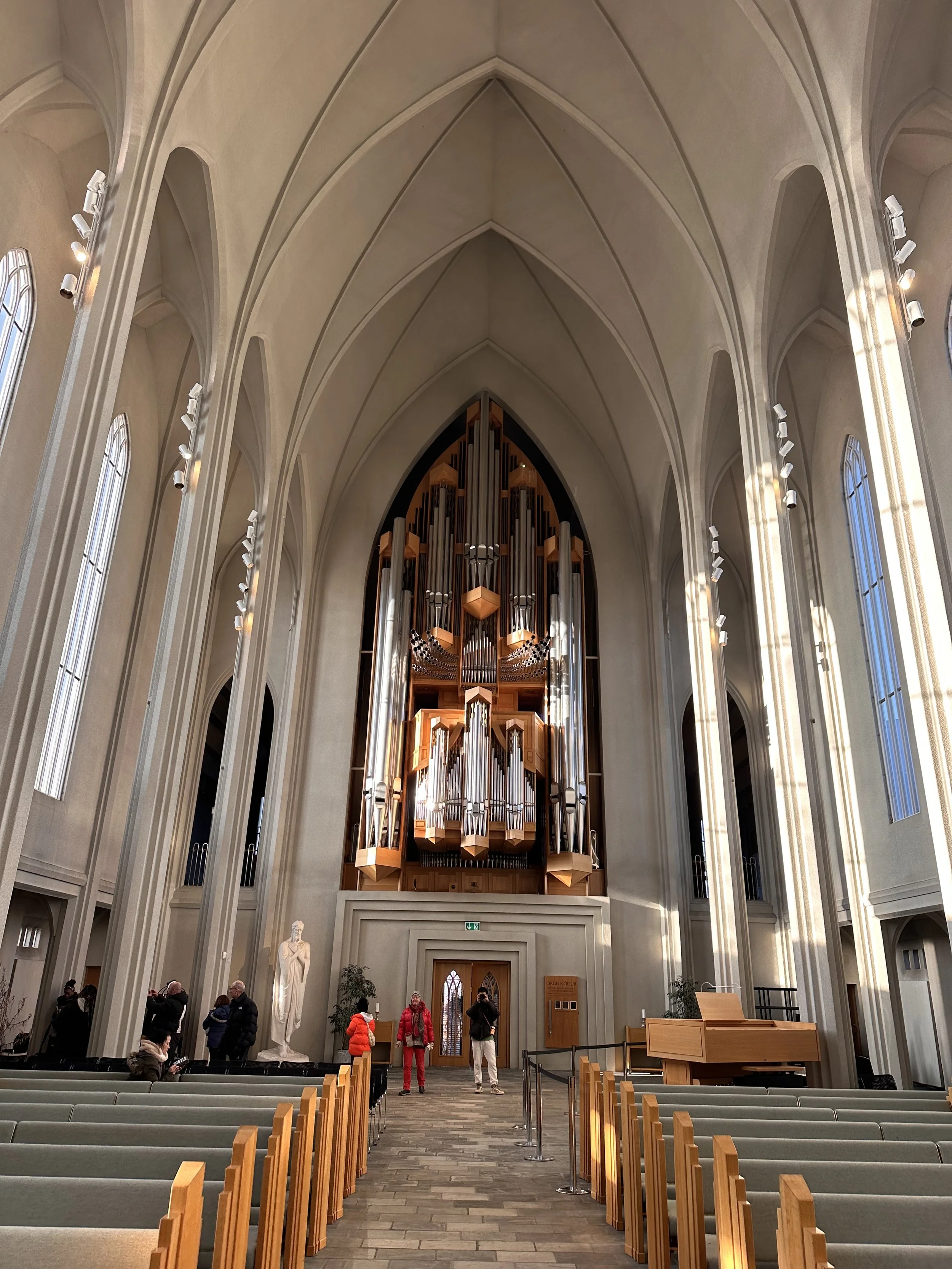
The church you see from all over Reykjavik, standing at the top of the rainbow road. From the outside it is stark and severe, pale concrete designed to echo the basalt columns found across the Icelandic landscape. Coming from the gold-drenched Catholic basilicas of Italy, it caught me off guard. It looked almost plain.
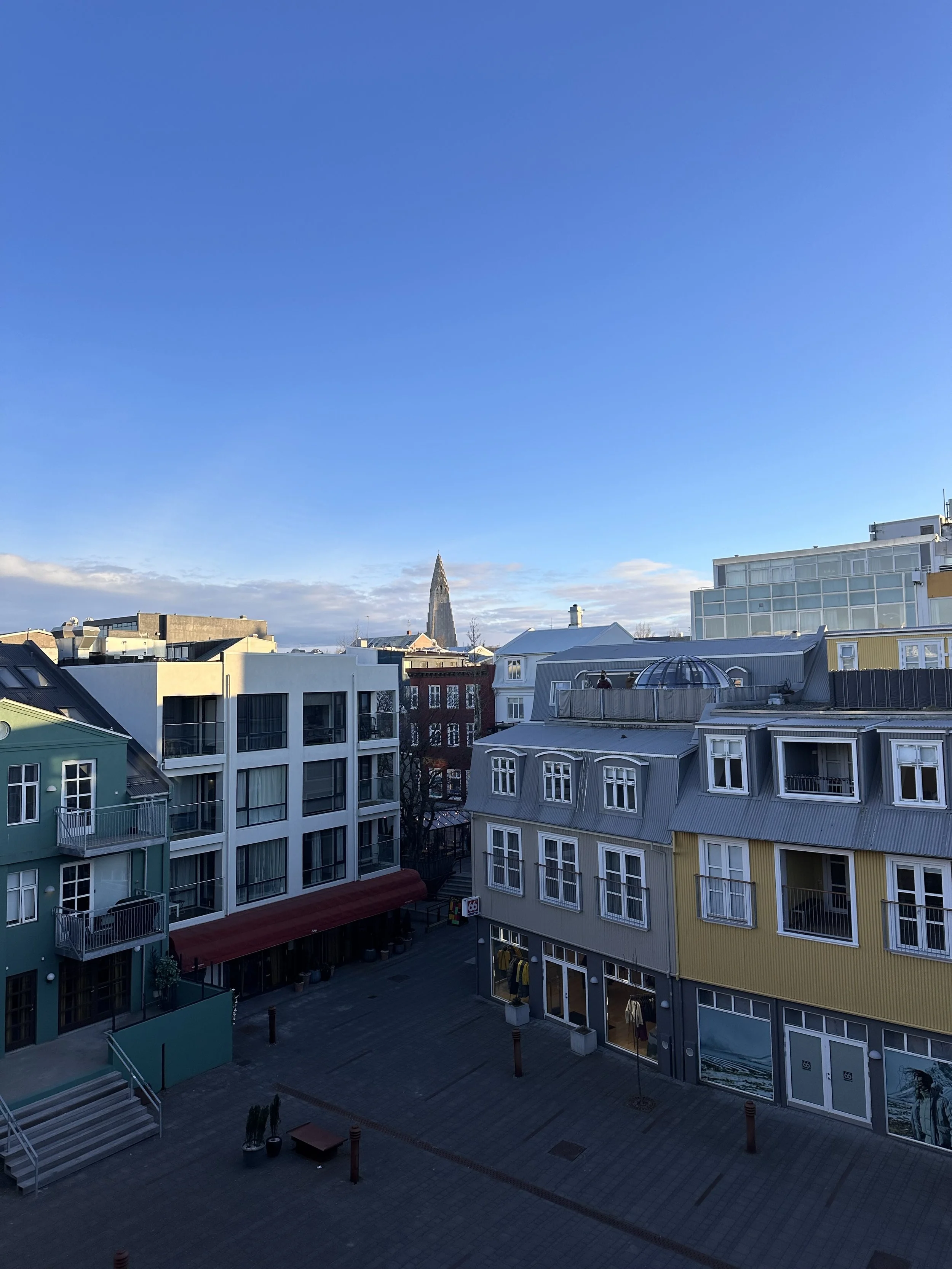
But inside, the plainness becomes the point. There is no gold, no painted ceilings, none of the overwhelming ornamentation of the great European churches. Just soaring white arches, tall windows, and an enormous organ. The emptiness makes it feel more peaceful, not less. You can take an elevator up the tower for the best panoramic view in the city, the colorful rooftops spreading out toward the sea.
Look Down: The Settlement Exhibition (871±2)
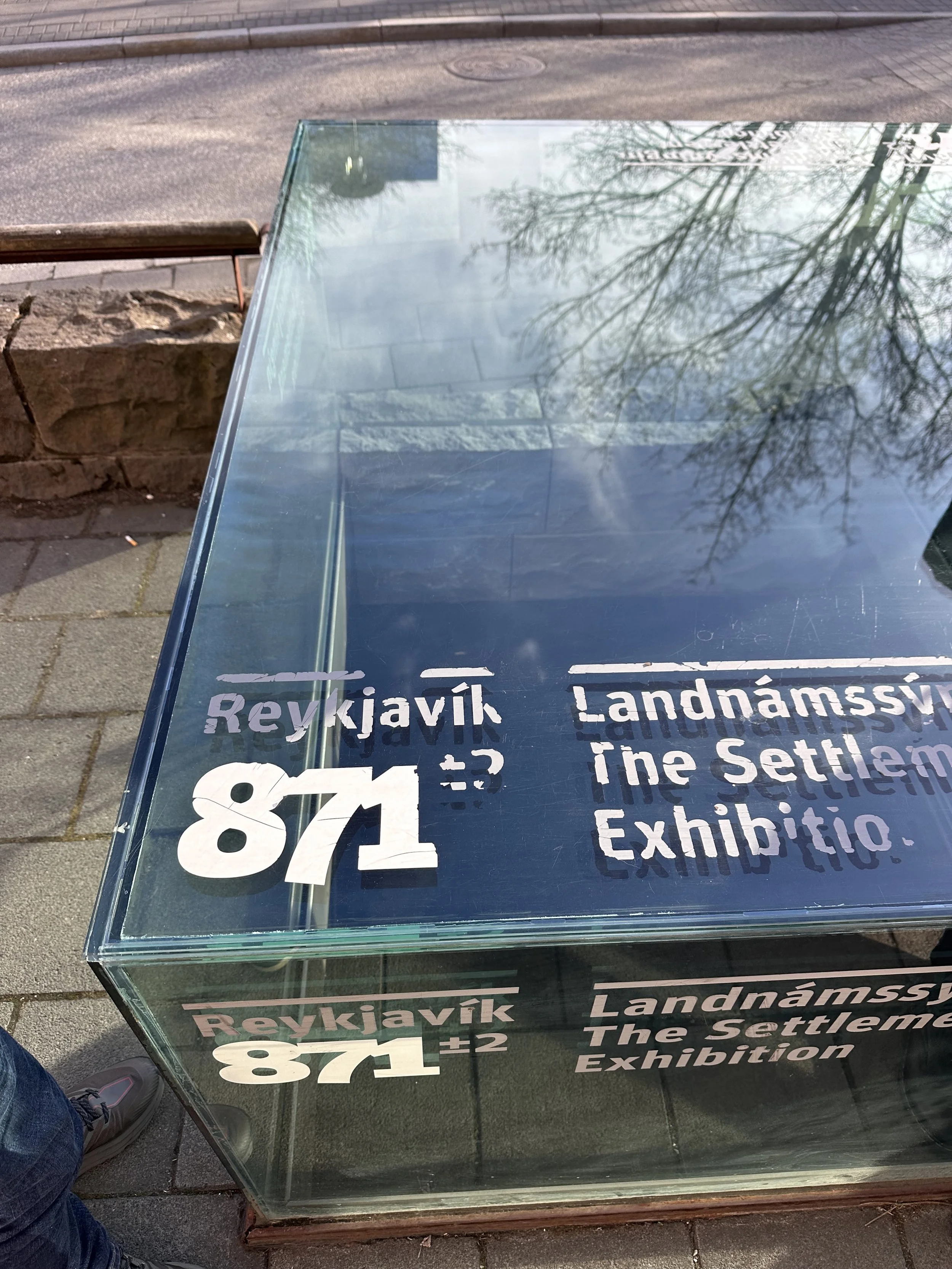
One small thing to seek out as you walk the old center. On Aðalstræti, one of the city's oldest streets, there is a glass panel set into the ground where you can look down into the actual foundations of a Viking longhouse. This is the Settlement Exhibition, known as 871±2, named for the year a layer of volcanic ash dates it to, give or take two years. It is the oldest known evidence of human habitation in Reykjavik, the literal beginning of the city. You can glimpse it through the glass from the street, or visit the underground museum built around the ruins. Standing over it, you are looking straight down at the spot where Reykjavik began, more than a thousand years ago, right under the feet of the modern city.
Where to Stay Your First Time in Reykjavik
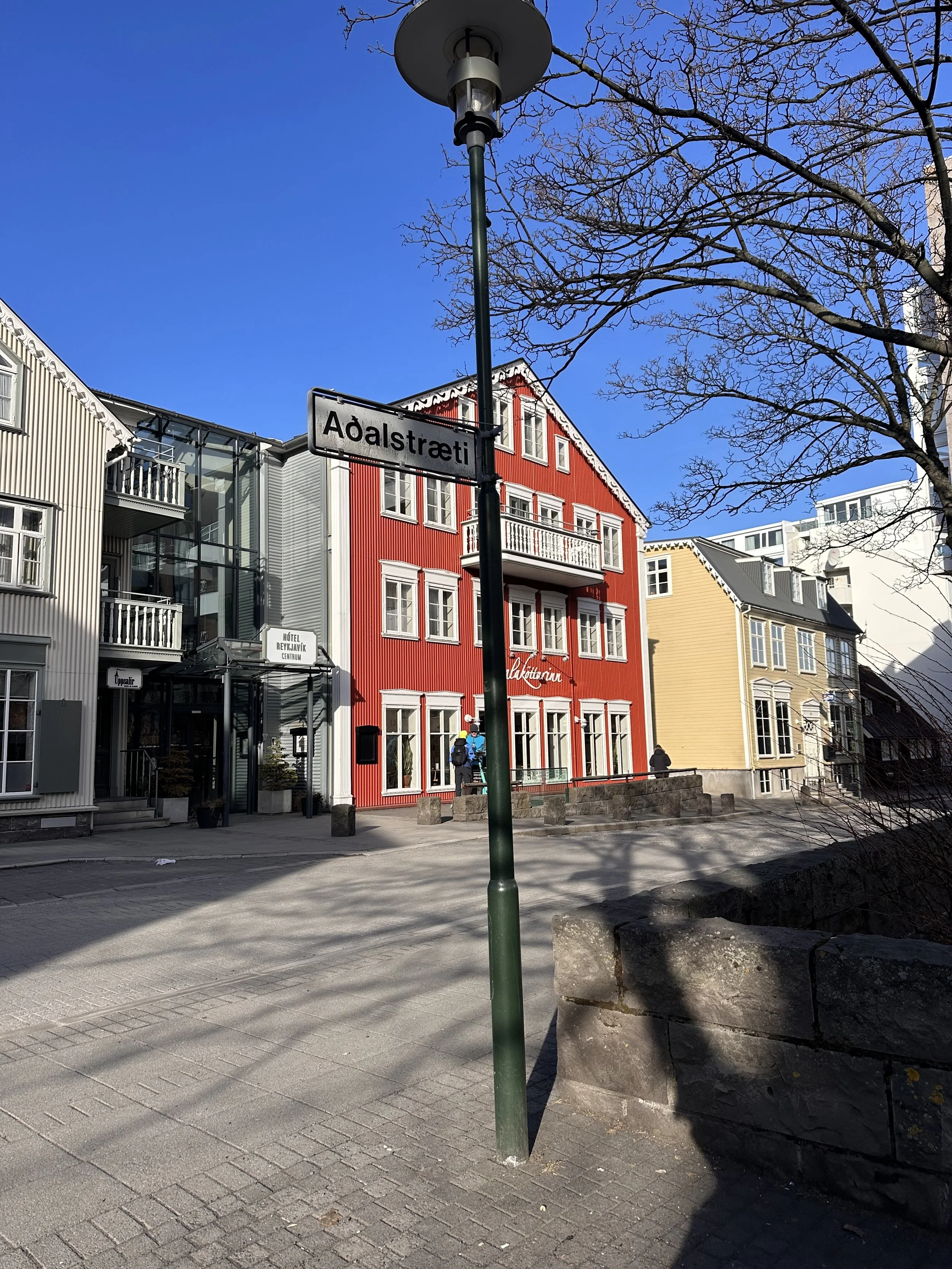
Reykjavik makes this easy. The city is small, and almost everything you want to see, eat, and walk to is in the central 101 postal district, the old downtown. Stay there and you can leave the car (or the tour pickups) and do the whole city on foot. Staying outside the center saves money but costs you the thing that makes Reykjavik lovely, which is wandering it. For a first trip, base yourself in 101.
101 Reykjavik is the downtown core and where you should stay. It holds Laugavegur and the main streets, the harbor, Hallgrimskirkja, the restaurants, and the squares. Everything on the walking tour is within a few minutes of everything else. Tour buses pick up from central stops here too, so even your day trips out of the city start from your doorstep.
Beyond the center, neighborhoods like Vesturbær to the west and the areas around Laugardalur to the east are quieter and more residential, fine if you want a calmer local feel or a better room rate, but you will be walking or busing into 101 for most of what you came to do.
Know the Neighborhoods
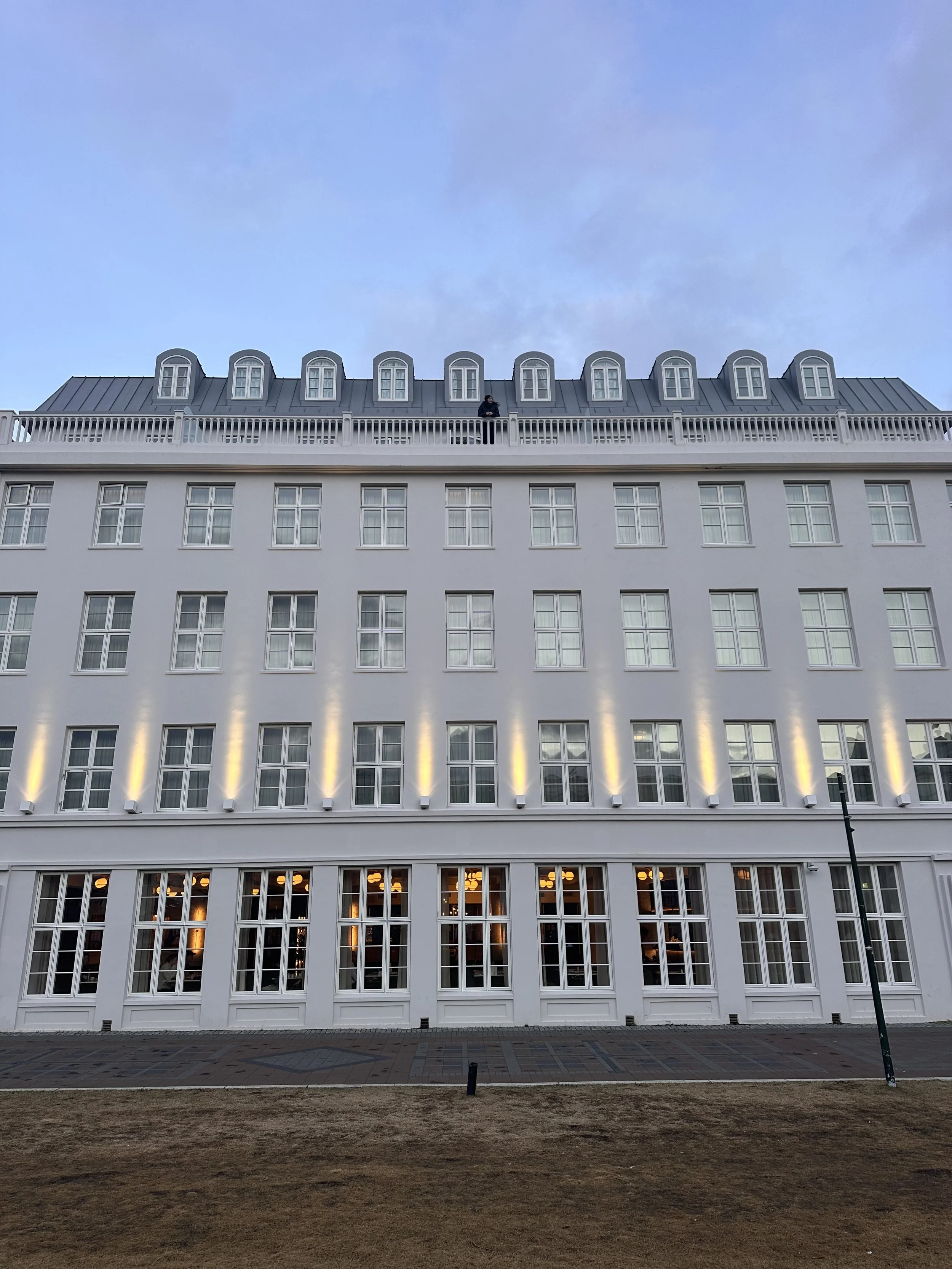
Hotel Suggestions
Canopy by Hilton Reykjavik City Centre is where we spent our first three nights, right in the heart of 101 just off the main streets. It is modern, well run, and ideally located, the kind of place where you step out the door and you are already where you want to be. A small thing that delighted me, the heated bathroom floor, warmed by Iceland's geothermal water, which is exactly the detail you want underfoot in March.
Iceland Parliament Hotel, Curio Collection by Hilton is where we moved for our final five nights, and we loved it. It sits right by Austurvöllur and the parliament in the absolute center of the old city, in a beautifully done building that balances historic character with real comfort. After long, cold days out on tours, coming back here was a genuine pleasure. If you want one recommendation for where to stay in Reykjavik, this is mine.
Kvosin Downtown Hotel is worth knowing as another centrally located option, a boutique stay near the cathedral and Austurvöllur with spacious, characterful rooms. A strong choice if the two above are booked or outside your dates.
Where to Eat & Drink on Your First Trip to Reykjavik
Let me be honest about food in Iceland, because it is the thing I would most want to know before going. It is expensive. Genuinely, shockingly expensive, more than Switzerland, which I did not think was possible. And a lot of it is underwhelming, because Iceland imports nearly everything, so much of what you eat is not especially fresh and does not justify the price.
But here is the flip side, and it matters. The actual Icelandic food is good. The stuff that comes from the island itself, the skyr, the lamb, the seafood, the soup, the bakeries, is where Iceland delivers. So my advice is simple. When you eat out, lean Icelandic. The imported burgers and international menus are where you overpay for something average. The local specialties are where the money is worth it. With one exception, noted below, that broke the rule deliciously.
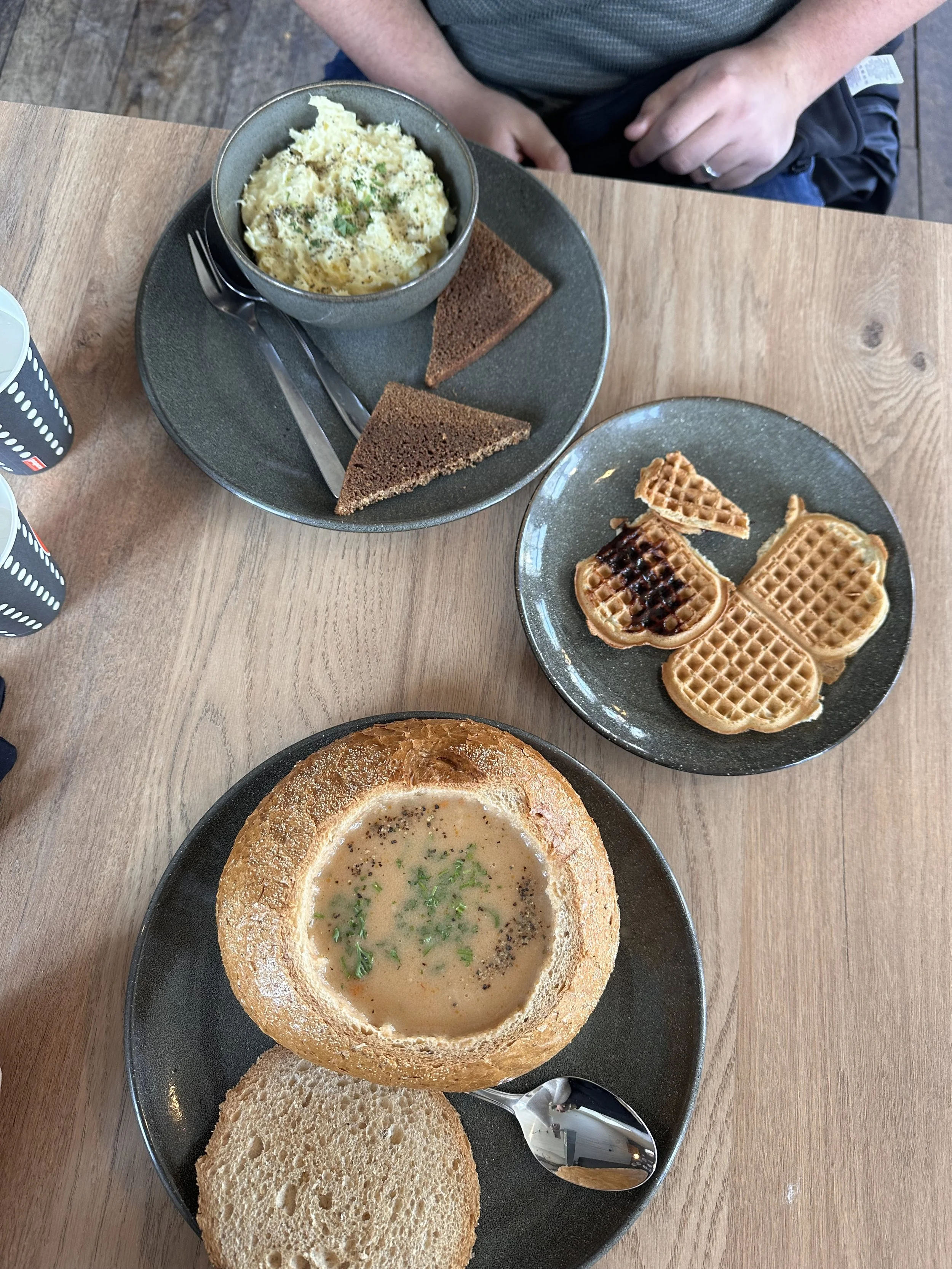
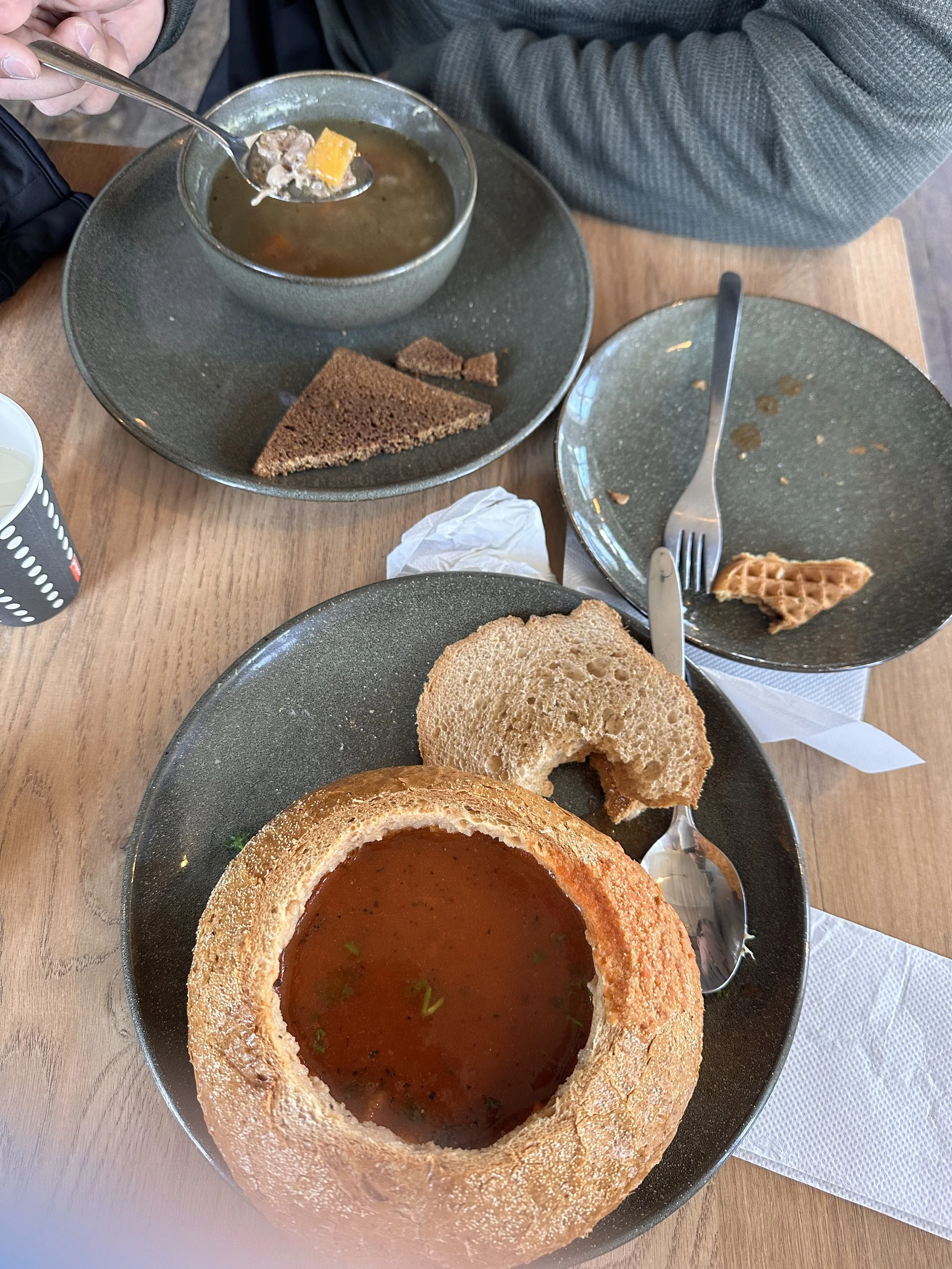
Exactly the kind of local spot worth your money. The workers were so warm and welcoming it set the tone for the meal, and the food is traditional and comforting. We had a soup served in a bread bowl and another soup alongside it, and it was essentially all you can eat, which in a city this expensive feels like a small miracle. There was a delicious waffle too. I am not even a soup person, and in Iceland soup is practically a main course, but this won me over. Highly recommend.
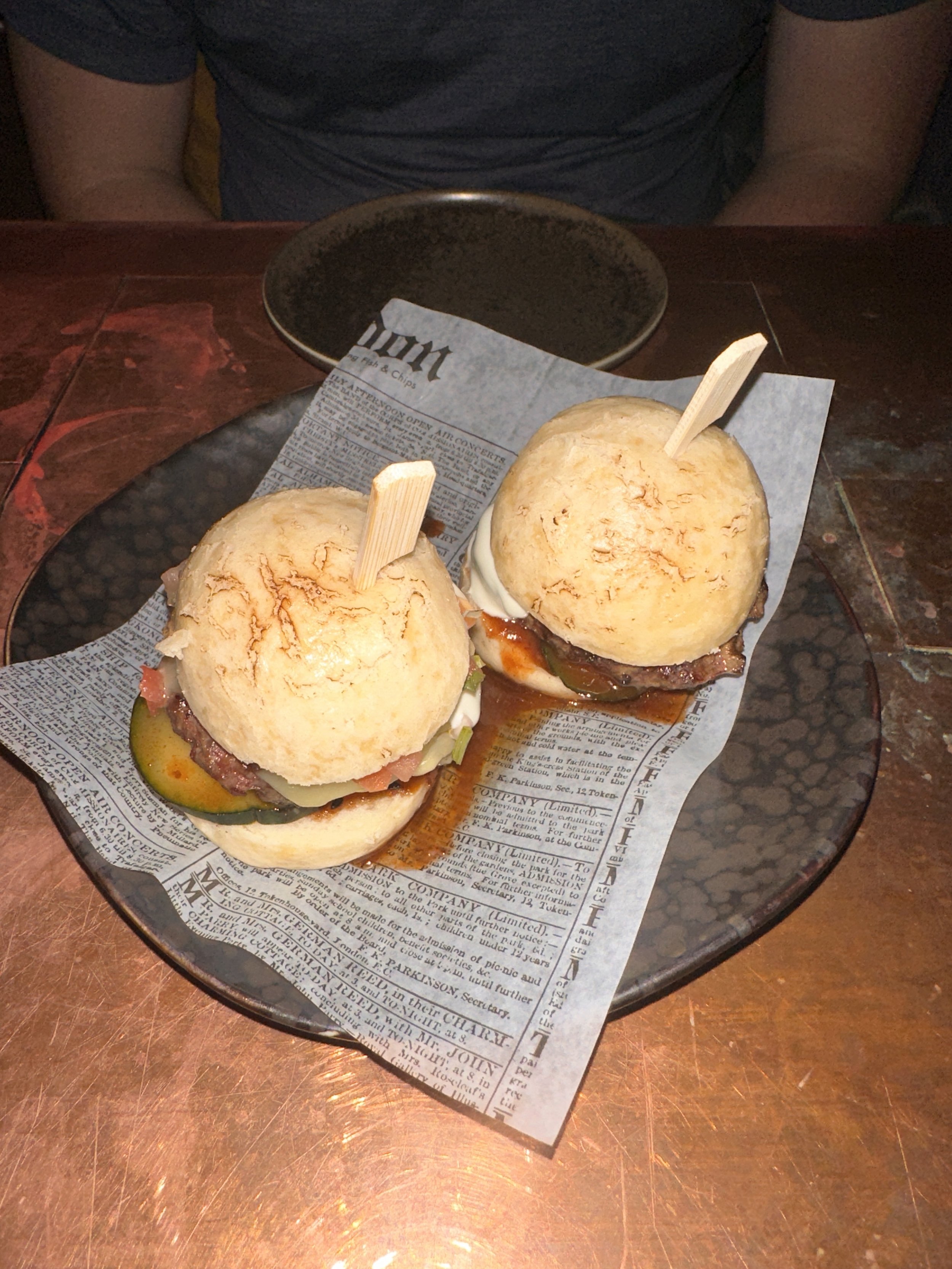
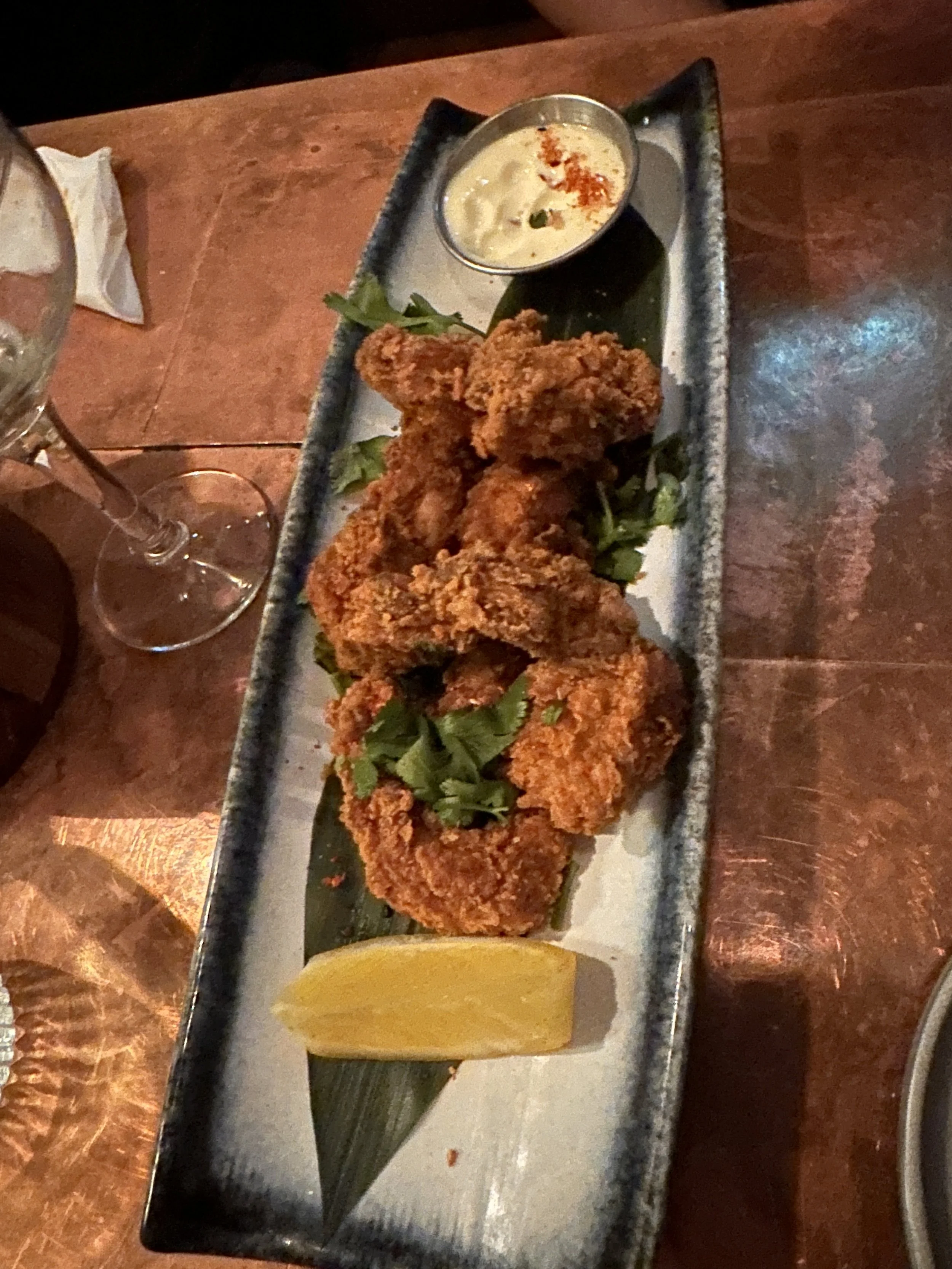
Our first dinner in the city, a gastropub, and it was delicious. This is also where the price of eating in Iceland first hit us, the meals cost more than they had in any other European country we’ve visited. But it was a genuinely good introduction to the city and a comfortable, lively place to land on your first night.
Messinn and Sægreifinn (the Sea Baron)
For seafood, two standouts. Messinn does excellent Icelandic seafood, pan-fried and generous. Sægreifinn, the Sea Baron, down by the old harbor, is famous for its lobster soup and its grilled fish and shellfish skewers, served simply in a no-frills setting. Seafood is one of the things Iceland genuinely does well, fresh from the cold North Atlantic, so this is money well spent.
Known for one thing, soup served in a bread bowl, with a rotating choice of a couple of soups each day. Simple, hearty, warming, and exactly what you want after a cold day. Another reminder that soup in Iceland is a real meal, not a starter.
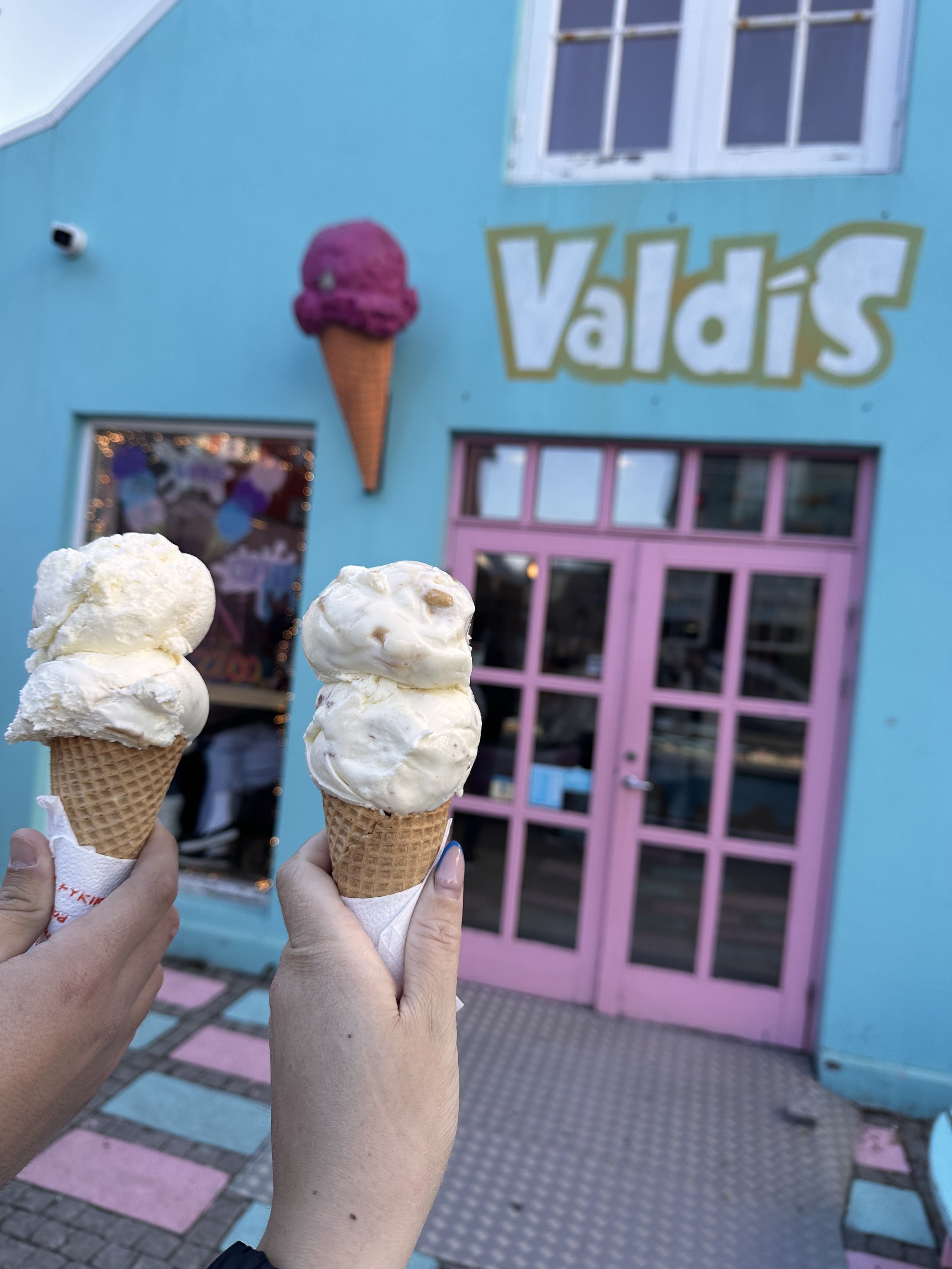
Ice cream, and yes, in the freezing cold. We went more than once. In the winter it is so cold outside that the ice cream does not melt, so you can take your time with a cone in a way that, as San Diego people, was completely foreign to us. Delicious, and a funny little ritual in the middle of an Icelandic winter.
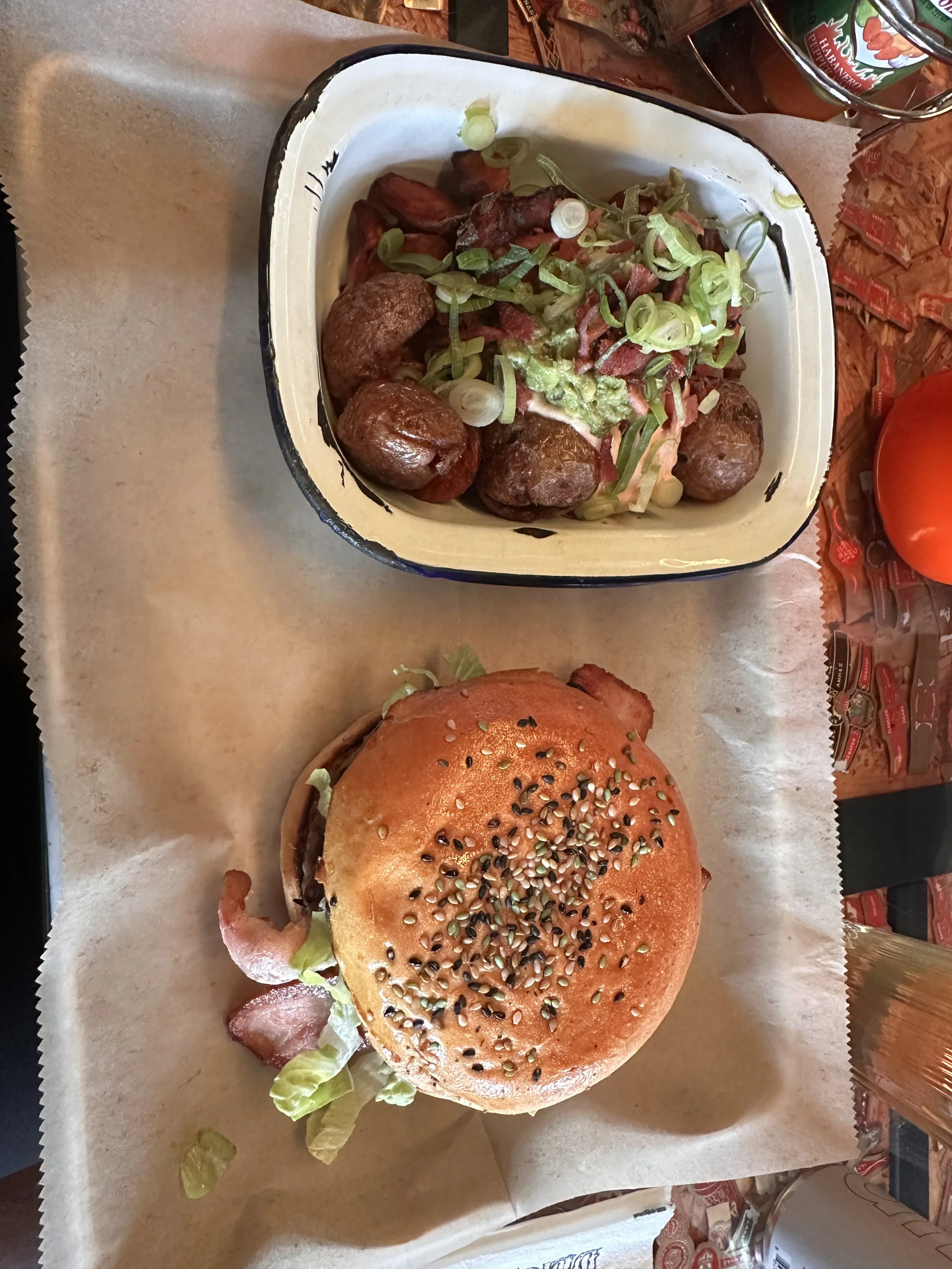
This was one of the best meals we had the entire trip, and it is a burger joint, which goes against everything I just said. I have a single photo from this day and it is a burger and a pile of potatoes, and I still think about it. They are known for burgers and Korean fried chicken wings, and whatever they are doing, it works. If you want one non-Icelandic meal in Reykjavik, make it this one.

A Few More Worth Knowing
For the famous Icelandic hot dog, Bæjarins Beztu Pylsur, the little stand that has been serving them since 1937. Order it "eina með öllu," one with everything, ketchup, sweet mustard, crispy fried onion, raw onion, and remoulade. My husband had it and loved it. (I could not, being pregnant, but it is the single most iconic cheap eat in the country.)
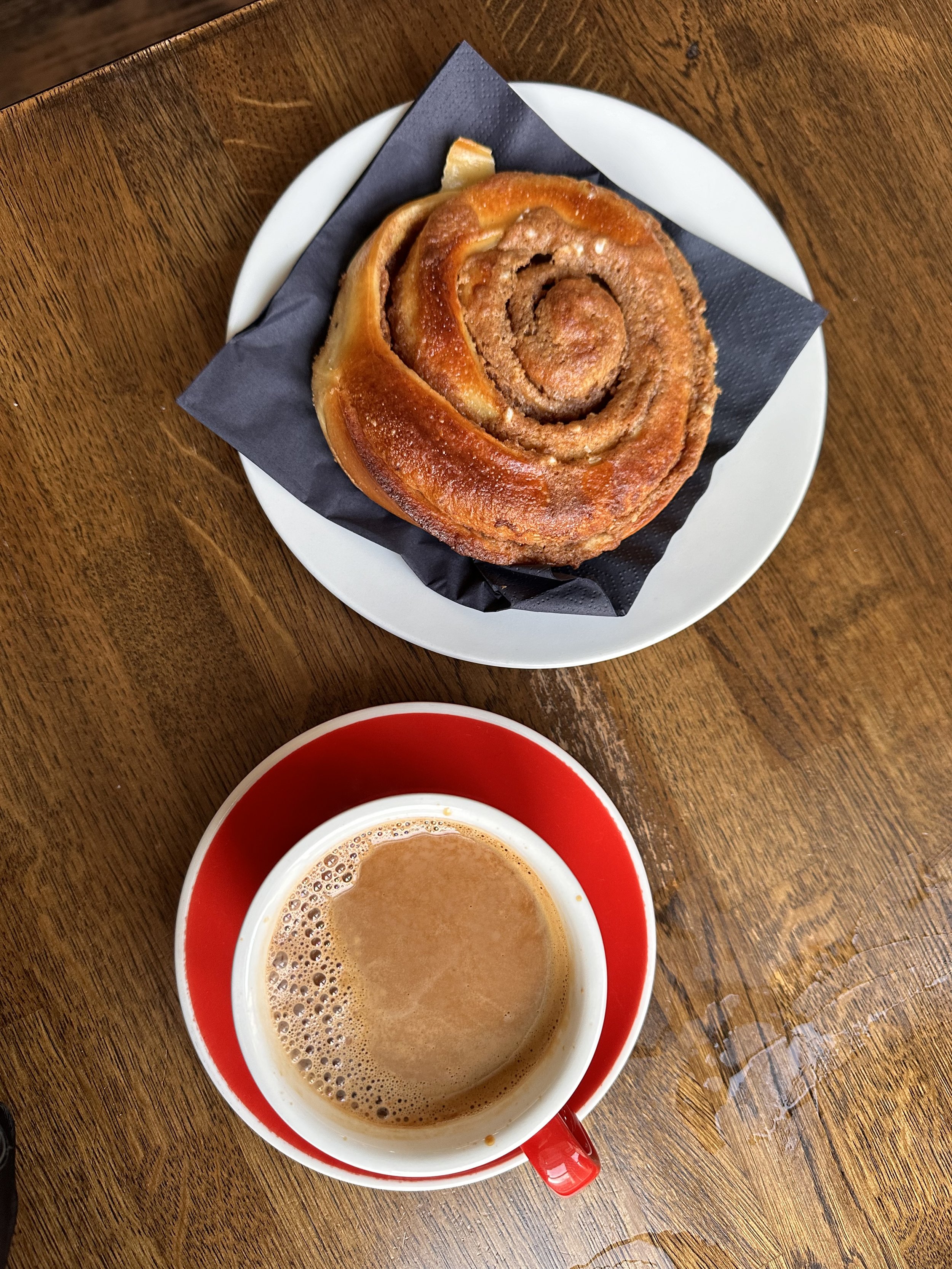
For bakeries, Brauð & Co for cinnamon rolls and Baka Baka for breakfast and sandwiches, both excellent and a relatively affordable way to eat well.
For traditional Icelandic, Café Loki, near Hallgrimskirkja, known for rye bread and even rye bread ice cream, and Þrír Frakkar for old-school Icelandic dishes.
And if you want one genuine splurge, Brut is the Michelin-recognized option for modern Icelandic seafood. Book ahead, and know there is a cancellation fee, so commit when you reserve.
Skyr, the thick, protein-rich cultured dairy that looks like yogurt but is technically a fresh cheese. I am not even a yogurt person and I loved it. You will likely meet it first at hotel breakfast, and it is genuinely worth seeking out.
Soup, in a bread bowl, treated as a main course. It runs counter to how most visitors think about soup, but in Iceland it is a proper meal and one of the best-value, most warming things you can order.
Icelandic lamb, free-range and grass-fed across the highlands, with a flavor that reflects it. One of the island's genuinely excellent homegrown ingredients.
North Atlantic seafood, especially the lobster soup. Fresh, cold-water, and one of the few things in Iceland that is both excellent and arguably worth the price.
The hot dog, "eina með öllu." The great equalizer in an expensive food city.
And the ice cream, even in winter, because it does not melt and because Icelanders eat it year-round regardless of the weather, which tells you something about the place.
What to Try at Least Once in Iceland
What to Pack for Your First Trip to Reykjavik
I have been cold before. I have sat through a Green Bay Packers game at Lambeau Field in five-degree weather. Iceland in March was a different kind of cold entirely, the kind that no amount of layers or hand warmers fully blocks, especially standing still outside at night waiting for the Northern Lights. Pack like you mean it. This is the one trip where getting your clothing wrong does not just make you uncomfortable, it can end your evening early.
Weather (Quick Reality Check)
We went in early March, the tail end of winter, and it was still genuinely cold, with temperatures around or below freezing, snow, wind, and short days, though the daylight was already stretching back out by then. Iceland's weather is also famously changeable, sun and snow and rain can all happen in a single afternoon, and the wind makes everything feel colder than the number suggests. Early March is a good window for the Northern Lights, still dark enough at night to see them while no longer the deep cold and short days of midwinter. Plan every outfit around staying warm while barely moving, especially for those long, still nights waiting on the lights. Summer is a completely different and milder trip, but that is not when you come for the aurora.
Core Items for Reykjavik
Thermal base layers, top and bottom. These are the foundation of everything and you will wear them every day. Bring enough to rotate.
A serious insulated layer. A real down jacket, not a fashion one. This is your main defense and it has to actually work.
A waterproof, windproof outer shell. Iceland's wind and sideways rain make a windproof layer as important as a warm one. Ideally your down jacket goes under a shell.
Mid layers to stack, a hoodie, a sweater, long-sleeve thermal shirts. Layering is the whole strategy. You add and remove as you move between brutal cold outside and heated interiors.
Warm accessories, and do not skimp. A beanie, a scarf or neck buff, insulated gloves, and ear warmers. These are what fail first in the cold and what you will miss most.
Hand warmers and toe warmers. Bring more than you think. Even with them, the coldest night of our trip got through, but they made the difference between staying out to see the lights and giving up.
Proper waterproof snow boots with grip. You will be walking on snow, ice, and uneven frozen ground. This is not the trip for sneakers.
A swimsuit. Even though I could not do the hot springs and thermal baths this trip, they are central to the Iceland experience, and you will want a swimsuit for the Blue Lagoon, the Sky Lagoon, or any of the natural and built geothermal pools. Pack one regardless of the season.
A power adapter and a battery pack. Iceland uses European plugs, so bring the right converter. And the cold drains phone batteries fast, exactly when you most need your phone for photos and aurora settings, so a battery pack earns its place.
One Good Thing to Know: The Water
A small heads up. Iceland's hot water is heated geothermally, straight from the earth, so it carries a faint sulfur smell, a slight rotten-egg note when you run a hot shower or tap. It is completely normal and harmless. The cold water, on the other hand, is some of the cleanest and best-tasting tap water in the world, straight off the glaciers. Do not buy bottled water here. Just drink from the tap and skip the smell of the hot side.
A City That Decided to Be Warm
Reykjavik is not a warm place. It decided to be one. By every external measure, it should be one of the bleakest cities on earth, this far north, this cold, this dark for so much of the year. And instead it is one of the coziest places I have ever spent time. The warmth is not given to it. It is built.
You see the decision everywhere. The candlelit cafes glowing against the grey afternoon. The wool in every shop window. The ice cream shops that stay busy through the winter because Icelanders simply refuse to let the cold dictate what they enjoy. The hot water humming under the streets. People here did not get handed a gentle climate and a long growing season and easy light. They got a hard, dark, volcanic rock in the North Atlantic, and they made it warm anyway, on purpose, with their hands and their hot springs and their refusal to be miserable about it.
And the people match the place. The receptionist at our hotel happened to speak Serbian, recognized my husband's last name, and lit up like she had found a cousin. The workers at the soup spot welcomed us in from the cold like they had been waiting for us. None of it was the performed friendliness of a tourist town. It was something steadier than that, a warmth that felt like it came from the same place as the heated floors and the steaming pavement. Chosen. Practiced. Real.
I came to Iceland to see the cold light in the sky. What I did not expect was to learn something from the city underneath it. Reykjavik does not wait for conditions to be good before it decides to be warm. It just decides, and then it builds the warmth itself, one heated floor and one glowing window at a time.
Itinerary for Your First
Trip to Reykjavik
Two days covers Reykjavik itself comfortably, with the rest of your trip spent out in the regions beyond. Here is how to spend them, built around walking the city by day and eating your way through it.
Day 1 - The City on Foot
Morning: Get Your Bearings
Start with a walking tour of the old center. It is the single best thing you can do on your first day, because Reykjavik's history does not announce itself and a guide makes the whole city click. You will move through Austurvöllur and the parliament, Lake Tjörnin and city hall, the old harbor, and Harpa, ending up near the main streets. If you would rather go on your own, follow that same loop and look for the glass panel on Aðalstræti where you can peer down into the 871 Viking longhouse foundations.
Midday: Lunch and the Main Street
Eat something Icelandic and warming. Icelandic Street Food for soup in a bread bowl is a perfect first lunch, generous and cheap by Reykjavik standards and run by some of the friendliest people in the city. Then wander Laugavegur, the main shopping street, and the design shops and wool stores along it.
Afternoon: The Rainbow Road and Hallgrimskirkja
Walk up Skólavörðustígur, the rainbow road, with Hallgrimskirkja framed at the top. Go inside the church for the stark, peaceful interior, then take the elevator up the tower for the best view in the city, the colored rooftops running down to the sea. On the way back down, stop at Valdís for ice cream, which does not melt in this weather and which Icelanders eat year-round regardless of the cold.
Evening: Dinner in the City
Have your first proper dinner somewhere that shows off the island's own food. Reykjavik Public House is a lively gastropub introduction, or go straight for the seafood at Messinn or the Sea Baron's lobster soup down by the harbor. Prepare yourself for the prices and order Icelandic.
Day 2 - Slow Reykjavik and the Northern Lights
Morning: A Slower Start
Reykjavik rewards an unhurried morning. Start with skyr and a pastry, then dig into whatever you skipped on day one. The Settlement Exhibition underground museum if you want the full Viking-settlement story, or simply a long coffee in a candlelit cafe while the city moves slowly outside.
Midday: Eat and Wander
This is the day for the meals you did not get to. Le Kock for the best burger of your trip, a cinnamon roll from Brauð & Co, or the famous hot dog from Bæjarins Beztu Pylsur, ordered with everything. Then walk the harbor and the side streets with no particular plan. Reykjavik is small enough that wandering it aimlessly is the point.
Afternoon: Rest Before the Night
If you have a Northern Lights tour booked, rest in the afternoon. The tours run late, often leaving around 9pm and returning past midnight, and you will be standing outside in deep cold for stretches of it. Warm up, layer up, and eat a real dinner before you go.
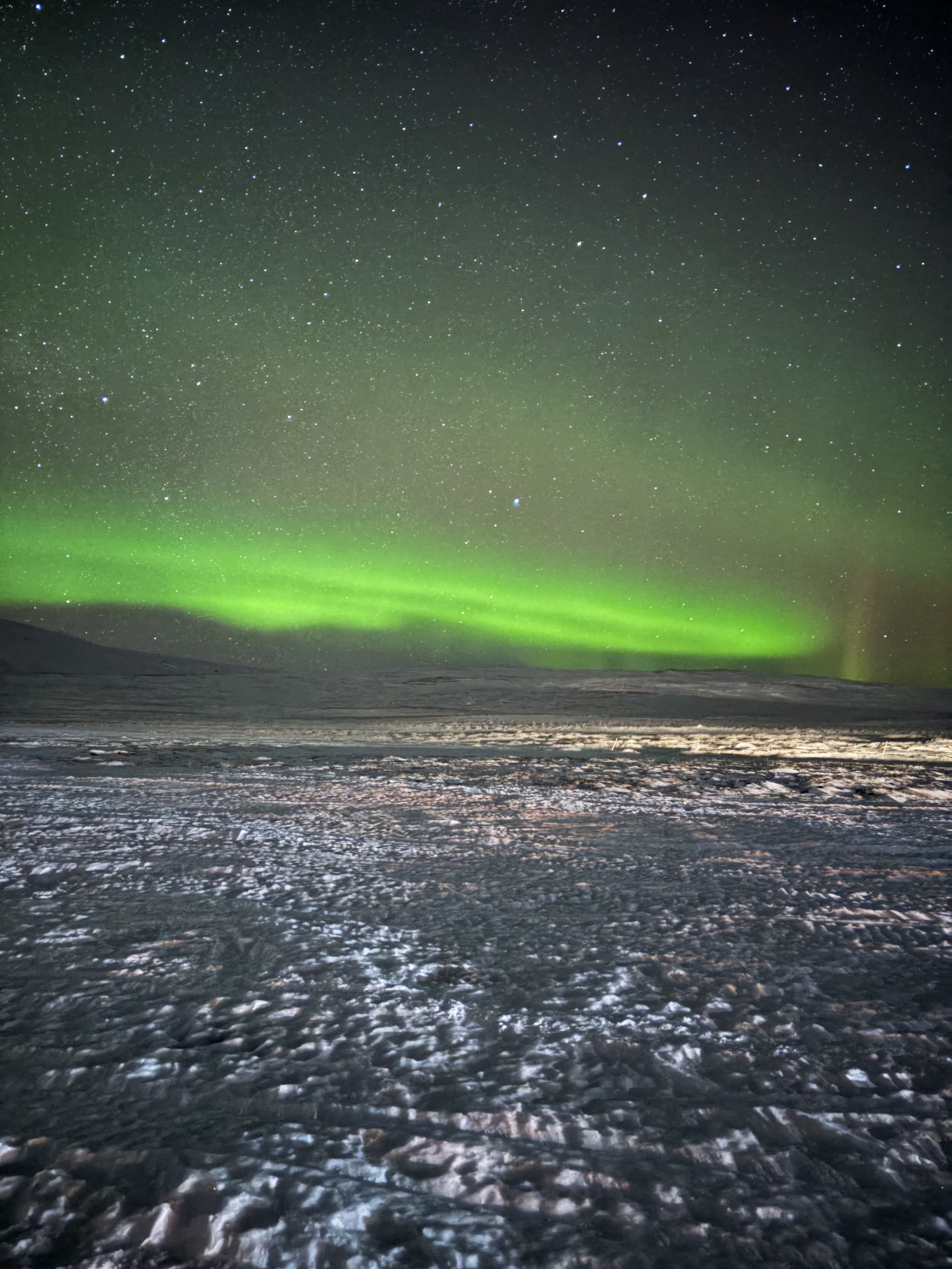
Evening: The Northern Lights
After dark, head out on a Northern Lights tour. The buses drive an hour or so out of the city to escape the light pollution, and a good guide chases the clearest sky and the best aurora forecast. Dress for standing still in the cold, bring every hand warmer you packed, and know going in that they look fainter to your eyes than they do in photos. More on how to actually see them, and how to photograph them, on the country page. It is the reason most people come to Iceland, and on a clear night it delivers.
A third day in Reykjavik is easy to fill before heading out to the regions. The Perlan museum, with its glass dome and city views and indoor ice cave, is a good rainy-day option. The Sky Lagoon, a geothermal spa on the edge of the city, is the easiest way to experience Iceland's hot-spring culture without leaving Reykjavik. And the city's swimming pools, all geothermally heated and beloved by locals, are where you actually see daily Icelandic life. But two days is enough to know the city before the rest of Iceland calls.