
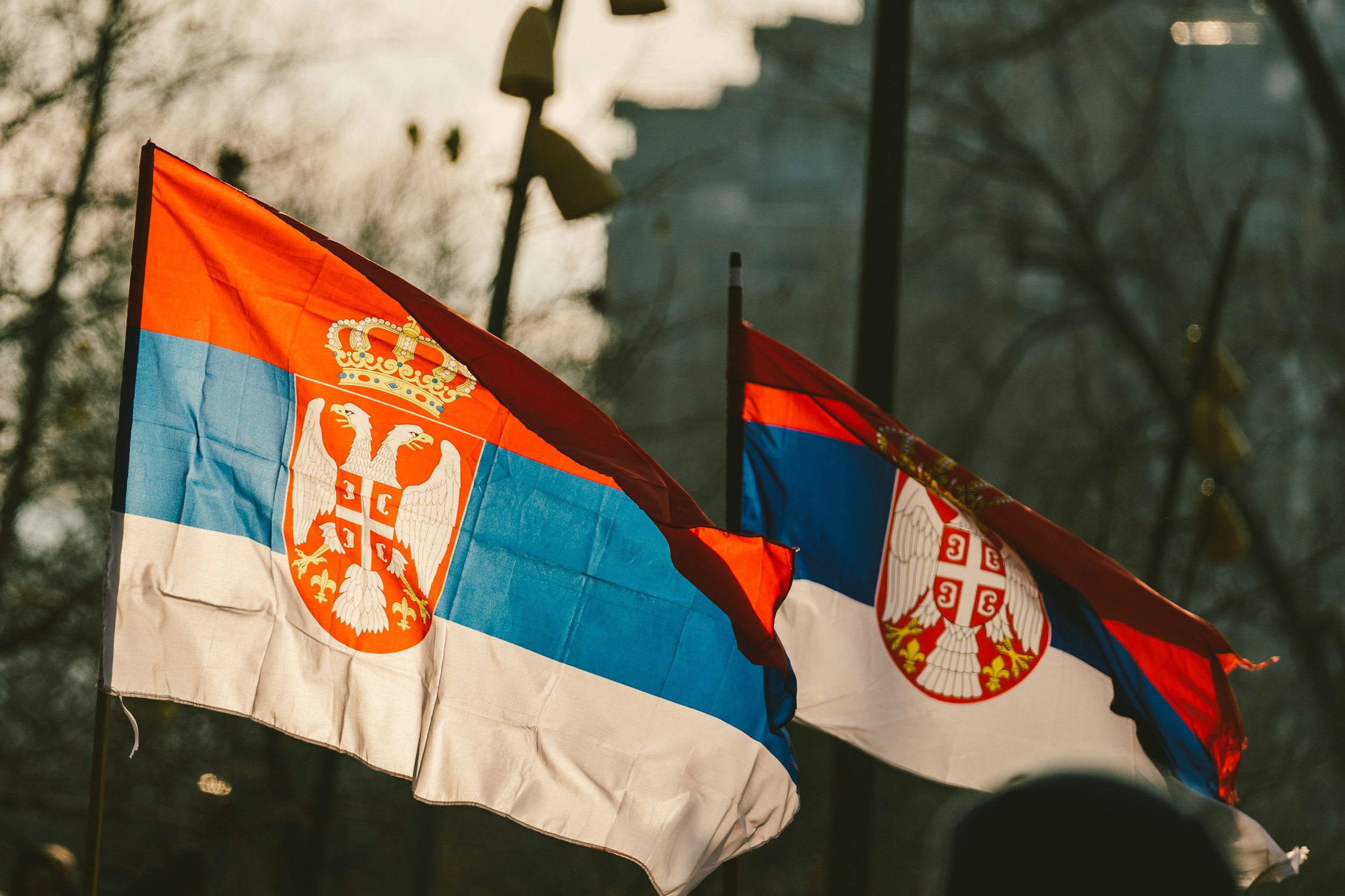
Your First Time in Serbia
There is a version of a European trip that most Americans take. It has Paris in it, maybe Rome, probably Barcelona. If it gets adventurous it adds Prague or Budapest or Dubrovnik. The itinerary builds itself almost automatically, pulled together by decades of magazine coverage and friends who have been and told you to go and a general consensus about which places count.
Serbia is not on that itinerary. Not because anyone has been and decided against it. Just because nobody put it on the list in the first place.
That distinction matters. The countries people skip because they went and were disappointed are one category. Serbia is a different one entirely. It is a country most Western travelers have simply never been pointed toward, sitting in the part of Europe where confident itineraries tend to run out of steam, close enough to places that are on the list to make it onto a longer trip and just unfamiliar enough to keep getting bumped to next time.
Next time should be now.
What nobody tells you before you go is that Serbia has been building itself for visitors for centuries without knowing that was what it was doing. The kafanas that line Skadarlija have been there since the 19th century, not preserved for tourists but simply never stopped being used. The fortress at Kalemegdan has been fought over by Romans, Byzantines, Ottomans, and Austro-Hungarians and carries all of it in its walls. The food is generous and specific and completely sure of itself in the way that food is when it has never needed to explain itself to anyone.
You will not arrive to find a country that has been arranged for your benefit. You will arrive to find a country going about its life, which turns out to be exactly the right thing to find.
What to Know Before Visiting Serbia
-
Yes. Serbia is a safe destination for tourists and the experience of being there reflects that. Violent crime against visitors is rare and Belgrade in particular feels relaxed and easy to move through at any hour. The main things to watch for are the standard precautions you would take anywhere: keep your bag zipped in crowded areas, be aware on busy platforms and markets, and use the Bolt app rather than flagging random taxis to avoid being overcharged. Women traveling solo report no particular issues. Stay aware and you will be fine.
-
Serbia is not part of the European Union or the Schengen Area, which means the visa rules are specific to Serbia rather than covered under the standard Schengen arrangement. US citizens do not need a visa for tourist stays of up to 30 days. Some nationalities can stay up to 90 days. Check the official Serbian government website before you book since the rules vary by passport and can change. Your passport should be valid for at least six months beyond your intended travel dates.
-
Serbia uses the Serbian dinar, not the euro, and cash matters more here than in most of Western Europe. Cards are accepted at hotels and larger restaurants but the kafanas, bakeries, and local spots where you will most want to spend your time often run on cash only. ATMs are easy to find throughout Belgrade. Use bank ATMs rather than standalone machines to avoid steep fees, withdraw enough for a few days at a time, and sort your dinars before you sit down at a table in Skadarlija without enough to cover dinner.
-
Serbian, written in both Cyrillic and Latin script depending on the context. In Belgrade and tourist areas English is widely spoken at hotels, restaurants, and most businesses in the center. Step off the main streets or travel outside the capital and the gap becomes real quickly. A few basic words go further than you expect. Hvala means thank you. Molim means please. Dobar dan is good day. Nobody expects you to know them and everyone notices when you try.
-
Serbia is predominantly Serbian Orthodox Christian and the church is woven into everyday life in a way that goes beyond Sunday attendance. The major churches and monasteries across the country are active places of worship, not historical attractions. This distinction matters when you visit them. Cover your shoulders and knees, speak quietly inside, and treat them accordingly.
-
Very affordable by Western European standards. Food, accommodation, transport, and nightlife are all significantly cheaper than comparable experiences in Hungary, Italy, or Switzerland. A full dinner with drinks at one of the kafanas in Skadarlija costs a fraction of what the same evening would run you in Budapest. Eat and drink where locals eat and drink and Serbia will feel like one of the best value destinations in Europe.
The Best Time of the Year to Visit Serbia
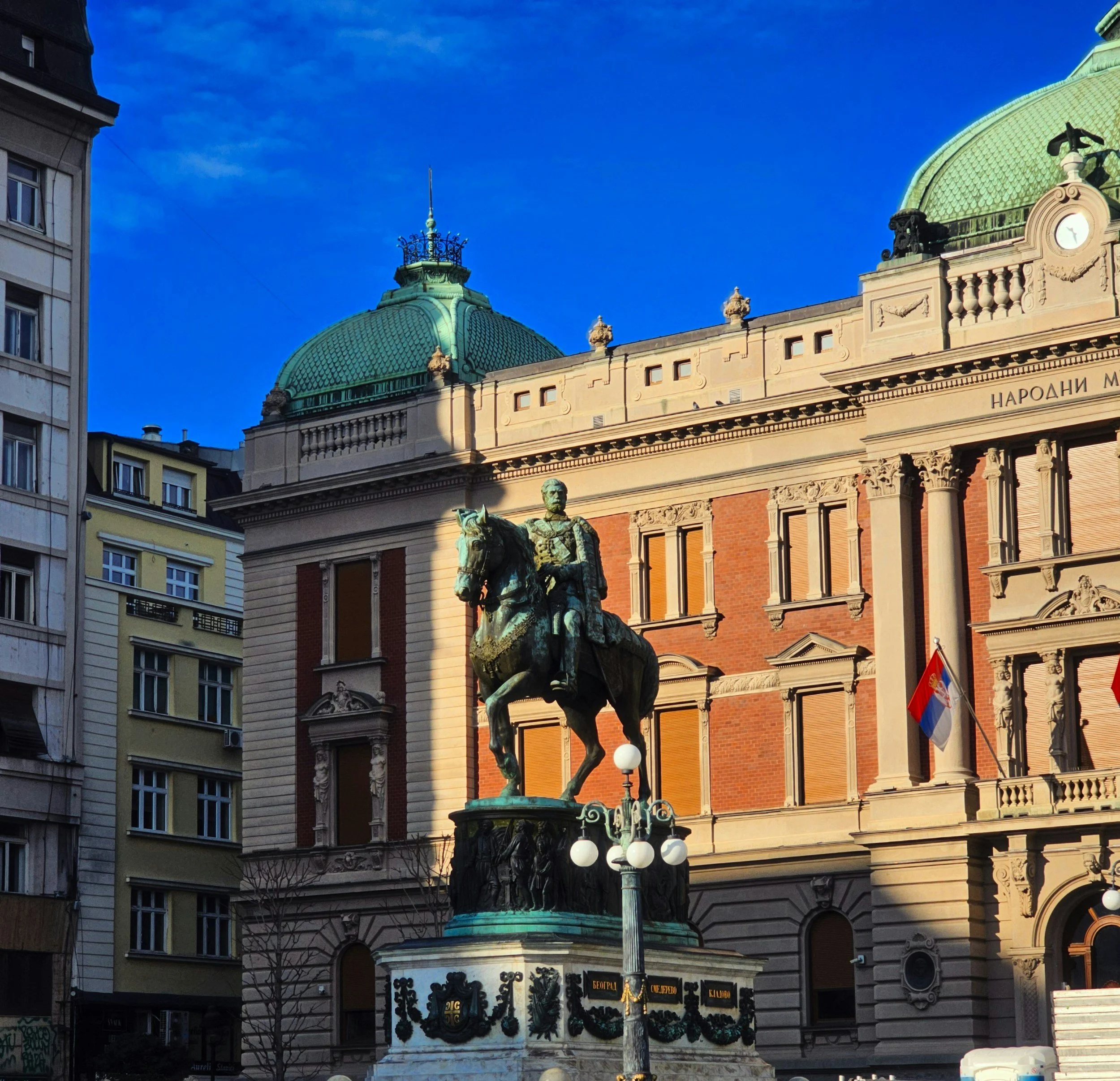
Serbia has four distinct seasons and the right time to visit depends on what you want from the trip. For a first visit focused on Belgrade, the shoulder seasons deliver the best version of the city without the extremes of summer heat or winter cold.
The Honest Breakdown by Season
Late April through June is the strongest window. The weather is mild, the country is fully alive, and the outdoor terraces and kafanas that define Serbian social life are operating at their best. We visited in late May and the timing felt close to ideal.
September and October is the other strong window. The heat breaks, the air clears, and the outdoor terraces that were unbearable in August become the best seats in the country again. Cooler evenings, fewer tourists, and Serbia at its most genuinely local.
July and August are ungodly hot. The cities sit in river basins that trap heat in a way that makes the temperature feel significantly worse than the forecast suggests. If this is when you can travel, go, but start early, find shade in the middle of the day, and do not plan the kind of itinerary that requires you to be outside and moving for eight straight hours. The splavovi and the nightlife make more sense in summer than any other season. The days are brutal. The nights are the point.
November through March is cold and quieter. Serbia operates year round and the indoor kafana culture makes winter visits more viable here than in destinations built around outdoor experience. The Christmas and New Year period brings its own energy and is worth knowing about if a winter trip is what you are planning.
Things Worth Planning Around
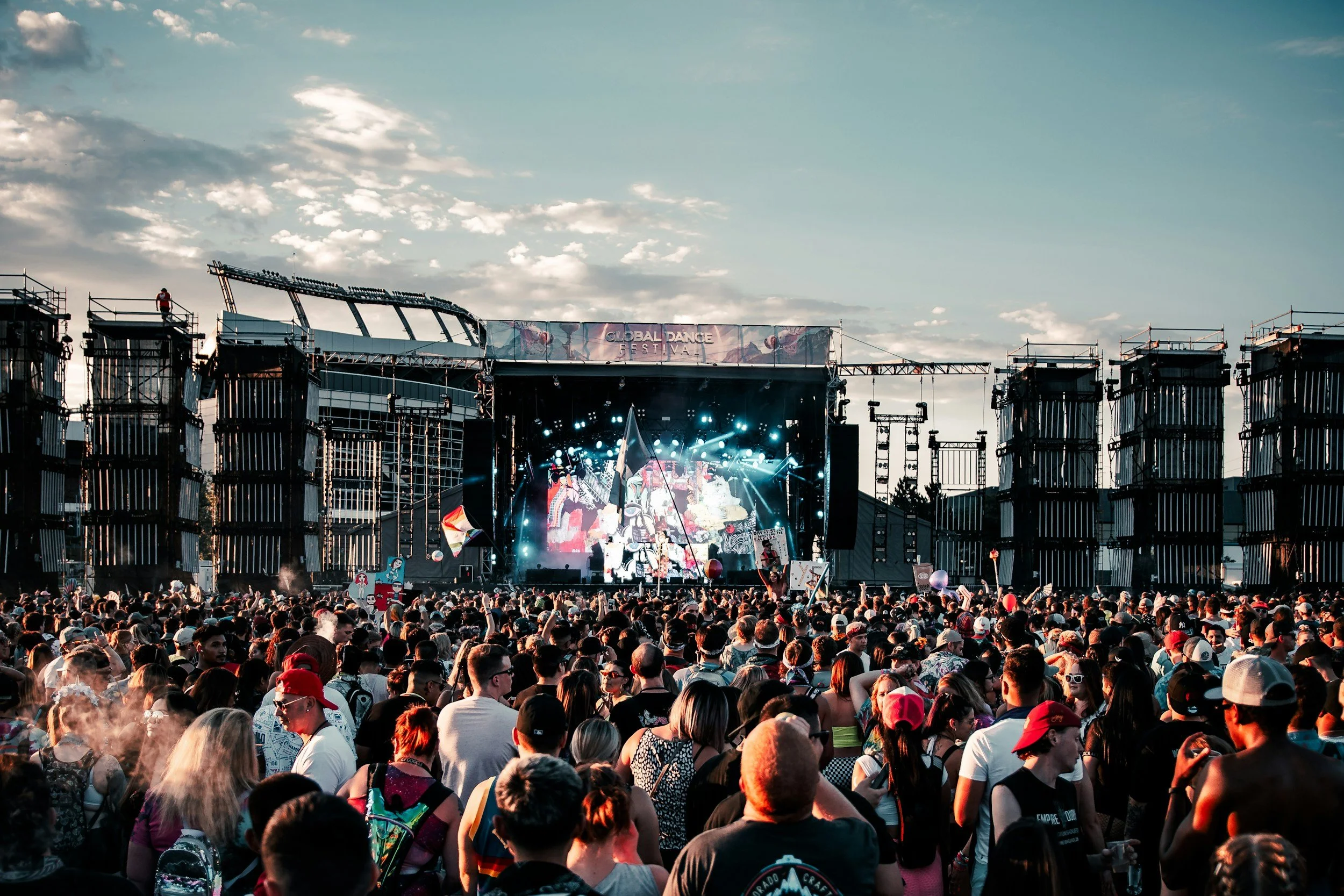
Exit Festival, one of the largest and most acclaimed music festivals in Europe, takes place at Petrovaradin Fortress in Novi Sad every July. If the festival falls during your trip it is worth building your itinerary around it rather than ignoring it.
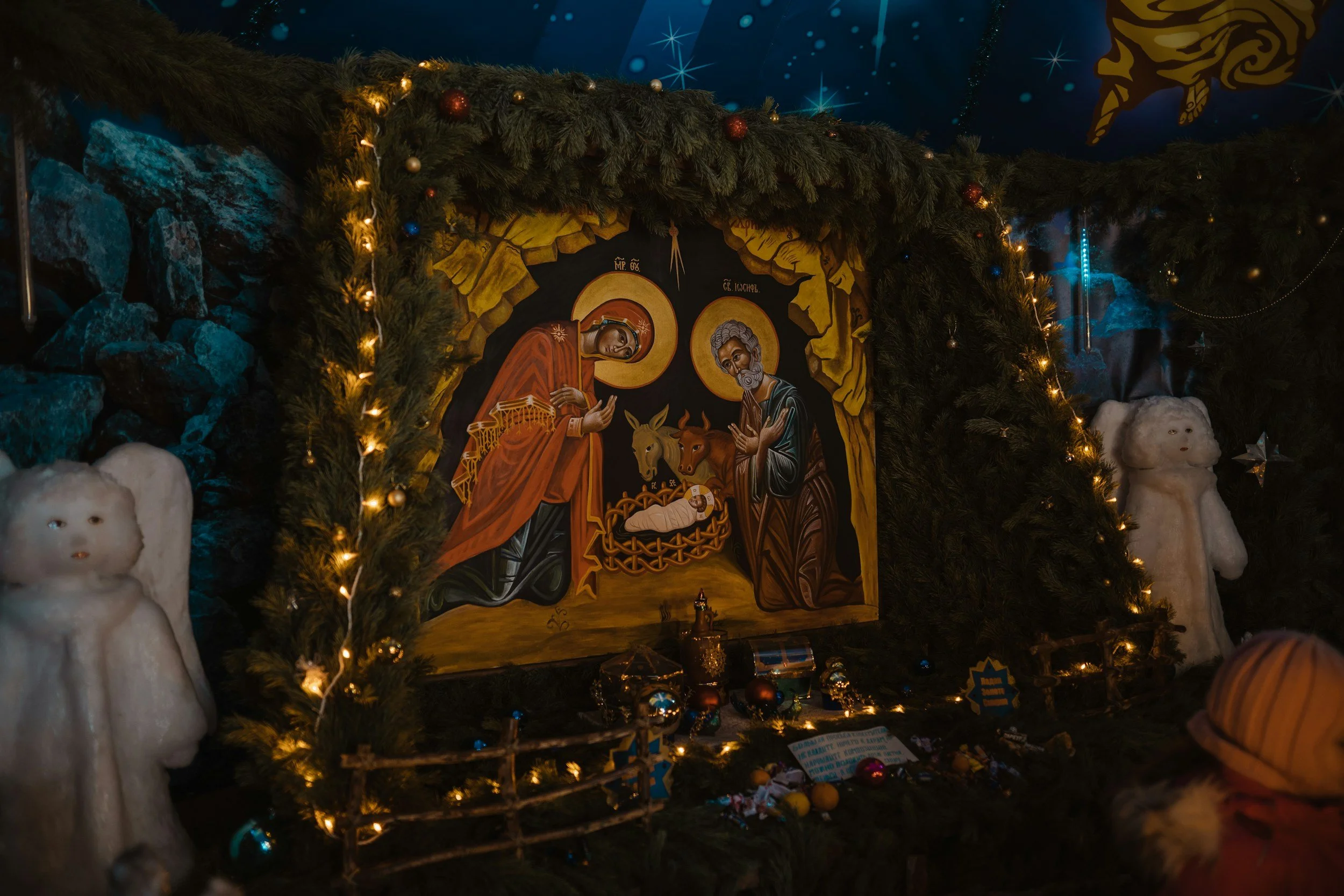
Serbian Orthodox Christmas falls on January 7th rather than December 25th, following the Julian calendar. The celebrations are genuine and deeply felt and give the city a specific atmosphere in early January that is unlike anything you will find at that time of year elsewhere in Europe.
Getting Around in Serbia
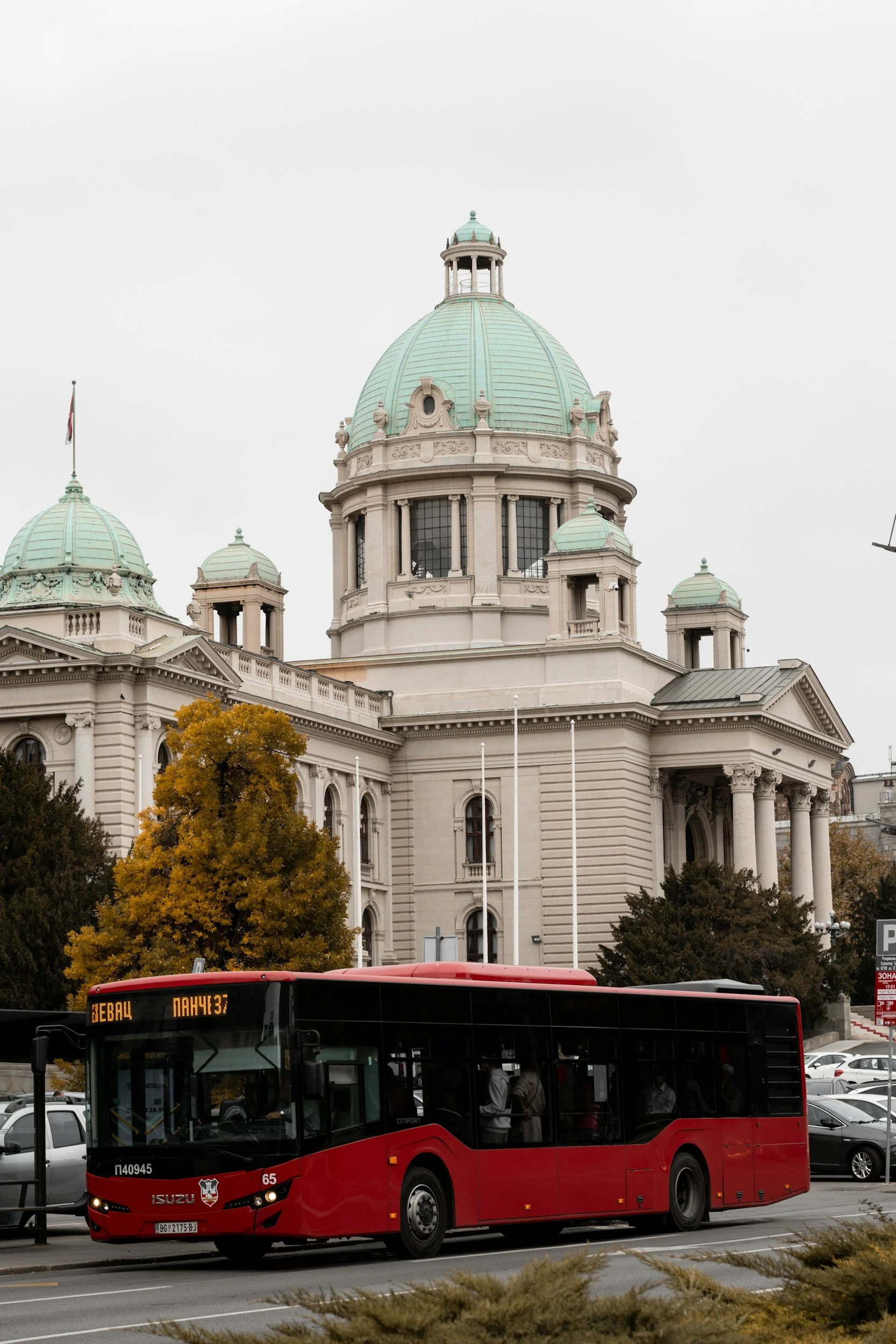
Serbia is a centralized country and almost everything routes through Belgrade. That works in your favor as a first time visitor because it means the logistics are simple. Fly in, base yourself in the capital, and everything else radiates outward from there.
Getting to Serbia
Belgrade Nikola Tesla Airport is the main international entry point, connecting to major European cities and well served by regional carriers. The drive into central Belgrade takes about twenty minutes in normal traffic. Use the Bolt app at the airport rather than flagging a cab. If you do take a taxi, agree on the fare before you get in.
Getting Around the Country
Serbia has a national bus network that connects cities and towns efficiently and cheaply. Buses are faster and more practical than trains for most routes. The rail network exists but is limited and slow. For traveling between cities or reaching the mountain regions, the bus is the right call. Tickets are inexpensive and routes run frequently throughout the day.
Getting Around Within Cities
Serbian cities are compact enough that most of what you want to see is reachable on foot from a central base. For the distances between neighborhoods, taxis and rideshares are the most practical option. The Bolt app is the most reliable and transparent choice throughout the country. Public buses and trams cover the broader areas well. Validate your ticket when you board. The fine for not doing so is not worth finding out about.
Renting a Car
Worth considering if your trip extends beyond the cities into the Serbian countryside or the mountain areas around Zlatibor and Kopaonik. Roads outside the cities are generally in reasonable condition. Serbian city traffic is assertive in a way that rewards local knowledge over confidence. Save the car for the parts of the country where it actually makes sense.
Culture & Etiquette Basics
(How Not to Be That Tourist)
Serbia has a warmth and directness that catches most Western visitors off guard in the best possible way. The cultural norms are not complicated to navigate. A few things are worth knowing before you arrive.
1. Hospitality
Serbians are warm in a way that does not require an occasion. Strangers will give you directions and then walk you part of the way there. Restaurant staff will make recommendations like they mean them. People will ask where you are from and actually want to know the answer. It is not performance and it is not directed specifically at tourists. It is just how people here treat each other and you will be included in that without having to do anything to earn it.
2. The Table
Meals in Serbia are not transactions. They are events. A dinner does not have a scheduled end and nobody is going to rush you toward one. The check will not appear until you ask for it. Restaurants fill late, evenings run long, and the culture around eating and drinking is built on the assumption that the table is where life actually happens. Fight the schedule and you will miss the best part of being here. Adjust to it and everything else falls into place.
3. Cheersing
When you raise a glass in Serbia, look the person you are cheersing directly in the eyes. Not a glance, not a general scan of the table. Eyes locked with each person individually as your glasses meet. Looking away is considered disrespectful and in some circles is said to bring bad luck. In a country where rakija appears at every occasion and the evenings run long, you will do this many times. Do it correctly every time.
4. Tipping
Ten to fifteen percent is standard at sit down restaurants and genuinely expected rather than optional. Leave it in cash rather than adding it to a card payment. For taxis, rounding up the fare is enough.
5. Directness
Serbians say what they mean without much padding around it. A waiter who does not smile and ask how your day is going is not being rude. A shopkeeper who answers your question without small talk is not being cold. The warmth here is real but it does not look like the customer service warmth most Western visitors are used to. Once you stop reading directness as unfriendliness the whole city opens up differently.
6. The War
Serbia's recent history is complicated and the 1990s in particular are not distant memory for most people you will encounter. Mateja's parents left because of what happened during that period. Many families have similar stories on multiple sides. It is not a topic to raise casually with people you have just met, but if it comes up in conversation, listen more than you speak. The history is genuinely complex and the people who lived through it have earned the right to hold it however they need to.
Where to Go in Serbia
My firsthand experience in Serbia is three days in Belgrade. The destinations below include Belgrade with a link to the full guide, plus the places most worth knowing about for a first trip or a return visit. Each will get its own full page as we go back and experience more of this country.
Belgrade
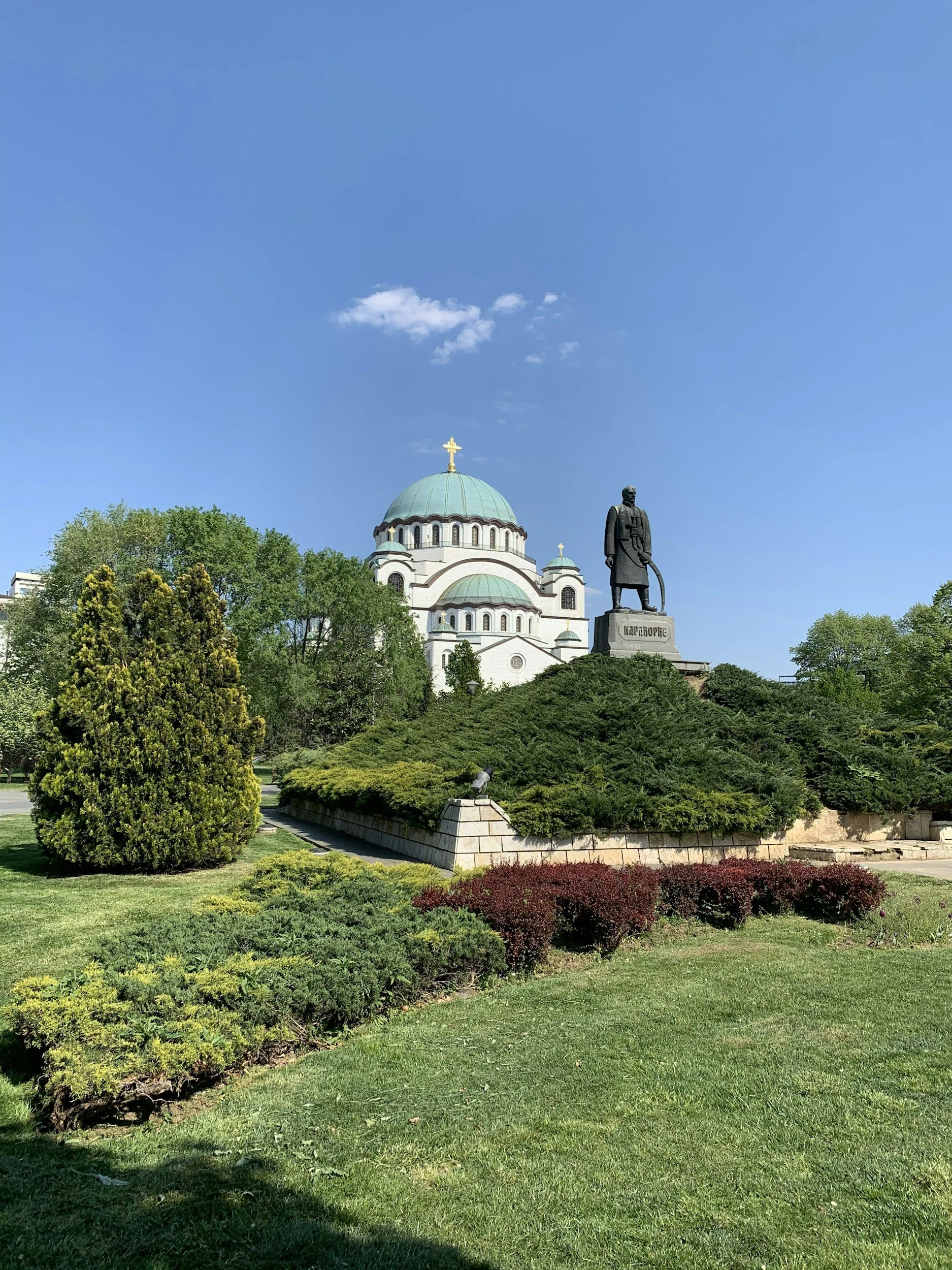
The entry point for almost every first trip to Serbia and the right place to start. Kalemegdan Fortress, Skadarlija, the Temple of Saint Sava, the National Museum, and a food and nightlife culture that operates at a completely different register from anywhere else in the region. Three days covers the city well. Full guide on the Belgrade page.
Novi Sad
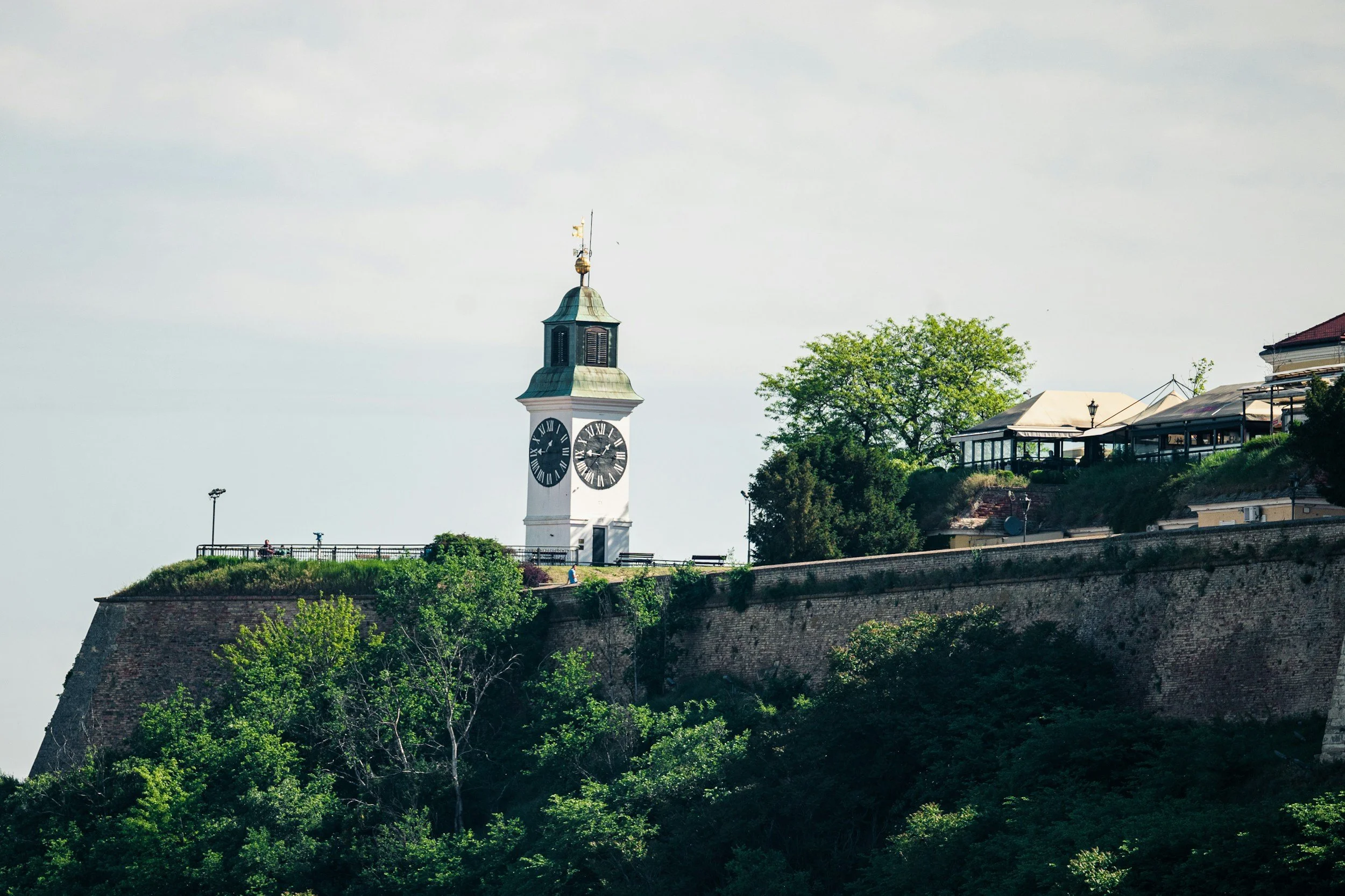
Serbia's second city sits on the Danube about 90 minutes north of Belgrade and has a completely different character from the capital. More compact, more Central European in its architecture and atmosphere, with a well preserved old town and Petrovaradin Fortress sitting dramatically above the river. Home to Exit Festival every July, one of the most celebrated music festivals in Europe, and worth knowing about as either a day trip from Belgrade or a standalone stop on a longer trip through the region.
Niš
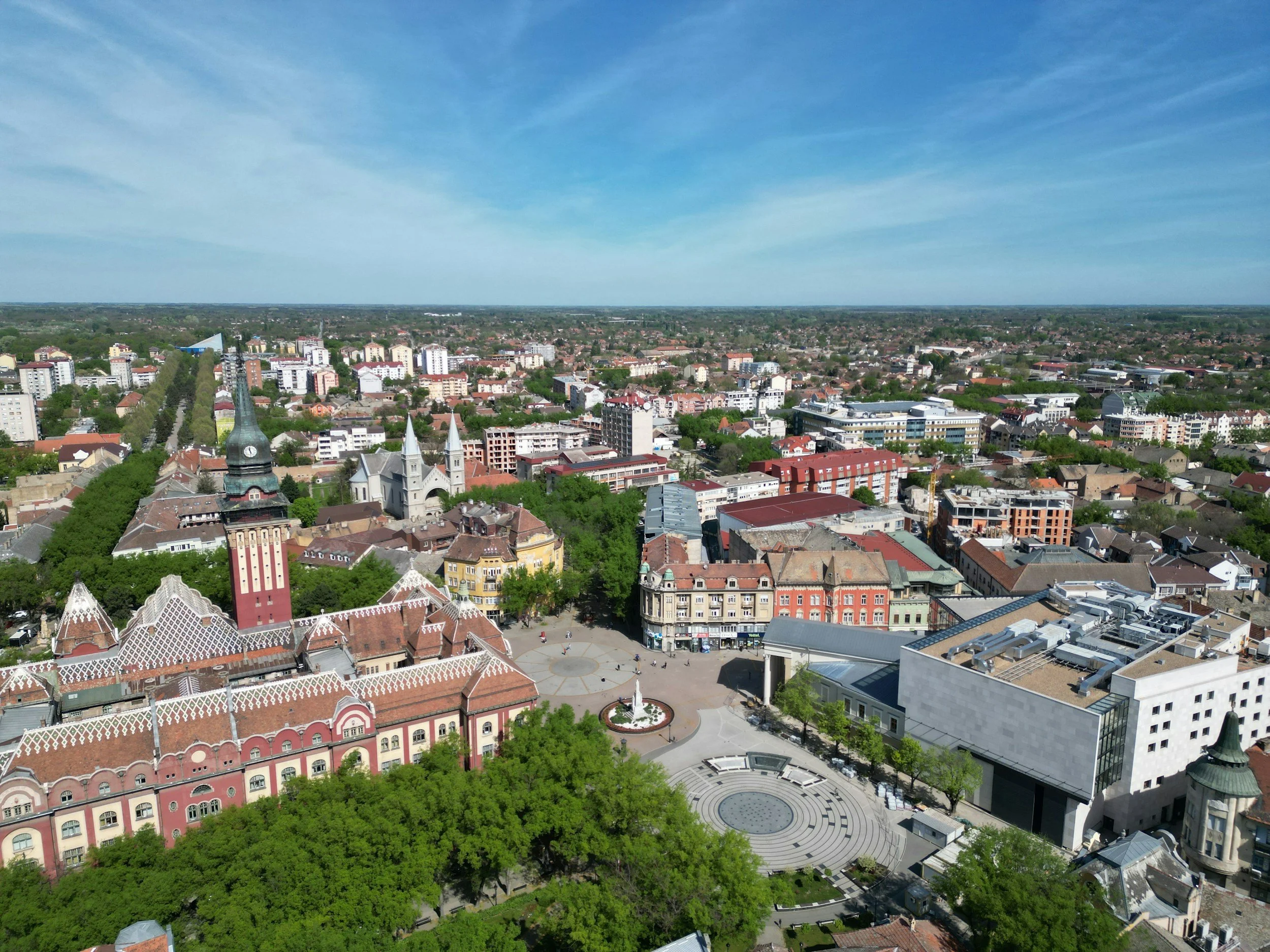
Serbia's third largest city in the south of the country has a history that predates Belgrade by centuries. The birthplace of Constantine the Great, the first Roman emperor to convert to Christianity, Niš has Roman ruins, a well preserved Ottoman fortress, and a pace that feels completely different from the capital. Less visited than Belgrade or Novi Sad and more genuinely local for it.
Zlatibor
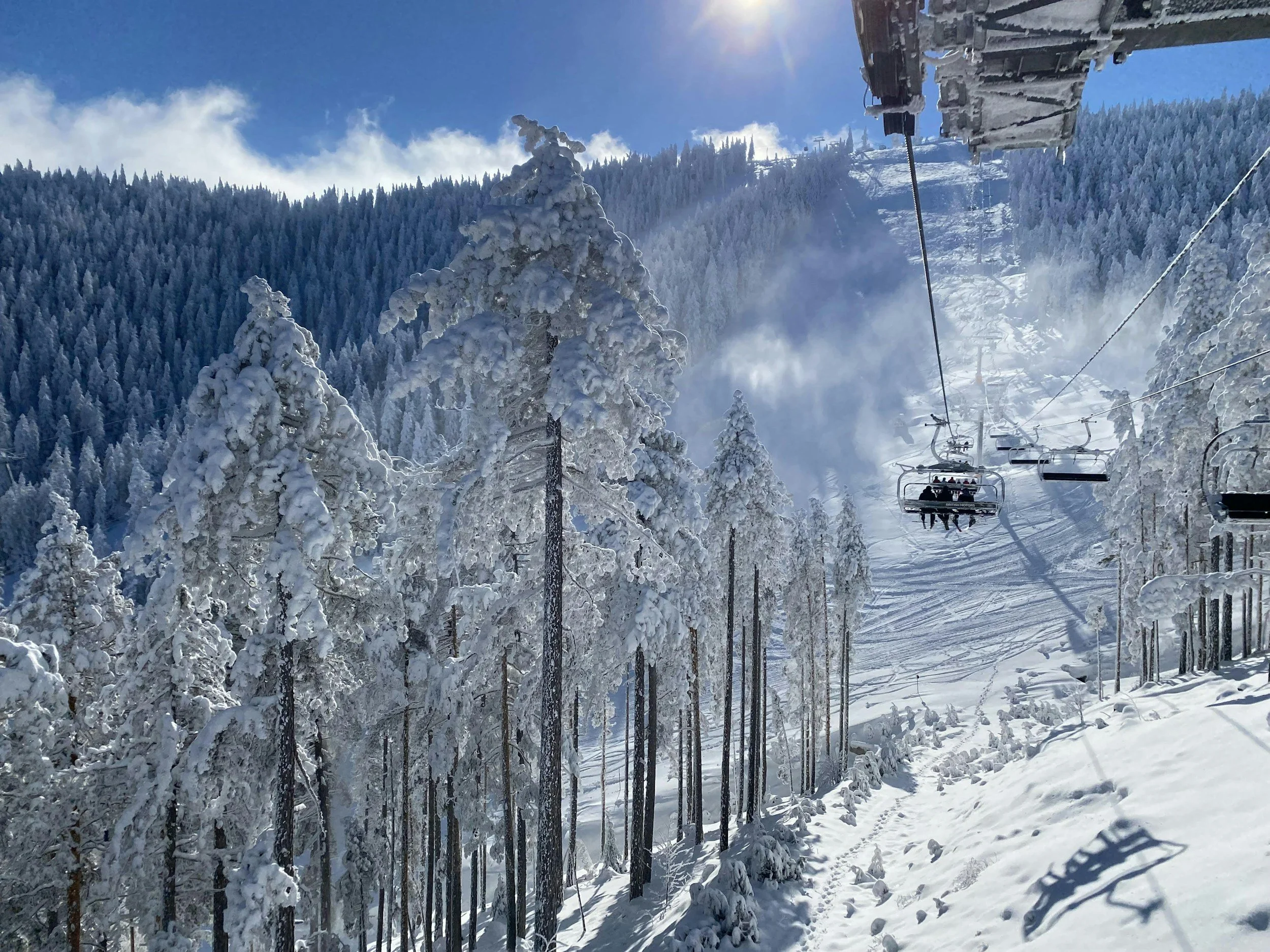
The mountain plateau in western Serbia is where Belgradians go when they need to get out of the city. Fresh air, hiking trails, traditional village architecture, and a pace that feels entirely removed from the urban energy of the capital. Worth knowing about for a longer first trip or a return visit when you want something beyond the city.
My Biggest Surprise the First Time in Serbia
Before Everyone Else Gets Here
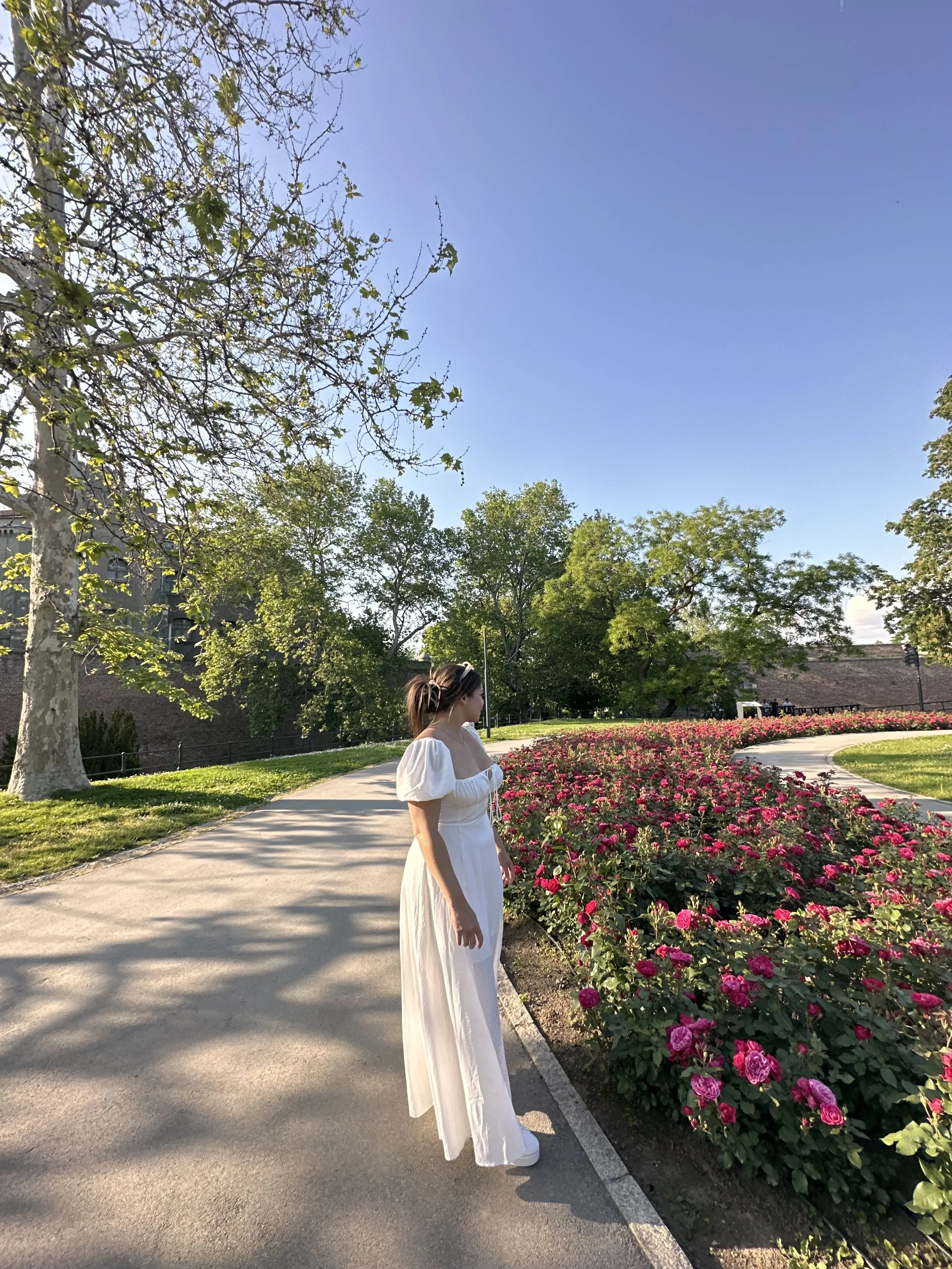
Most of the places worth going in Europe have been discovered. Not in the explorer sense, just in the way that matters practically: someone decided they were worth visiting, built the infrastructure to receive visitors, and then told everyone about it. The cafés in Prague were designed to look like the cafés in Prague. The viewpoints in Dubrovnik have queues. The experience has been optimized and the optimization shows.
Serbia missed that process. Not because it isn't worth the attention but because it was busy with other things during the decades when European tourism was building its consensus about where to go. The kafanas in Skadarlija were not preserved for visitors. They just never stopped being used. The fortress at Kalemegdan was not restored to look impressive. It looks the way it looks because that is what two thousand years of being fought over actually produces. Nobody consulted a tourism board.
What that leaves you with is a country that has not been arranged for your arrival. The food is the food people here eat. The warmth is the warmth people here extend to each other. The evenings run long because that is how evenings work here, not because someone calculated that long evenings would generate good reviews.
And beyond Belgrade there is more of it. Novi Sad sitting on the Danube with its own fortress and its own pace. Niš with Roman ruins and Ottoman walls and a history that predates the capital by centuries. Zlatibor in the west where the mountains are and the city feels very far away. A wine region in the northeast that has been producing Tokaji since before most European appellations existed. None of it is on most people's lists yet.
That is the thing about Serbia. You are not late. You are early. And the places that reward arriving early are the ones worth going to most.