
Your First Time in Hungary
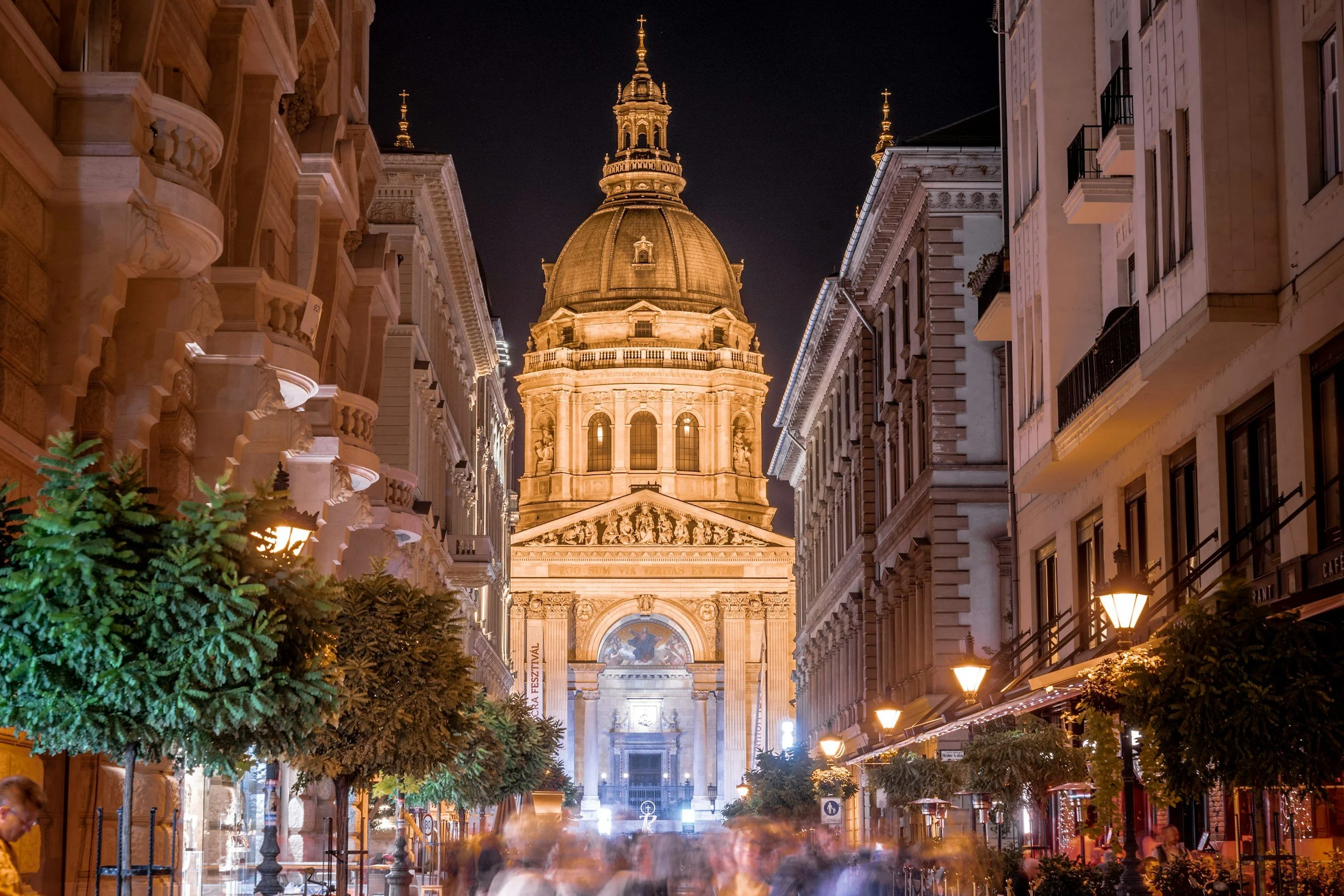
Hungary is not a country most American travelers put at the top of their list. It sits in that middle category of European destinations, not obscure enough to feel like an adventure, not famous enough to feel essential. Most people who end up there arrive the same way we did, as part of a longer trip, a stop between somewhere else and somewhere else, expecting a few pleasant days and not much more.
Budapest changed that completely.
Three days in one city is not a country. I know that. Hungary has lake towns and wine regions and historic cities that most visitors never reach. But three days in Budapest was enough to understand why people come back, and enough to make me genuinely curious about the rest of the country in a way I was not before I arrived.
That is probably the most honest thing I can tell you about Hungary before you go. It will surprise you. Not loudly, not dramatically. Just steadily, in the way that places do when they turn out to be more than you gave them credit for.
A Brief Look at What Is Covered Here
My firsthand experience in Hungary is three days in Budapest. That is not the whole country and I know it. Hungary has wine regions, lake towns, and historic cities that most visitors never reach and that I have not yet reached myself. But three days in Budapest was enough to make me genuinely curious about all of it, and enough to make a return trip feel less like a plan and more like a certainty. Everything on this page beyond Budapest is thoroughly researched and presented honestly as places worth knowing about before you go. Honesty about what I have and have not seen is the whole point of this site.
Budapest - Grand architecture, thermal baths, the Parliament building, ruin bars, and food that earns its reputation. Three days covers the city well. Full guide on the Budapest page.
What to Know Before Visiting Hungary
-
Yes. Hungary is a safe destination for tourists and most visitors have no issues beyond the standard awareness you would bring to any European country. The main things to watch for are pickpockets in crowded markets and busy public transport, particularly in tourist-heavy areas. Outside the capital the country feels relaxed and easy to move through. Women traveling solo report no particular issues. As with anywhere, stay aware in crowds, keep your bag zipped, and you will be fine.
-
US citizens do not need a visa for tourist stays of up to 90 days within any 180 day period. Hungary is part of the Schengen Area, which covers most of Europe under the same visa-free arrangement. Your passport must be valid for at least six months beyond your intended arrival date. Check the official Hungarian government website before you travel since entry requirements can change.
-
Hungary uses the Hungarian Forint, not the euro, and cash matters more here than in most Western European countries. Smaller restaurants, market stalls, bakeries, and local vendors across the country are often cash only. ATMs are easy to find in cities and larger towns. Use bank ATMs rather than standalone exchange machines at tourist areas, which often charge unfavorable rates. Carry smaller bills where possible, as some vendors are reluctant to break large notes.
-
In Budapest and major tourist areas, yes. Step outside the capital, visit smaller towns, or encounter anyone over 60 and the language gap becomes more real. Hungarian is one of the most difficult languages in the world for English speakers, completely unrelated to any language you already know. The effort to learn even a few basic phrases goes further than you might expect. Köszönöm for thank you, kérem for please, and jó napot for good day are the most useful. Hungarians notice the effort and respond warmly to it. Download Google Translate before you leave and make sure it works offline.
-
Very affordable by Western European standards. Food, accommodation, transport, and attractions are all significantly cheaper than comparable destinations in France, Italy, or Switzerland. The further you get from the main tourist areas the better the value becomes. Where costs creep up is at higher end restaurants and hotels in Budapest, which are priced more in line with Western European expectations. For most travelers Hungary will feel like an unexpectedly good deal.
-
Yes. Tap water throughout Hungary is safe to drink and meets European Union standards. This includes Budapest and smaller towns across the country. You do not need to buy bottled water unless you prefer it. One note worth knowing: in supermarkets, bottles with a blue label or cap contain sparkling water, not still. Check before you buy.
The Best Time of the Year to Visit Hungary
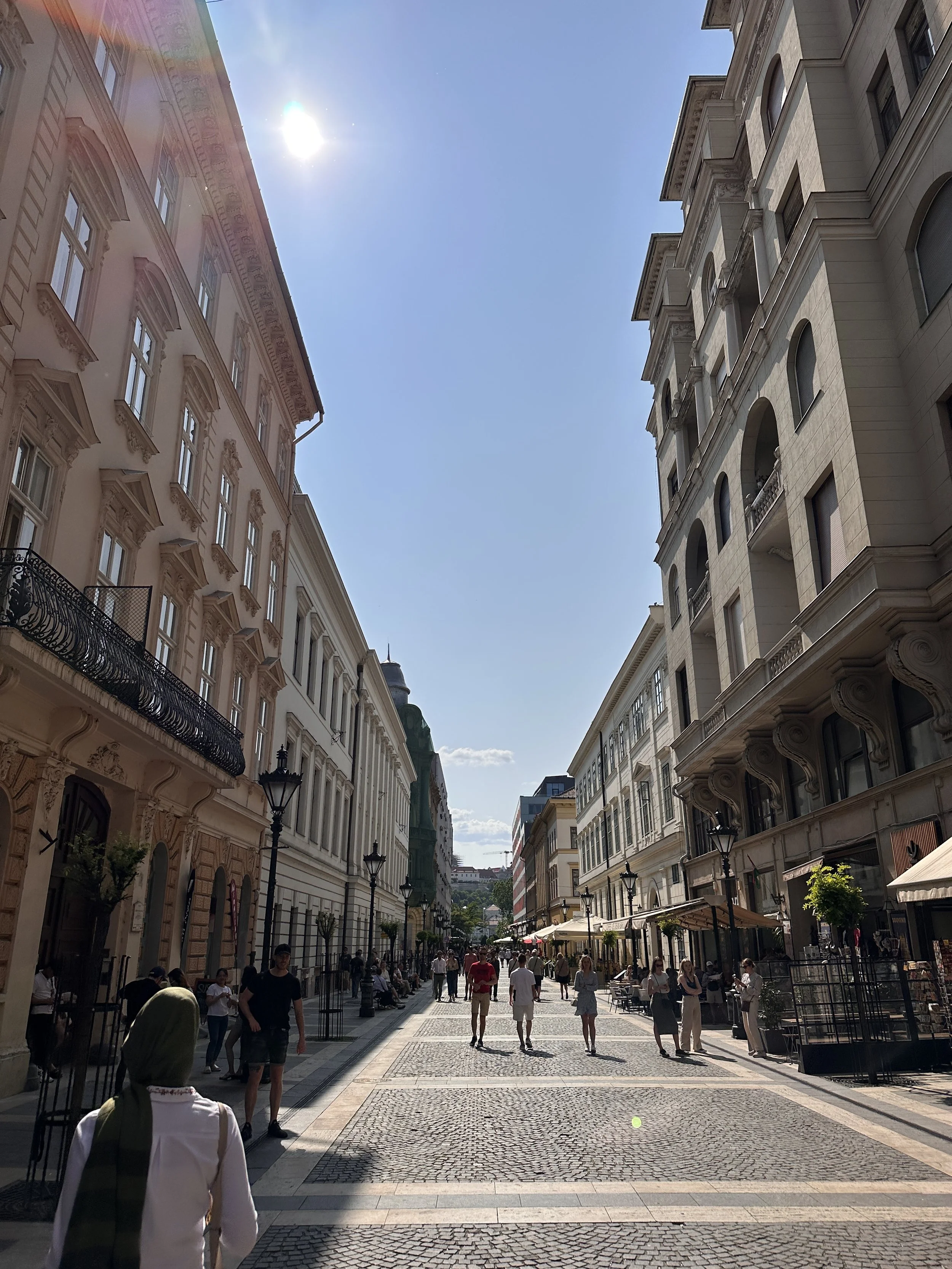
For a first trip to Hungary, the shoulder seasons deliver the best version of the country across the board. Late spring and early fall hit the right balance of warmth, manageable crowds, and reasonable prices whether you are in Budapest, out at Lake Balaton, or exploring the wine regions.
The Honest Breakdown by Season
April and May is the sweet spot. The weather is mild, the countryside is green, and the major attractions are fully open without the peak summer crush. We visited in late May and it was close to ideal.
June is the beginning of summer and still a strong window. Warmer and slightly busier, but the long evenings and the fully open lake and wine region infrastructure make it one of the better months to see more of the country.
July and August is peak season in every sense. Hungary is alive and at its most energetic, particularly around Lake Balaton which becomes the country's summer playground. Book accommodation well in advance, expect crowds at the major attractions, and plan your days around the heat if you are spending time outdoors.
September and October is the version that people who know Hungary well tend to recommend most. The summer crowds thin, prices come down slightly, the wine harvest season begins in the Tokaj and Eger regions, and the light is sharper and more beautiful than the bleached out August version. September in particular is an excellent time to visit.
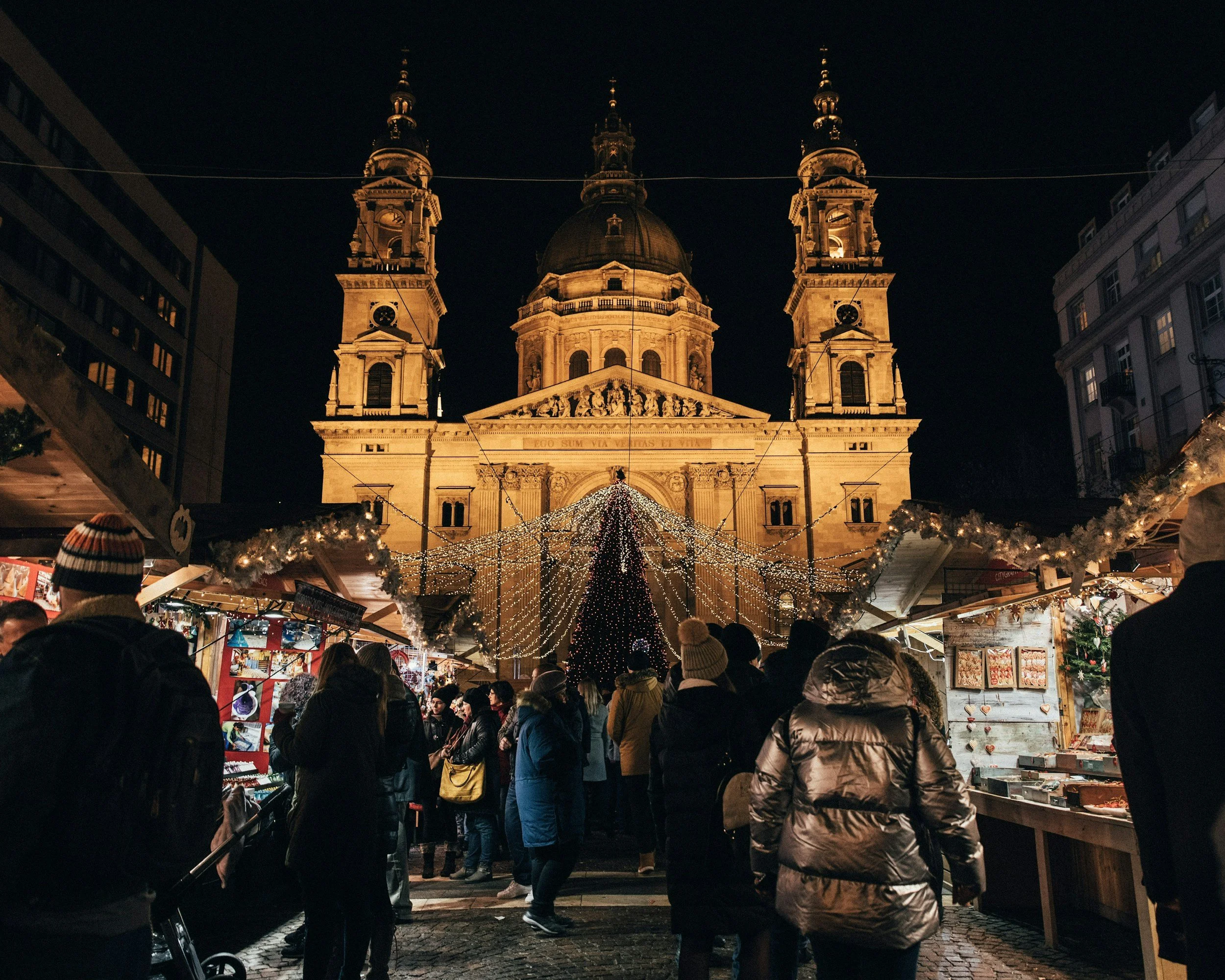
November through March is the off season for most of the country. The thermal baths are actually more atmospheric in cooler months and the Christmas markets in Budapest in late November and December are among the best in Europe. But the lake towns largely shut down and the countryside offers less of what most first time visitors come for.
Things Worth Planning Around
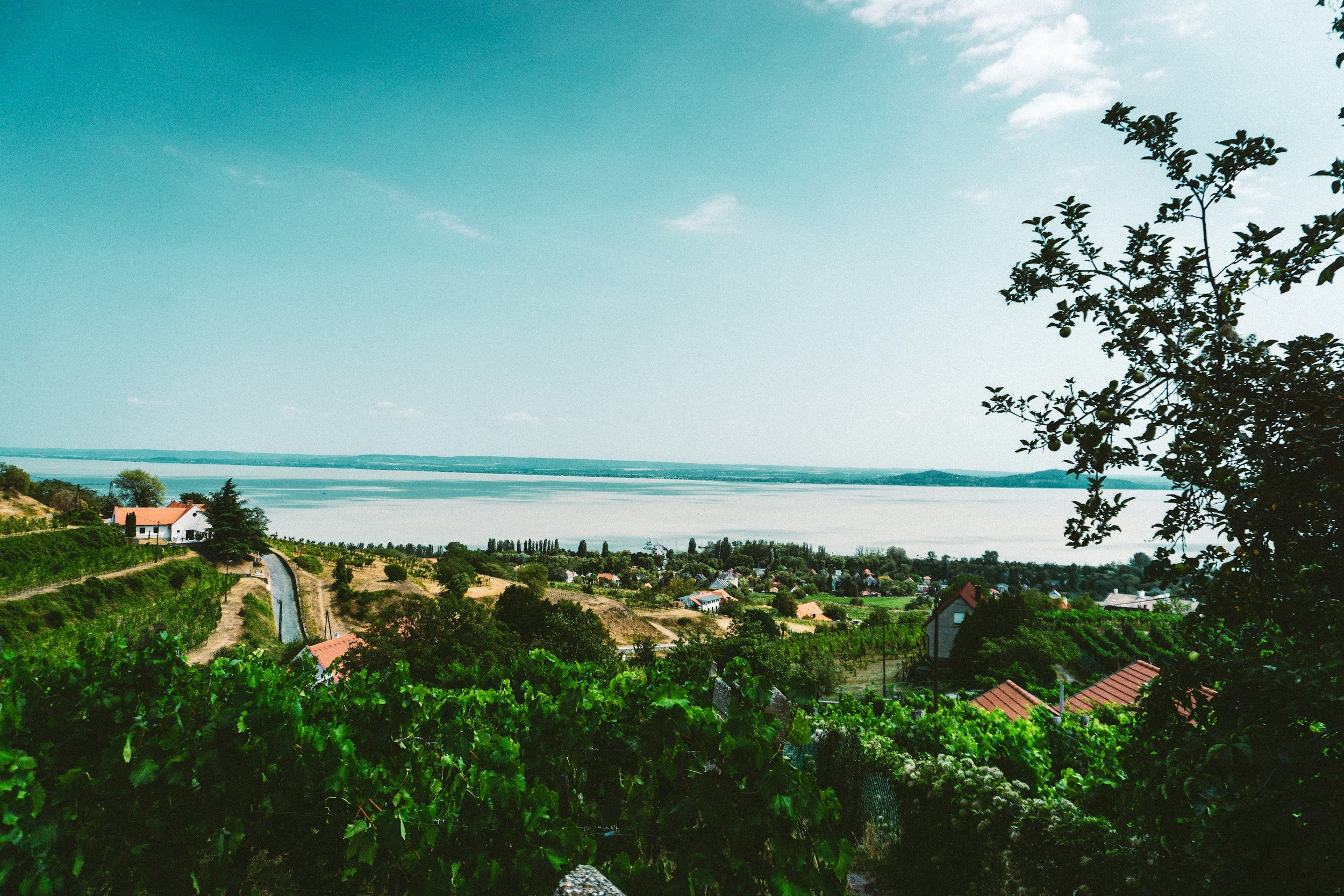
The wine harvest in the Tokaj region runs from late September through October and is one of the most distinctive seasonal experiences Hungary offers. If wine is a reason you are going, timing your visit around the harvest is worth the planning.
The Christmas markets in Budapest open in mid-November and run through late December. Vörösmarty Square and the square in front of St. Stephen's Basilica are the main ones and both are genuinely among the best in Central Europe.
Summer weekends at Lake Balaton are extremely busy with domestic tourists. If the lake is on your itinerary, weekdays or the shoulder months will give you a significantly better experience.
Getting Around in Hungary
Hungary is a centralized country in terms of travel infrastructure, which means almost all routes pass through Budapest. That is not a complaint for a first time visitor, just something worth knowing when you plan your route.
Budapest Liszt Ferenc Airport is the main international entry point for most visitors. It connects to major European cities and several transatlantic routes. The 100E express bus runs directly from both terminals to the city center, takes about 30 to 40 minutes, and is the cheapest and most reliable option for most visitors. Note that the 100E requires a specific airport shuttle ticket, not a standard travel pass. Taxis and private transfers are available at the arrivals hall. Use the Bolt app rather than flagging a cab to avoid being overcharged.
Getting to Hungary
Hungary has a reliable and affordable national rail network that connects Budapest to most major destinations in the country. Trains to Eger take about two hours. Lake Balaton is reachable in 90 minutes. Pécs is about three hours. Tokaj is roughly two and a half hours. For most intercity journeys, the train is the most practical and comfortable option. The MÁV app handles tickets and timetables and is worth downloading before you arrive.
Getting Around by Train
For destinations not well served by train, long distance buses fill the gaps. FlixBus and local operators connect cities and towns across the country at prices that are even lower than the already affordable rail fares. Reliable, comfortable, and a good option for routes where the train requires an inconvenient connection back through Budapest.
Getting Around by Bus
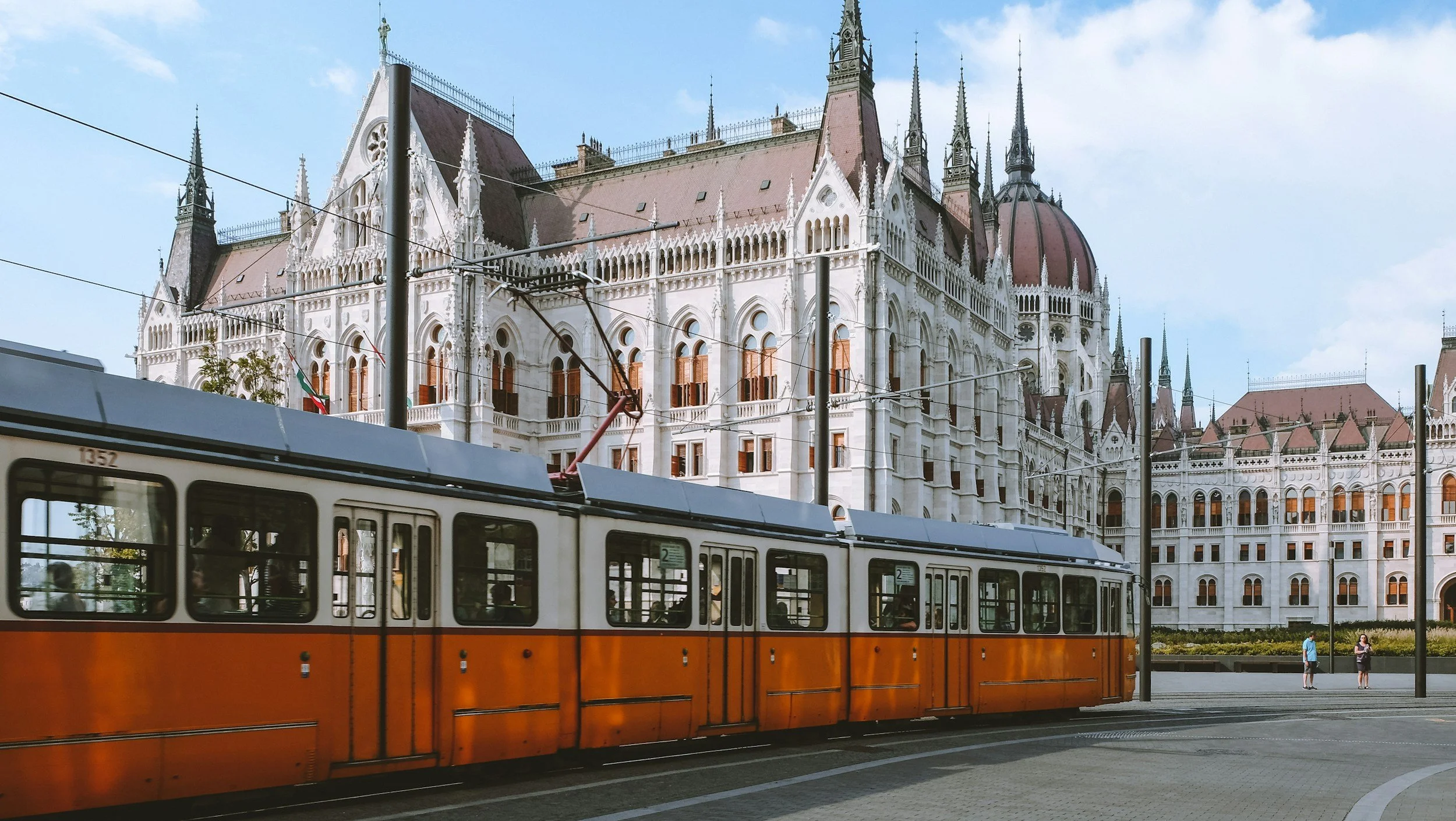
Budapest has an excellent metro, tram, and bus network that covers everything a first time visitor needs. Buy a 72 hour travel pass rather than individual tickets and download the BudapestGO app before you arrive. Validate your ticket. This point deserves repeating because it is the thing most likely to cost you money if you miss it. We got a fine on our trip because we did not understand the system. Learn from that before you arrive.
For taxis anywhere in Hungary, use the Bolt app. Uber does not operate in the country.
Getting Around Within Cities
A car is worth considering if your trip extends beyond Budapest into the countryside, the wine regions, or the smaller towns that are not well connected by public transport. Roads outside the cities are generally in good condition and driving is straightforward. Parking in Budapest itself is expensive and genuinely frustrating, so if your trip is primarily city focused, skip the car entirely and use public transport.
Renting a Car
Culture & Etiquette Basics
(How Not to Be That Tourist)
Hungary has a warmth to it that does not announce itself. People are not effusive or performative about it. They are simply considerate, deliberate, and quietly proud of a culture that has been building itself for over a thousand years. A few things are worth knowing before you arrive, not because Hungary is difficult to navigate but because understanding a place makes you a better guest in it.
1. The Ticket Validation Rule
This comes first because it is the most practically important thing on this list. You must validate your public transport ticket before or immediately upon boarding. There is no grace period and inspectors do not negotiate. Buy a travel pass for the duration of your stay and this stops being something you have to think about.
2. Do Not Clink Beer Glasses
This sounds like a joke and it is not. After Austria's defeat of the Hungarian revolution in 1848, the Austrians reportedly celebrated by clinking beer steins. Hungarians refused to repeat the gesture and the tradition has held for nearly 200 years. Clink wine glasses freely. When drinking beer, raise your glass without touching anyone else's.
3. Say Hello When You Enter
In shops, bakeries, and smaller restaurants, greeting the person behind the counter when you walk in is expected and noticed when it does not happen. A simple "hello" works in tourist areas. Jó napot, meaning good day, gets a warmer response almost everywhere.
4. Tipping
Ten to fifteen percent is standard in restaurants and expected in most sit-down dining situations. Unlike in some European countries, tipping is genuinely part of the dining culture here. The important thing to know is how to do it correctly: tell the server the total you want to pay, including the tip, rather than leaving money on the table. If your bill is 9,000 Forint and you want to leave a 1,000 Forint tip, say "10,000 kérem" when paying. Never say thank you when handing over cash without specifying an amount. In Hungarian custom, "thank you" while paying is understood as "keep the change," which may be more than you intended.
5. The Pace of Service
Hungarian restaurants do not rush you and nobody will bring the check until you ask for it. This is not slow service. It is just how dining works here, and across most of Europe. When you are ready to leave, catch your server's eye and ask for the bill, számlát kérem. Sitting with an empty plate waiting for the check to appear on its own will leave you waiting a long time. Once you adjust to the rhythm it is one of the more civilized things about eating in Hungary.
6. The Thermal Bath Rules
Hungary has more thermal springs than almost any country in Europe and bathing culture is woven into everyday life across the country, not just in Budapest. The rules are consistent wherever you go. Swim caps are required in the lap pools at most bath complexes, not in the thermal soaking pools but in the swimming pools specifically. Shower before entering any pool. This is not optional. Lockers are the standard option for storing belongings and are included in most entry tickets. Book your entry in advance at the more popular baths, especially on weekends, and plan to spend at least three hours.
Where to Go in Hungary
My firsthand experience in Hungary is three days in Budapest. The destinations below are the places most worth knowing about for a first trip or a return visit, researched thoroughly and presented honestly as places I have not yet been but intend to go back for. Each will get its own full page as we experience them.
Budapest
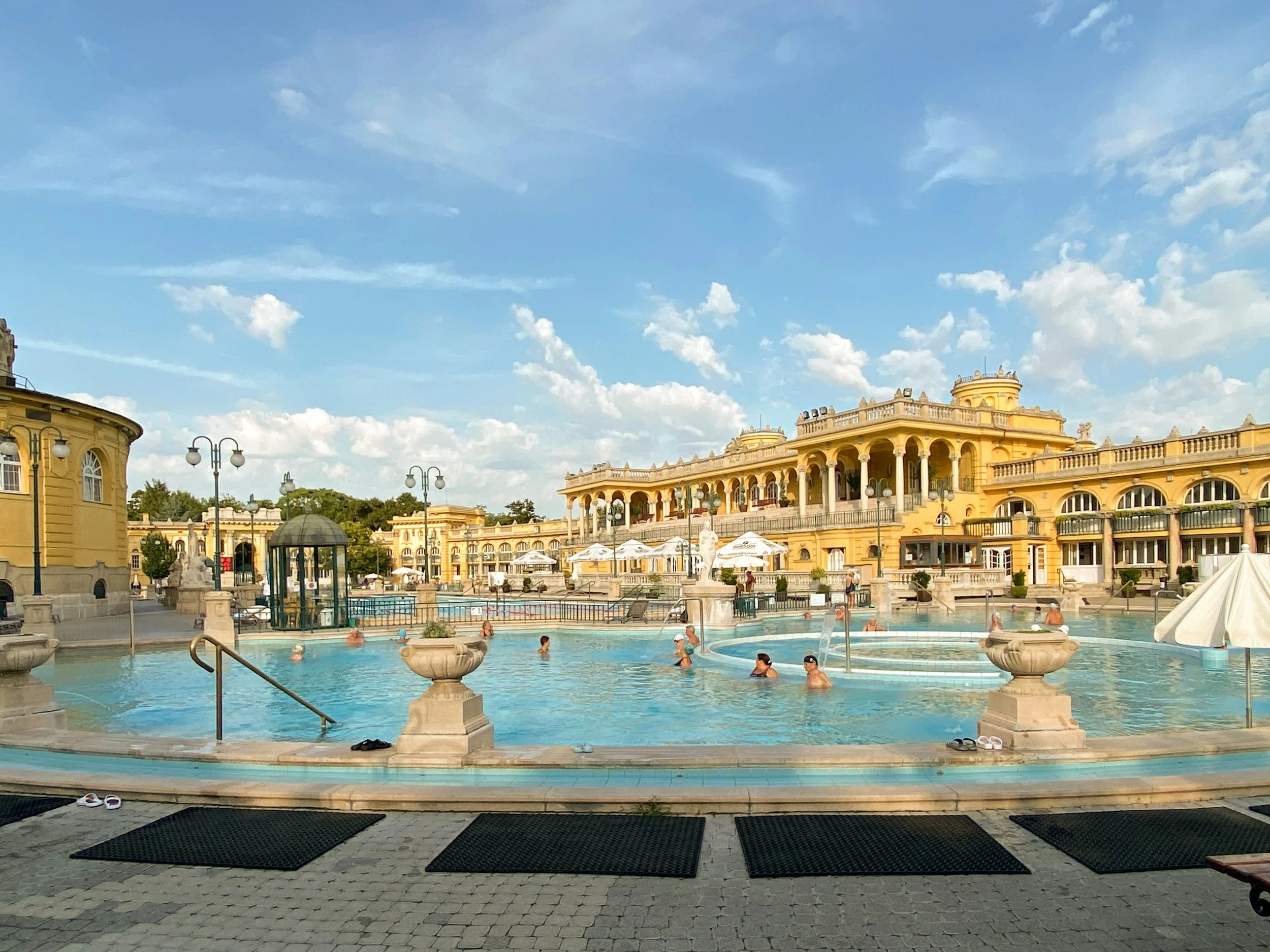
The entry point for almost every first trip to Hungary and the right place to start. Grand architecture, thermal baths, the Parliament building, the ruin bars of District VII, and food that earns its reputation across every meal. Three days covers the city well. Full guide on the Budapest page.
Lake Balaton
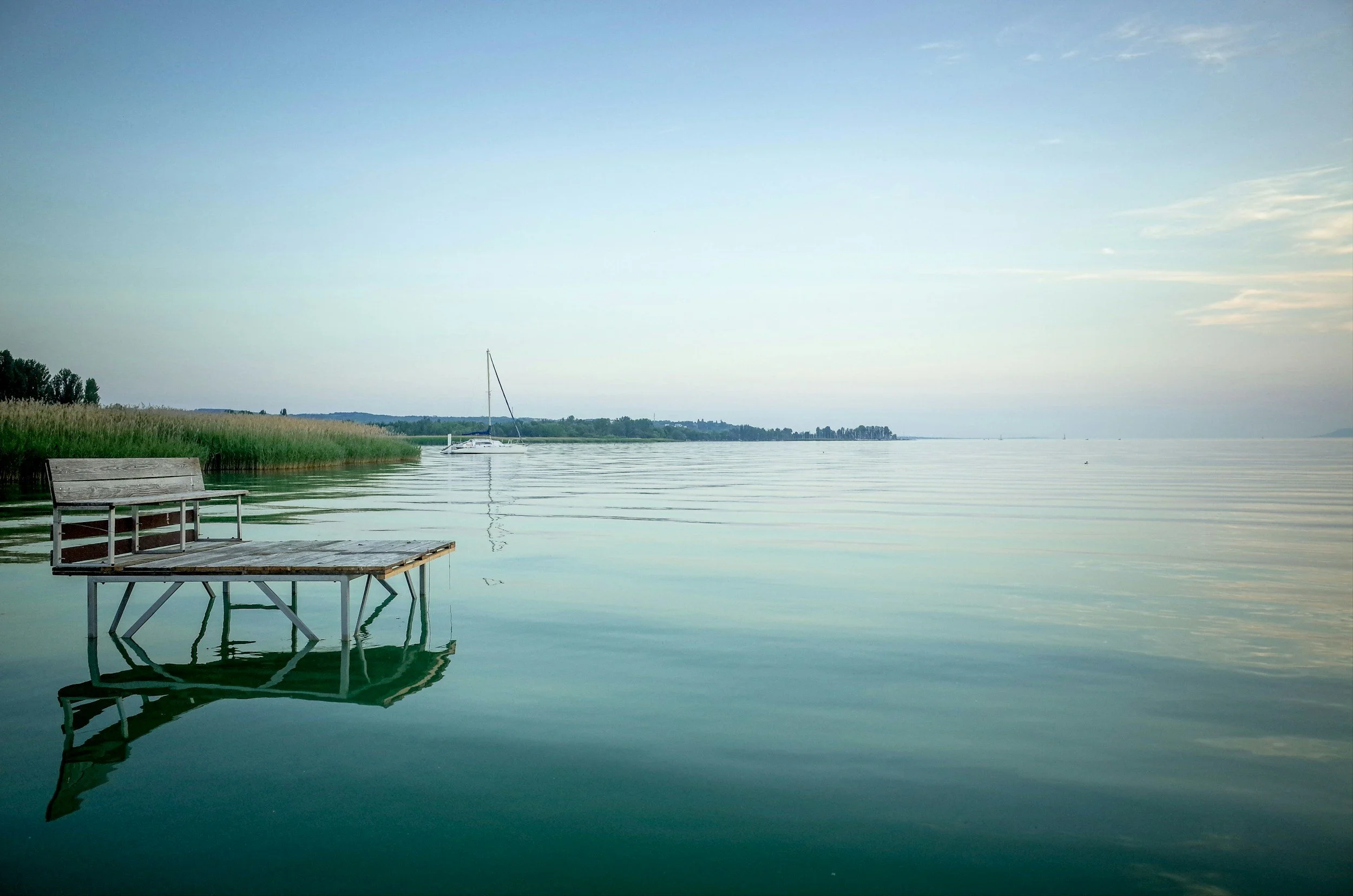
Hungary's largest lake, known as the Hungarian Sea, sits about 90 minutes from Budapest by train and is the country's most popular domestic destination. The northern shore is quieter, with rolling vineyards, hilltop views, and the Benedictine monastery at Tihany. The southern shore around Siófok is livelier, with beaches, bars, and a summer energy that draws Hungarians in large numbers. Worth knowing about for a longer first trip or a return visit when you want something slower than Budapest.
Eger
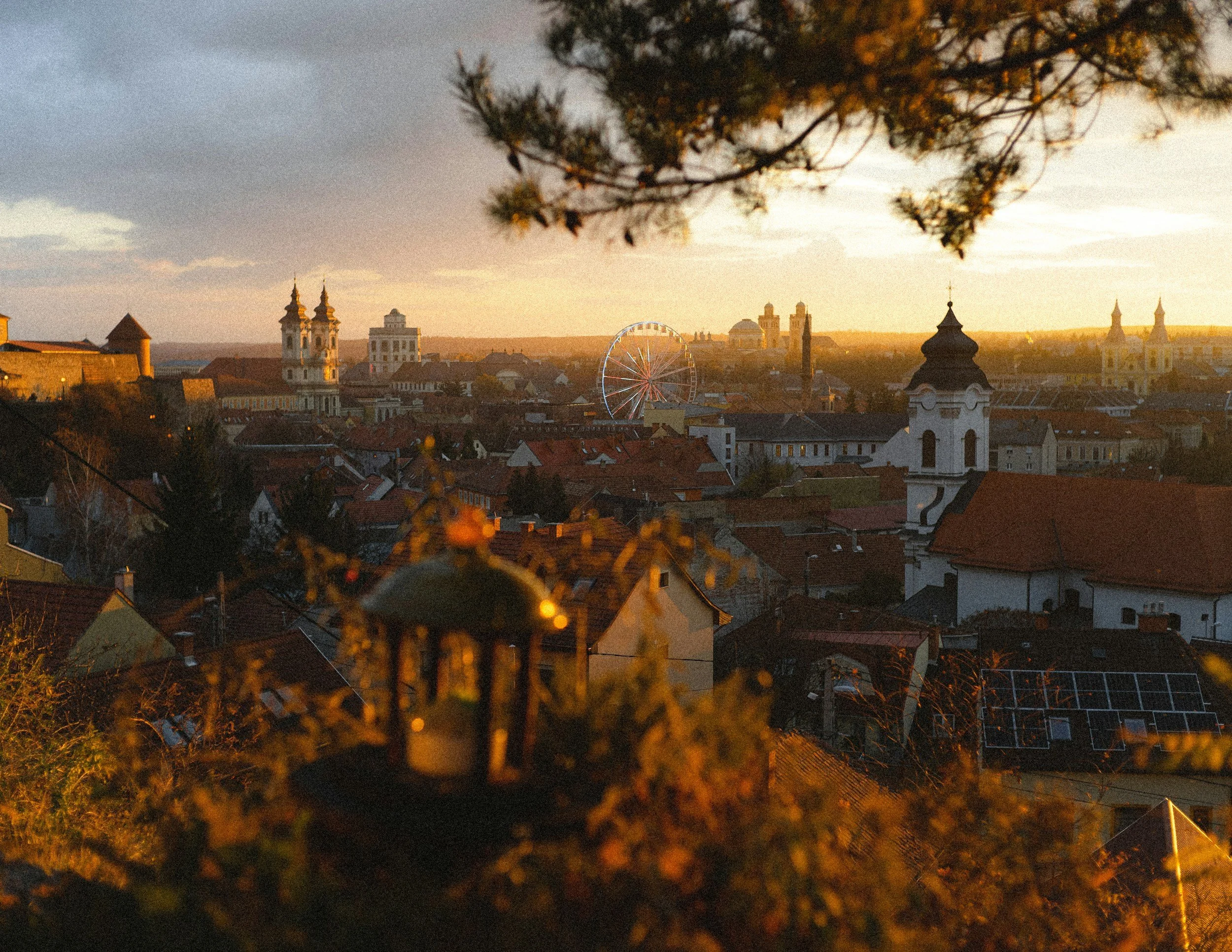
Consistently the destination that people who know Hungary well recommend first. A historic town in the northeast with a striking castle, Baroque palaces, and the remains of Turkish-era settlements layered underneath everything. The wine here is what most people come for. Eger produces Bull's Blood, Hungary's most famous red, and the wine bars in the valley below the castle are the right place to try it. About two hours from Budapest by train.
Tokaj
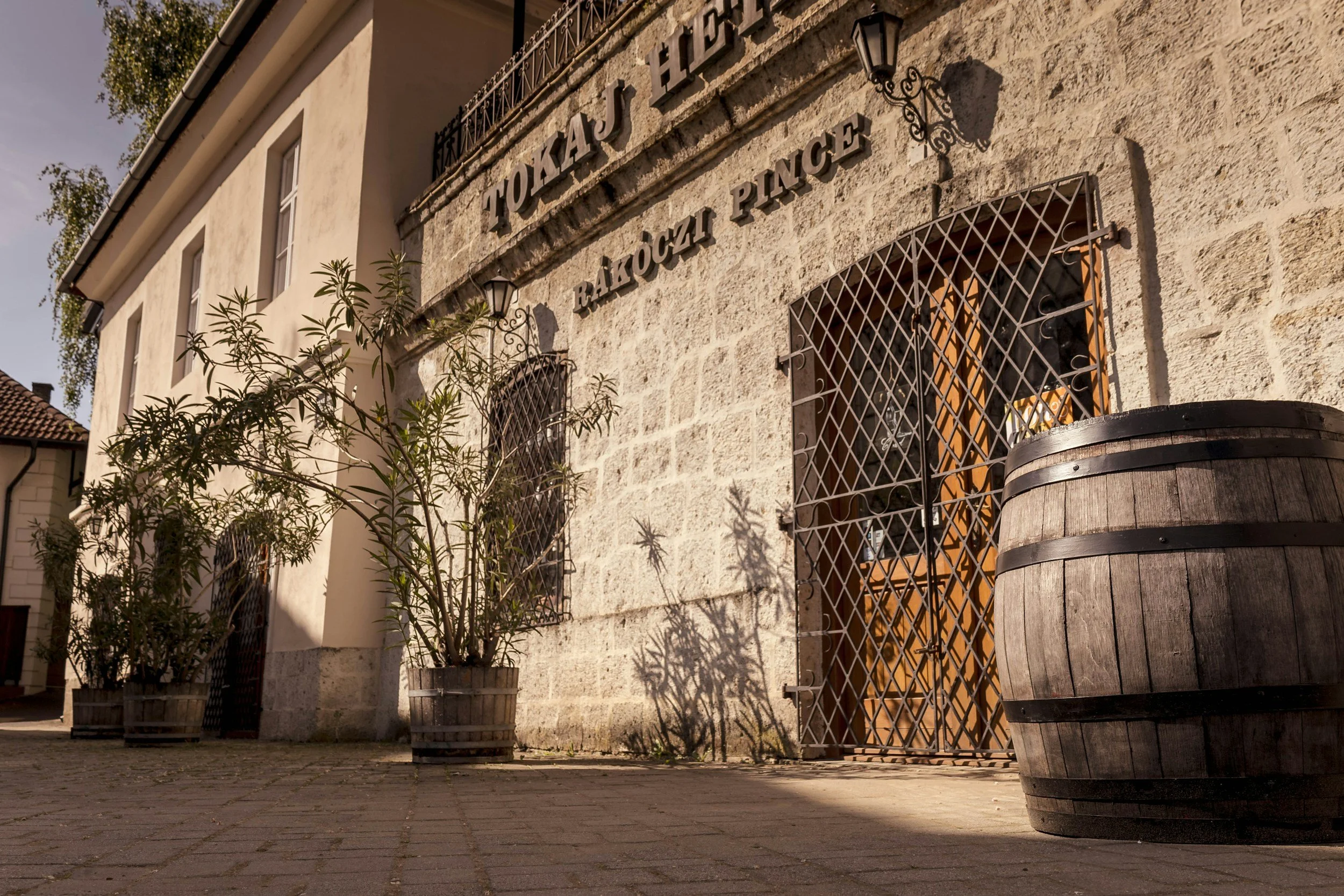
One of the oldest classified wine regions in the world, in the northeastern corner of the country. The volcanic soil and river mists produce the Tokaji Aszú, a botrytised dessert wine that has been called the wine of kings for several centuries. The region is small, the cellars are ancient, and the experience of tasting it where it is made is completely different from ordering it elsewhere. A natural addition to a trip that already includes Eger.
Szentendre
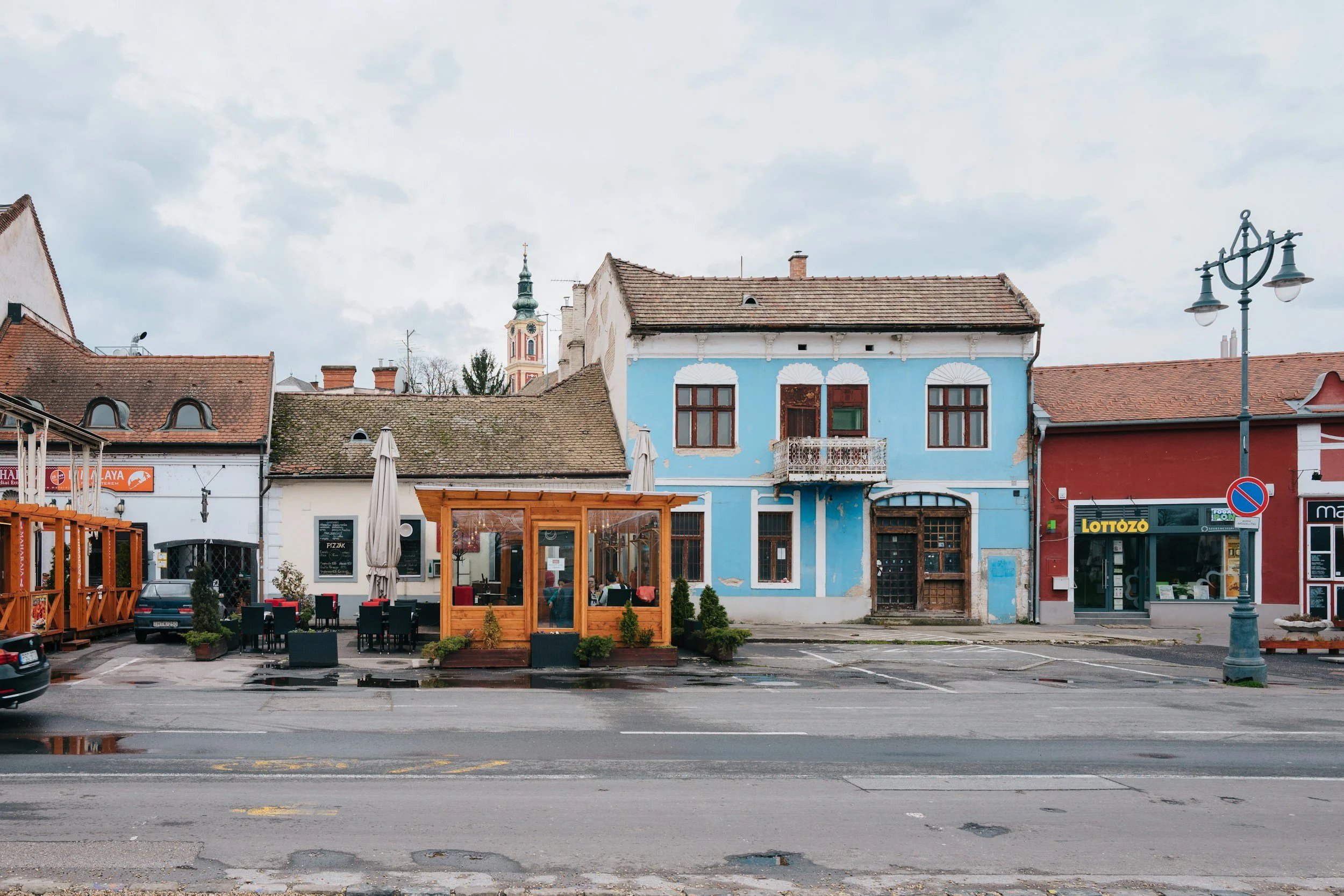
A pastel-painted riverside town on the Danube just north of Budapest, reachable by suburban train in under an hour. Known for its artists, its galleries, and its artisan shops, with a pace that feels completely removed from the capital despite being so close to it. A good half day trip if you want something gentle between bigger days in the city.
Pécs
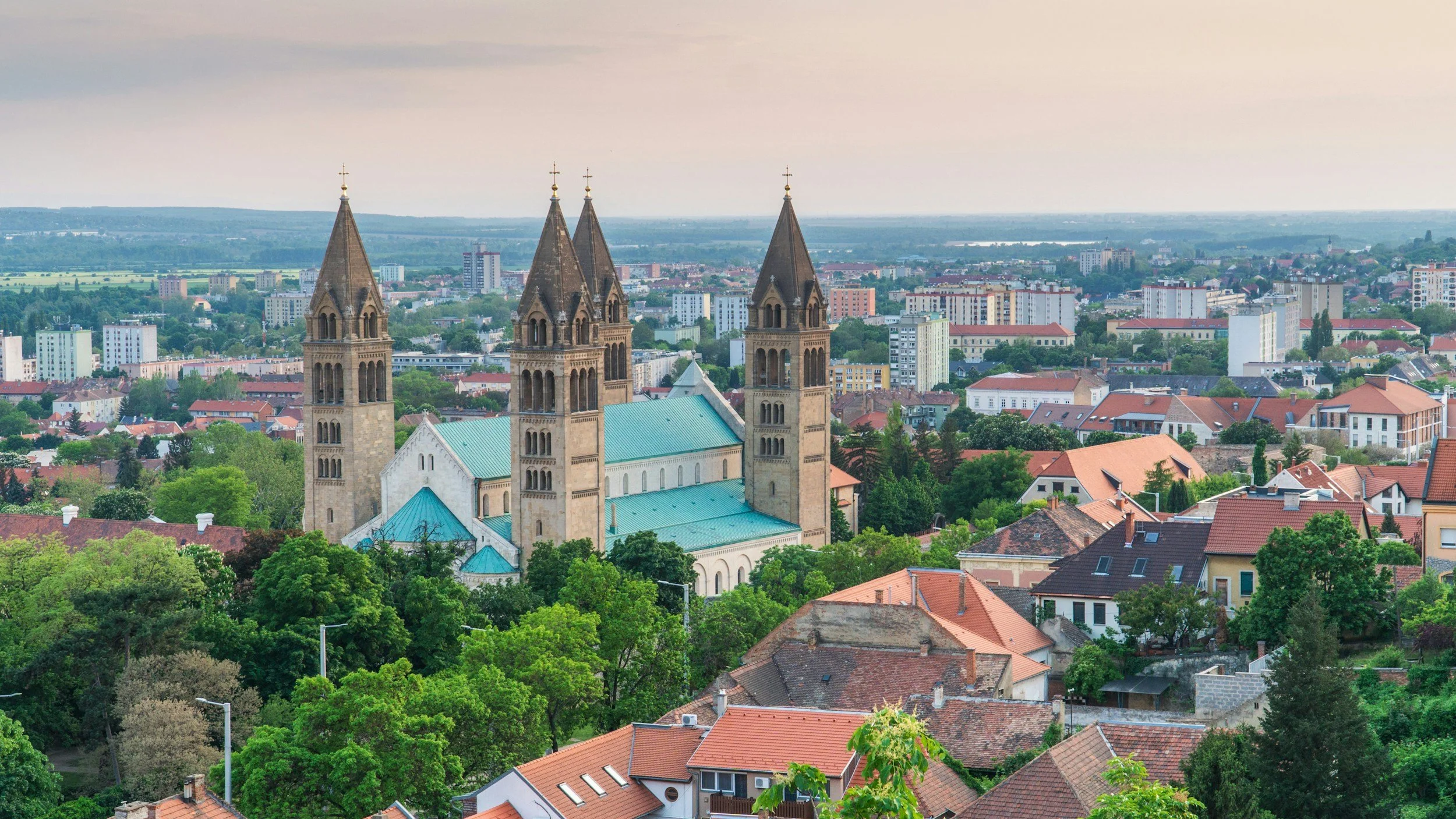
In the south of the country near the Croatian border, Pécs is one of Hungary's most culturally layered cities. Roman ruins, Ottoman mosques converted to churches, Baroque architecture, and a university energy that makes it feel livelier than most provincial Hungarian cities. The Zsolnay Cultural Quarter, built around the ceramics factory that produced the distinctive tiles on many of Budapest's most famous rooftops, is reason enough to visit on its own.
My Biggest Surprise the First Time in Hungary
Nobody Was Performing for Anyone
I did not expect to feel at home in Hungary. I did not expect to feel anything in particular, honestly. It was a stop on a longer trip, a country I had thought about less than almost anywhere else we visited that year, booked because the timing worked and the flights made sense.
And then we walked through a park.
I cannot tell you which one. I am not sure it matters. What I remember is the specific quality of what was happening inside it. People sitting on benches reading. A couple eating lunch without looking at their phones. An older man feeding birds with the focused patience of someone who had been doing it his whole life and intended to keep doing it. Children moving the way children move when nobody has told them to perform.
Nobody was performing for anyone.
That sounds like a small thing. It is not. In a lot of cities, especially beautiful ones, especially ones that know they are beautiful, there is an ambient self-consciousness to public life. People in famous places tend to act like they are in famous places. Hungary did not do that. The country was going about its day completely indifferent to the fact that we were there watching it, which somehow made us feel less like tourists and more like people who had simply ended up somewhere real.
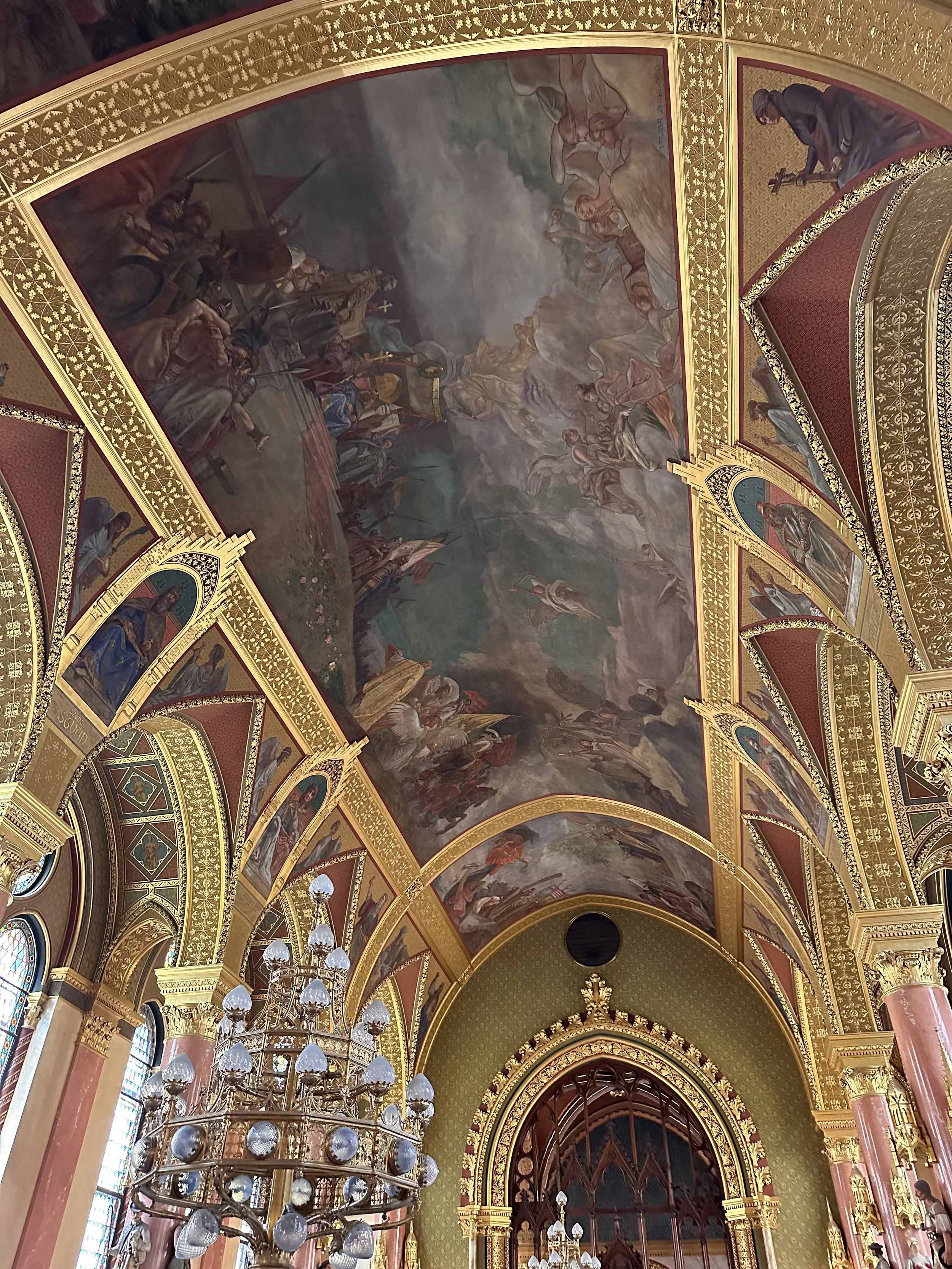
It is the same quality that shows up in the architecture if you slow down enough to look at it. The details on buildings that most cities stopped bothering with generations ago. The craftsmanship in rooms that were built to outlast everyone who would ever stand inside them. Hungary does not do anything halfway and it does not announce that fact. It just builds things carefully and feeds people well and goes about its business, and if you are paying attention, you start to understand that this is a place with a very clear sense of what it values and no particular interest in explaining itself to you.
That kind of quiet confidence is rarer than it sounds. It is also, I think, exactly why the country felt like somewhere I could have stayed. Not visited. Stayed.