
Your First Time in Switzerland
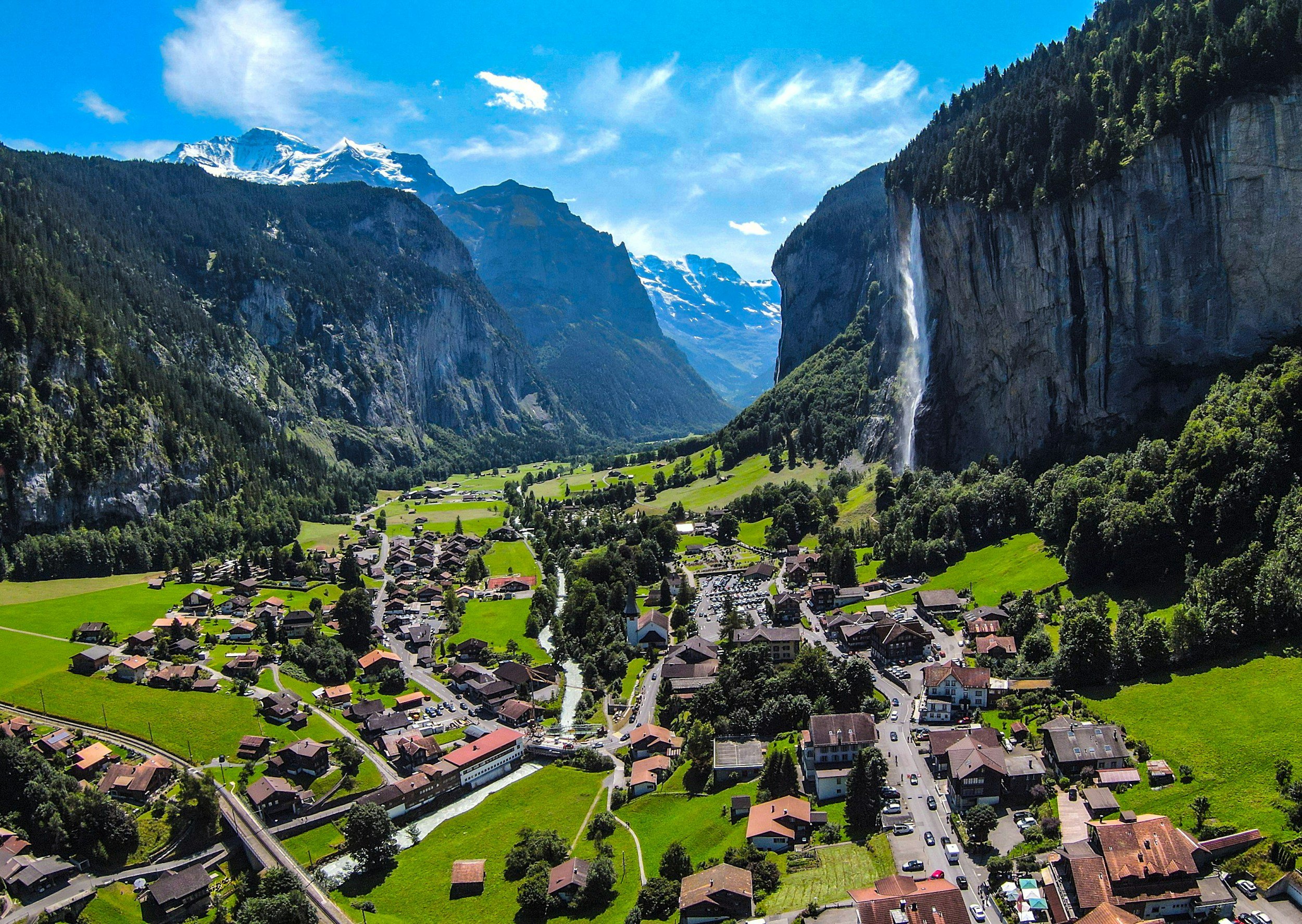
Switzerland is one of those places that looks exactly like you imagined and then somehow still manages to surprise you.
The lakes are that color. The trains really do leave at the exact minute on the board. The mountains are bigger than the photos suggested and the villages are quieter than you expected. Everything you thought Switzerland would be turns out to be true, and then the country finds ways to be more than that on top of it.
This is not a destination you need to optimize. It rewards slowing down more than it rewards seeing everything, and the people who get the most out of it are usually the ones who left more space in the schedule than they thought they needed.
Below you will find guides for every Swiss destination on the site. Start with the country page to understand the basics, then pick your cities.
What to Know Before Visiting Switzerland
-
Yes, honestly. Switzerland is one of the more expensive countries in Europe and there is no real way around that. Dining out, mountain excursions, and city parking are where you feel it most. What is worth knowing is that the cost tends to come with a level of quality and reliability that is hard to argue with. Trains run on time, food is good, infrastructure works. It is expensive in a way that feels intentional rather than just inflated. Where you can save: grocery stores and market snacks over sit-down lunches, comparing pass costs against single tickets before you buy, and booking mountain excursions in advance where discounts are sometimes available.
-
It depends on your passport. Switzerland is part of the Schengen Area, which means many nationalities can enter visa-free for up to 90 days within any 180-day period. US passport holders do not need a visa for tourist stays. For everyone else, check the Swiss embassy website or the official Schengen visa portal before you book, and make sure your passport is valid for at least six months beyond your travel dates.
-
Very safe, and genuinely so. Violent crime is rare and most first time visitors are surprised by how relaxed the country feels to move around in, including late at night. The main thing to watch for is petty theft in crowded train stations and busy tourist areas, which is the same advice you would get for any major European city. Keep your bag zipped, stay aware on busy platforms, and you will be fine.
-
Bring some, but cards will cover most of your trip. Hotels, restaurants, and shops in cities are all fine with contactless. Where cash matters is for smaller mountain kiosks, public toilets, and the occasional tiny vendor off the main tourist track. Switzerland uses the Swiss franc (CHF), not the euro, so sort that before you arrive. One exception worth knowing: many places in Geneva accept euros, though you will usually get change back in francs. ATMs are easy to find in cities and towns. Use a bank ATM rather than a standalone machine to avoid unnecessary fees, and let your bank know you are traveling before you leave.
-
Yes, in most places a first time visitor will spend time. Cities, hotels, train stations, and tourist areas are all comfortable in English. In smaller rural villages you may find fewer people who default to it, and making the effort to use a local greeting goes a long way. Switzerland has three main language regions: German in the north and center, French in the west, and Italian in the south. A simple Grüezi, Bonjour, or Buongiorno depending on where you are will be noticed and appreciated. In Geneva specifically, English is less universally spoken than in Zurich or Lucerne, so a few French basics are worth having.
-
It depends on how you are traveling. The pass covers trains, boats, city transport, and some mountain excursions across the country and makes sense if you are moving between multiple regions over several days. If you are staying in one area, a regional pass will often work out cheaper. The clearest way to decide is to map out your actual route, price it in single tickets on the SBB website, and compare. One thing to know regardless: some scenic trains, including the Glacier Express, require a seat reservation even with a pass. And some mountain excursions, like the Schilthorn gondola in Interlaken, require a paid ticket no matter what pass you have. Check before you assume.
The Best Time of the Year to Visit Switzerland
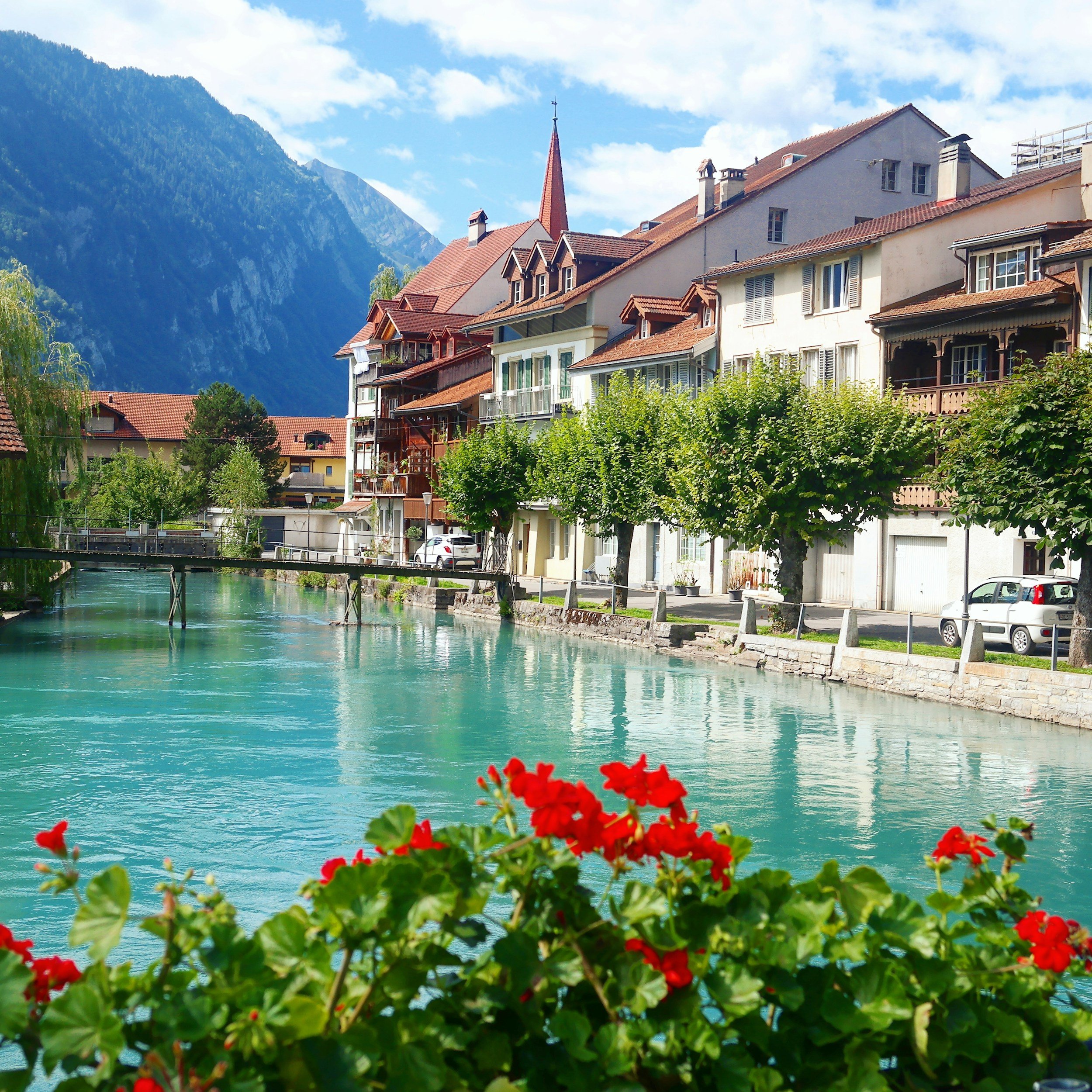
If you want your first trip to look like the postcards, lakes, green valleys, snow on the peaks, and actual time outside, aim for late May to early October. That is when boats are running, most lifts and mountain trails are open, and you can actually see the views you flew here for. July and August feel the most "summer in Switzerland" but also come with the highest prices and the most people on the same trails and trains as you.
The Honest Breakdown by Season
Late May and June is the quiet version of summer. The valleys are green, snow is still sitting on the higher peaks, and most things are open without the full crowd that arrives in July. If you want the classic Switzerland look without feeling like you are sharing it with everyone else who had the same idea, this window is worth considering.
July and August are peak in every sense. The lakes are warm enough to swim in, the days are long, every lift and boat is running, and the mountain views are at their clearest. It is also the most expensive time to go and the busiest on trails, trains, and at viewpoints. If that is when you can travel, go. Just book early and expect company.
September into early October is the version most people who have been to Switzerland multiple times will quietly tell you is their favorite. Cooler, calmer, and often sharper light. The summer crowds have thinned, prices come down slightly, and the hiking is still genuinely good for most of the month.
When I Would Not Go For a First Trip to Switzerland
November is the gap between seasons and it shows. Too late for the hikes and lake experiences that define a classic first trip, too early for proper ski season. A lot of mountain lifts close, smaller hotels shut down, and the weather tends toward grey and damp without the payoff of snow. It is not a bad time to be in a Swiss city, but it is probably not what you are imagining when you picture Switzerland.
Deep winter, January and February specifically, is beautiful if skiing is the point. If it is not, the short days and closed mountain infrastructure make it hard to do much of what most first time visitors come for. Worth knowing before you book around a cheap flight.
Worth Planning Around
The Jungfrau region hiking window runs roughly mid-June to late September. Outside of that, trails at higher elevations are either still snowbound or starting to close. If mountain days are a priority, and they should be on a first trip, plan your dates around this window rather than around flights.
The Christmas markets in Zurich, Lucerne, and Basel are some of the best in Europe and worth planning around if a cozy city-focused first trip sounds more appealing than lakes and hikes. Late November through December the cities feel entirely different and entirely worth it in their own right.
A Note on Trip Order
This one does not come up in most Switzerland guides but it is worth knowing before you plan your route. The order you visit Switzerland in matters more than you might expect. Moving from Zurich to Lucerne to Interlaken to Geneva feels natural because each destination is different enough from the last to feel like a new experience. Doing it in reverse, starting with the mountains and ending in the city, means Geneva will almost always feel like a letdown, not because Geneva is not worth visiting but because nothing compares well to Interlaken when you have just come from there. Plan your route so the mountain destinations land in the middle or at the end of the Switzerland leg, not right before a city stop.
Getting Around in Switzerland
Getting around Switzerland is straightforward in the best way. You can do an entire trip on trains, boats, buses, and cable cars and never feel like you are figuring it out. It is one of the few places where "just take the train" is actually the right answer most of the time. The network is clean, on time, and built for exactly the kind of route most first time visitors do: cities, lakes, then up into the mountains. A car is optional here, not a requirement.
The SBB Mobile app is the main tool you need. Timetables, platforms, tickets, and real-time updates all in one place. Download it before you arrive and you will not need much else for getting around.
In cities, trams, buses, and local trains usually run on a single integrated ticket. In mountain areas the network shifts into something more interesting: cogwheel trains that climb impossible gradients, gondolas that lift you above the treeline, boats that cross lakes on schedules timed to connect with trains on the other side. It sounds like it should be complicated. It is not. The connections are built to work together and they do.
One thing worth knowing before you go: several cities and regions issue free transport cards to hotel guests automatically at check in. Lucerne has one that covers local buses and trains including the bus to Mt. Pilatus. Geneva has one that covers all public transport for your entire stay. Ask your hotel about it the moment you check in and do not buy separate tickets before you have it.
Trains, Trams & Mountain Transport
The Swiss Travel Pass
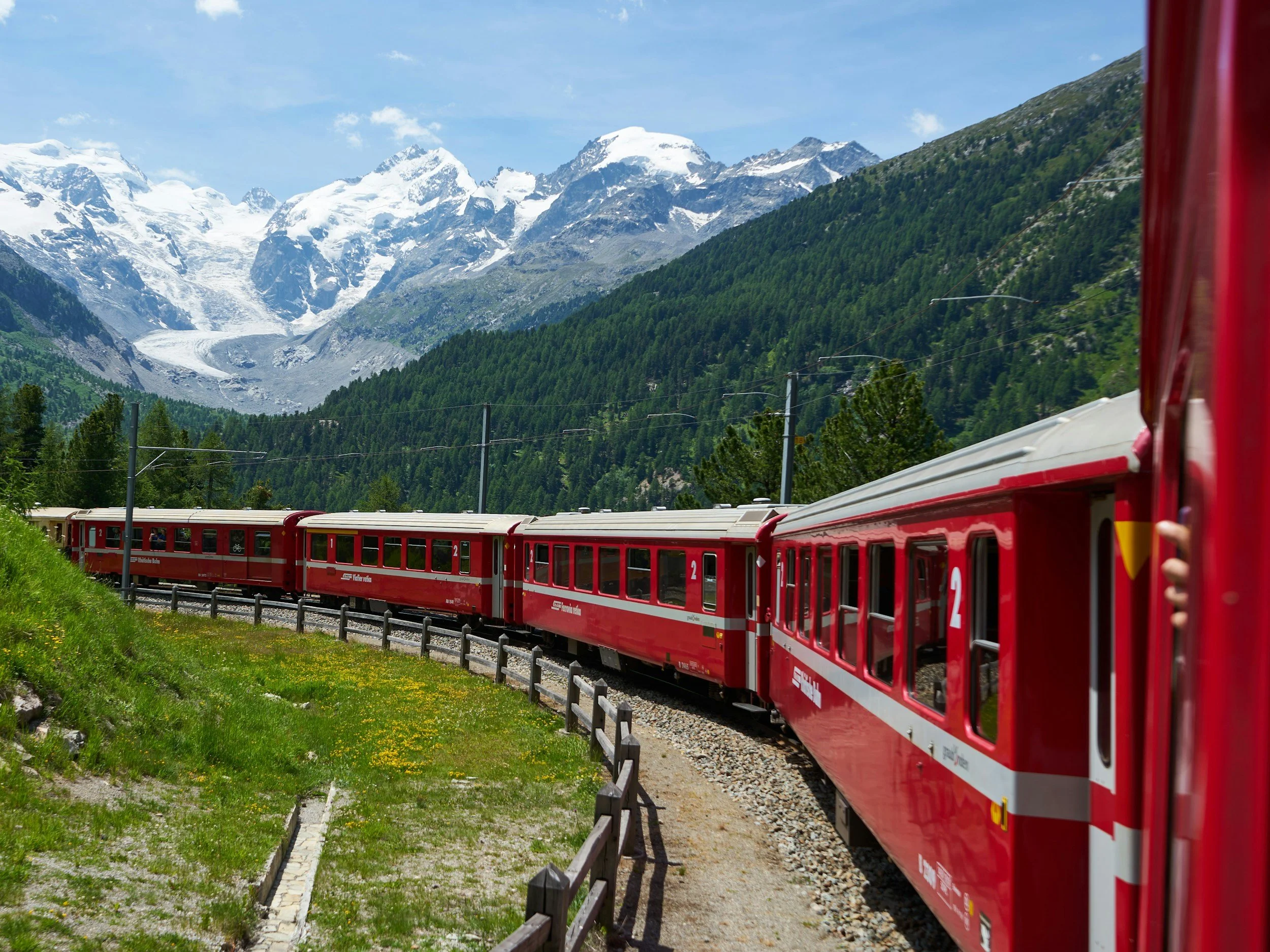
The Swiss Travel Pass covers trains, boats, city transport, and some mountain excursions across the whole country. It makes sense if you are moving between multiple regions, doing at least a few cities plus a lake or mountain area, and planning to use transport most days. If you are staying in one area for most of your trip, a regional pass specific to that area will often work out better. The Jungfrau region and the area around Lucerne both have good ones.
Run the numbers based on your actual route before you buy. The SBB website has a journey cost calculator that makes this straightforward. And check the small print: some scenic trains including the Glacier Express require a seat reservation even with a pass, and some mountain excursions like the Schilthorn gondola require a paid ticket regardless of what pass you have.
You do not need one for most classic first time routes. The train network reaches places that feel like they should only be accessible by road, parking in cities is expensive and genuinely annoying, and a handful of mountain villages are car-free entirely. Where a car actually helps is if you are staying in remote chalets, chasing tiny villages well off the main lines, or trying to move through rural areas on your own schedule. If that describes part of your trip, renting for just those days rather than the whole trip is usually the smarter move.
Renting a Car
Culture & Etiquette Basics
(How Not to Be That Tourist)
1. Tipping
Service charges are already included in Swiss prices, so nobody expects the 20% you might leave at home. In restaurants, rounding up the bill or leaving 5 to 10% for genuinely good service is plenty. For coffee or a taxi, rounding up to the next franc is enough. The Swiss are not going to be offended if you tip American-style, but you are also not expected to.
2. Greetings
Switzerland has three main language regions, and the greeting changes depending on where you are. German areas: Grüezi. French areas: Bonjour. Italian areas: Buongiorno. In heavily touristed spots, a simple hello works fine. But making the small effort to use the local word when you walk into a shop or café is noticed and appreciated. Say hello when you enter. Say goodbye when you leave. It costs nothing and matters more than you would think.
3. Trains and Public Spaces
Swiss trains are quiet in a way that can feel slightly surreal if you are coming from somewhere louder. People keep their voices low, phone calls are short or taken between cars, and some carriages have a designated quiet zone where conversation is genuinely discouraged. This is not unfriendliness. It is just the rhythm here. Match it and you will feel less like a visitor.
4. Dining
Nobody is going to rush you. Restaurants in Switzerland do not turn tables the way places in busier cities do, and the check will not appear until you ask for it. Take your time, split the bill if you need to (completely normal), and ask for tap water specifically if you want it. In German speaking areas ask for Leitungswasser, in French speaking areas ask for eau du robinet. If you do not ask, you will likely get bottled water and a charge for it.
5. Sundays
This one catches a lot of people off guard. Most shops in Switzerland are closed on Sundays, not just in small towns but in cities too. Restaurants and cafés are generally open, museums are open, and trains run on their normal schedule. But grocery stores, boutiques, and pharmacies are mostly shut. If you need anything, the shops inside major train stations are the exception and are open seven days a week. Plan your Saturday accordingly.
6. Time
If a train is scheduled for 8:38, it leaves at 8:38. Not 8:40, not "roughly 8:40." Swiss public transport runs on an exactness that feels almost aggressive until you realize how much easier it makes everything. The same applies to tours, restaurant reservations, and any organized experience. Be a few minutes early. Do not assume anyone is waiting for you if you are late, because they are probably not.
Where to Go in Switzerland
My firsthand experience covers four cities, Zurich, Lucerne, Interlaken, and Geneva, strung together along the train route that makes Switzerland such a joy to travel. Those four have full guides linked below, in the order we did them, which is the natural arc for a first trip. After them, I have flagged the major parts of Switzerland we did not reach, honestly, as places to know about rather than ones I am going to pretend I have seen. Each will get its own full page as we go back and see more.
Zurich
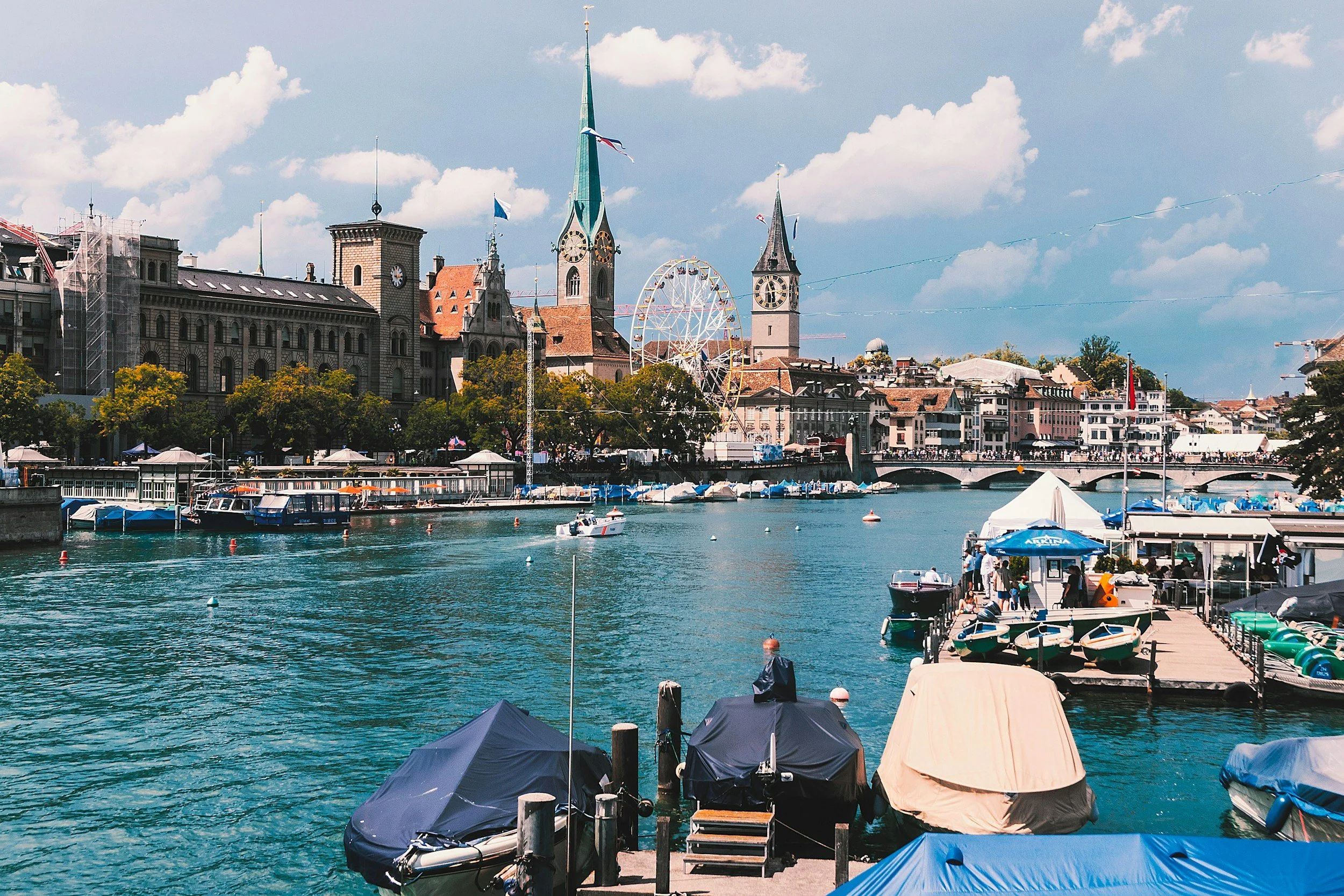
The usual entry point and a polished, walkable introduction to the country. The old town, the lake, the river you can swim in summer, and some of the best chocolate in Switzerland. A clean, easy place to find your feet before the mountains. Full guide on the Zurich page.
Lucerne
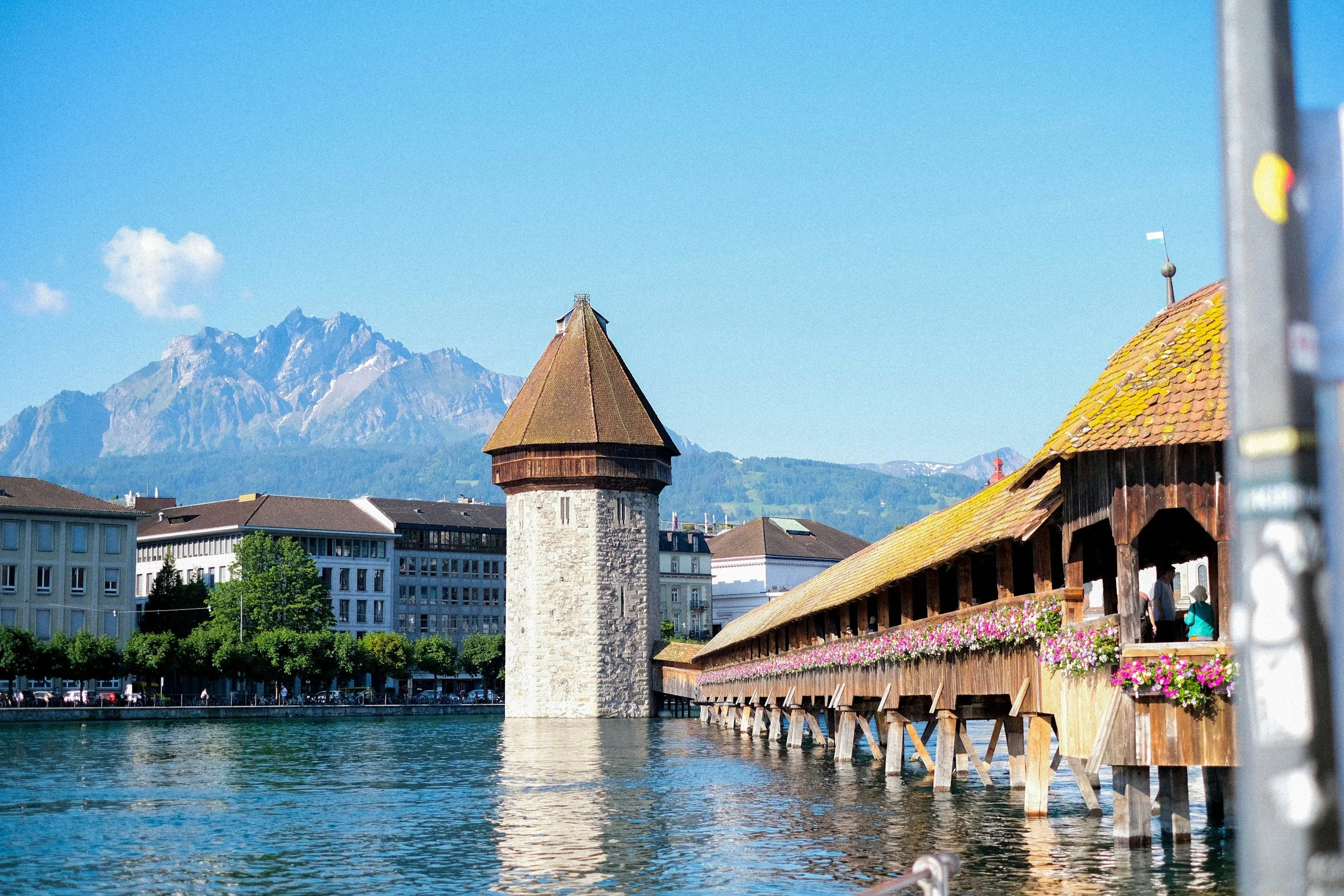
The postcard of central Switzerland, a medieval old town wrapped around a lake and ringed by peaks. The covered wooden bridge, the painted houses, and the launch point for Mt. Pilatus and Mt. Rigi. One of the most charming small cities in the country. Full guide on the Lucerne page.
Interlaken
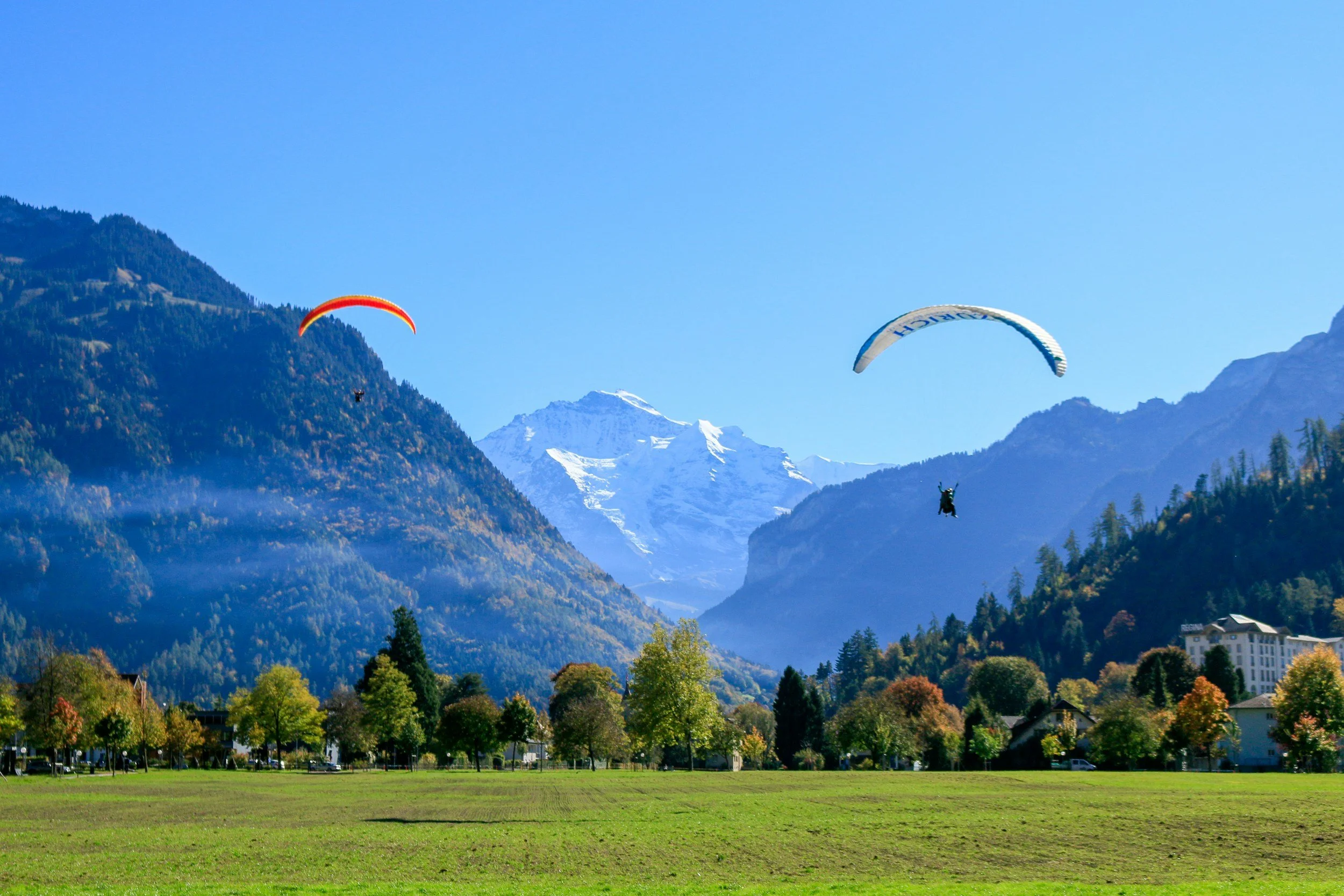
The adventure heart of the Bernese Oberland, sitting between two lakes beneath the Eiger, Mönch, and Jungfrau. This is the base for the high alpine, Grindelwald, Lauterbrunnen, the Jungfraujoch, and the mountain that stole the whole trip for me. If you came to Switzerland for the Alps, this is where you feel them most. Full guide on the Interlaken page.
Geneva
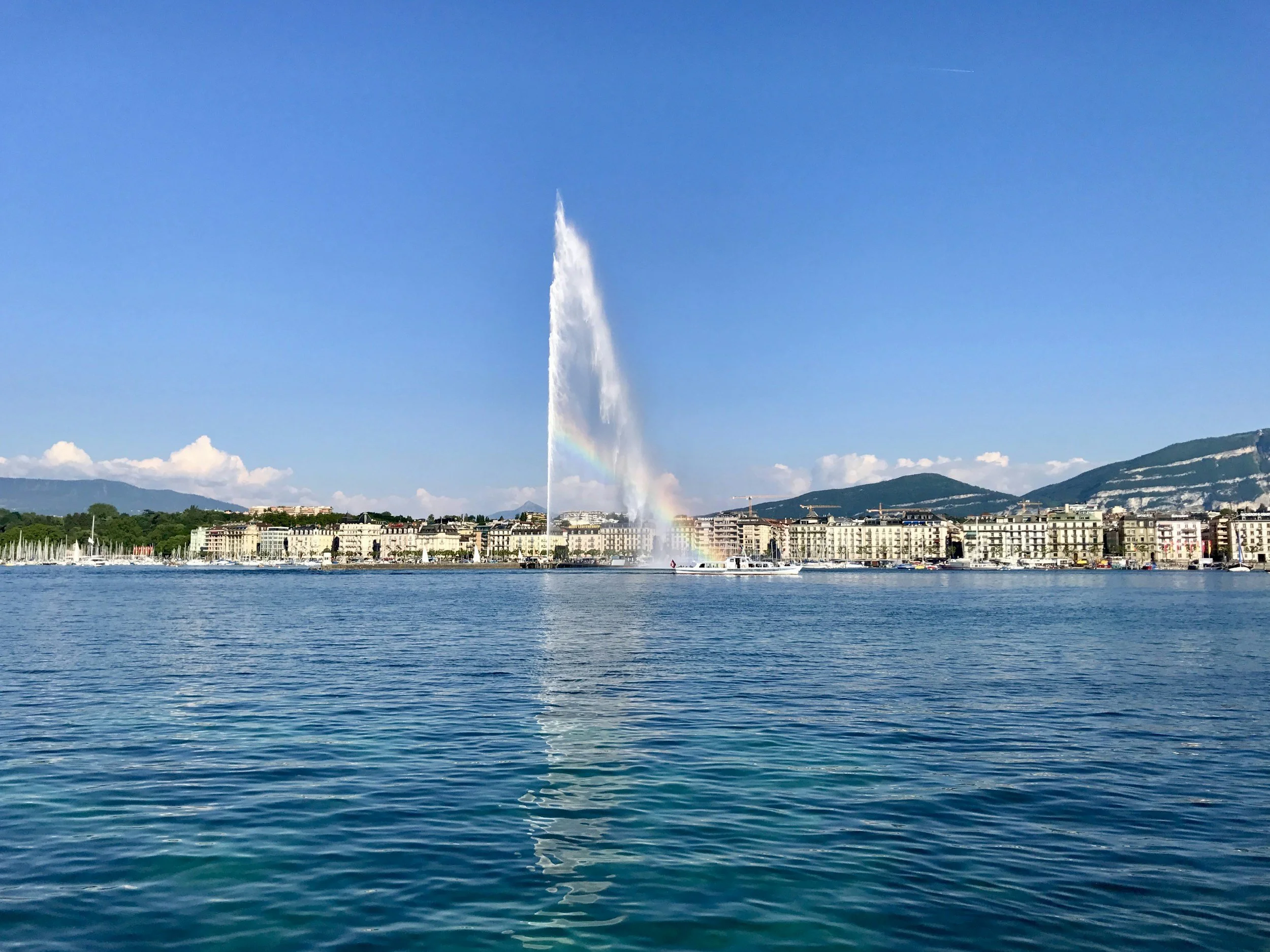
The French-speaking city at the far end, more international and urbane than the rest, set on its namesake lake with the famous fountain and the Alps in the distance. A different gear from the mountain towns, and a graceful place to end the journey. Full guide on the Geneva page.
Bern
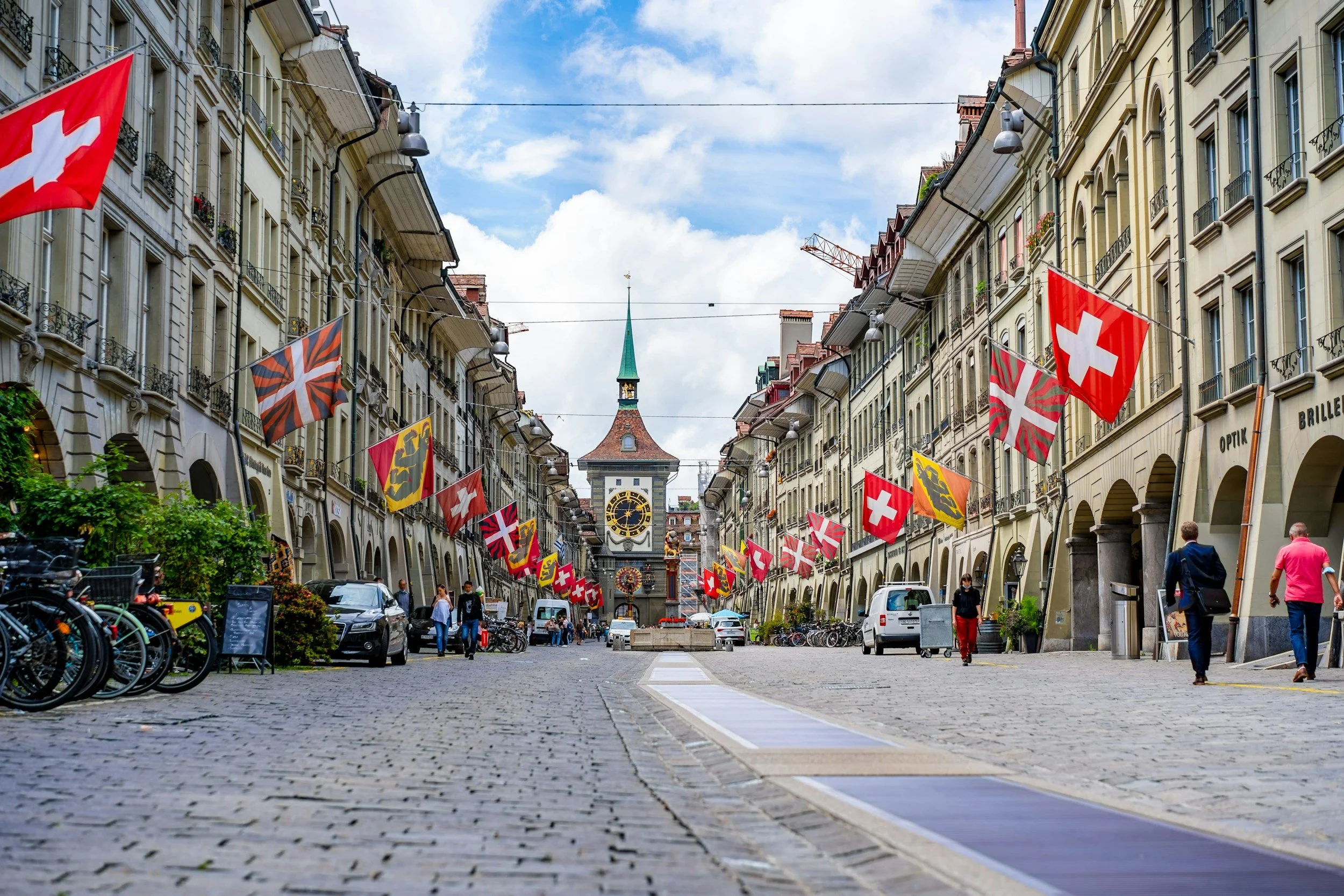
The capital, and a genuine surprise to most first-timers who skip it. A perfectly preserved medieval old town wrapped in a bend of the river, with arcaded streets, the clock tower, and the bears the city is named for. Easy to reach on the main rail line and an easy and rewarding stop between the other cities.
Zermatt and the Matterhorn
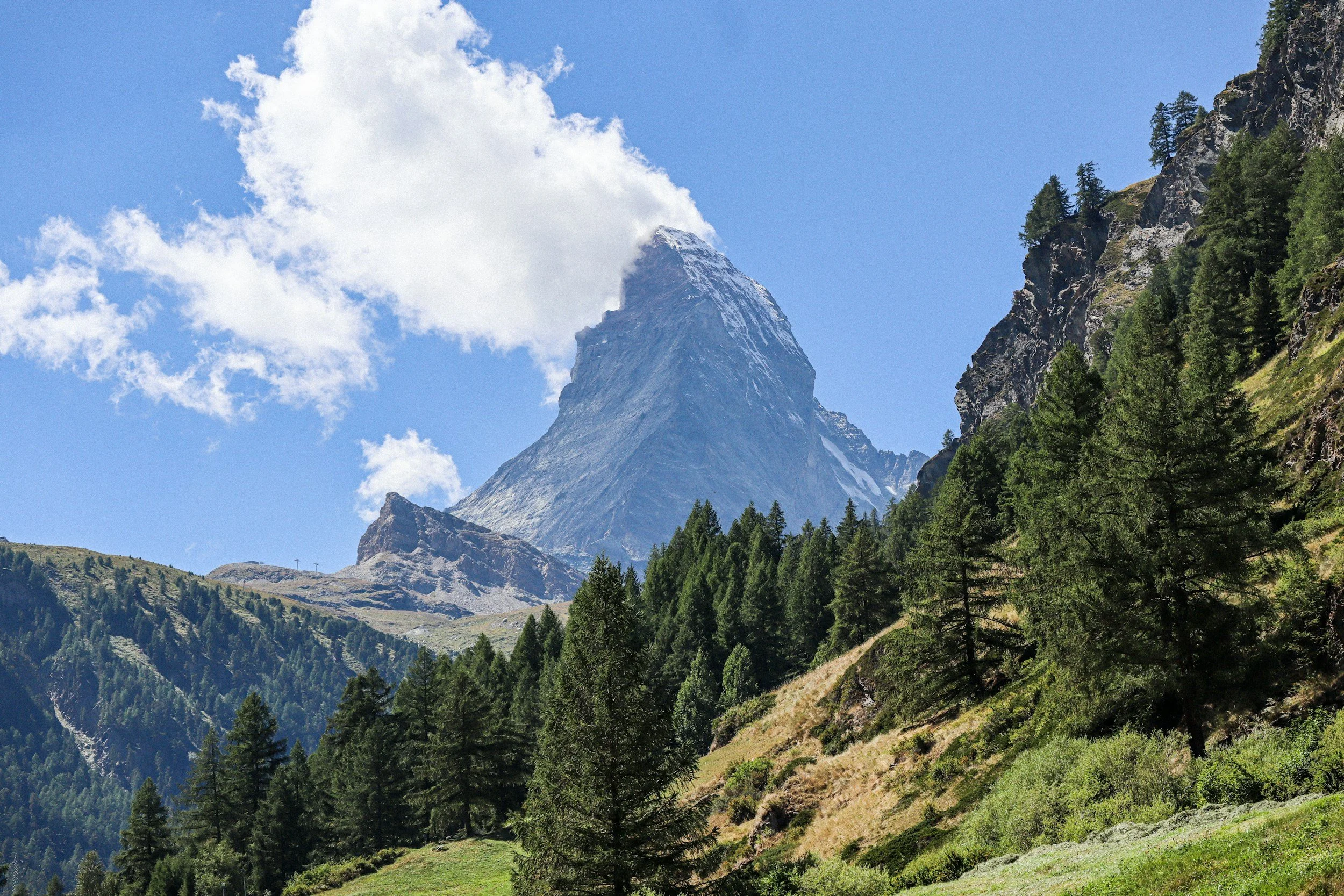
The most iconic mountain in Switzerland, rising above a car-free alpine village. Zermatt is a serious base for hiking and skiing, and the sight of the Matterhorn itself is one of the great images of the Alps. A natural addition for anyone whose trip is built around the mountains rather than the cities.
St. Moritz and the Engadin
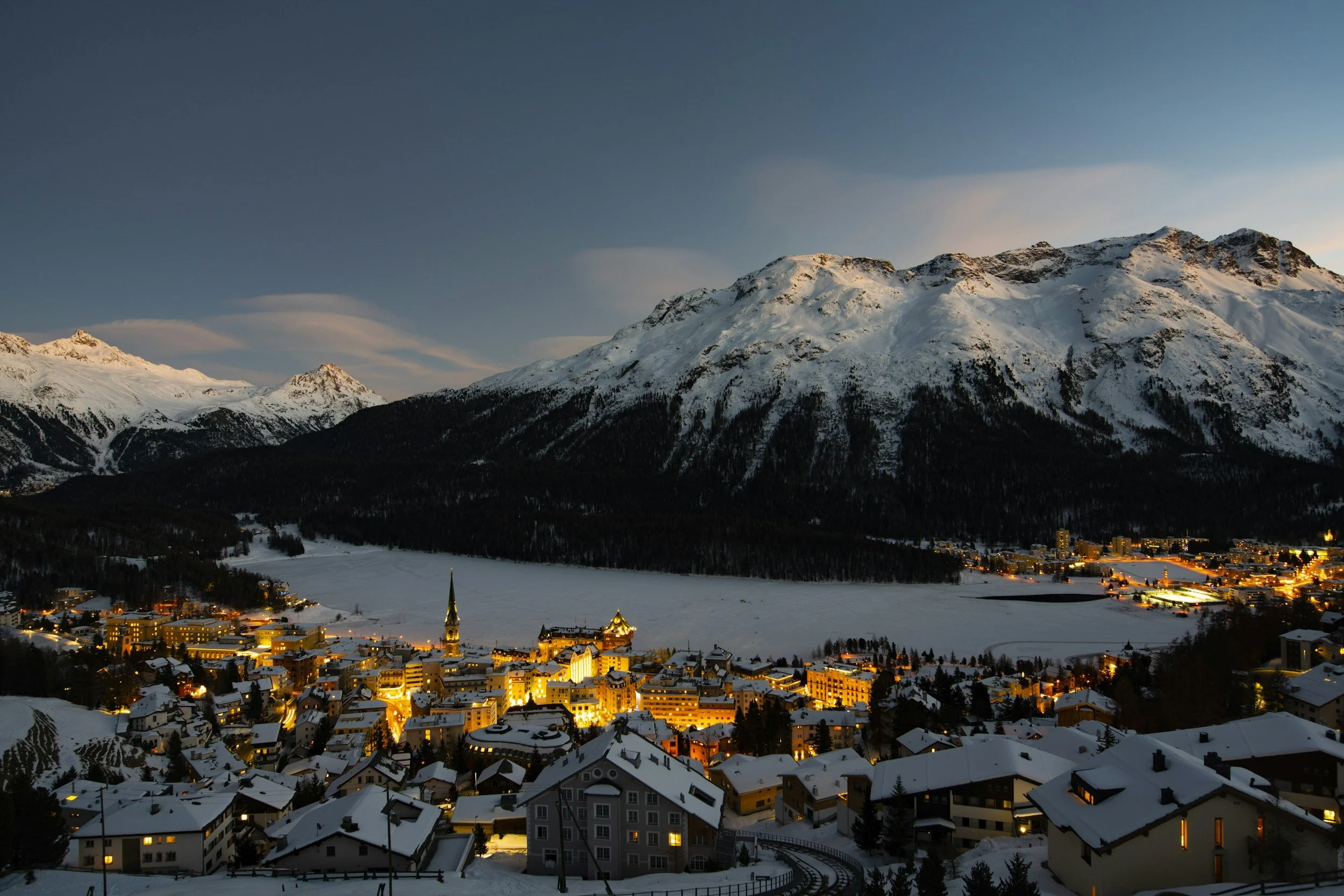
The glamorous resort region of the southeast, in the Romansh-speaking corner of the country. Famous for winter sport and the glamour around it, but the Engadin valley and its lakes are stunning in summer too, and the Glacier Express and Bernina Express both run through this dramatic stretch of the Alps.
Lugano and Ticino
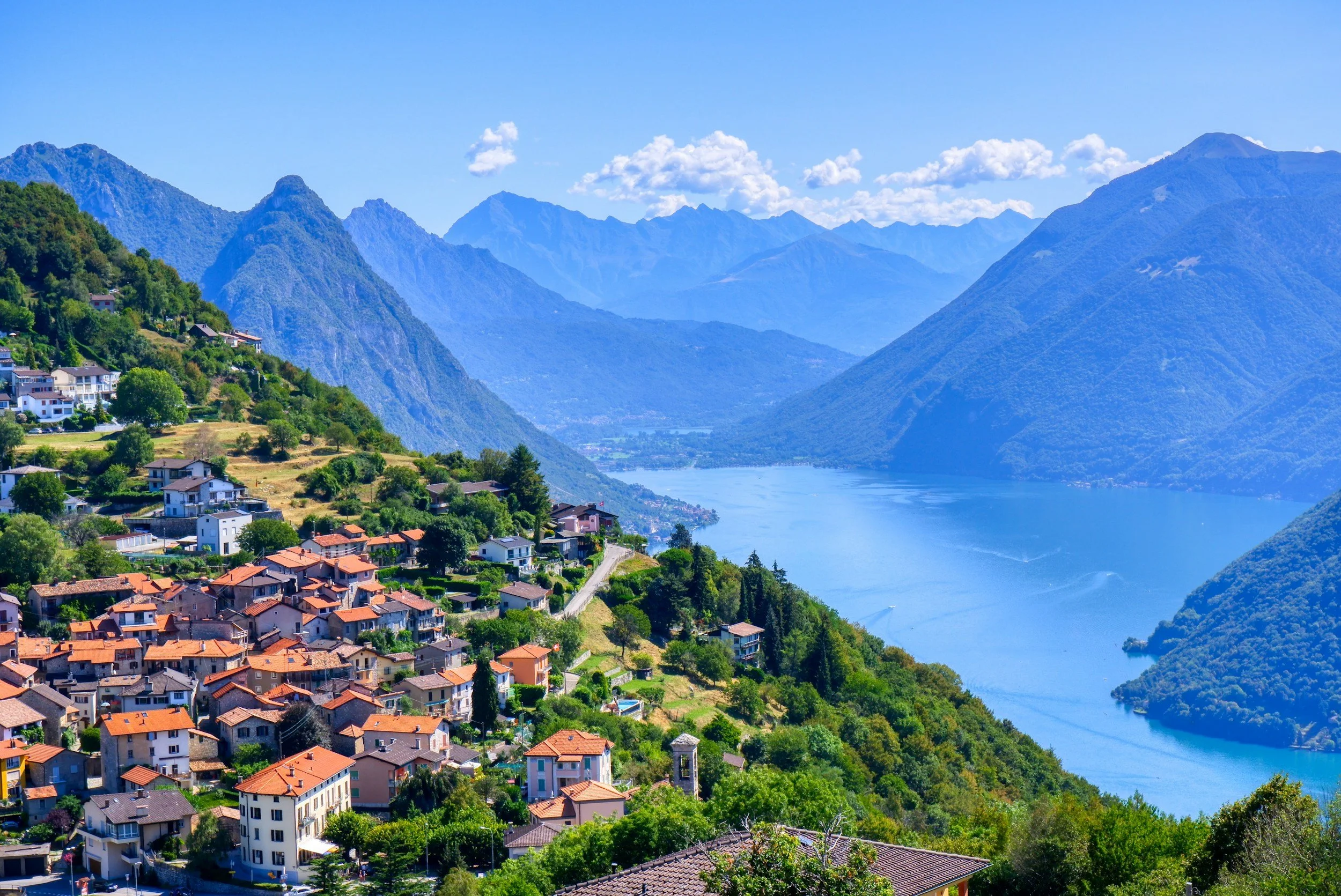
The Italian-speaking south, where Switzerland turns Mediterranean. The region is known for its palm-lined lakeshores, lakeside piazzas, and a softer, warmer feel than the rest of the country, all still unmistakably Swiss in how smoothly it runs.
The Rhine Falls
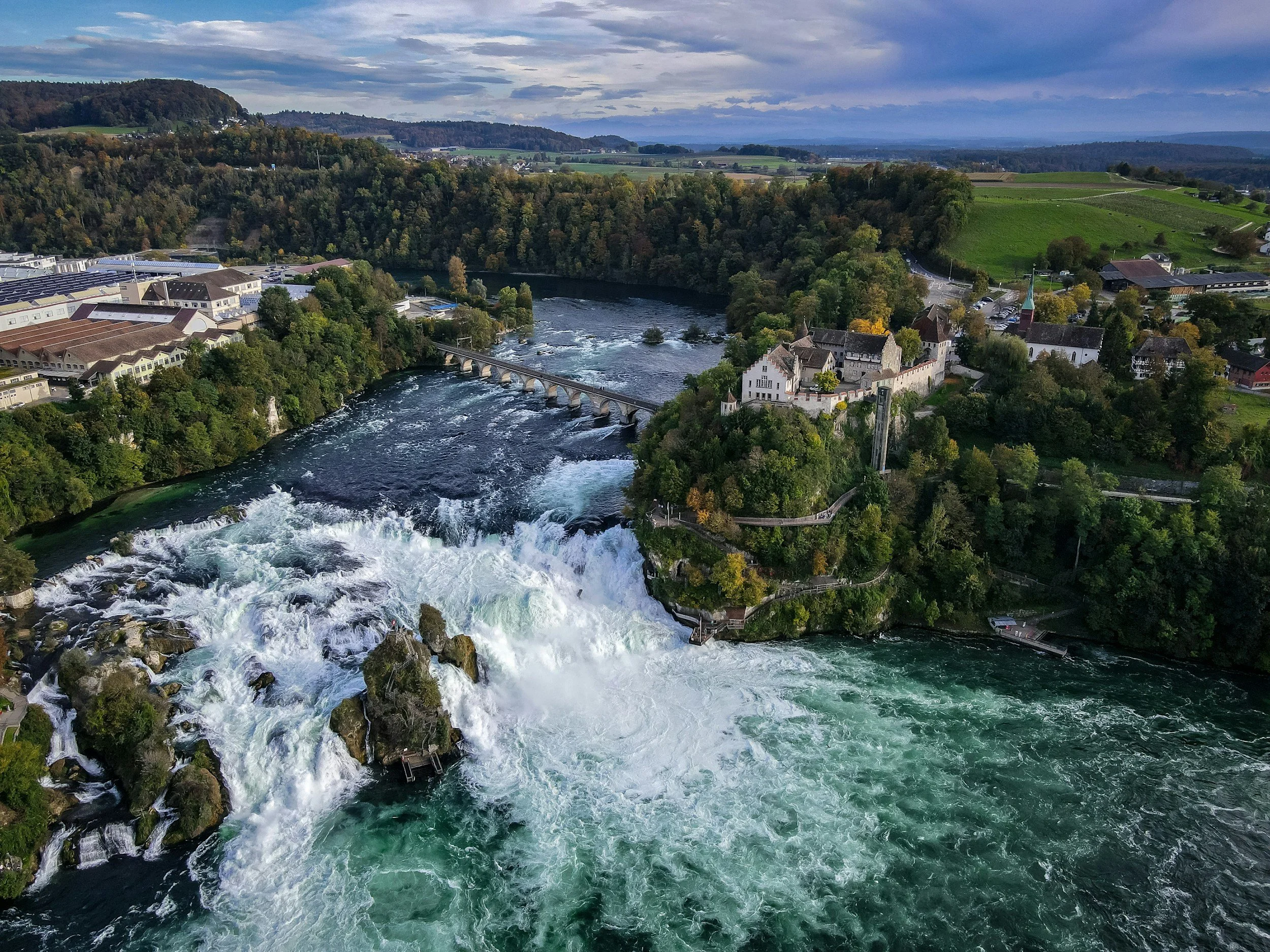
The largest waterfall in Europe by volume, near Schaffhausen in the north, and the easiest major natural day trip from Zurich. You can stand on platforms right above the thundering water or take a small boat out to the rock in the middle of the falls. A great half-day add-on for anyone basing in or starting from Zurich.
The Glacier Express and the Scenic Rail Routes
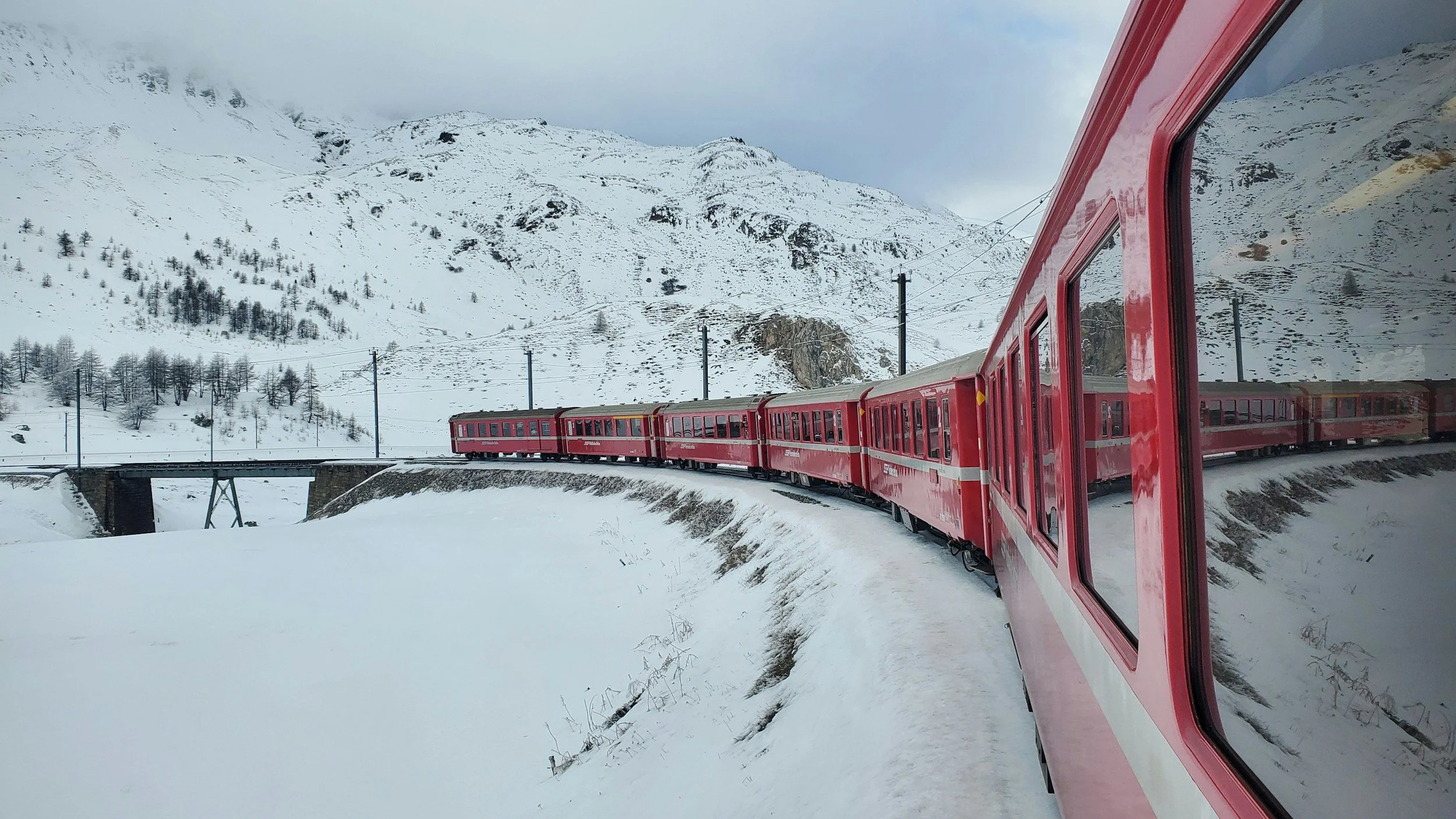
Not a place so much as an experience, but it earns its own mention. Switzerland's scenic train routes, the Glacier Express, the Bernina Express, the GoldenPass Line, are destinations in themselves, carrying you through passes and over viaducts that you could not reach any other way. For a country where the trains are this good, riding one of the great panoramic routes is a highlight in its own right.
My Biggest Surprises the First Time in Switzerland
Expectations vs Reality
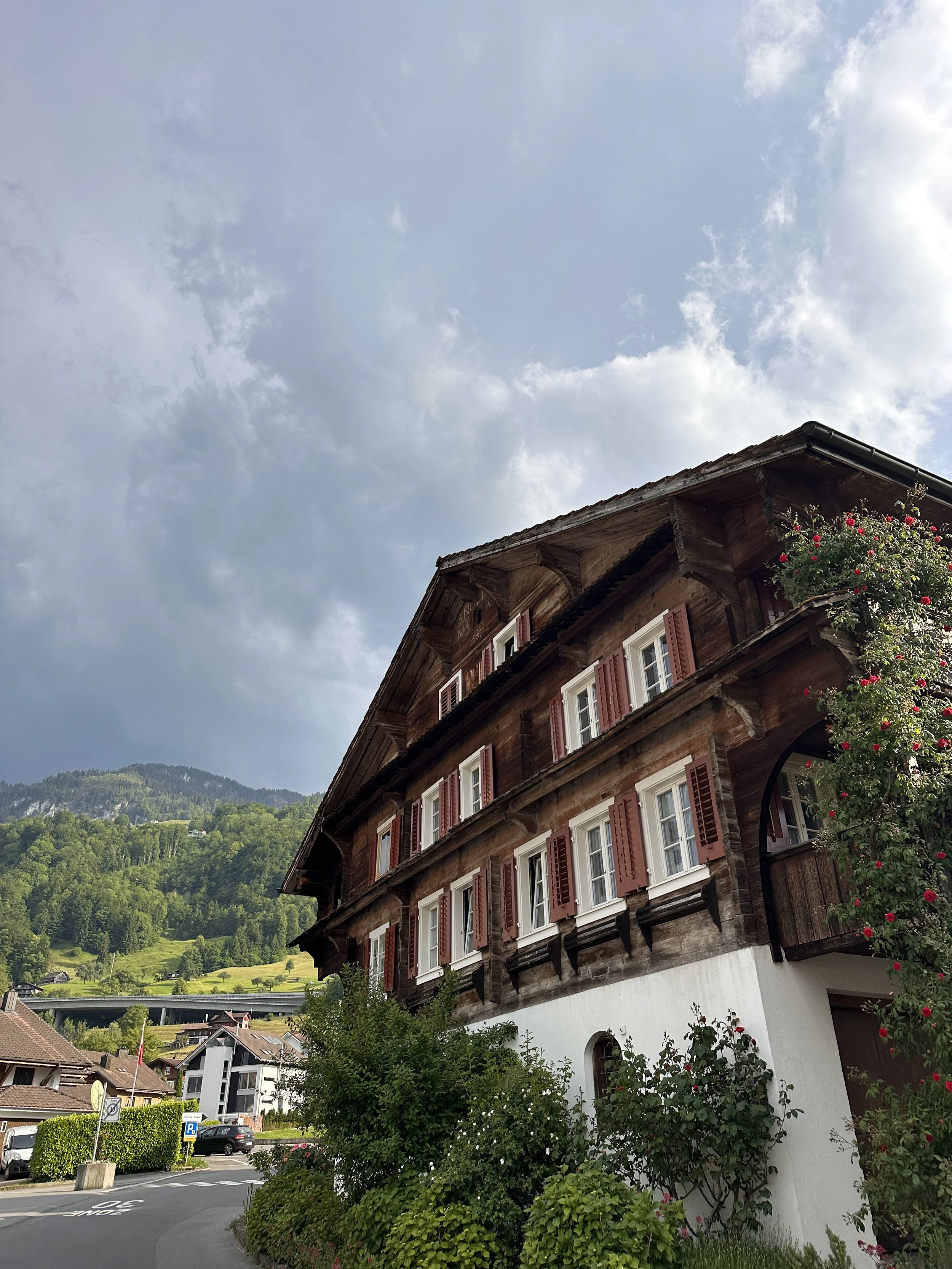
I expected Switzerland to feel formal, expensive, and a little distant. The kind of place that is stunning in photos but hard to actually relax in.
It is the best place I have ever been. Not because of any single moment, though there were plenty. Because of all of it together. The way it added up to something I was not expecting to feel.
Everything runs on time, but nothing feels rushed. Trains arrive exactly when they should, yet people are not in a hurry once they get there. Yes, it is expensive, but the quality shows up in small, consistent ways that make it feel more intentional than indulgent. You notice it in the little things more than the big ones.
And while the landscapes are as dramatic as you imagine, what stayed with me just as much were the quieter moments in between. Towns that feel calm without being empty. Streets that feel orderly without being cold. I knew it would stay with me. I did not know how much.
The Everyday Moments No One Really Prepares You For
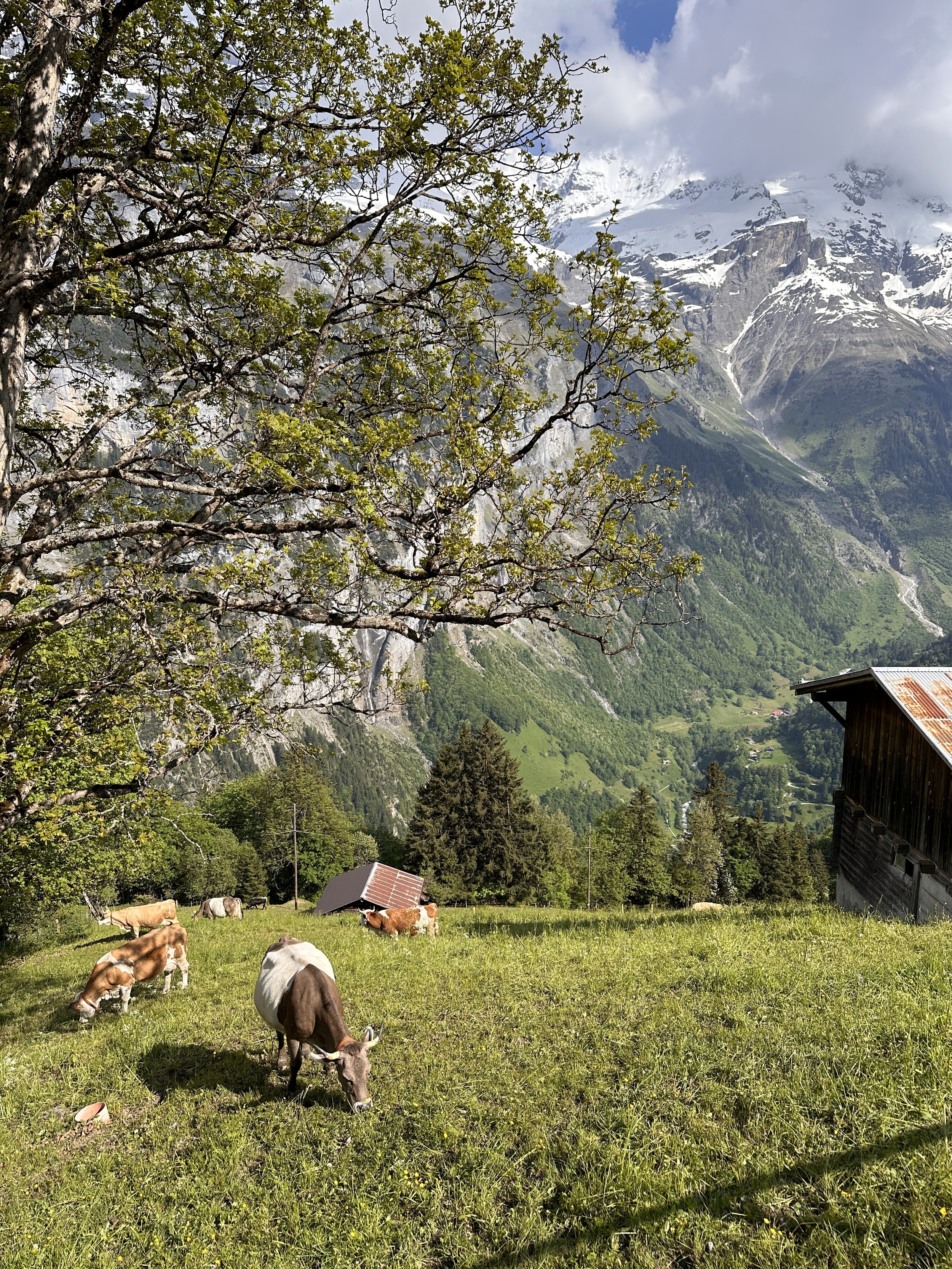
The surprises in Switzerland were never where I expected them to be.
Not at the top of a mountain, though the mountains were extraordinary. Not at the famous bridge or the iconic fountain or the chocolate museum. The moments that stayed with me happened in between all of that. A village so quiet that the loudest sound was wind moving through grass. A lake color that photographs do not capture and you spend the whole kayak trying to process. A random door in a city I was not sure I even liked that opened into the most European room I have ever stood in.
And the flower boxes. Almost every window in almost every town, overflowing with color in a way that feels deliberate without feeling performative. They are everywhere and they are one of the most quietly beautiful things about the whole country.
Switzerland kept doing that. Showing me something I had mentally prepared for and then quietly offering something else entirely that I had not seen coming.
That is the thing nobody really prepares you for. Not the views, which are exactly as dramatic as advertised. The moments that happen when you stop looking for the next thing on the list.
If I Were Planning My First Trip Again...
If I were planning it again, I would leave more space in the schedule and I would think harder about the order.
It is easy to over-plan Switzerland because the trains are so efficient and everything connects so easily. City to lake to mountain feels simple on paper, so you want to fill every gap. But the parts I remember most were not the transitions. They were the pauses.
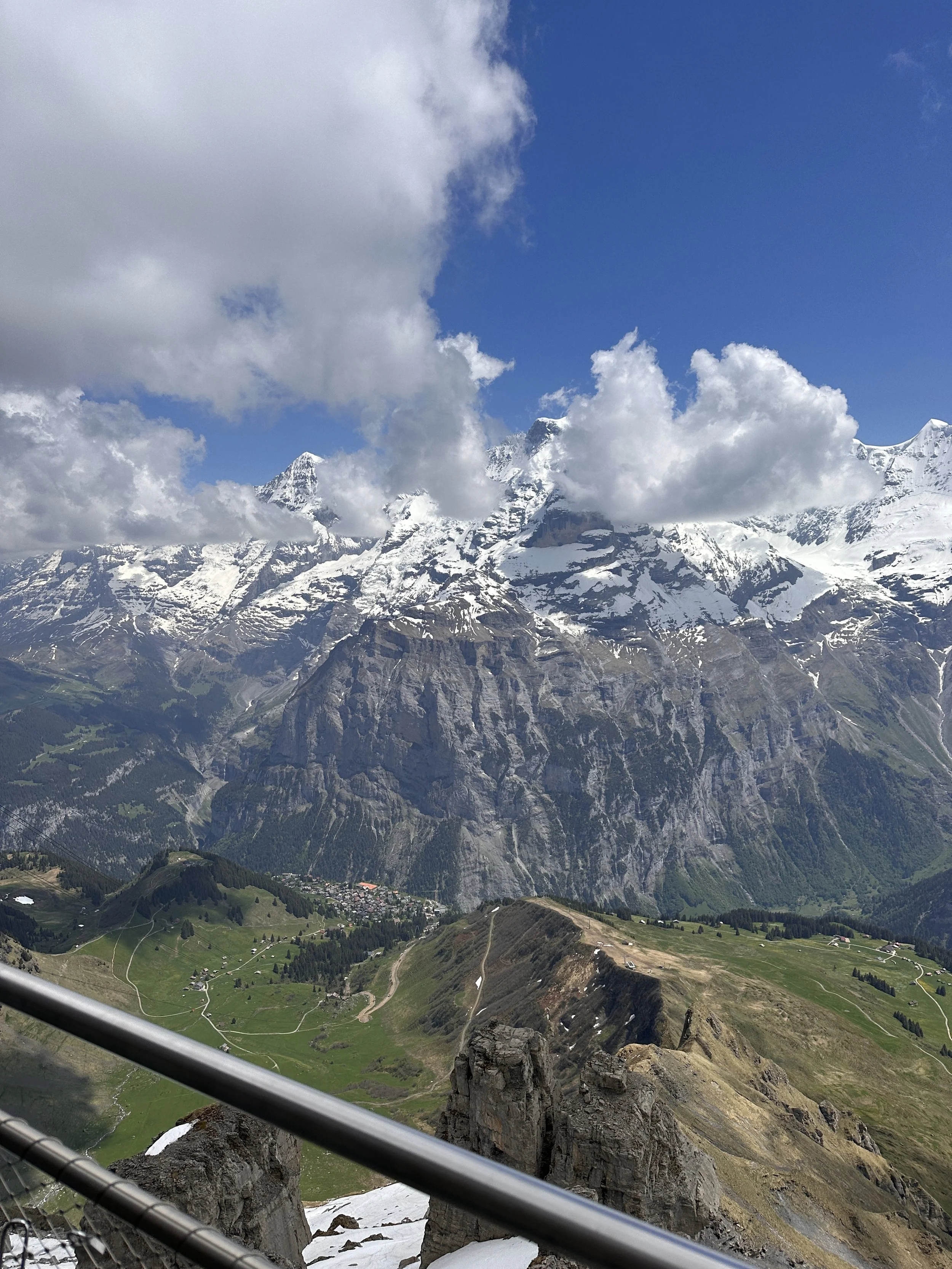
I would spend more time in Interlaken. Two days covers the essentials but the area rewards more time than that and I felt it the moment I left. There is always one more valley, one more village, one more morning by the lake that you wish you had built in.
I would also think more carefully about where Geneva sits in the route. Coming to it straight from Interlaken made it feel like a gear change I was not ready for. That is not Geneva's fault. It is just a different kind of destination, more city than postcard, and it lands better when you have not just come from one of the most dramatic mountain landscapes in Europe. The order you visit Switzerland in shapes the experience more than most guides will tell you.
Switzerland works best when you do not treat it like something to optimize. It rewards slowing down more than it rewards seeing everything.