
Your First Time in Greece
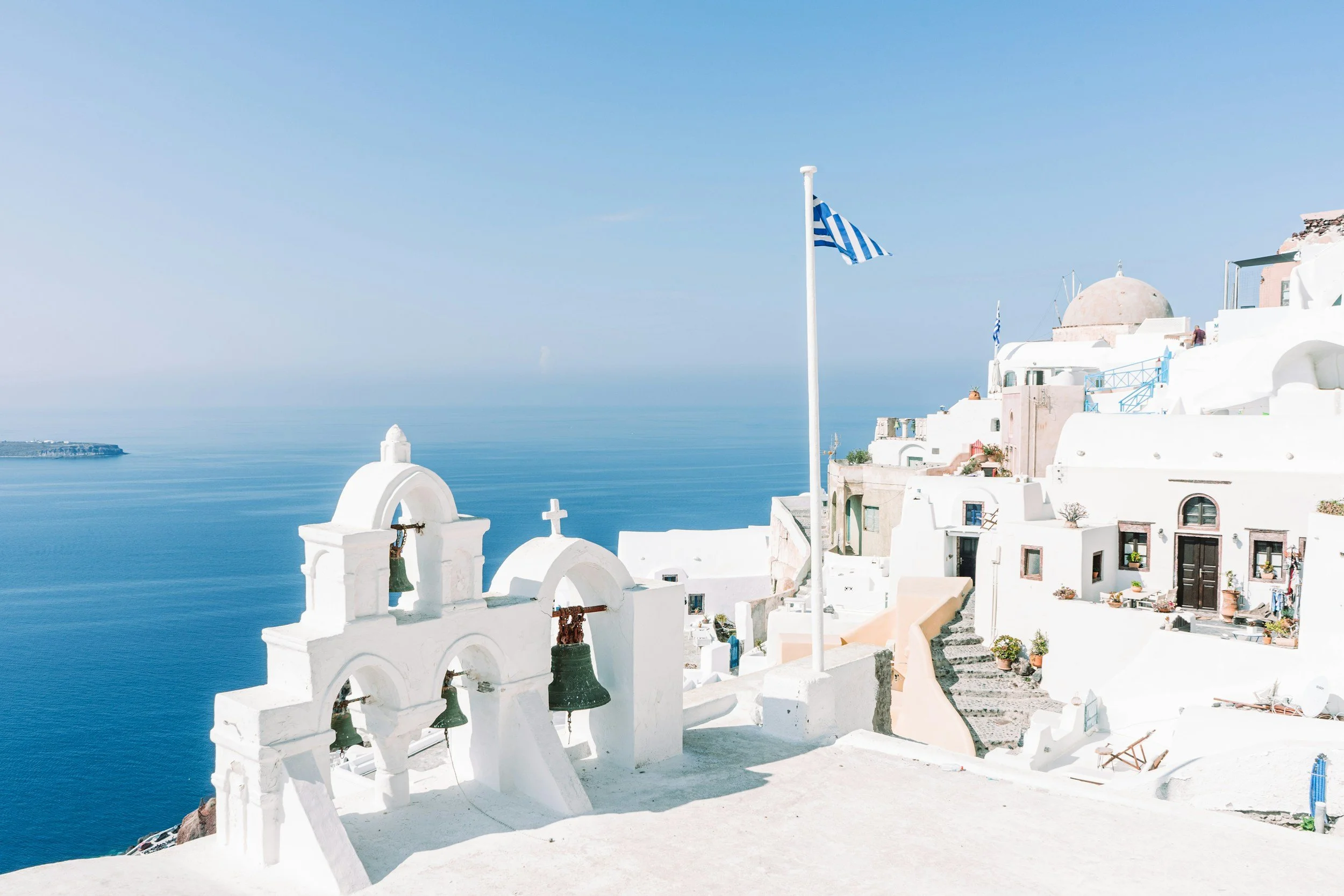
Some places earn their photographs. Greece is one of them.
That is not something I say about every destination. Most places that come with the kind of visual reputation Greece carries arrive slightly deflated in person. The photographs too perfect, the reality slightly more crowded and slightly less cinematic than the image that preceded it. Greece is the exception. The white buildings and blue domes of Santorini look exactly like they do in every photograph you have ever seen and then somehow better. The Acropolis rising above Athens is more commanding in person than any textbook ever suggested.
We experienced Greece as part of a cruise that took us to Athens, Santorini, and Mykonos. Three destinations, three completely different versions of the same country. Athens is ancient and gritty and historically overwhelming. Santorini is dramatic and beautiful and the best meal I had in all of Europe. Mykonos is polished and expensive and aware of exactly how good it looks. All three delivered on the photographs in their own way and all three left me wanting more of the country.
Greece has over 200 inhabited islands and a mainland that most visitors barely scratch the surface of. Three stops on a cruise is not the whole country. But it was enough to understand why people have been coming here for centuries.
Go. It looks exactly like you think it will. That almost never happens.
What to Know Before Visiting Greece
-
Yes. Greece is one of the safer destinations in Europe and most visitors have no issues beyond the usual precautions you would take anywhere. Violent crime against tourists is rare. The main things to watch for are pickpockets in crowded areas of Athens, particularly on the metro and around Monastiraki, and petty theft on busy beaches. Keep your bag zipped, do not leave belongings unattended, and carry your passport or a copy of it at all times as Greek law requires you to have identification on you. Outside of Athens the islands feel relaxed and safe in a way that makes the precautions easy to forget about. Do not entirely forget about them.
-
US citizens do not need a visa for tourist stays of up to 90 days within any 180 day period. Greece is part of the Schengen Area which covers most of Europe under the same visa free arrangement. Your passport must be valid for at least six months beyond your intended arrival date. For any purpose beyond tourism or for stays longer than 90 days you will need to apply through the Greek embassy before you travel. Check the official Greek Ministry of Foreign Affairs website before you go since entry requirements can change.
-
Bring some. Cards are widely accepted at hotels, larger restaurants, and shops in tourist areas but smaller tavernas, bakeries, street vendors, and some ferry operators prefer cash. On the islands in particular you will encounter more cash only situations than you expect. ATMs are available in all major towns and tourist areas. Withdraw enough for a few days at a time rather than scrambling daily and carry small bills for markets and tips.
-
It depends entirely on where you go. Athens is reasonable by European standards. Santorini and Mykonos are expensive, significantly so, and the prices do not always reflect the quality of what you are paying for. Coming straight from Santorini to Mykonos made the sticker shock worse because Santorini delivered exceptional quality at high prices while Mykonos delivered similar or slightly lower quality at even higher prices. The honest answer is that Greece is not a budget destination if you are visiting the famous islands in peak season. The shoulder seasons of May and September offer meaningfully better value without sacrificing much of the experience.
-
Late April through June and September through early October. The weather is warm, the crowds are manageable, and the prices are lower than the peak summer months. July and August are the busiest and most expensive time to visit and the heat can be genuinely brutal, particularly in Athens where there is very little shade at the ancient sites. We visited in May and the timing was close to ideal. Warm enough to enjoy everything fully without the crowds and heat of high summer.
-
By ferry, and this requires more planning than most first time visitors expect. Greece has over 200 inhabited islands divided into distinct island groups. Ferries run frequently within groups but rarely between them, which means you cannot always hop from one island to another directly. The Cyclades, which includes Santorini, Mykonos, Naxos, and Paros, are well connected to each other and to Athens. Other island groups like the Ionians or the Dodecanese are separate systems entirely. Plan your island route before you book anything and make sure the connections you need actually exist. For longer distances between island groups domestic flights are often faster and more practical than ferries. Book ferry tickets in advance during peak season as popular routes sell out quickly.
The Best Time of the Year to Visit Greece
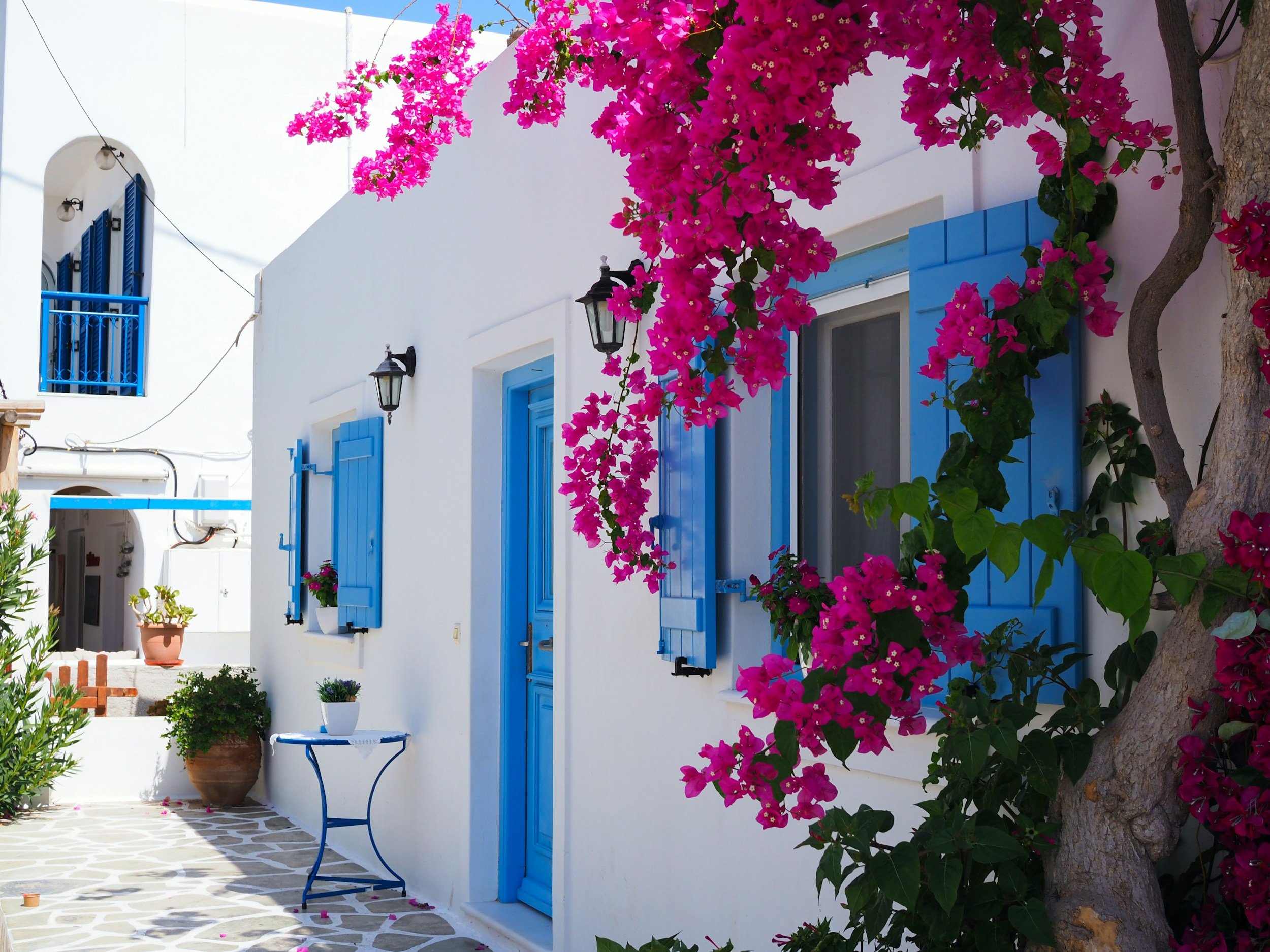
Greece is one of those destinations that most people want to visit in summer and that actually rewards visiting slightly outside of it. The honest breakdown is below.
For a first trip that covers Athens and the islands, late April through June and September through October is the window that delivers the best version of Greece without the full weight of peak season crowds and prices. The weather is warm, the sea is swimmable from June onward, and the famous sites and islands are significantly more enjoyable when you are not sharing them with every other person who had the same idea.
The Honest Breakdown by Season
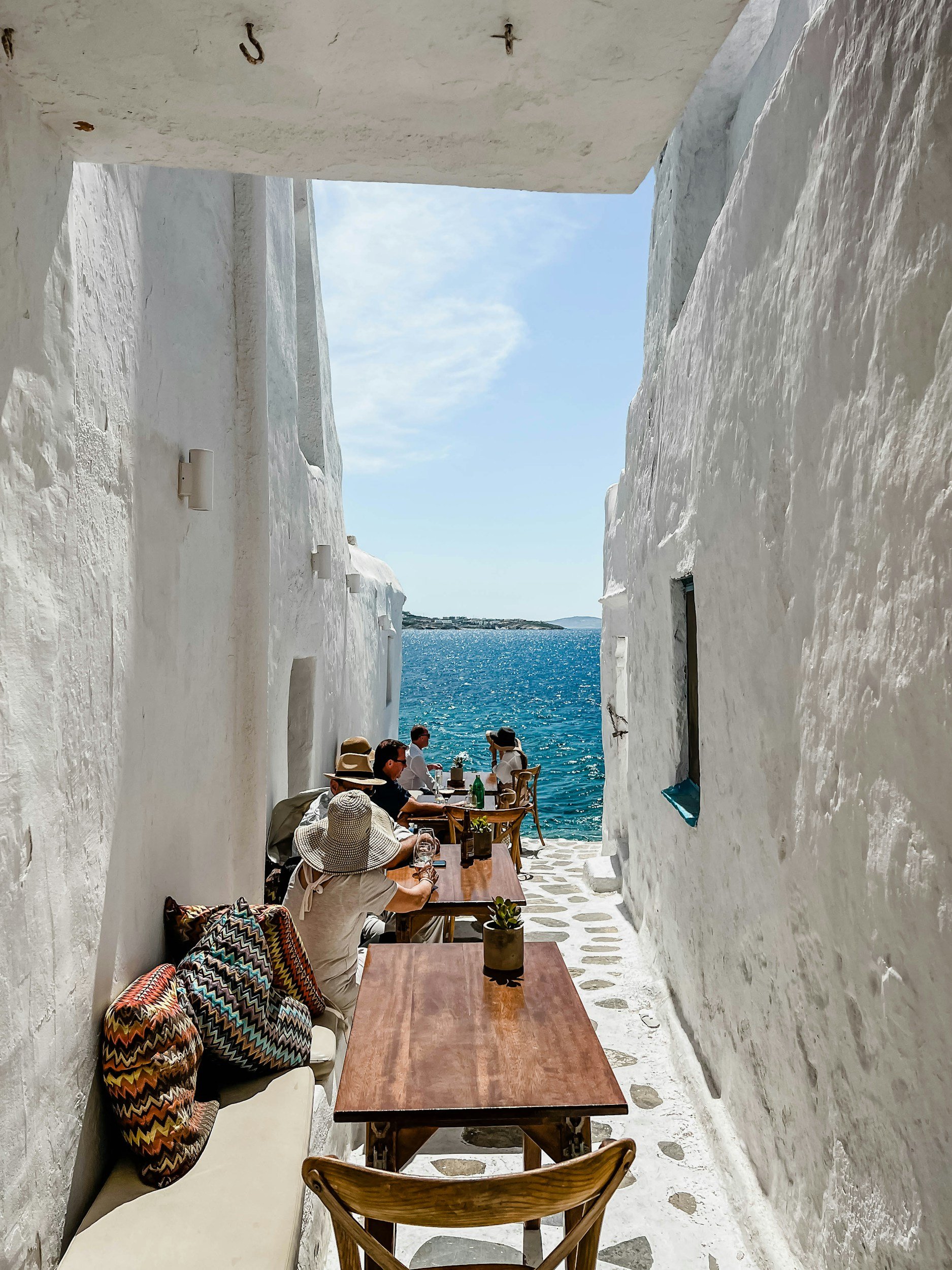
April and May is the sweet spot for Athens and the mainland. Mild temperatures, green landscapes, and the ancient sites without the brutal midday heat of summer. The islands start opening up properly in May and by late May the Cyclades are fully operational. This is when we visited and the timing felt close to ideal.
June is the beginning of summer and one of the better months to visit. The sea is warm enough to swim in, the days are long, and the crowds have not yet reached their July and August peak. Prices start climbing but have not hit their highest point yet.
July and August is peak Greece in every sense. The islands are at their most alive and also at their most crowded and expensive. The heat in Athens is genuinely punishing and the ancient sites offer almost no shade. The famous sunset spots in Santorini and the beaches in Mykonos are packed. If this is when you can travel, go. Just book everything well in advance, expect company everywhere, and build in more rest time than you think you need.
September and October is the version most people who have been to Greece multiple times will tell you is their favorite. The summer crowds thin, prices drop noticeably, the sea is still warm from months of summer sun, and the light is sharper and more beautiful than the bleached out August version. September in particular is an excellent time to visit.
November through March is the off season and most of the smaller islands shut down almost entirely. Hotels close, ferry schedules reduce dramatically, and the island experience most visitors come for essentially disappears. Athens is worth visiting year round as a city destination and the mainland has its own quieter appeal in winter. But if the islands are the reason you are going, this is not the window.
Things Worth Planning Around

Easter in Greece is the most important holiday in the Greek calendar and celebrated with a level of ceremony and community that is genuinely worth experiencing if your timing allows. It falls between late March and late April depending on the year. Churches fill, candles are lit at midnight, and the country comes together in a way that gives you a completely different perspective on Greek culture beyond the tourist experience.
The peak weeks of July and August bring the highest prices, the fullest ferries, and the longest lines at every major site. If your dates are flexible even by two or three weeks in either direction the difference in experience is significant.
A Note on Trip Order
Athens first, then the islands. This is the sequence that we would have done if not coming by cruise. Athens gives you the historical context that makes everything you see on the islands richer. Starting on Santorini and ending in Athens tends to make the city feel like a step down rather than the extraordinary place it actually is. Start with the history. End with the view.
Getting Around in Greece
Greece is not a difficult country to get around but it requires more advance planning than most European destinations, particularly if the islands are part of your trip. The ferry system is the backbone of island travel and understanding how it works before you arrive will save you significant stress once you are there.
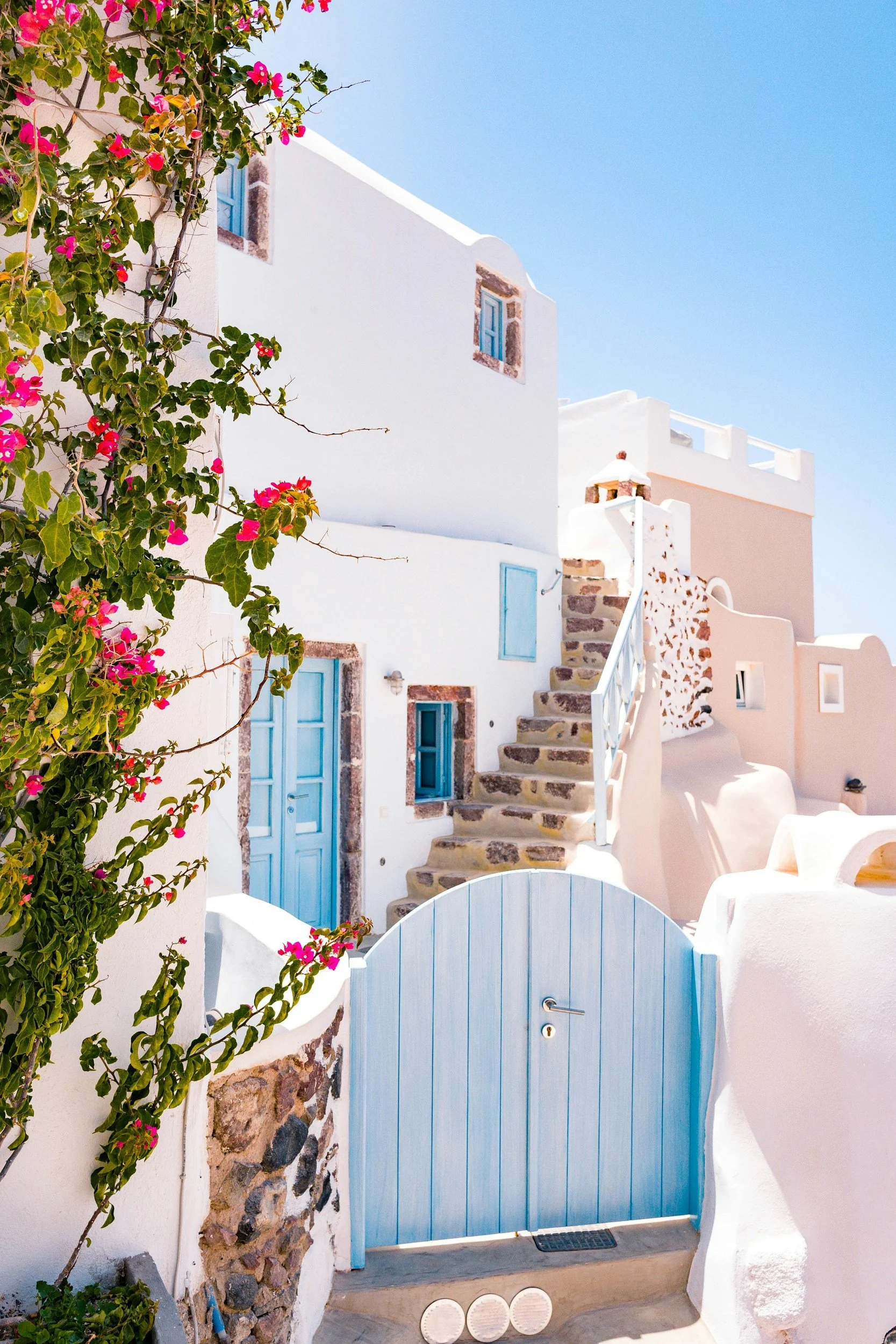
Book ferry tickets in advance during peak season. Popular routes between Athens and Santorini or Mykonos sell out quickly in July and August. The ferry booking platform Ferryhopper is the most reliable tool for checking routes, schedules, and availability across all operators.
Ferry types vary significantly. High speed ferries cut journey times roughly in half compared to conventional ferries but cost more. For the Athens to Santorini route a conventional ferry takes around eight hours while a high speed option takes about five. For shorter island to island hops the difference is less significant.
Getting to Greece
Athens International Airport, officially Eleftherios Venizelos, is the main entry point for most international visitors. It connects to major cities across Europe and North America and is well served by most major airlines. From the airport the metro Line 3 connects directly to the city center in about 40 minutes. Taxis and rideshares are available outside arrivals if you prefer door to door.
Several of the larger islands including Santorini, Mykonos, Crete, Rhodes, and Corfu also have their own airports with direct connections from major European cities during the summer season. Flying directly to an island rather than routing through Athens is worth considering if it saves significant time on your route.
The Ferry System
Ferries are how most people move between the Greek islands and understanding the system before you go is genuinely important. Greece has over 200 inhabited islands divided into distinct groups. The Cyclades, which includes Santorini, Mykonos, Naxos, and Paros, are well connected to each other and to Athens via Piraeus port. Other island groups like the Ionians, the Dodecanese, and the Sporades are separate systems with their own routes and schedules.
The most important thing to know is that ferries run frequently within island groups but rarely between them. If your itinerary involves islands in different groups you will almost certainly need to route back through Athens or take a domestic flight. Check that your planned connections actually exist before you book accommodation.
Domestic Flights
For longer distances or routes between island groups that do not connect by ferry, domestic flights are often the most practical option. Olympic Air and Sky Express operate frequent routes between Athens and the major islands. Flights are affordable and save significant time on routes where the ferry alternative is a full day of travel.
Getting Around Within Cities and Islands
Athens has a reliable metro, tram, and bus network that covers the main tourist areas well. The Suica equivalent here is a rechargeable transit card available at metro stations. Taxis are affordable but make sure the meter is running before you get in.
On the islands the situation varies. Santorini and Mykonos both have local bus networks that cover the main destinations cheaply and reliably. Renting an ATV or car gives you more flexibility for exploring beaches and quieter parts of the islands away from the main tourist circuit. On Mykonos Town itself everything is pedestrian only and you will cover it entirely on foot.
Coming by Cruise Ship
Greece is one of the most popular cruise destinations in the Mediterranean and the logistics for cruise passengers are specific to each port. Athens docks at Piraeus with shuttle buses into the city. Santorini tenders passengers to the old port with a cable car up to Fira. Mykonos docks at the New Port with shuttle buses into town. Each port has its own timing and its own considerations which are covered in detail on the individual city pages.
Culture & Etiquette Basics
(How Not to Be That Tourist)
Greece is one of the most welcoming countries in the world for visitors and the cultural norms are not difficult to navigate. A few things are worth knowing before you arrive.
1. Hospitality
Greek hospitality, called filoxenia, is genuine and deeply ingrained in the culture. Greeks are warm, curious, and genuinely interested in where you are from and what you think of their country. Do not be surprised if a restaurant owner pulls up a chair and talks to you for twenty minutes or if a local gives you directions that turn into a full conversation. It is not performance. It is just how things work here.
2. Dining
Greeks eat late. Dinner typically starts around 9pm and the best local tavernas fill up later in the evening when the tourists have already eaten and moved on. If you want to eat where locals actually eat, wait.
Nobody will bring you the check until you ask for it. Tipping is appreciated but not mandatory. Ten percent for good service is plenty. Ask for tap water specifically if you want it. In many restaurants bottled water arrives automatically and you will be charged for it.
3. Dress Code at Religious Sites
Greece has thousands of churches and monasteries and many of them are still active places of worship. Cover your shoulders and knees when entering. Women may be asked to cover their hair at certain monasteries. This applies to popular sites like the churches in Santorini and Mykonos as much as it does to the famous monasteries on the mainland. Carry a light layer for this reason throughout the day.
4. Archaeological Sites
Do not remove anything from archaeological or historical sites. This sounds obvious and it is worth saying explicitly because Greek customs law takes it seriously. Rocks, pottery fragments, anything that looks like it might be ancient. Leave it exactly where it is. Violations can result in arrest and prosecution.
5. Cash Culture
Greece uses cards widely in tourist areas but smaller businesses, street vendors, bakeries, and local tavernas often prefer or require cash. This is more pronounced on the smaller islands where infrastructure is simpler. Always have cash available and do not assume a card will work everywhere.
6. The Greek Pace
Things move at a different speed in Greece and fighting it is a losing battle. Ferries run late. Service takes time. Plans change. The Greek attitude toward time is relaxed in a way that will frustrate you if you are trying to optimize every hour and delight you if you are not. The best version of Greece is experienced slowly. Build more time into every plan than you think you need and treat the gaps as part of the experience rather than wasted time.
Where to Go in Greece
My firsthand experience in Greece covers Athens, Santorini, and Mykonos. The destinations below include those three with links to their full guides plus the places most worth knowing about for a first trip that I have not yet experienced myself. Each will get its own full page as we go back and see more of this country.
Athens
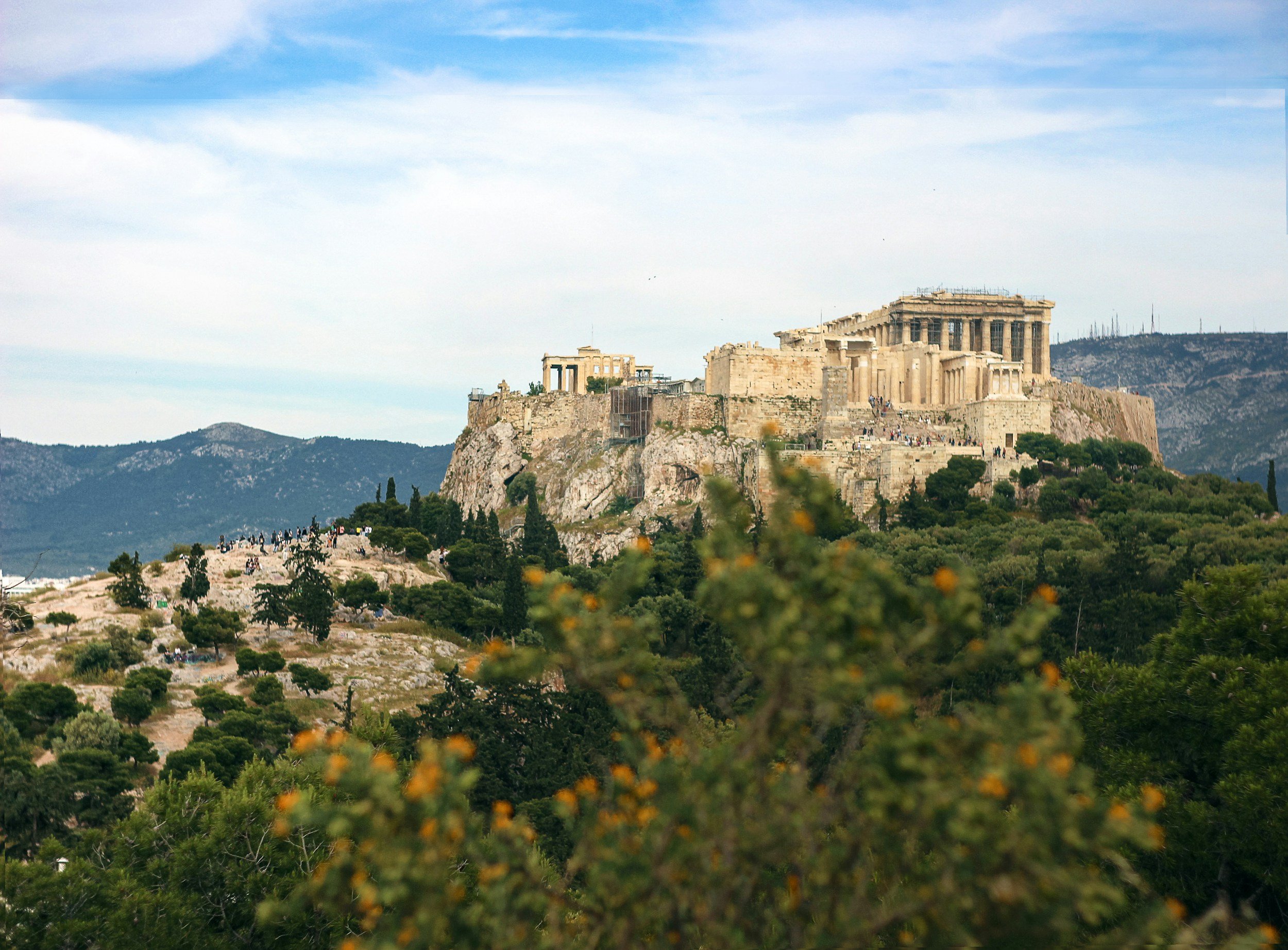
The entry point for most first trips and the right place to start. The ancient sites, the Acropolis, the Agora, the Temple of Olympian Zeus, are among the most significant in the Western world and a full day covers them well. Athens is grittier and more lived in than most people expect coming off the Greek islands. It is also historically overwhelming in a way that nothing else on a Greece itinerary quite matches. Start here. Full guide on the Athens page.
Santorini
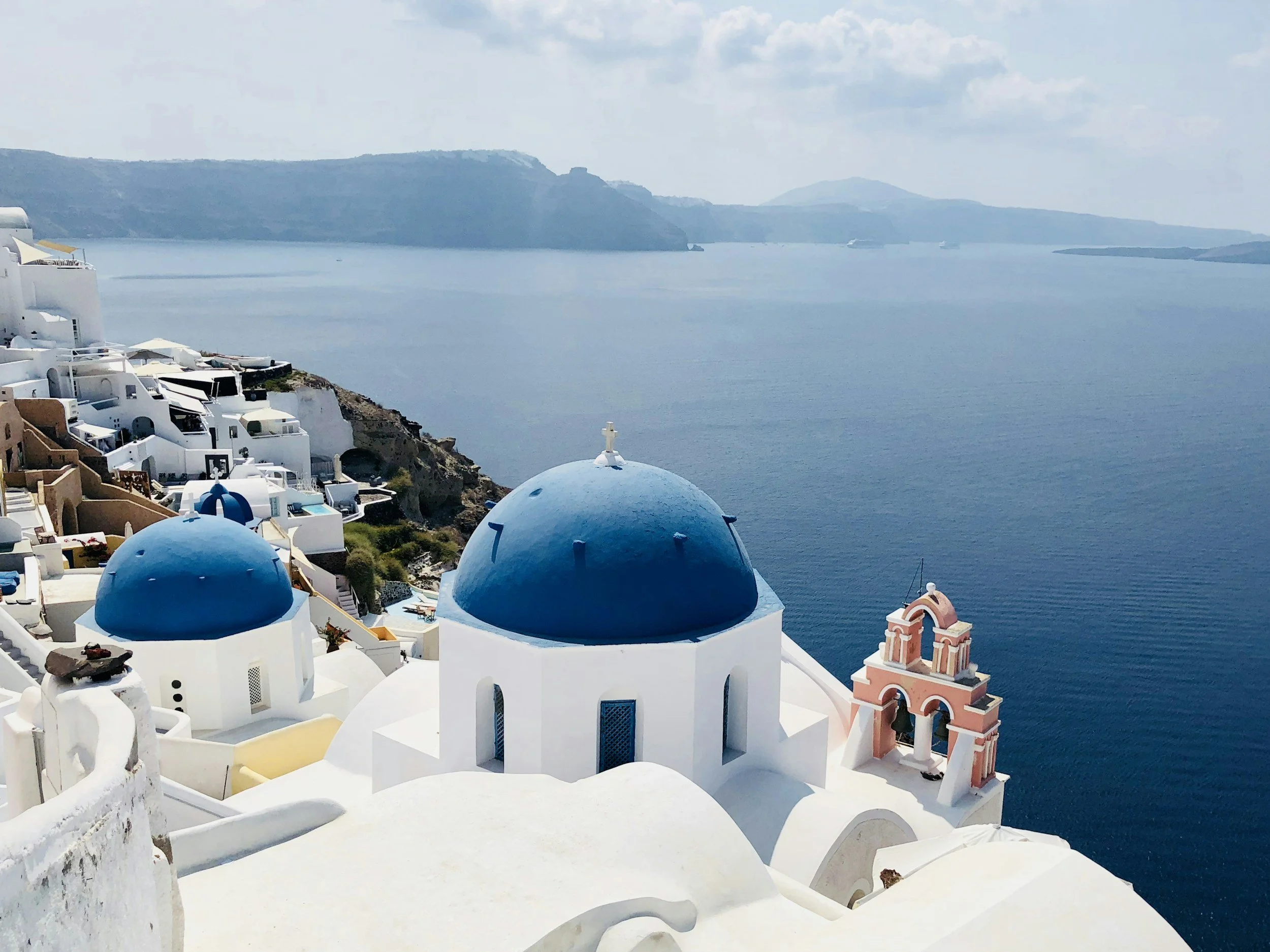
The island that earns every photograph ever taken of it. The Fira to Oia hike is harder than every guide says it is and more beautiful than any photograph suggests. The food was the best I had in all of Europe. The caldera views are exactly what you imagined and then more. One of the rare places that fully delivers on its reputation. Full guide on the Santorini page.
Mykonos
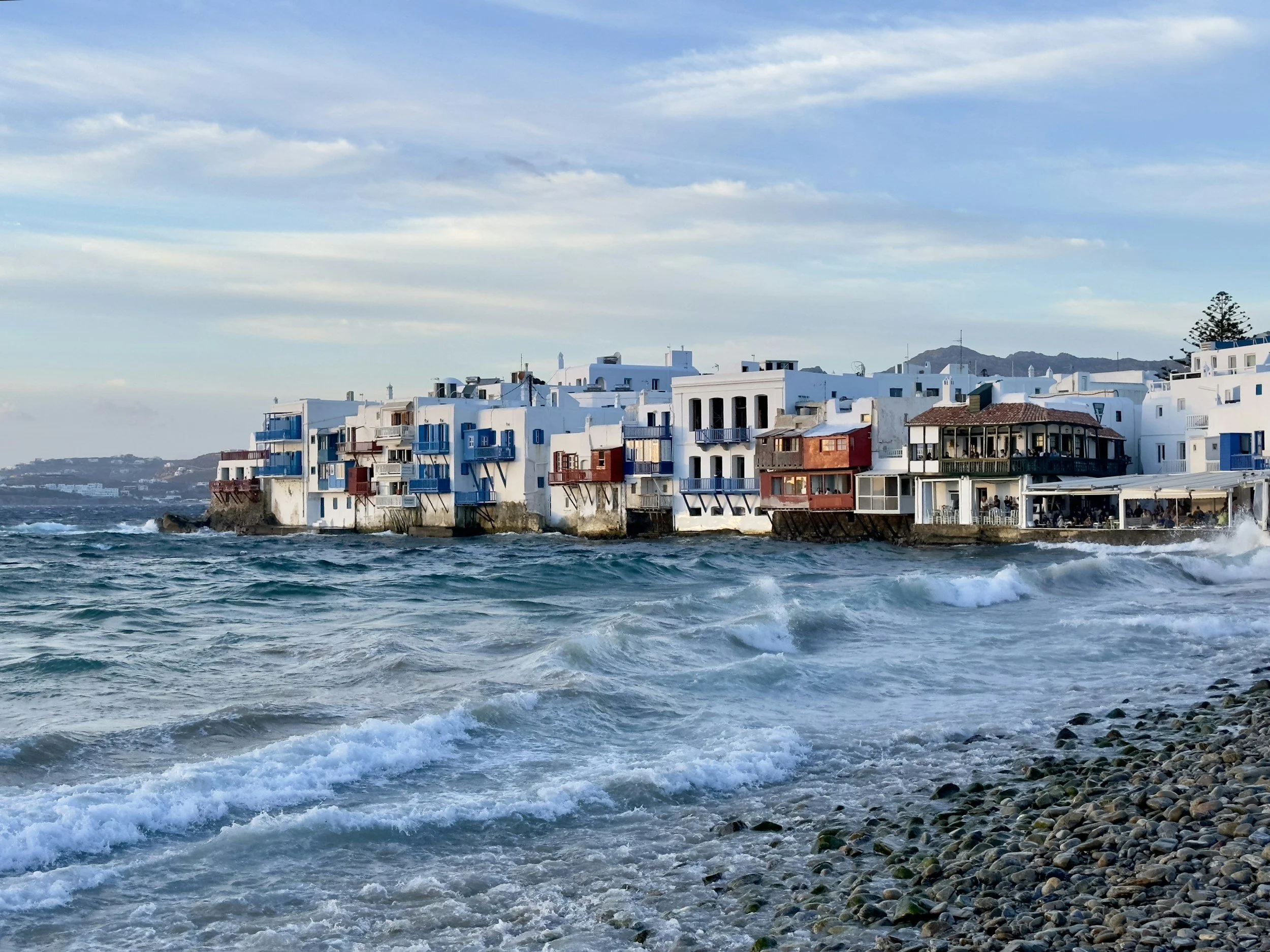
Beautiful, polished, and priced accordingly. The narrow streets of Mykonos Town are genuinely lovely to wander without a plan. The windmills are worth the visit even if they are not the most awe inspiring thing you will see in Greece. Go in knowing what you are paying for and you will have a good day. Full guide on the Mykonos page.
Crete
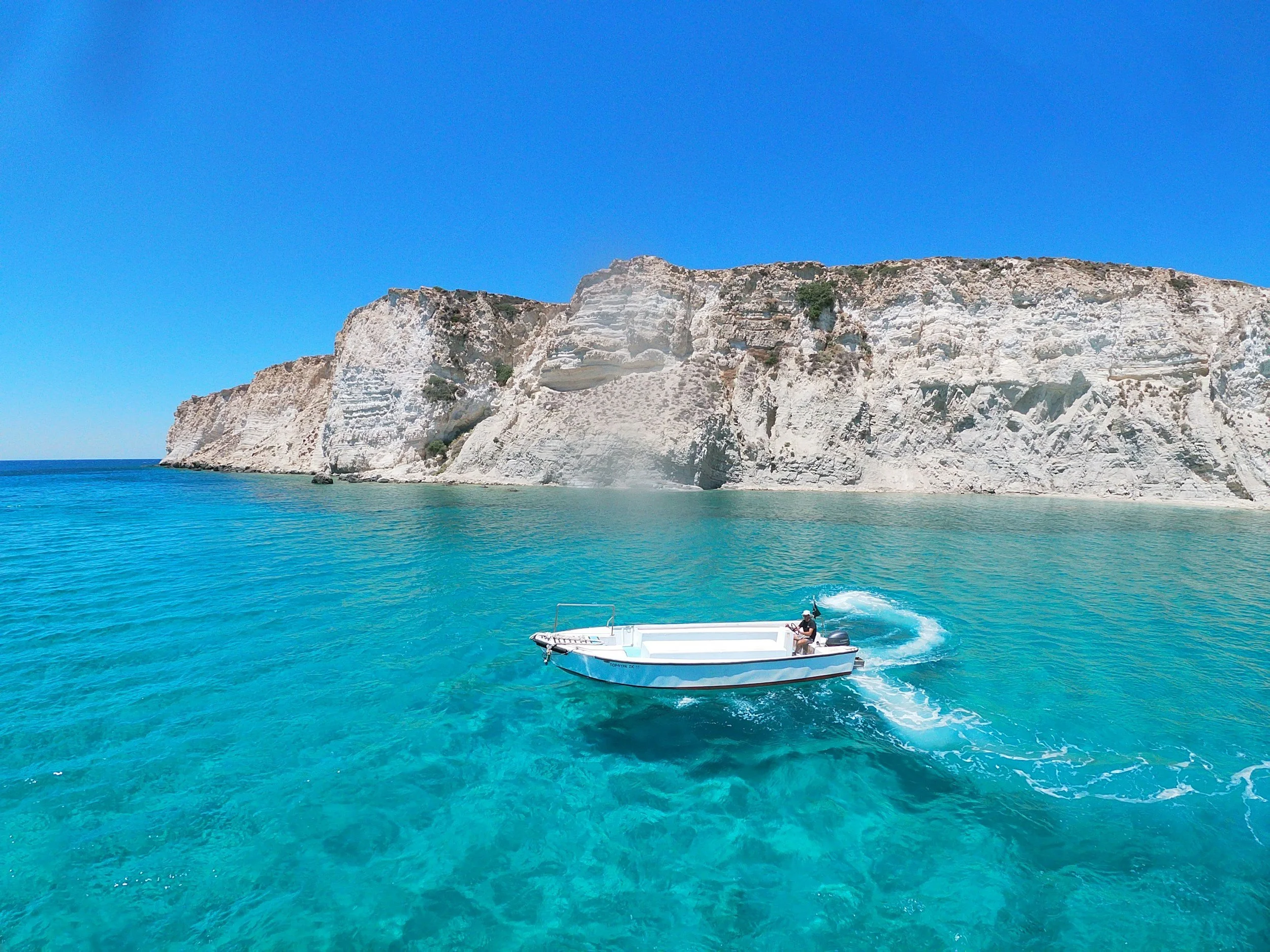
The largest Greek island and one of the most diverse destinations in the country. Ancient Minoan ruins at Knossos, the old Venetian harbor of Chania, dramatic gorges, long sandy beaches, and some of the best food in Greece. Crete rewards more time than most islands and is worth considering as a base for a longer Greece stay rather than just a single stop.
Naxos
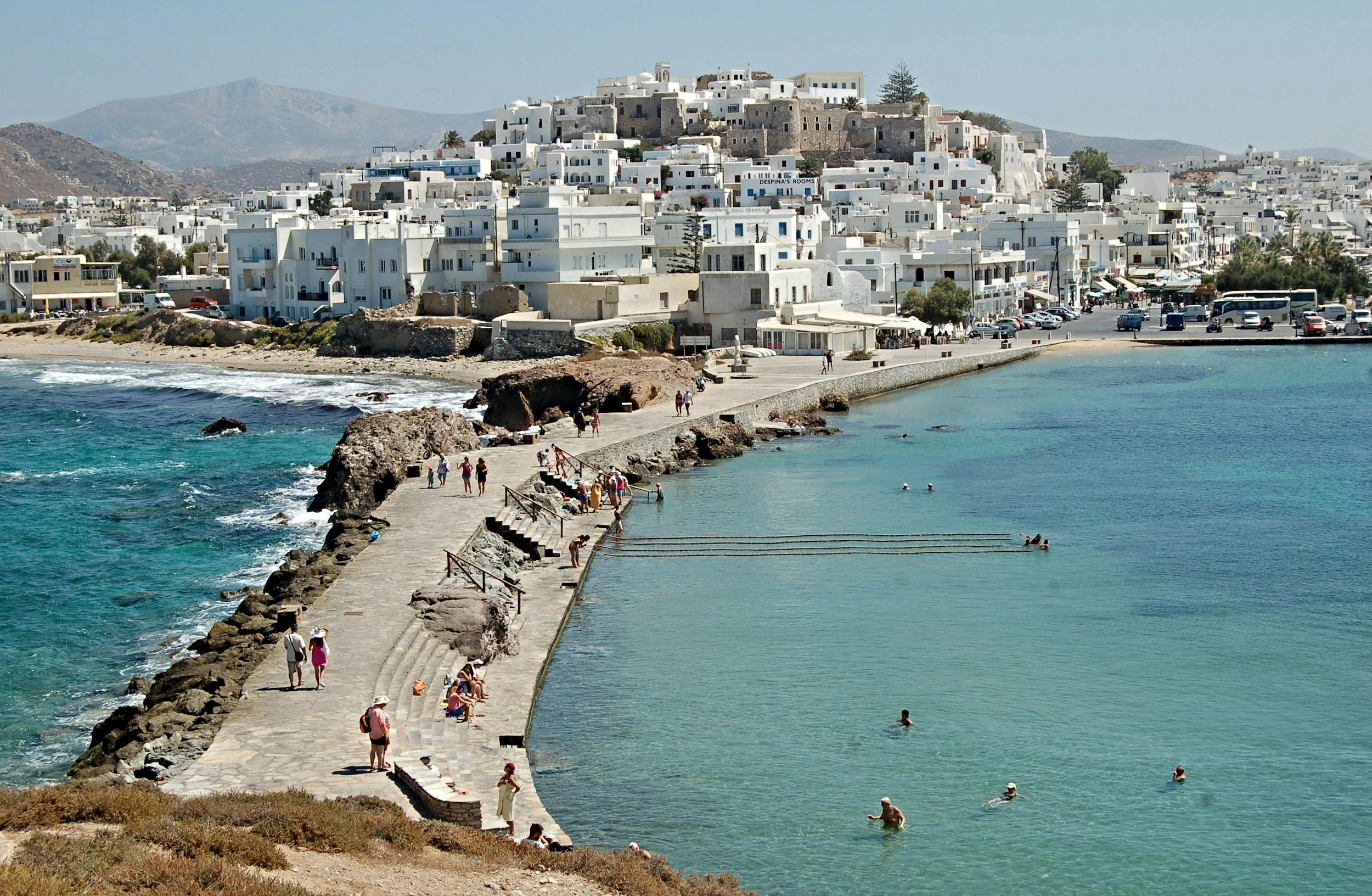
Consistently recommended by people who know Greece well as the best island for a first time visitor who wants the authentic version rather than the famous one. The largest of the Cyclades, less crowded than Santorini or Mykonos, with better beaches, lower prices, and a more genuinely local atmosphere. If the famous islands feel too expensive or too crowded, Naxos is the answer.
Paros
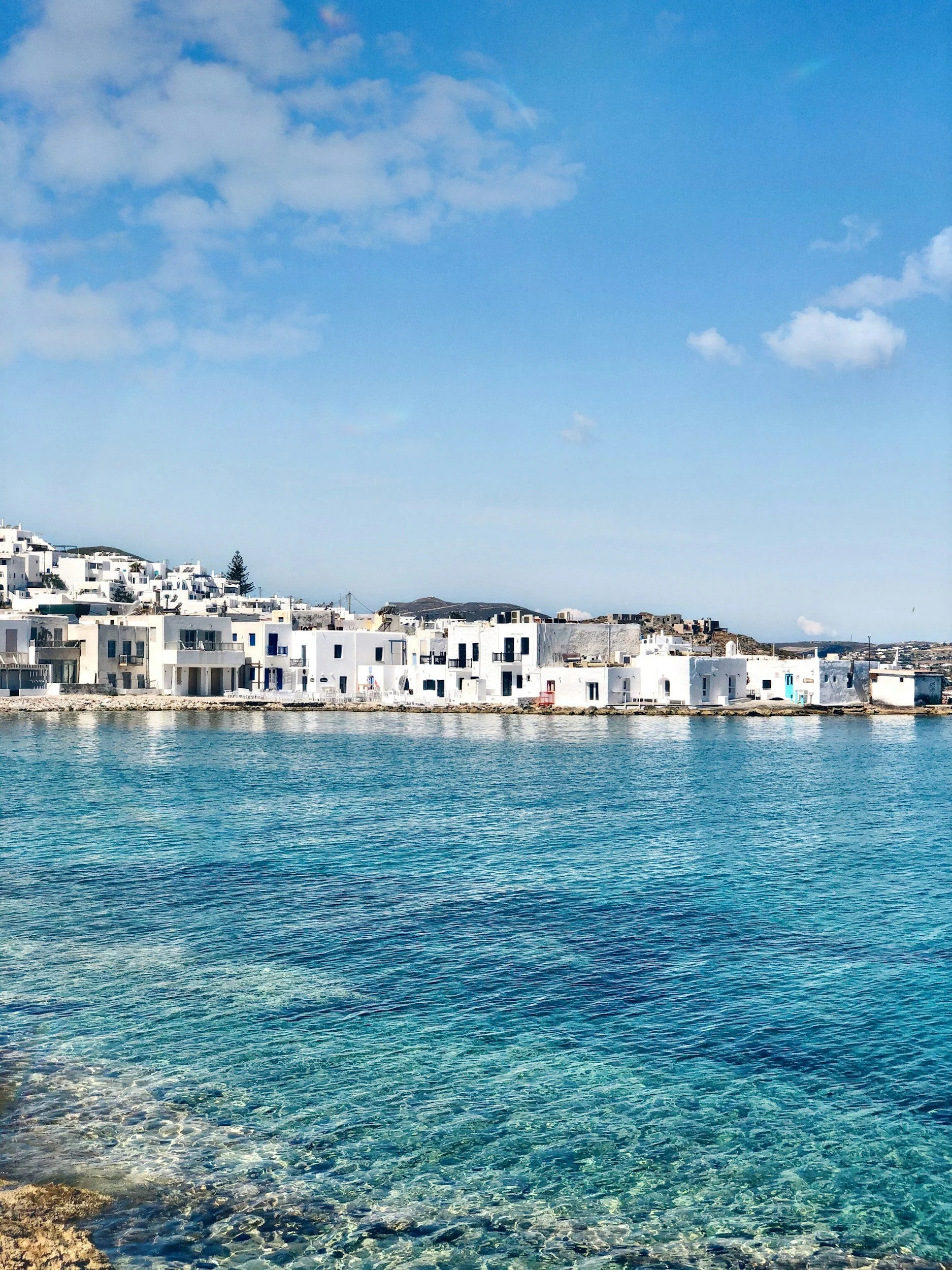
Next to Naxos in the Cyclades and similarly underrated by first time visitors who head straight to Santorini and Mykonos. Beautiful beaches, a charming main town, good restaurants, and a pace that feels relaxed without feeling empty. A natural addition to a Cyclades itinerary that includes Santorini.
Rhodes
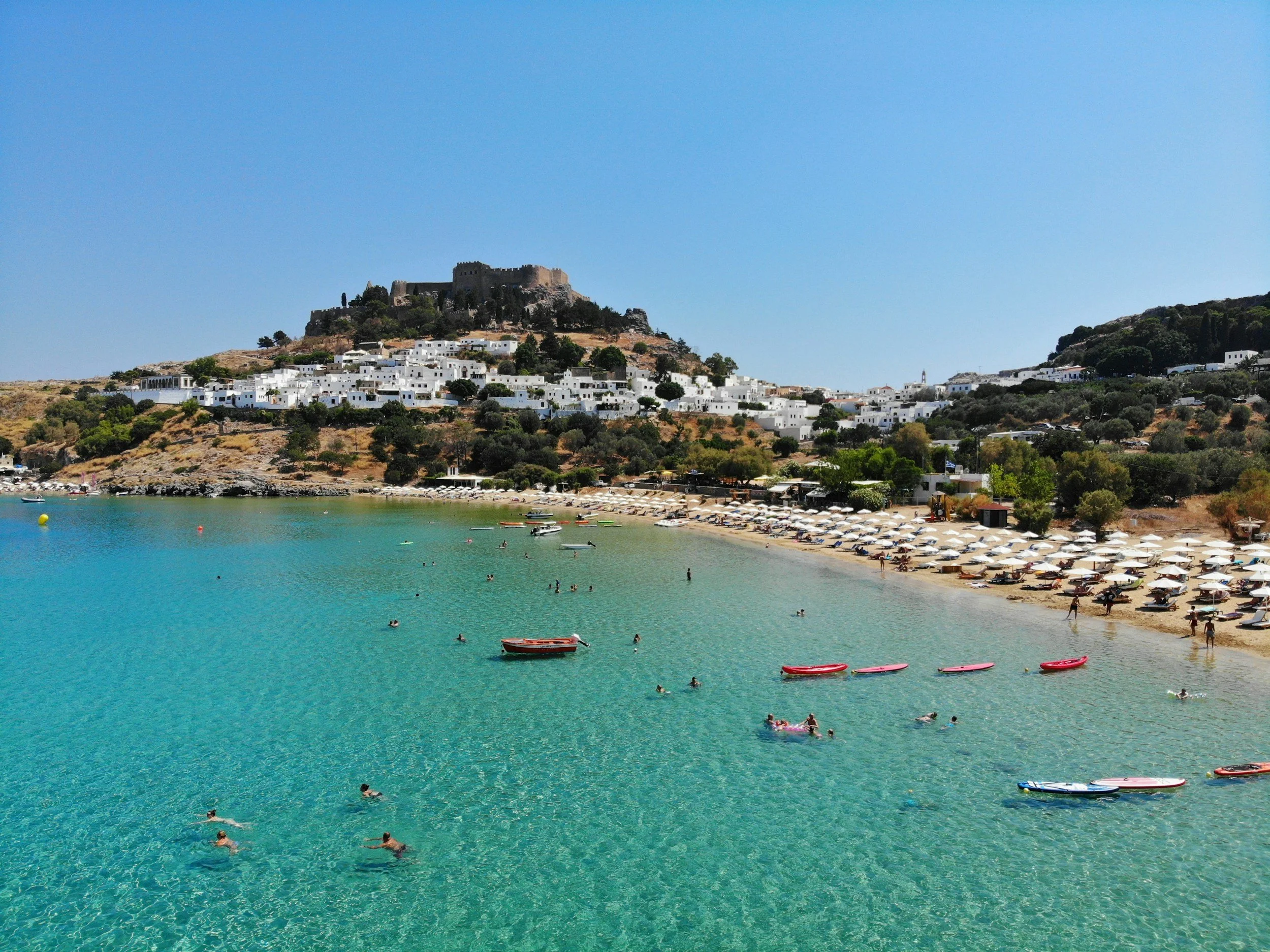
In the southeastern Dodecanese island group, Rhodes has one of the best preserved medieval old towns in Europe, a UNESCO World Heritage Site, surrounded by impressive fortifications built by the Knights of St John in the 14th century. Different in character from the Cyclades and worth knowing about for a second trip or a longer first one.
Corfu
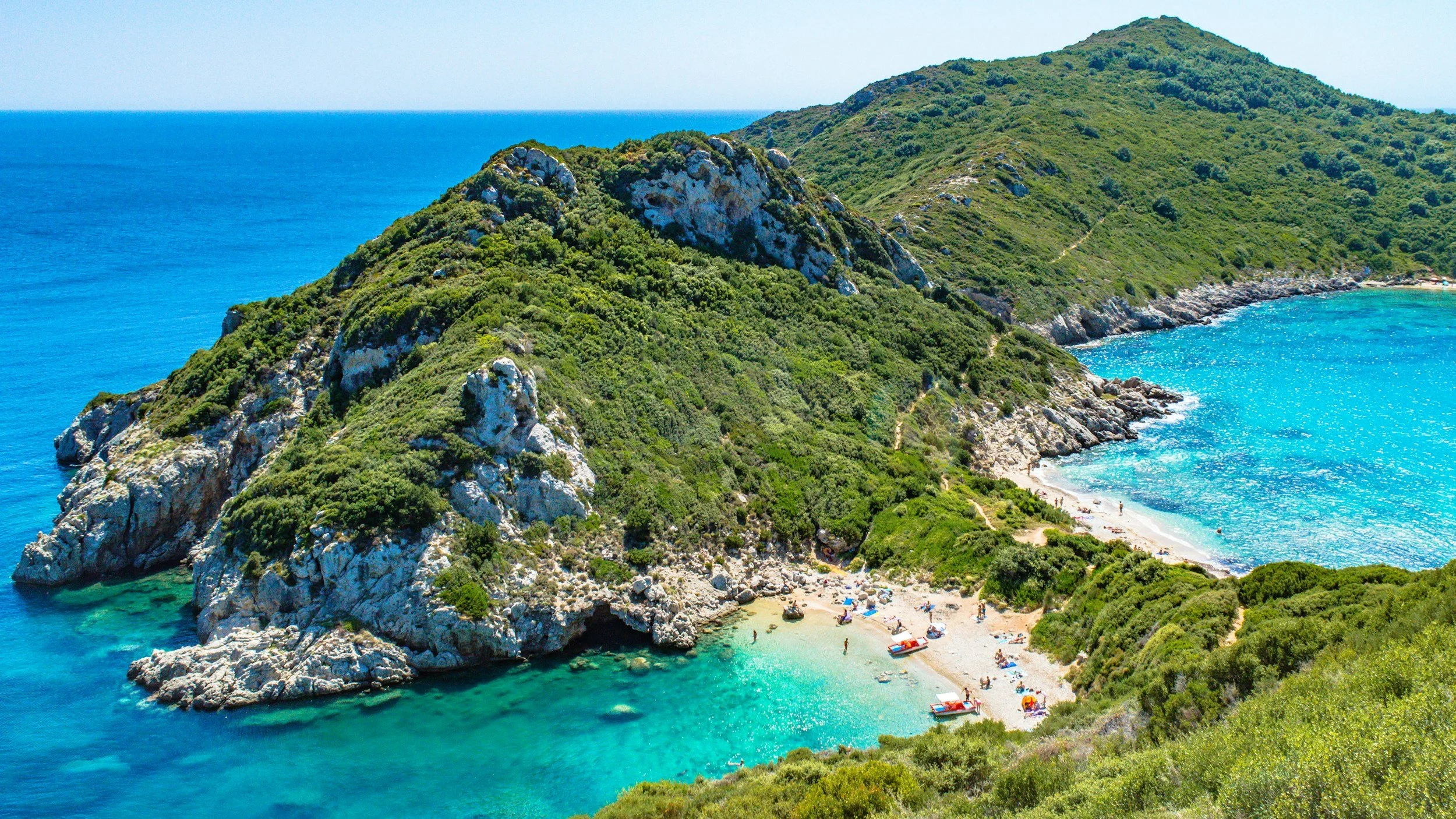
In the Ionian Islands off the western coast of Greece, Corfu has a distinctly different feel from the Cyclades. Greener, more lush, with Venetian and British colonial architecture layered on top of the Greek foundation. A good choice for visitors who want beautiful beaches without the crowds and prices of Mykonos and Santorini.
The Mainland
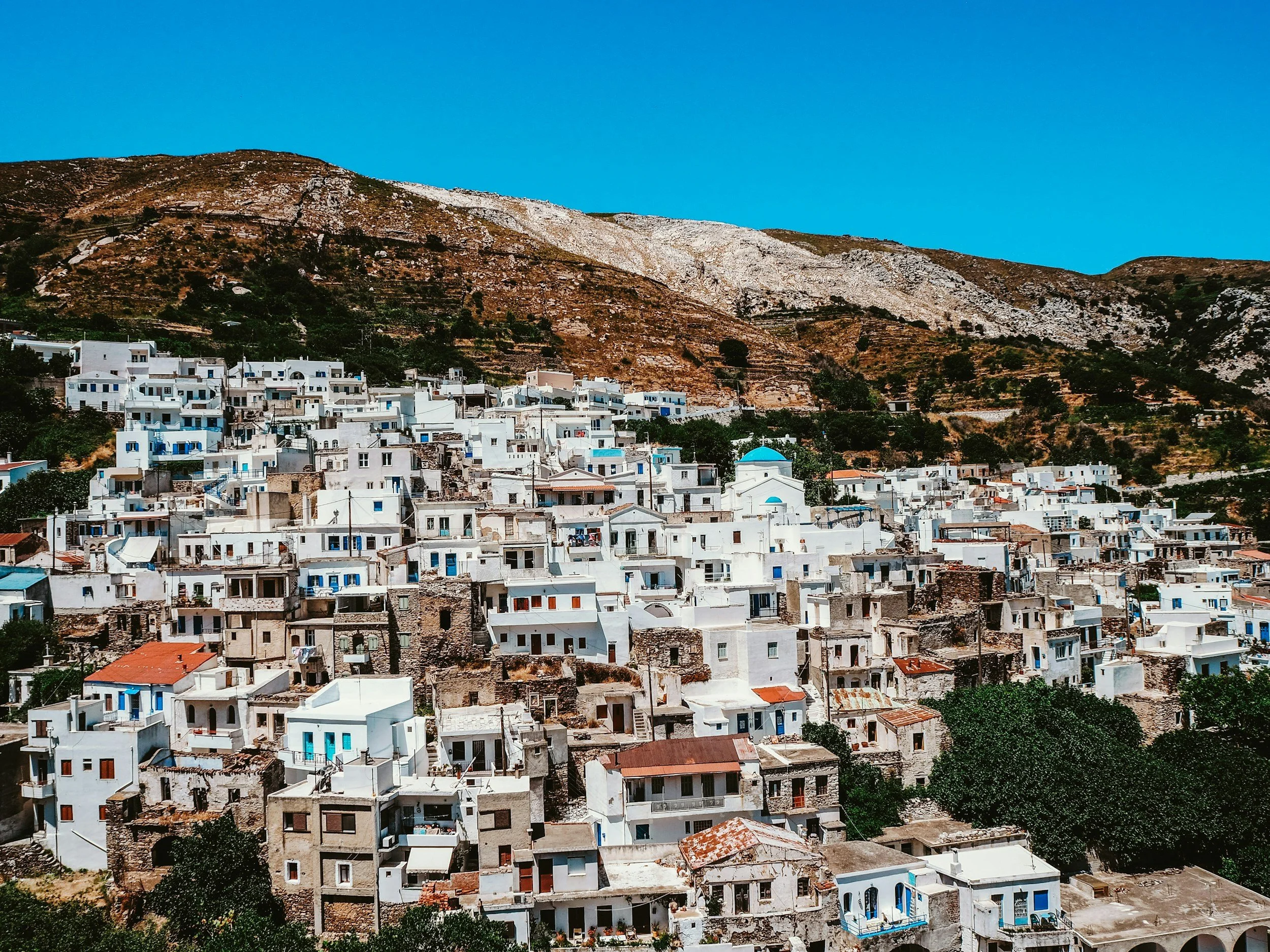
Most first time visitors to Greece focus entirely on the islands and miss the mainland almost completely. The Peloponnese alone, with the ancient sites of Mycenae, Olympia, and Epidaurus, could fill a week. Delphi, the ancient oracle site on the slopes of Mount Parnassus, is one of the most atmospheric archaeological sites in the country. Meteora, monasteries built on top of dramatic rock pillars in central Greece, is one of the most visually striking places in all of Europe. The mainland rewards visitors who are willing to look beyond the islands.
My Biggest Surprise the First Time in Greece
I Did Not Know Food Could Taste Like That

I have eaten salads my entire life. Seafood. Tomatoes. Feta. Things I have ordered hundreds of times in hundreds of different places. I thought I knew what they tasted like.
I did not.
The first meal we had in Greece was in Santorini. Something happened that I was not prepared for. The ingredients were the same ingredients. The same things I order at home. But they tasted completely different. Not better in the way that a good restaurant makes something better. Different in a more fundamental way. Like I had been eating a copy of something my whole life and was now eating the original for the first time.
I do not know how to fully explain it and I am not sure I need to. Go to Greece. Order something simple. Pay attention.
You will understand immediately.