Your First Time in Japan
Japan had recalibrated me completely without me noticing it was happening.
That is the thing nobody tells you before you go. You expect Japan to surprise you. You do not expect it to change the way you see home.
And that is exactly why everyone should go. Not because Japan is perfect, but because it shows you what is possible. Clean streets not because of infrastructure but because people decided to keep them clean. Quiet trains not because of rules but because everyone agreed that was the right way to be. Food from a convenience store that is genuinely better than most restaurants back home. A country of over 125 million people that feels calmer than your neighborhood on a Sunday morning.
Japan does not just give you a great trip. It gives you a new set of eyes. You will use them long after you get home, and not always comfortably.
What to Know Before Visiting Japan
-
Very safe, and genuinely so. Japan consistently ranks among the safest countries in the world and the experience of being there reflects that completely. Walking alone at night, including down narrow alleys in unfamiliar neighborhoods, does not feel the way it would at home. Violent crime is extraordinarily rare and petty theft is almost nonexistent. We left bags unattended at restaurant tables, forgot things on trains, and walked through parts of cities at midnight without a second thought. The main thing to stay aware of is the usual advice for any busy tourist destination: keep your bag zipped in crowded areas and on busy platforms. Beyond that, Japan is as safe as anywhere you will ever travel.
-
Yes, and more than you think. Japan is significantly more cash dependent than most developed countries and it will catch you off guard if you are not prepared. Many smaller restaurants, bars, izakayas, temples, and street food vendors do not accept cards at all. Some vending machines, public transport options, and local shops are cash only. The most reliable ATMs for foreign cards are at 7-Eleven and Japan Post locations, both of which are easy to find throughout the country. Withdraw enough for a few days at a time rather than scrambling every day, and let your bank know you are traveling before you leave.
-
Less than you probably expect. The value you get for what you spend is consistently high across the board. Budget accommodation exists and is good. Convenience store meals are excellent and cheap. Ramen, sushi, and udon from local spots cost a fraction of what the same quality would run you at home. Where costs add up are the big ticket items: bullet train travel between cities, Mt. Fuji day trips, and hotel stays in central Tokyo or Kyoto. Plan your big expenses in advance and the day to day spending will likely surprise you in the best way
-
For the destinations covered on this site, yes. Tokyo, Kyoto, Osaka, and Nara are technically navigable in English, but don't let that give you too much confidence. Train stations have some English signage and tourist areas may have English menus, but the translations are frequently awkward, incomplete, or just plain confusing. The language barrier is real and will matter more than you expect, particularly when something goes wrong or you step even slightly off the tourist trail. Download Google Translate before you leave and make sure it works offline. Learning a handful of basic Japanese words, arigatou gozaimasu for thank you, sumimasen for excuse me, goes further than you might think and is always appreciated.
-
It depends on your route. The Japan Rail Pass covers bullet trains, most JR lines, and some regional trains across the country and makes sense if you are moving between multiple cities over several days. If your trip includes Tokyo and Kyoto, which are about two and a half hours apart by shinkansen, the pass can pay for itself quickly. If you are staying in one city for most of the trip it probably will not. The clearest way to decide is to price out your actual journey in single tickets on the JR website and compare. One thing to know regardless: the pass must be purchased before you arrive in Japan. You cannot buy it once you are there. And even with a pass, reserve your shinkansen seats in advance. We did not on our first journey and spent the trip standing in an uncomfortable area with no seat.
-
Yes. This is not optional. WiFi in Japan is not as widespread as you might expect and you will be relying on your phone constantly for maps, translation, train times, and general navigation. Without a reliable data connection the trip becomes significantly harder. A Japanese eSIM is the easiest solution and can be set up before you leave home. Pocket WiFi devices are available to rent at the airport if you prefer a physical option. Either works. What does not work is assuming you will find WiFi when you need it. Sort this before you travel and do not think about it again.
The Best Time of the Year to Visit Japan
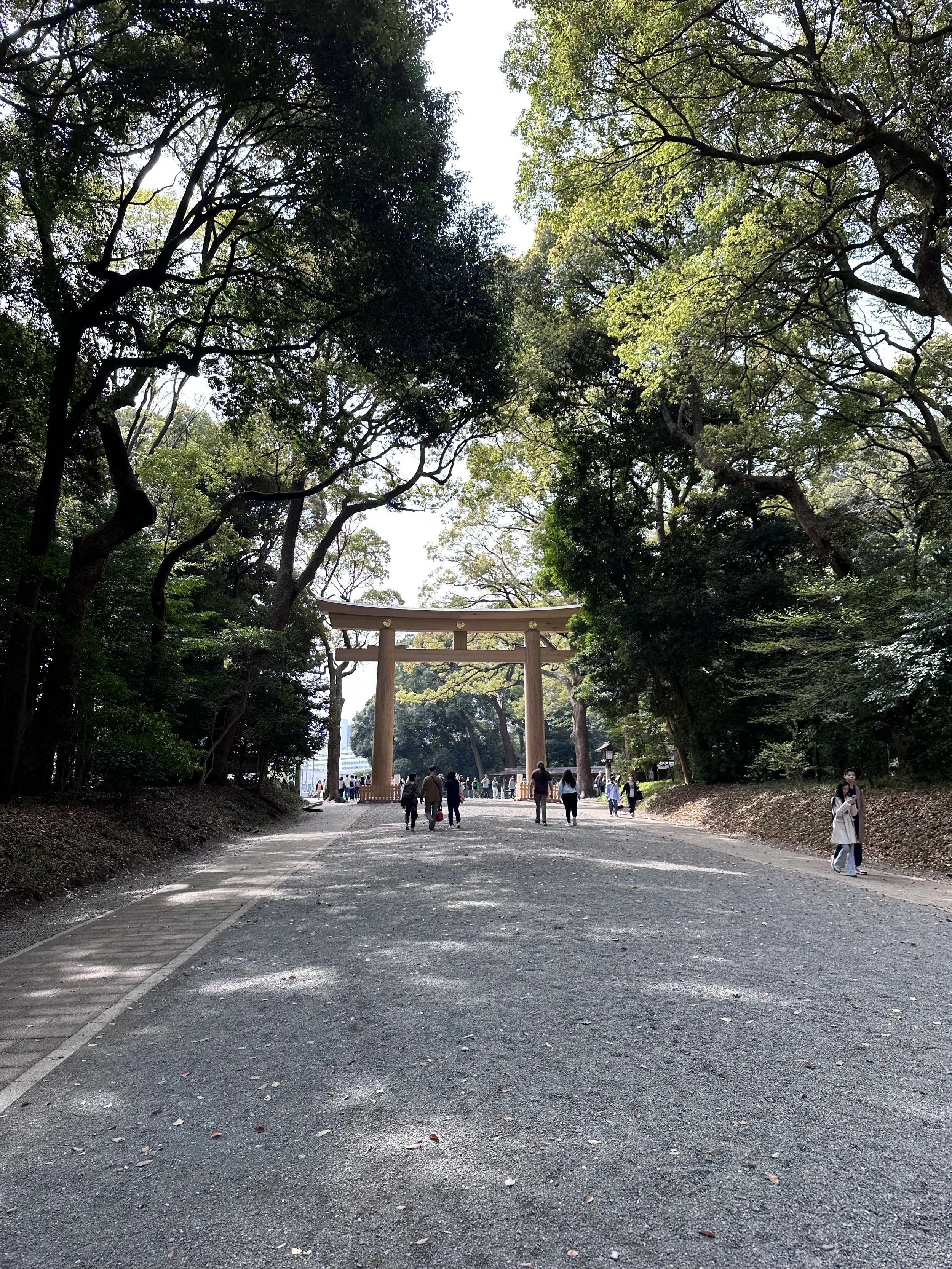
If you want cherry blossoms, and you do, late March to early April is the window. It is also one of the most popular times to visit which means crowds at the famous spots, higher hotel prices, and parks so full of picnicking locals that finding a patch of grass feels like an achievement. Go anyway. Cherry blossom season in Japan is one of those things that lives up to every photograph you have ever seen of it and then goes further. No amount of crowds will ruin it.
Outside of sakura season, Japan is worth visiting almost any time of year. The honest breakdown is below.
The Honest Breakdown by Season
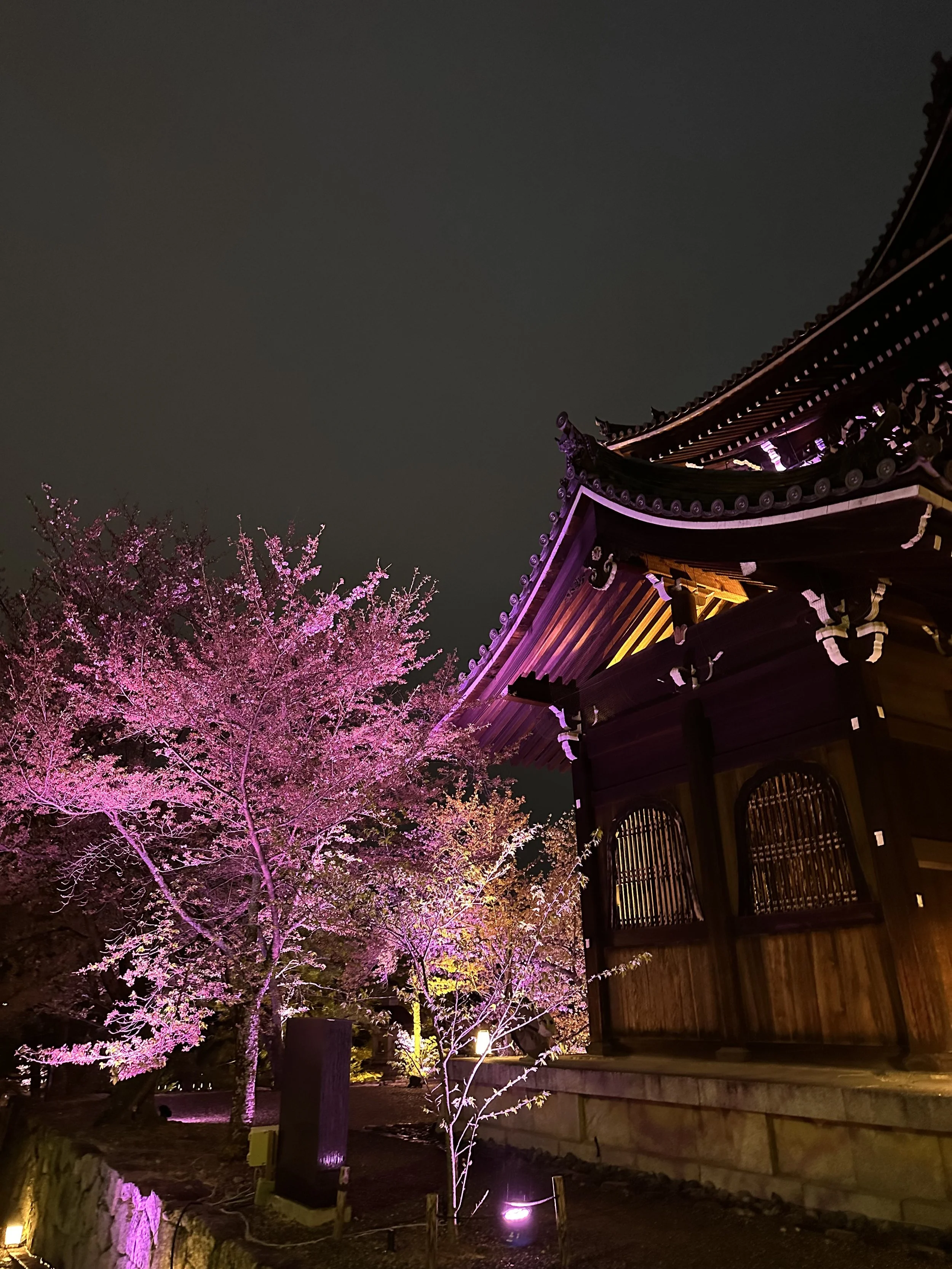
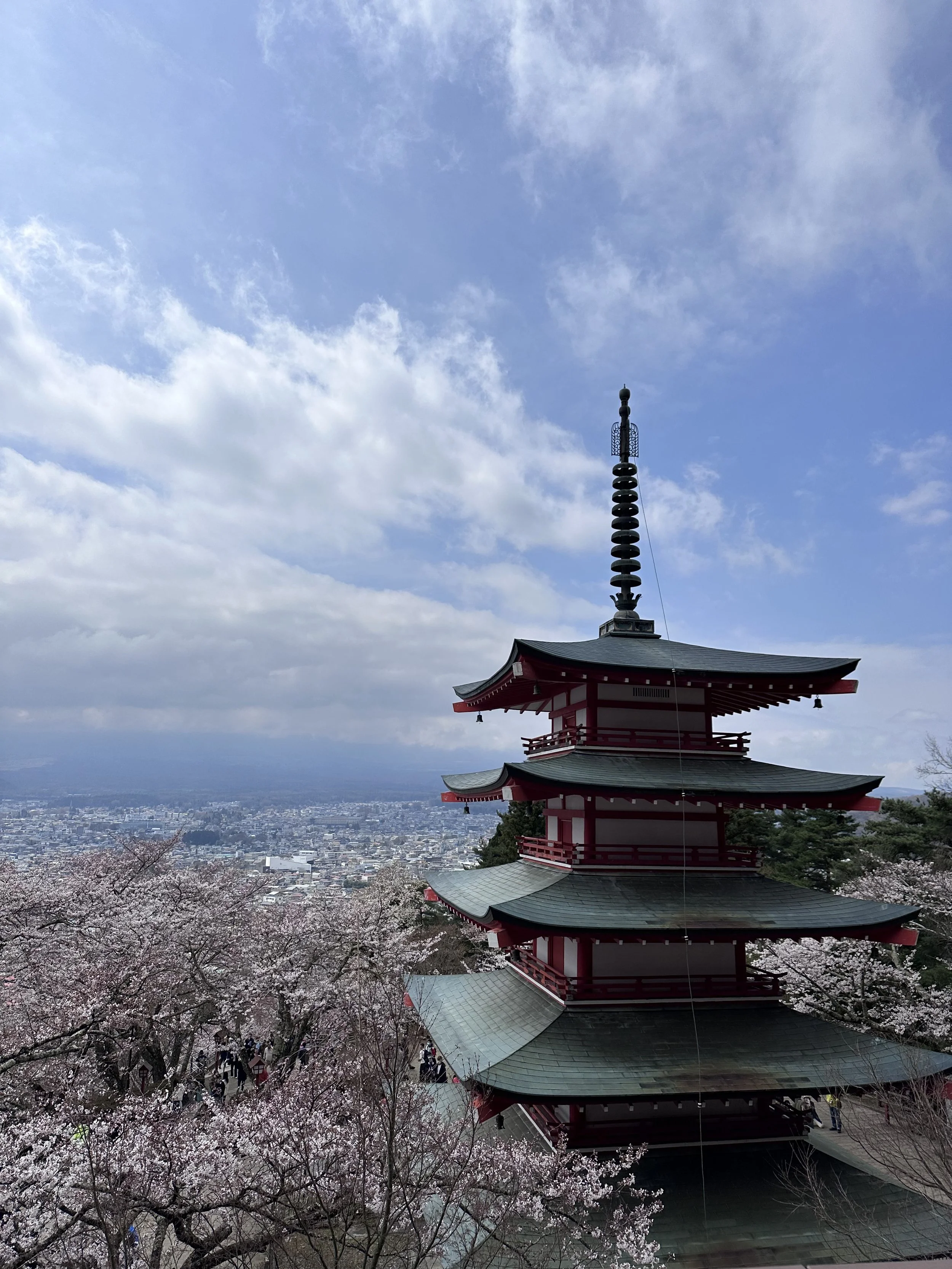
Late March to early April is cherry blossom season and the most visually spectacular time to visit. The whole country takes it seriously in a way that is genuinely moving. Parks fill with locals having picnics under the trees, canals are lined with blossoms lit up at night, and the cities feel like they are celebrating something. Book accommodation months in advance, expect higher prices, and accept the crowds as part of the experience. It is worth every bit of it.
May and June is the quieter version of spring. The cherry blossoms are gone but the weather is mild, the crowds have thinned, and everything is still green and beautiful. Early June brings the rainy season which can mean grey days and humidity, particularly in Kyoto. Not the most glamorous window but a genuinely good time to visit if cherry blossoms are not the priority.
July and August is summer and it is hot. Genuinely, aggressively hot, with humidity that makes the heat feel significantly worse than the temperature suggests. The upside is long days, summer festivals, and fireworks displays that are worth planning around. The downside is that exploring on foot, which is how you will spend most of your time in Japan, becomes exhausting by midday. Go early, rest in the middle of the day, and go back out in the evening.
September and October is the version most people who have been to Japan multiple times will quietly tell you is their favorite. The summer heat breaks, the crowds thin, and autumn foliage starts appearing from late October. Cooler temperatures make walking the city streets and temple grounds significantly more pleasant. A genuinely excellent time to visit and slightly underrated as a first trip window.
November brings full autumn color and it is stunning. Kyoto in particular turns extraordinary shades of red and orange and the temple gardens look completely different from their spring versions. Crowds pick back up for the foliage season but it is worth it. If cherry blossoms are not possible, this is the next best visual experience Japan offers.
December through February is winter. Cold in Tokyo, colder in Kyoto, and significantly colder in the mountains. The crowds are at their lowest and prices drop accordingly. Japan at Christmas and New Year is a specific and worthwhile experience, with illuminations across the cities and a New Year's Eve temple bell tradition that is genuinely moving if you are there for it. Not the classic first trip window but far from a bad time to go.
Cherry blossom season moves slightly every year depending on the weather. The Japan Meteorological Corporation releases bloom forecasts in January each year and they are worth checking before you book if sakura is the reason you are going. The peak bloom window in Tokyo and Kyoto is typically only one to two weeks, so timing matters more than most people realize.
Golden Week runs from late April into early May and is one of the busiest travel periods in Japan. The entire country is on the move, trains are packed, hotels fill up fast, and popular destinations are significantly more crowded than usual. If your dates overlap with Golden Week, book everything well in advance or consider adjusting your plans around it.
Things Worth Planning Around
Tokyo first, then Kyoto, then day trips to Nara and Osaka, then back to Tokyo. That is the order that works and the order this site covers. Starting in Tokyo gives you the best possible introduction to Japan because the city is so extraordinary that it sets the tone for everything that follows. Kyoto after Tokyo feels like a natural gear change, quieter and more considered, without feeling like a letdown. Ending with Nara and Osaka as day trips from Kyoto is the most efficient use of time and means you are not backtracking.
Do not do it in reverse. Ending in Tokyo after Kyoto works fine. Starting in Osaka and working backward does not. Tokyo earns its place at the beginning.
A Note on Trip Order
Getting Around in Japan
Japan's train system is one of the best in the world. It is also one of the most complex, and the language barrier makes it harder than anything you have navigated at home. We prepared before we went and still found it overwhelming in the first few days. The good news is that there is a system that works. You just need to set it up before you land, not after you are already lost on a platform in Tokyo.
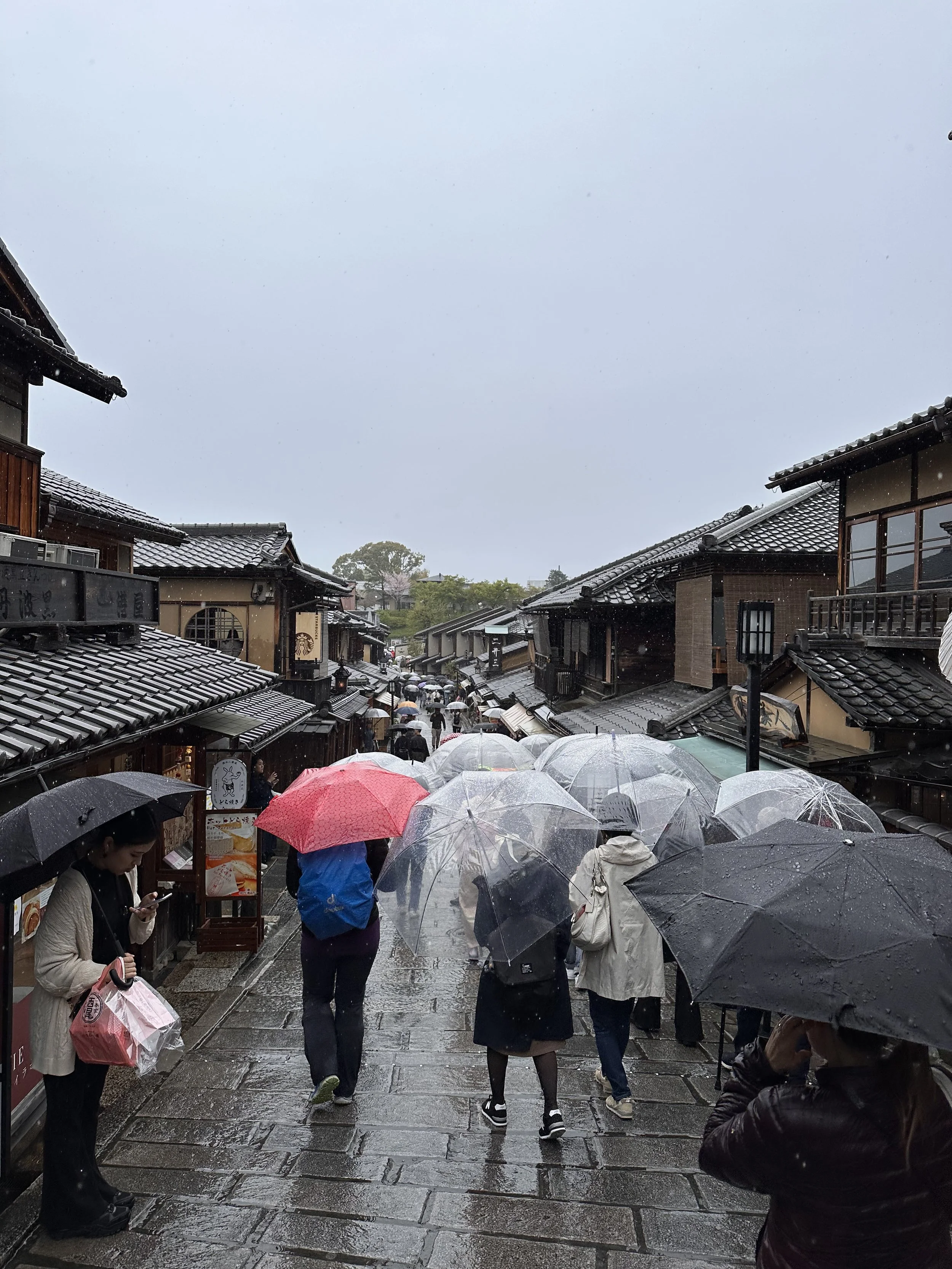
Multiple overlapping lines, different operators, signage that switches between English and Japanese, and a layout that takes several days to start clicking. It is a lot. What saved us was deciding before the trip that one person in our group would own all transit decisions. Their only job was to learn the train system. Download Navitime Japan Travel, study the major lines, and have that person lead every single call for the entire trip. Everyone else gets to look at the city. It sounds rigid but it is the only thing that actually works. Set it up before you leave.
The Train System
Load this onto your iPhone wallet before you fly. The Suica is a rechargeable card that works on almost every train, subway, and bus across Japan and at many convenience stores too. Standing at a ticket machine on day one unable to read anything while a line builds up behind you is not how you want to start the trip. The Suica means you tap in and tap out and never think about it again.
The Suica Card
The pass covers bullet trains, most JR lines, and some regional routes. If your trip includes multiple long distance journeys between cities the pass can pay for itself. If you are mostly staying in one place it probably will not. Price out your actual route before you buy.
Two things that matter regardless. The pass has to be purchased before you arrive. You cannot buy it in Japan. And even with a pass, reserve your shinkansen seats. We did not on the Tokyo to Kyoto leg and stood the entire journey. It is not a comfortable way to spend two and a half hours. Book the seats.
The Japan Rail Pass
Tokyo to Kyoto is the main journey for most first trips. The shinkansen takes about two and a half hours and is comfortable enough that it feels like part of the trip rather than just transit. Sit on the right side of the train heading southwest for views of Mt. Fuji about forty minutes out, weather depending.
Kyoto to Nara is forty five minutes on the JR Nara Line and covered by the Rail Pass. Kyoto to Osaka is fifteen minutes by shinkansen or about seventy five by local train. Neither requires much planning beyond showing up.
Getting Between Cities
Tokyo is its own challenge and the Navitime app plus designated train person is the only thing that actually works. Lean into it.
Kyoto is more forgiving. Uber works well there and is usually the easiest option when communicating a destination to a taxi driver is not realistic. Buses cover most of the temple districts and the city is walkable within neighborhoods, though the distances between eastern Kyoto, downtown, and Arashiyama are far enough that you will want transport between them.
Osaka and Nara are both easy to get around on foot once you arrive.
Getting Around Within Cities
The One Thing That Caught Us Completely Off Guard
Lake Kawaguchiko on the Mt. Fuji day trip. The buses did not run as scheduled. There is no Uber despite what multiple websites will tell you. Calling a taxi when you have no cell service and no shared language with the dispatcher is exactly as stressful as it sounds. We missed our train back to Tokyo.
It worked out, and the full story is on the Mt. Fuji page. But write down taxi phone numbers for the area before you leave Tokyo. On paper, not just your phone. Download offline maps for the area too. Do not assume you can figure it out when you need to. You will not have the signal or the language to do it in the moment.
Culture & Etiquette Basics
(How Not to Be That Tourist)
Japan has a level of social consideration baked into everyday life that will catch you off guard if you are not expecting it. Not in a way that feels rigid or unwelcoming. In a way that makes you realize how much you had accepted as normal at home that actually is not. These are the things worth knowing before you arrive.
You will remove them constantly. Temples, some restaurants, traditional tea houses, izakayas with tatami mats, and plenty of other places require you to take your shoes off before entering. This happens multiple times a day. Wear shoes that slip on and off easily. Lace ups will make your life genuinely inconvenient. Also bring socks without holes. This matters more than it sounds and you will understand why the first time you are standing in a doorway removing your shoes in front of a room full of people.
1. Shoes
To go food exists everywhere in Japan but eating it while walking is considered rude. Nobody does it. Find somewhere to stand or sit and eat it there. This is one of those cultural norms that nobody mentions before you go and that immediately marks you as a tourist if you miss it. We noticed it ourselves before we knew it was a rule, because the absence of it was so striking in a city of millions of people.
2. Eating While Walking
Japanese trains are almost completely silent. Phone calls are taken outside the carriage. Voices are kept low. Some carriages have designated quiet zones where conversation is genuinely discouraged. This is not unfriendliness. It is just how everyone has agreed to treat shared space. Match the energy and you will feel less like a visitor.
3. Trains and Public Spaces
Do not do it. Tipping is not part of Japanese culture and in some cases can be considered rude or confusing. The service you receive in Japan is exceptional across the board and none of it comes with an expectation of anything extra. Leave your tipping habits at home.
4. Tipping
Carry it always. We covered this in the FAQs but it bears repeating here because it is as much a cultural reality as a practical one. Japan is a cash based society in a way that most Western travelers are completely unprepared for. Many smaller restaurants, bars, temples, and street food vendors do not accept cards at all. Running out of cash in the wrong place at the wrong time is a specific kind of stress you do not need. ATMs at 7-Eleven and Japan Post are the most reliable for foreign cards. Use them regularly and do not let your cash run low.
5. Cash
There are almost no public trash cans in Japan. The country is spotlessly clean and somehow this is part of how it stays that way. People carry their trash with them until they find somewhere to put it, which is usually inside a convenience store. Carry a small bag for your rubbish and get into the habit of using it. The only reliable public trash cans you will find are inside 7-Eleven and other convenience stores. Plan accordingly.
6. Trash
My Biggest Surprise the First Time in Japan
Nobody Warned Me About the After
I expected Japan to surprise me. Everything I had read and watched told me it would. The food, the trains, the cleanliness, the temples. I thought I knew what was coming.
What I did not see coming was the feeling I had for ten straight days of my brain finally being still. Not from meditation or rest or being somewhere peaceful. From simply not being able to read anything around me. Every sign, every menu, every platform screen, every storefront. All of it completely out of reach. And somehow that became the most unexpected gift of the entire trip.
I did not realize how much mental noise I carried around at home until Japan took it away.
And I did not realize Japan had taken it away until I landed at LAX and it came rushing back all at once.
That is the part nobody warned me about. Not the trip. The after. Walking back into my own life and feeling the loss of something I had not even known I was carrying. Standing in my own airport wondering when everything got so loud and how I had ever accepted it as normal.
Japan does not just show you something new. It shows you what you had stopped noticing about home. And that is not always a comfortable thing to see.
Go anyway. Go because the food will ruin you for everywhere else. Go because the trains will make every other transit system feel like a personal insult. Go because you will stand somewhere, a canal at night, a temple garden, a mountain that appears out of nowhere through clouds, and feel something you do not have a word for yet.
Go. Just know you will not come back exactly the same. And that the after is part of the trip.