
Your First Time in Turkey
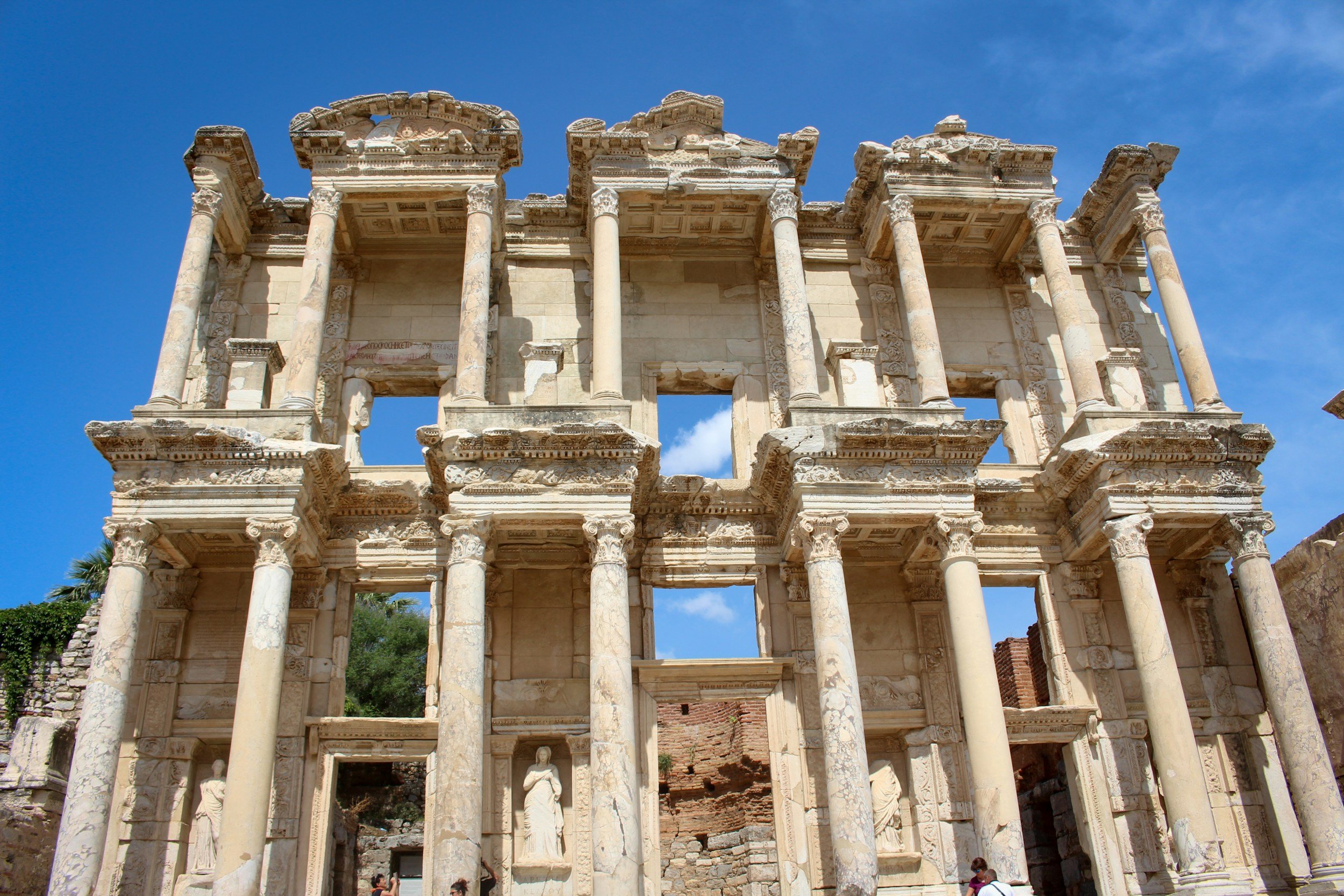
Turkey gets an unfair reputation in the minds of a lot of Western travelers. It sits in that uncertain category of places people have assumptions about without having been there, too Middle Eastern to feel familiar, too European to feel exotic, politically complicated enough that people talk themselves out of going before they have done any real research.
I was one of those people.
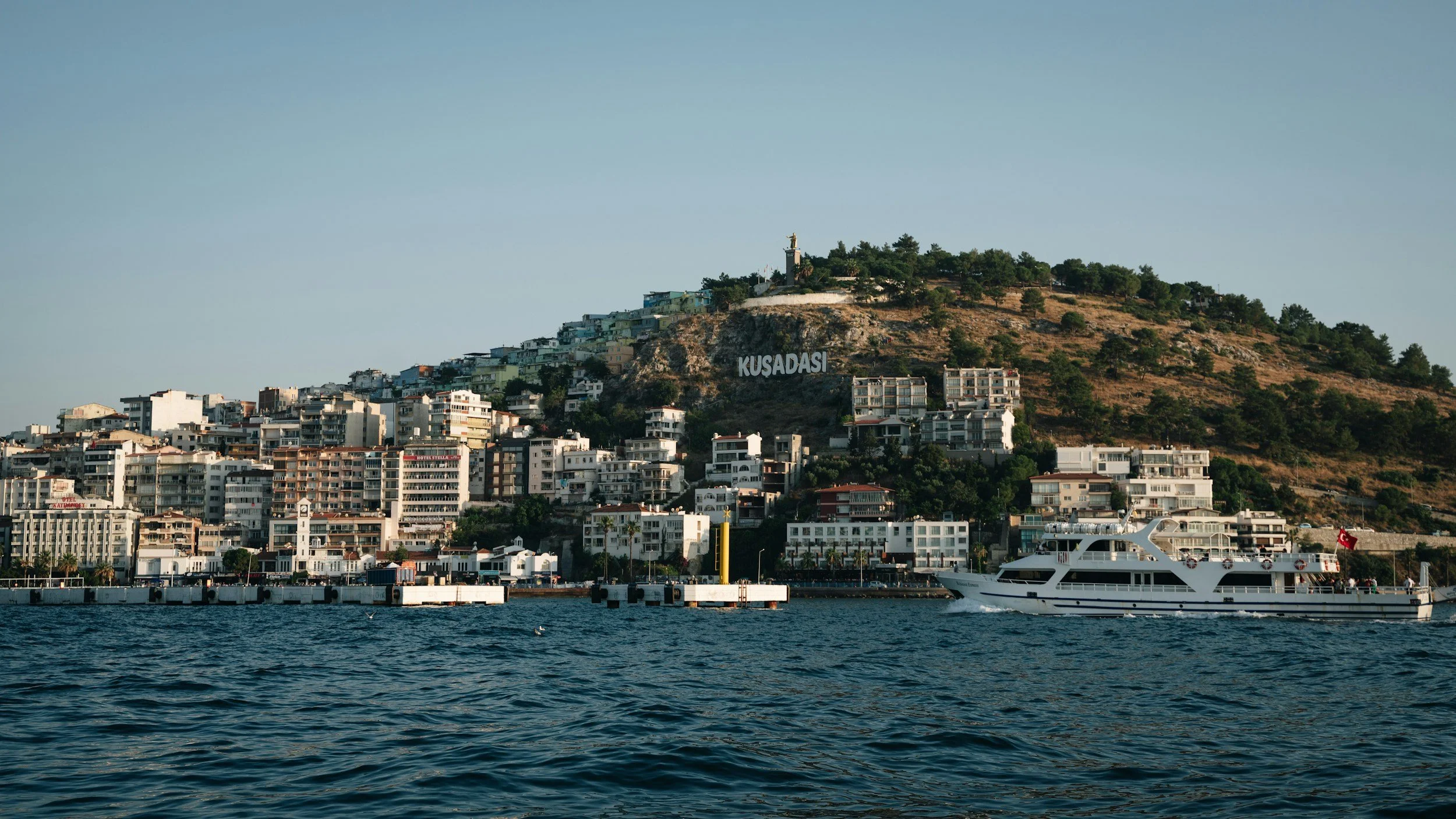
We had one day in Kusadasi on a cruise stop. I went in with low expectations and came out genuinely surprised. Not overwhelmed, not converted, not planning to move there. Just surprised in the specific way that happens when a place turns out to be more than what you assumed it would be.
That one day was enough to make me want more of Turkey. Istanbul, Cappadocia, Pamukkale, the Aegean coast. Places I have not been yet but am genuinely curious about now in a way I was not before. That shift happened because of a single day and that is not nothing.
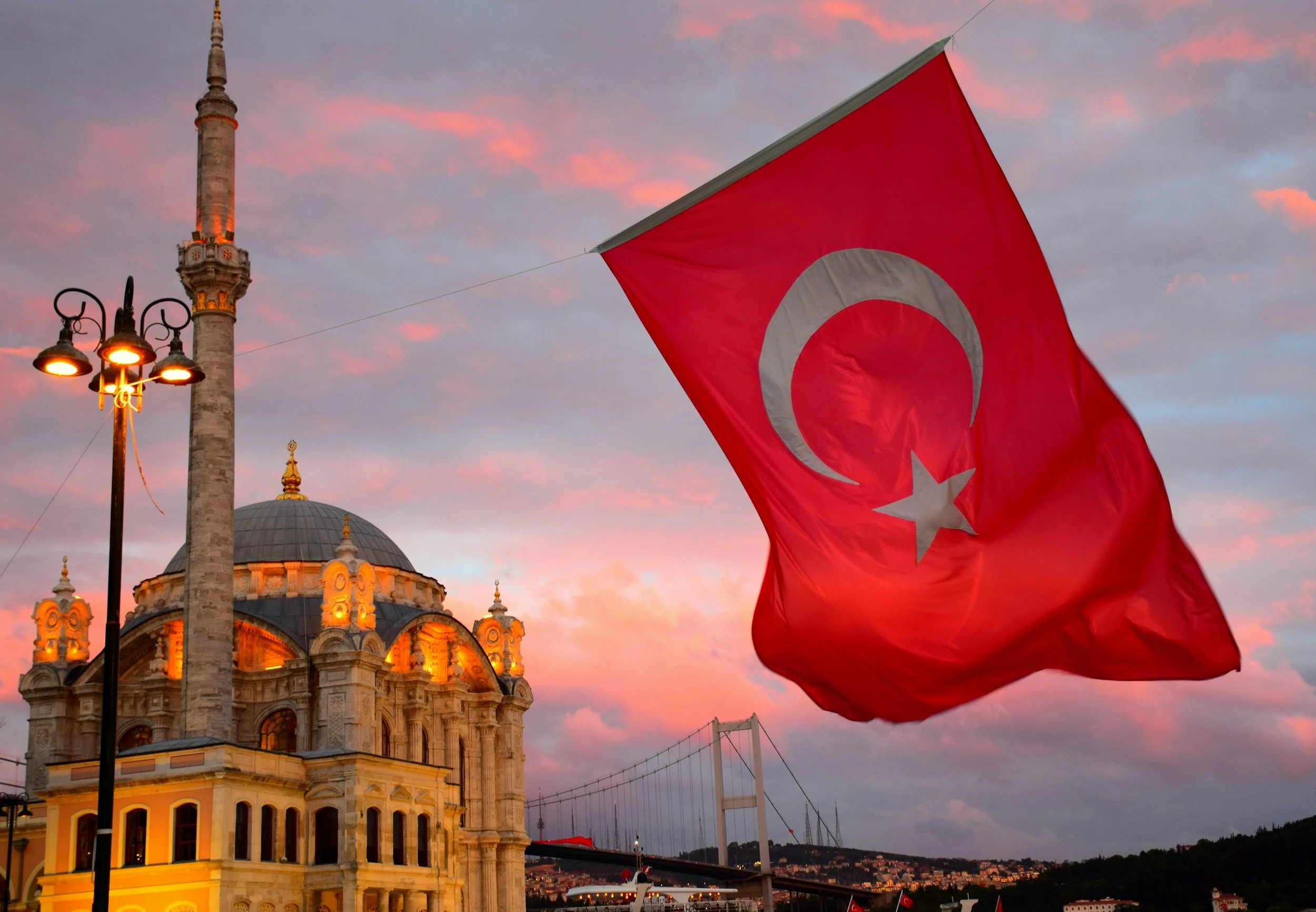
Turkey is not a perfect destination and this page will not pretend it is. The safety situation requires awareness in a way that some other destinations do not. The political context is worth understanding before you go. And like anywhere, the experience you have depends enormously on where you go and how you approach it.
But the country is also genuinely beautiful, historically extraordinary, culinarily underrated, and full of people who will surprise you with their warmth and their languages and their complete willingness to meet you wherever you are coming from.
It earned a return visit. That is the honest version.
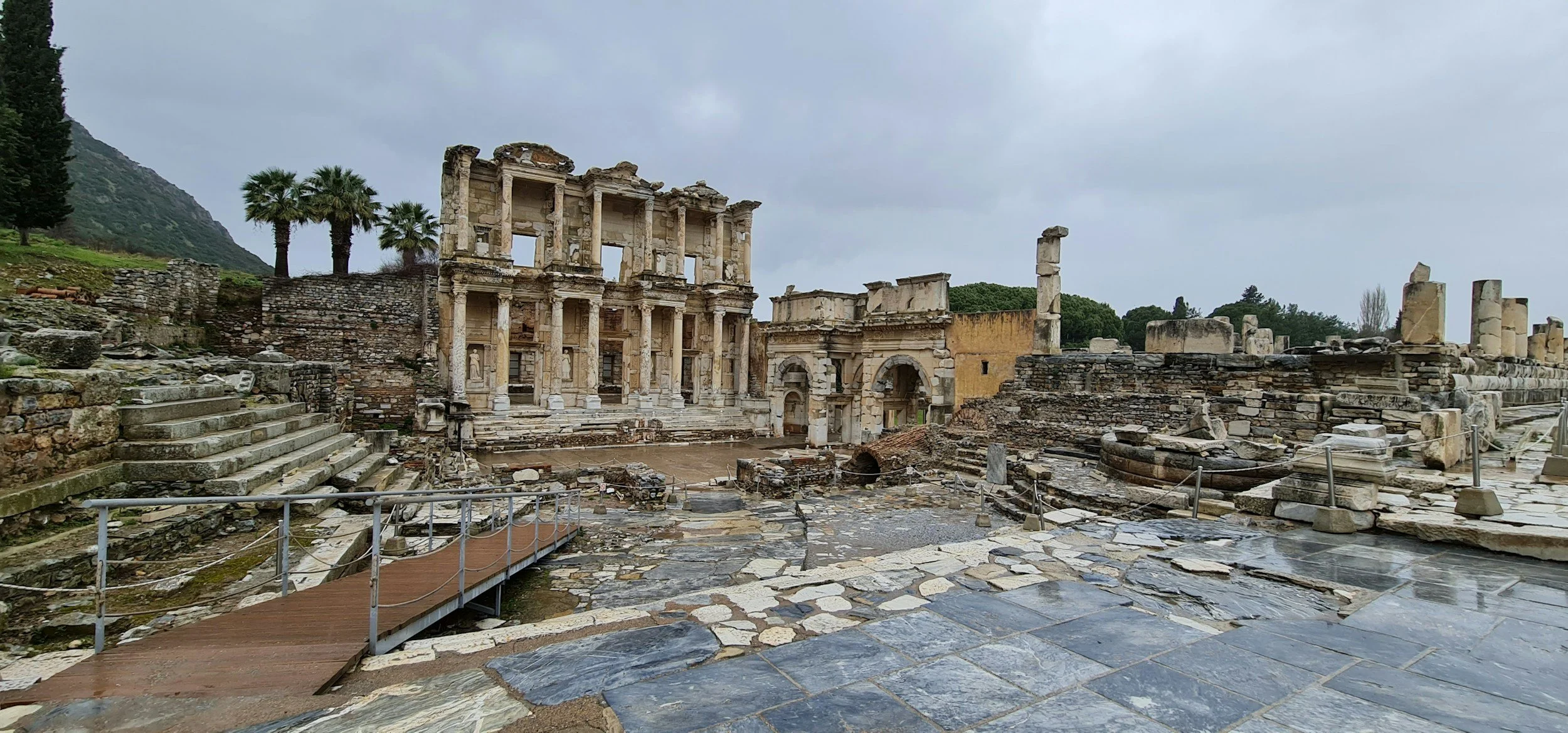
My firsthand experience in Turkey is one day in Kusadasi and Ephesus. That is not the whole country and I will not pretend it is. But it was enough to change how I think about Turkey and enough to make me want to come back for more. Everything on this page beyond the Ephesus destination is thoroughly researched. That is worth knowing because honesty about what I have and have not seen is the whole point of this site.
Ephesus - A day in Kusadasi that exceeded every expectation. Ancient ruins, the House of Virgin Mary, Turkish food, and a carpet presentation I almost skipped. Full guide on the Ephesus page.
More destinations will be added as we go back and experience more of this country.
A Brief Look at What Is Covered Here
What to Know Before Visiting Turkey
-
It depends on where you go and when you go. The US State Department currently has Turkey at a Level 2 advisory, meaning exercise increased caution, which is the same level applied to many popular European destinations. The main tourist areas, Istanbul, Kusadasi, Ephesus, Cappadocia, Antalya, and the Aegean coast, are open and operating normally. The southeast of the country near the Syrian and Iraqi borders is a different story entirely and is currently at a Level 4 do not travel advisory. Stay away from that region completely.
Within the tourist areas the main things to be aware of are petty crime, pickpocketing and bag snatching in crowded markets and transport hubs, and a general awareness that terrorism risk exists at tourist sites. The State Department has also noted elevated anti-US sentiment in the current climate. None of this means you should not go. It means you should go with your eyes open, stay aware of your surroundings, avoid demonstrations, and exercise the same caution you would in any major international city. I felt safe in Kusadasi. Not recklessly so. Just normally aware.
Check the State Department website at travel.state.gov before you book and again before you leave. The situation can change and you want current information not information from a travel blog written six months ago.
-
US citizens do not need a visa for tourist stays of up to 90 days within any 180 day period. This has been the case since January 2024. Your passport must be valid for at least six months beyond your intended arrival date. For any other purpose, work, study, or stays longer than 90 days, you will need to apply through the Turkish embassy before you travel. Check the official Turkish Ministry of Foreign Affairs website before you go since entry requirements can change.
-
Yes, and more than you might expect. Cards are accepted at hotels, larger restaurants, and shops in tourist areas but markets, smaller vendors, street food stalls, and tipping all run on cash. The Turkish lira is the currency and you will get better rates exchanging money in Turkey than at home or at the airport. ATMs are widely available in tourist areas. Withdraw enough for a few days at a time and carry small bills for markets and tips.
One thing worth knowing: if you are shopping in a market and a vendor names a price, that price is negotiable. Bartering is part of the culture and expected. Having cash makes that process significantly easier than trying to negotiate a card payment.
-
It depends on where you are. Turkey is a secular country and in tourist areas, cities, and coastal resorts the dress code is relaxed. Shorts, sleeveless tops, and swimwear at the beach are all completely normal. The rules change when you enter a mosque or religious site. Cover your shoulders, cover your knees, and women need to cover their hair. Most mosques provide scarves at the entrance if you do not have one. When visiting places like the House of Virgin Mary or any active religious site, modest dress is not just respectful, it is required. Dress for the day with a light layer you can add when you need it.
-
In the main tourist areas, yes. Istanbul, Kusadasi, Ephesus, Cappadocia, and Antalya are all navigable in English. In smaller towns and rural areas you will find less English spoken and a translation app will help. What surprised us most was not just that people spoke English but how many languages the people we encountered spoke altogether. Shopkeepers in Kusadasi switched languages depending on where you said you were from, English, German, Serbian, and others without missing a beat. Download Google Translate before you go and make sure it works offline. It will matter more in specific moments than you expect.
-
Turkey uses the Turkish lira. For Western visitors, particularly Americans, Turkey is currently very affordable. The exchange rate works strongly in your favor and the cost of food, accommodation, and activities is significantly lower than comparable destinations in Western Europe. Eating well, staying somewhere comfortable, and seeing major sites does not require a large budget. Where costs add up is on guided tours and cruise shore excursions, which are priced for Western tourists rather than local budgets. If you are doing Turkey independently rather than through a cruise, you will find it considerably more affordable than you expect.
The Best Time of the Year to Visit Turkey
Turkey is a large country with genuinely different climates depending on where you are going. The Aegean and Mediterranean coasts, Istanbul, and Cappadocia all have different ideal windows. The honest answer is that the best time depends on what you are there to do.
For a first trip covering the main tourist destinations, the sweet spot is April through June and September through October. Mild temperatures, manageable crowds, and most attractions fully open and operational. These shoulder season windows are when Turkey is at its most enjoyable for first time visitors who want to actually move around and see things rather than survive the heat.
April and May is the best window for the Aegean coast and Ephesus. Temperatures are warm but not brutal, the crowds have not yet peaked, and the landscape is green and fresh. This is the window we visited and it was comfortable for a full day of outdoor walking at the ruins.
June through August is summer and it is hot. The Aegean and Mediterranean coasts are beautiful but temperatures regularly exceed 100 degrees Fahrenheit and the main tourist sites become extremely crowded. If you are going for the beach and the coast, this is the season. If you are going for ruins and history, the heat will make every outdoor hour harder than it needs to be. Go early in the day and plan rest time in the middle.
September and October is the other sweet spot. The summer crowds have thinned, temperatures have dropped to something more manageable, and the light is sharper and more beautiful than the bleached out summer version. Many people who have been to Turkey multiple times will tell you this is their favorite window.
November through March is the off season. Istanbul is fully operational and worth visiting year round as a city destination. Cappadocia gets snow in winter which is genuinely stunning if that is what you are after. The Aegean coast slows down significantly, with some smaller hotels and restaurants closing entirely. Not the classic first trip window but not without its appeal if you know what you are signing up for.
The Honest Breakdown by Season
Things Worth Planning Around
Ramadan falls on different dates each year and is worth knowing about before you go. During Ramadan some restaurants will be closed during daylight hours, particularly in less touristy areas, and the atmosphere in more conservative parts of the country changes noticeably. In tourist areas the impact is minimal but it is worth being aware of.
Summer school holidays in July and August bring Turkish domestic tourists to the coast in significant numbers. The popular beaches and coastal towns get extremely busy. Book accommodation well in advance if your dates fall in this window.
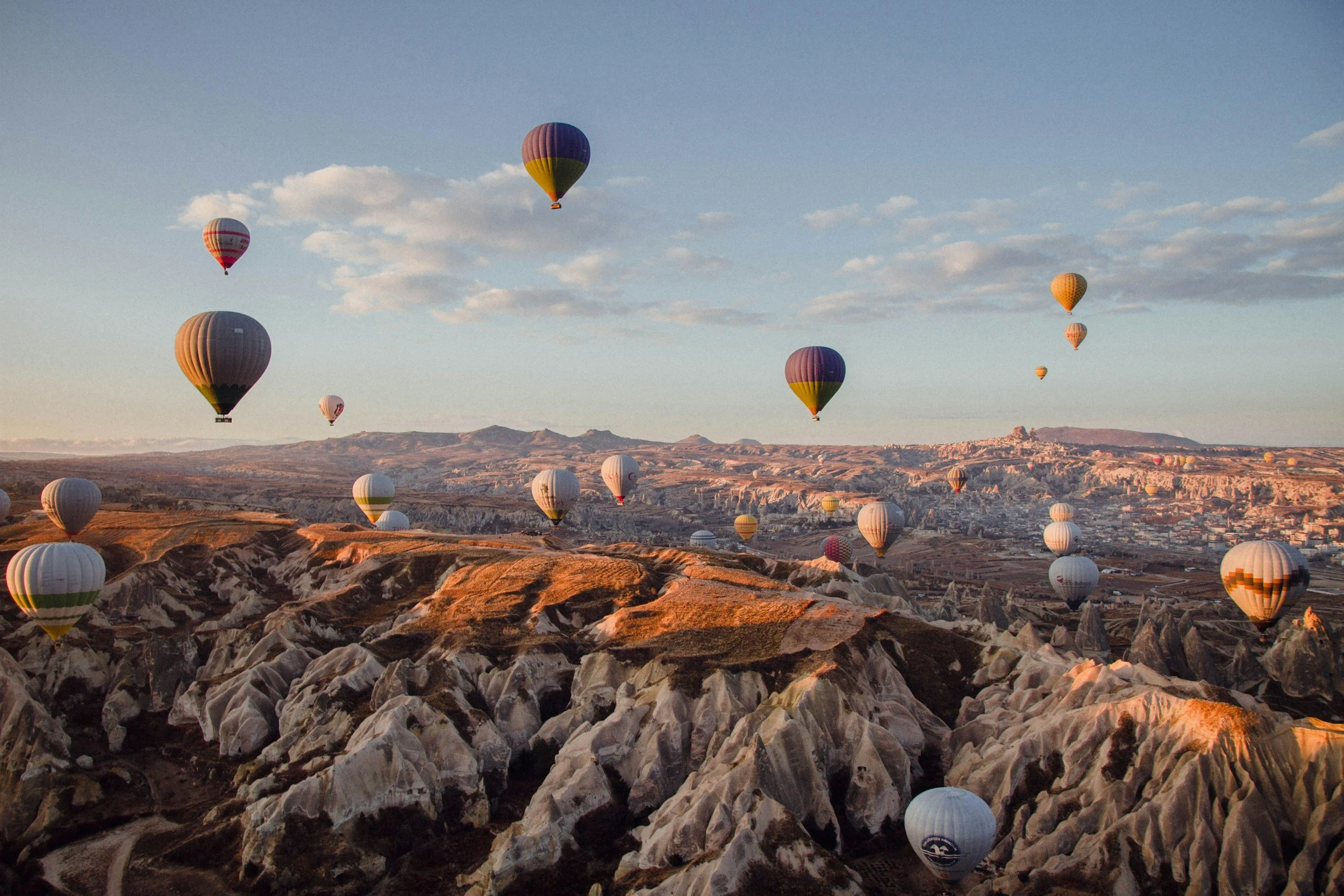
Hot air balloon rides in Cappadocia, one of the most sought after experiences in Turkey, are weather dependent and can be cancelled at short notice. Early morning flights in spring and fall have the best conditions and the most reliable operation. Summer flights are more likely to be cancelled due to wind. Factor this in if Cappadocia is a priority.
If your trip includes multiple destinations, the most logical route for a first time visitor is Istanbul first, then Cappadocia by short domestic flight, then the Aegean coast including Ephesus, finishing in Antalya if time allows. Istanbul is the natural entry point and the best introduction to Turkey before you move into the more regional experiences. Starting on the coast and ending in Istanbul tends to make the city feel like a step down rather than the extraordinary place it actually is.
A Note on Trip Order
Getting Around in Turkey
Turkey is a large country and getting around it requires a plan. The good news is that the infrastructure for tourists is well developed, domestic flights are affordable and frequent, and the main tourist destinations are all connected in a way that makes a multi city first trip genuinely manageable.
Multiple overlapping lines, different operators, signage that switches between English and Japanese, and a layout that takes several days to start clicking. It is a lot. What saved us was deciding before the trip that one person in our group would own all transit decisions. Their only job was to learn the train system. Download Navitime Japan Travel, study the major lines, and have that person lead every single call for the entire trip. Everyone else gets to look at the city. It sounds rigid but it is the only thing that actually works. Set it up before you leave.
Domestic Flights
Turkey has an extensive and well operated long distance bus network that connects cities and towns across the country. For shorter distances or routes without convenient flight options, buses are comfortable, affordable, and reliable. Companies like FlixBus and local operators run frequent services between major destinations. If you have time and flexibility, the bus is a good way to see the country between cities.
Buses
Turkey has a growing high speed rail network connecting some major cities. Istanbul to Ankara by high speed train takes about four hours and is a comfortable and scenic option. The rail network does not cover all tourist destinations however and for many routes flying or taking a bus will be more practical.
Trains
Istanbul has an extensive metro, tram, and ferry network that covers most of the major tourist areas. The Istanbulkart is a rechargeable transit card that works across all public transport in the city. Get one as soon as you arrive. It will save you money and make navigating the city significantly easier than buying individual tickets.
In smaller cities and tourist areas like Kusadasi and Selcuk near Ephesus, taxis and private transfers are the most practical option. Agree on a price before you get in or make sure the meter is running. Uber operates in Istanbul and is often more straightforward than negotiating with taxis.
Getting Around Within Cities
A car is worth considering if you are planning to explore the Aegean coast at your own pace, visit smaller villages off the main tourist routes, or move between destinations that are not well connected by public transport. Roads in the western tourist regions are generally in good condition. Driving in Istanbul is a different matter entirely and not something most first time visitors need to attempt. Fly or take transit in the city and rent a car for the regional exploration.
Renting a Car
If you are visiting Turkey as a port stop the way we did, your logistics are largely handled. Shore excursions cover transport to and from the main sites. If you want to go independently from the port, taxis and private tour operators are available directly at the dock. Agree on a price and a return time before you commit to anything and make sure whoever you hire understands that your ship departure is a hard deadline.
Coming from a Cruise Ship
Culture & Etiquette Basics
(How Not to Be That Tourist)
Turkey sits at the intersection of East and West in a way that is immediately apparent when you arrive. It is a secular country with a predominantly Muslim population, a modern infrastructure with ancient traditions running underneath everything, and a culture that is warmer and more welcoming than most Western travelers expect. These are the things worth knowing before you go.
In markets and bazaars bartering is not just acceptable, it is expected. The first price you are given is not the final price. It is the opening position and both sides know it. Ask the price, offer something lower than you actually want to pay, the vendor counters, you meet somewhere in the middle. Nobody gets offended. Once you relax into it, it becomes one of the more enjoyable parts of being in Turkey.
What feels uncomfortable for most Americans is that we are not used to it. Prices at home are fixed and negotiating feels confrontational. In Turkey it is just how things work. One practical note worth knowing: if you say you are American the opening price will likely be higher than if you say you are from somewhere else. It is not personal. It is just information.
1. Bartering
The Turkish people we encountered spoke an almost implausible number of languages. Shopkeepers along the streets of Kusadasi would ask where you were from and then switch immediately to your language. English, German, Serbian, and others, all deployed without hesitation depending on the answer. It is one of the most immediately disarming things about Turkey because it removes the language barrier before you have even had a chance to feel it.
In the main tourist areas English is widely spoken and you will not struggle. In smaller towns and rural areas a translation app becomes more important. Download Google Translate before you leave and make sure it works offline.
2. The Languages
Turkey has some of the most extraordinary mosques in the world and visiting them is one of the defining experiences of being in the country. The rules are consistent across all of them. Remove your shoes before entering. Cover your shoulders and knees. Women need to cover their hair. Most mosques provide scarves at the entrance if you do not have one. Speak quietly inside. Do not visit during prayer times if you can avoid it, and if you happen to be inside when prayer begins, move to the side and wait quietly.
These are not suggestions. They are requirements and they are worth taking seriously not just out of respect for the religion but because these are active places of worship, not museums.
3. Mosque Etiquette
Turkish coffee is served in a small cup and is strong enough to make you reconsider how you have been drinking coffee your entire life. Thick, dark, intensely flavored, with the grounds settled at the bottom of the cup. Do not drink the last sip. Turkish tea, or çay, comes in a small tulip shaped glass and is equally strong and equally good. Both are served in small quantities and neither needs to be larger. The small serving is exactly the right amount.
Tea in particular is a social currency in Turkey. It will be offered to you in shops, at carpet presentations, and in restaurants. Accepting it is polite. It is also genuinely good.
4. The Coffee and Tea
Turkey has a long and genuine relationship with street cats that goes back centuries, particularly in Istanbul. They are everywhere, in the ports, on the streets, in the ruins, in the restaurants, wandering freely and completely unbothered by human presence. They are fed and cared for by locals as a kind of collective community responsibility. Nobody owns them and everybody looks after them. It is one of those details that says something real about the culture without anyone having to explain it.
5. The Cats
Turkey is significantly more liberal than many Western travelers expect, particularly in cities and coastal areas. Shorts, sleeveless tops, and beach attire are all completely normal in tourist areas. The rules change at religious sites where modest dress is required regardless of the weather or how hot it is. Pack a light layer you can add when you need it and you will not have to think about it again.
6. Modest Dress
Where to Go in Turkey
My firsthand experience in Turkey is one day in Kusadasi and Ephesus. The destinations below are the ones I want to go back for, researched thoroughly and presented honestly as places worth knowing about before you plan your first trip. Each one will get its own full page as we experience them.
Istanbul
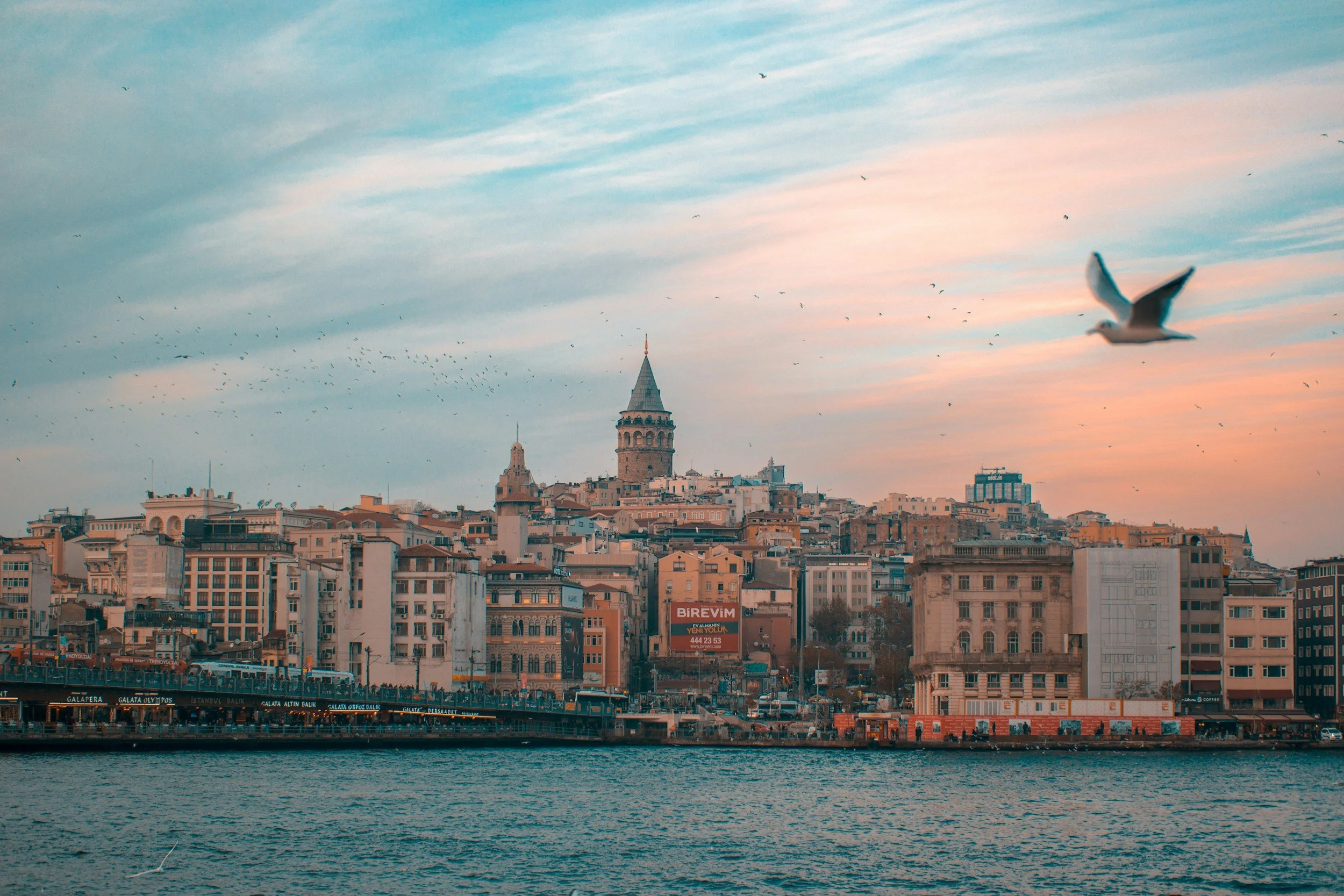
The only city in the world that spans two continents, Istanbul sits where Europe meets Asia across the Bosphorus strait. It is the cultural and historical heart of Turkey and the natural starting point for any first trip. The Hagia Sophia alone, a structure that has served as a cathedral, a mosque, and a museum across its nearly 1,500 year history, is worth the trip. Add the Blue Mosque, Topkapi Palace, the Grand Bazaar, the Basilica Cistern, and a cruise along the Bosphorus and you have one of the most extraordinary city itineraries in the world.
Istanbul is also a food city in a way that most Western travelers do not expect. The street food, the fish markets, the meyhanes, the rooftop bars with views over the water. It is a city that rewards wandering more than planning and one that most people who visit wish they had spent more time in.
Cappadocia
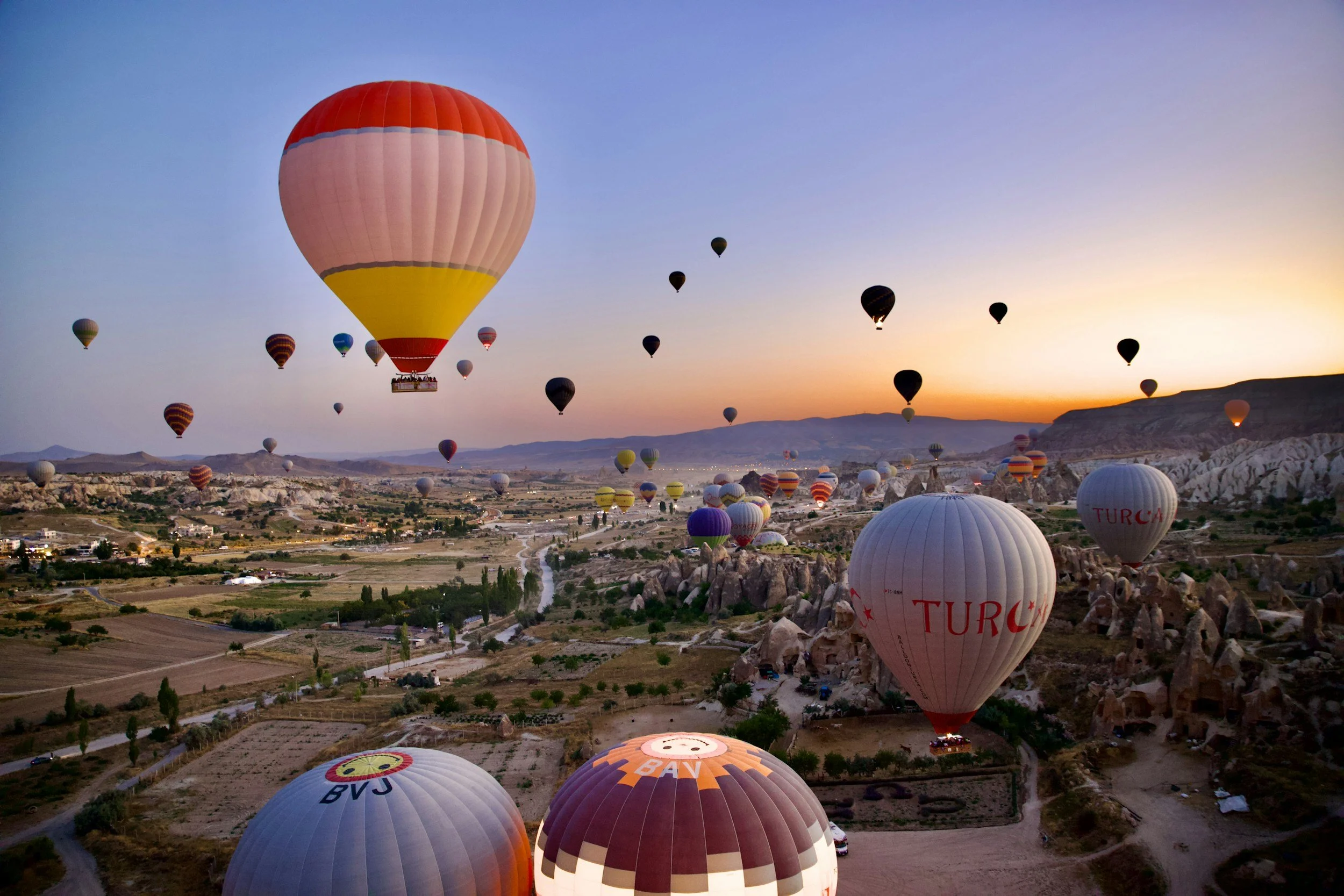
In central Turkey, Cappadocia looks like somewhere your brain invented. A landscape of fairy chimneys, ancient cave dwellings, and rock carved monasteries formed by centuries of volcanic activity and erosion. The sunrise hot air balloon ride above the valleys is one of the most photographed experiences in Turkey and one of the most genuinely spectacular things you can do anywhere in the world. Book it well in advance and understand that it is weather dependent and can be cancelled at short notice.
Cappadocia also has some of the most unusual accommodation in the world. Cave hotels carved directly into the volcanic rock, some of them extraordinarily beautiful, that give you an experience of sleeping inside the landscape rather than next to it.
Pamukkale
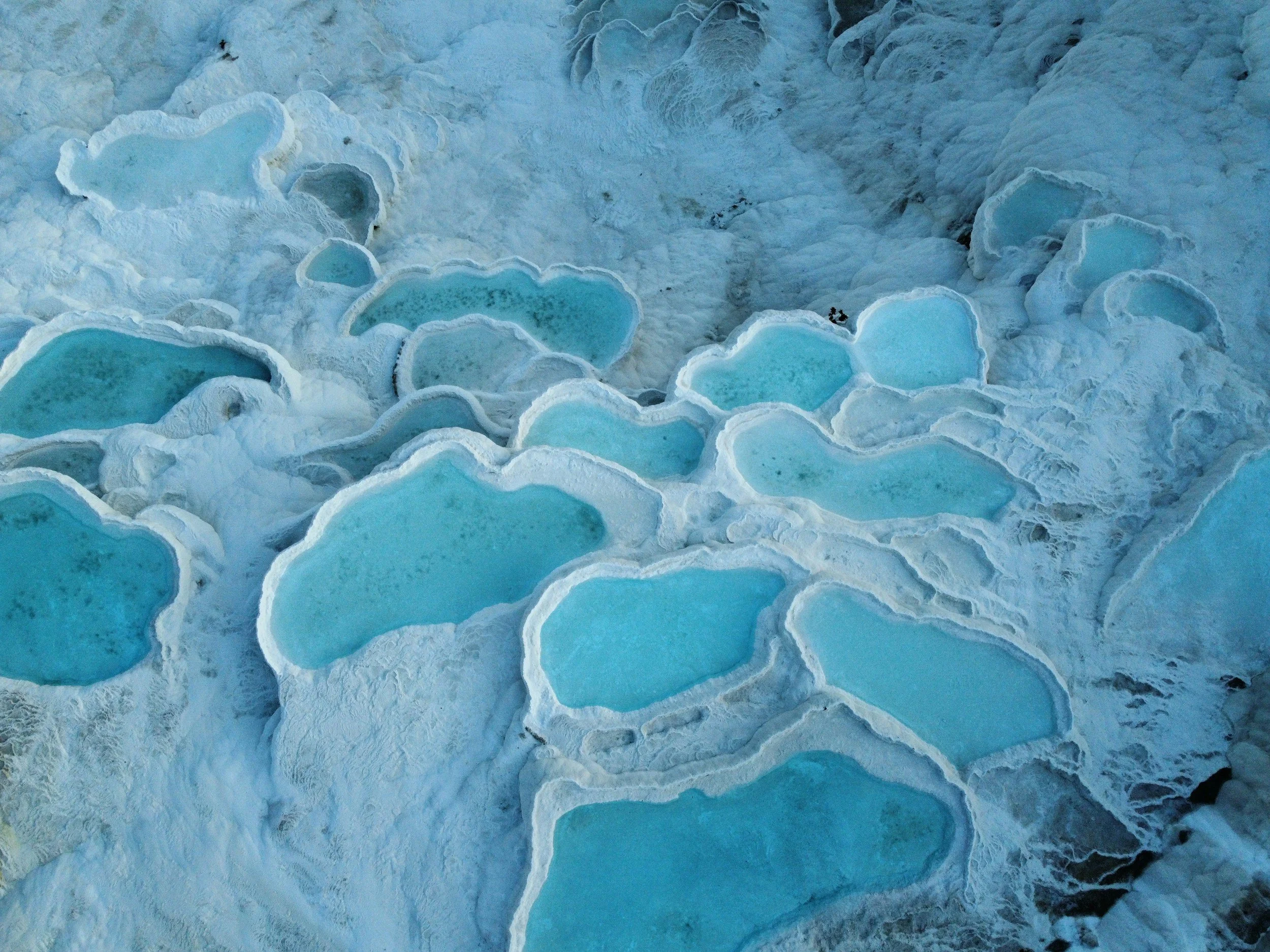
In western Turkey, Pamukkale is a natural wonder that photographs do not fully prepare you for. Cascading white travertine terraces formed by mineral rich thermal springs, flowing down a hillside in a way that looks completely artificial and is entirely natural. You can walk barefoot across the terraces, wade in the thermal pools, and swim in what is known as Cleopatra's Pool, an ancient Roman bath where you float among submerged marble columns. At the top of the terraces sit the ruins of Hierapolis, an ancient Roman city that adds a historical layer to what is already a visually extraordinary day.
The Aegean Coast
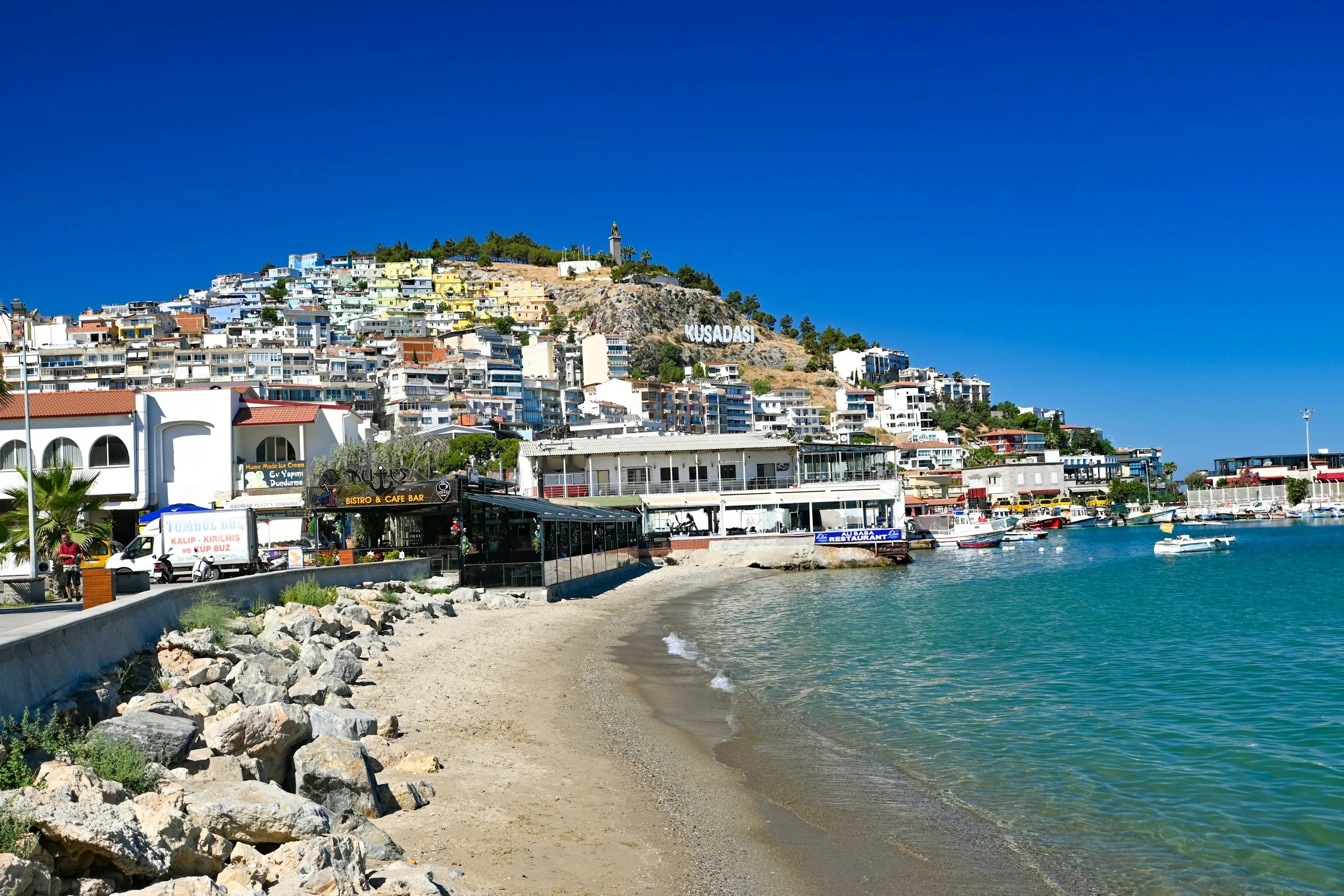
The Aegean coast of Turkey is where Ephesus and Kusadasi sit, and it extends south through Bodrum and beyond into some of the most beautiful coastline in the Mediterranean. Clear turquoise water, ancient ruins scattered through fishing villages, and a pace of life that feels completely different from the energy of Istanbul or the surreal landscapes of Cappadocia. The Blue Cruise, a traditional gulet sailing trip along the coast, is one of the most popular ways to experience this part of Turkey and consistently rated as one of the highlights of a first trip.
Antalya
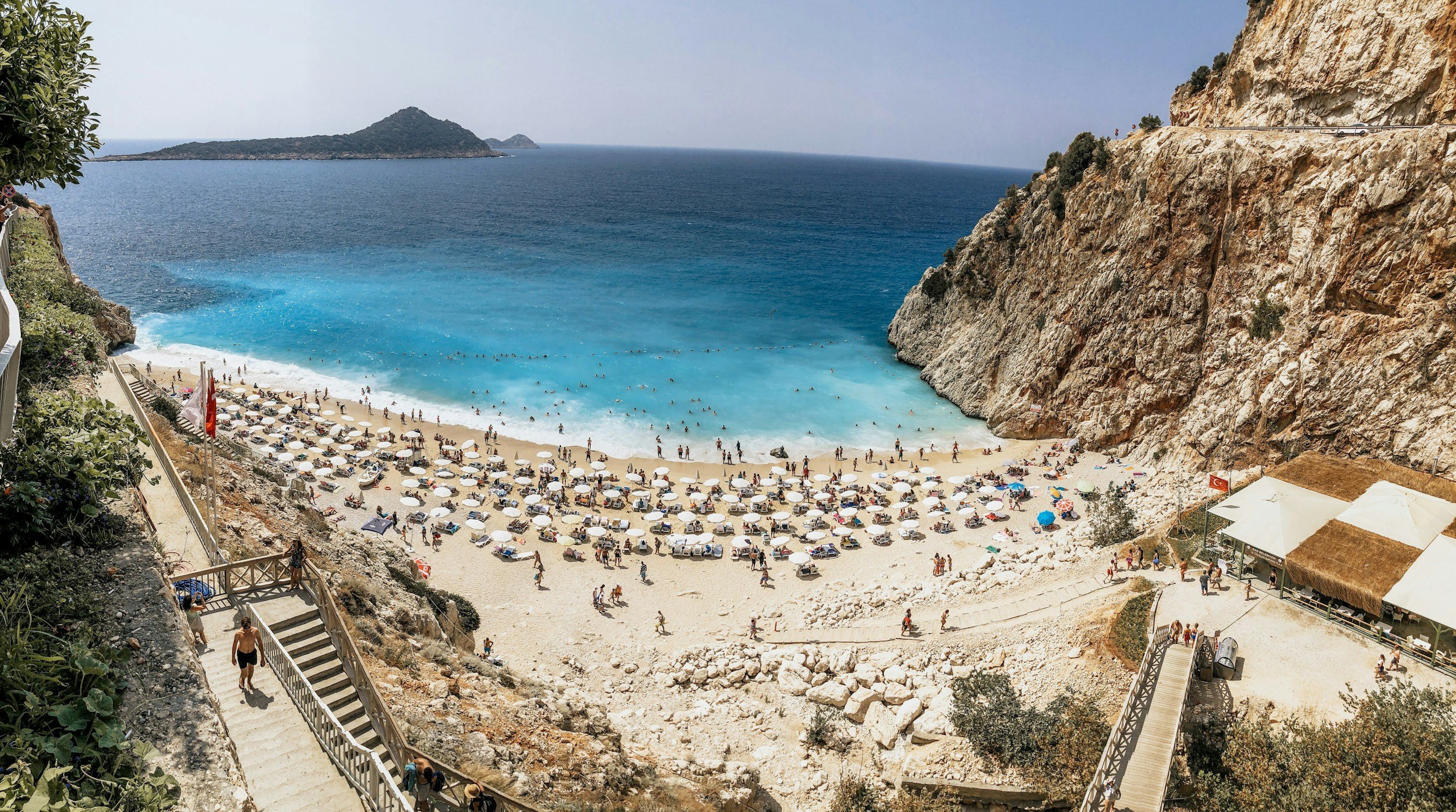
On the Mediterranean coast, Antalya is Turkey's beach capital. A modern city with an ancient Roman harbor, surrounded by mountains on one side and the sea on the other, with some of the best weather in the country. It is less historically intense than Istanbul or Ephesus and more focused on the pleasure of being somewhere beautiful with good food and warm water. A good final stop on a longer first trip when you want to decompress before flying home.
My Biggest Surprise the First Time in Turkey
Turkey Did Not Ask for My Assumptions and Did Not Need Them
I did not have strong feelings about Turkey before we went. I was not avoiding it. I just had not given it much thought and the thought I had given it was not particularly generous. It sat in the back of my mind as a place that was probably fine, probably interesting enough for a port stop, probably not somewhere I would seek out on its own.
Turkey did not care about any of that.
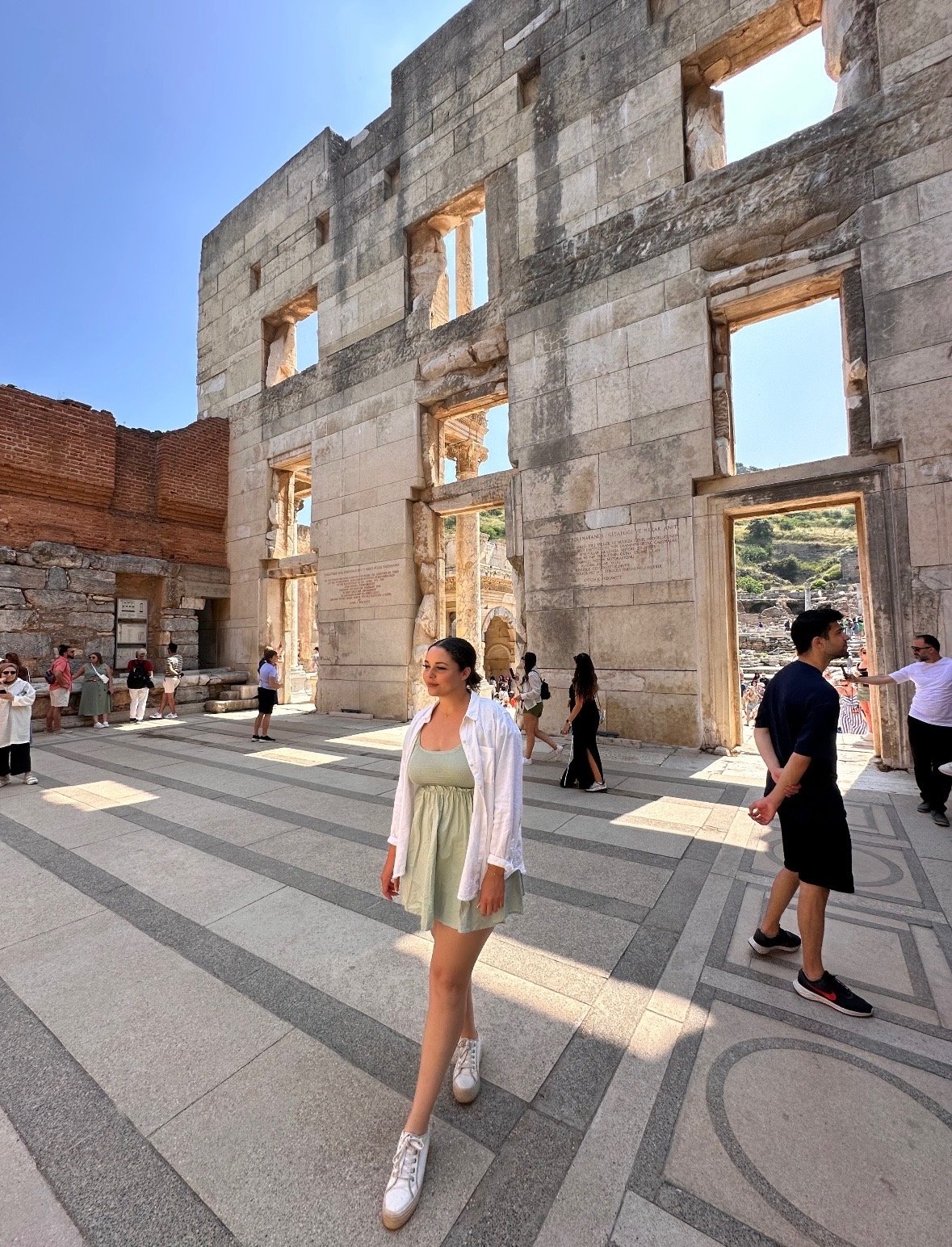
It just showed up as itself. Warm and completely unbothered and full of cats and coffee and people who knew more languages than I will ever know. Streets full of vendors who could clock your nationality from ten feet away and switch to your language before you had finished walking past. Food that was better than it had any right to be given how little I had expected from it. Ruins that were extraordinary even measured against every other ruin I had stood in front of in Europe.
That is what Turkey did. It took every assumption I had carried in and quietly made it irrelevant. Not dramatically, not in a single overwhelming moment, just steadily and consistently across the whole day until I got back on the ship and realized that I wanted more of it.
I have not been to Istanbul or Cappadocia or Pamukkale. I cannot tell you what those places will do to you. What I can tell you is that one day in Kusadasi was enough to make me genuinely curious about all of them in a way I was not before I arrived.
Turkey did not ask for my assumptions. It did not need them. It just went ahead and proved them wrong.