
Your First Time in Germany
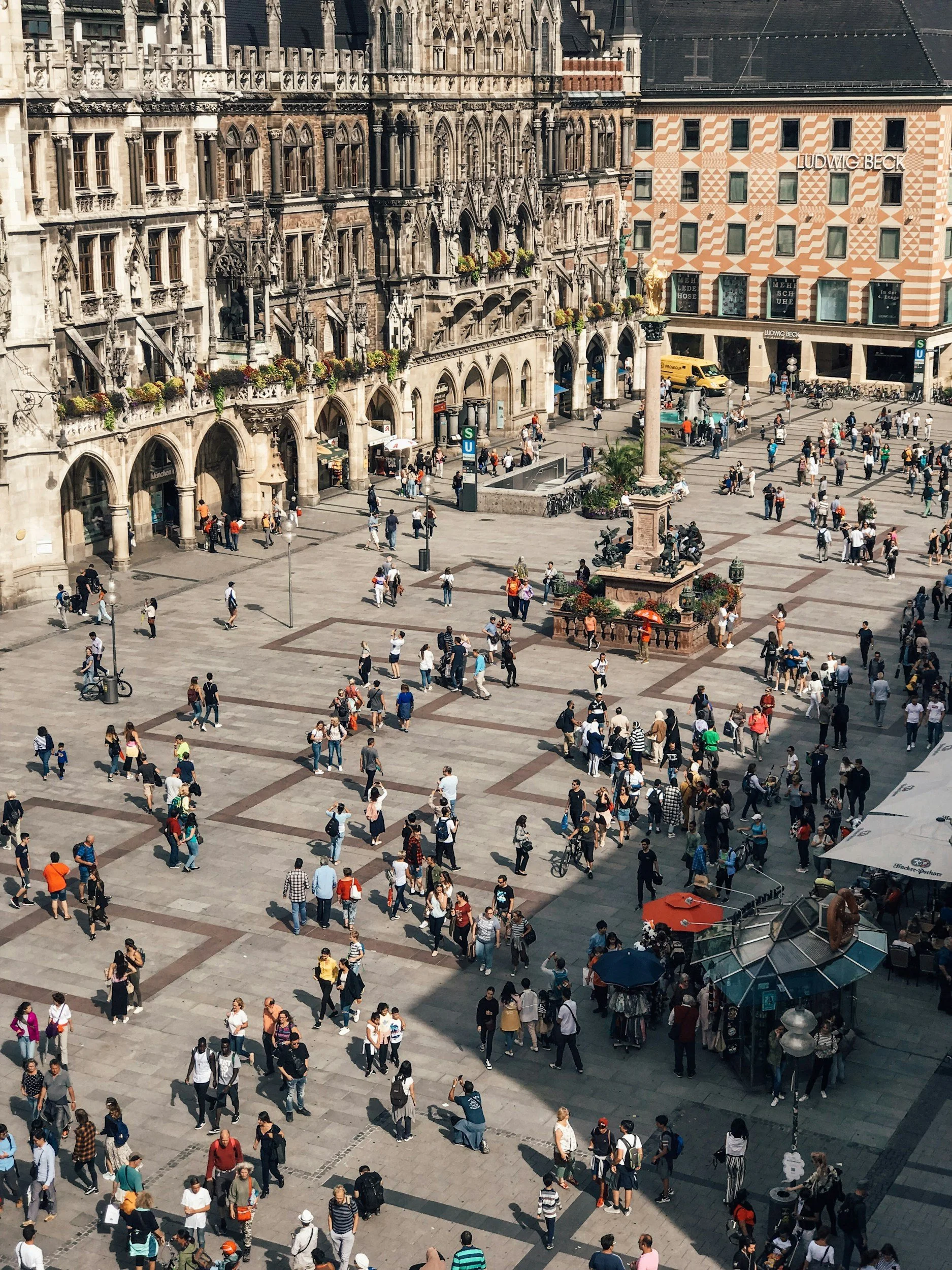
Germany has been on my list longer than any other destination on this site. Not as a travel wish, exactly. More like a given. My mother's side of the family is German. I studied the language for two years in college. I have been reading the history, watching the documentaries, and cooking the food my whole life. Germany was never somewhere I was curious about from a distance. It was always somewhere I expected to end up eventually, the way you expect to eventually visit the place your family comes from.
Munich was the first chapter and it delivered on everything I had been carrying toward it.
But one city is not a country, and Germany is one of the most varied countries in Europe. The Bavaria you find in Munich, the beer halls, the Gothic architecture, the Alpine backdrop, is one version of Germany. Berlin is another version entirely. The Rhine Valley is another. The fairy tale villages of the Romantic Road are another still. The country contains multitudes in a way that rewards more than one visit and asks you to come back for the rest of it.
We started in Munich. There is a lot of Germany left to go.
My firsthand experience in Germany is four days in Munich, two of them at Oktoberfest. Germany has sixteen states, centuries of layered history, and enough cities and landscapes to fill a lifetime of trips. One city is a starting point, not a conclusion. Everything on this page beyond Munich is thoroughly researched and presented honestly as places worth knowing about before you plan your trip. Honesty about what I have and have not seen is the whole point of this site.
Munich - Oktoberfest, Dachau, Marienplatz, the English Garden river surfers, the beer halls, and the city that is exactly what you hope Germany will be. Full guide on the Munich page.
A Brief Look at What Is Covered Here
What to Know Before Visiting Germany
-
Yes. Germany is one of the safest countries in Europe and most visitors move through it without incident beyond the standard awareness you would bring anywhere. Violent crime against tourists is rare. The main things to watch for are pickpockets in crowded train stations, Christmas markets, and tourist-heavy areas of the major cities. The US State Department currently lists Germany at a Level 2 advisory, meaning exercise increased caution, which is the same level applied to most popular European destinations. Check travel.state.gov before you go for the most current information.
-
US citizens do not need a visa for tourist stays of up to 90 days within any 180 day period. Germany is part of the Schengen Area, which covers most of Europe under the same visa-free arrangement. Your passport must be valid for at least six months beyond your intended arrival date. Check the official German embassy website before you travel since entry requirements can change.
-
Germany uses the euro and cash matters more here than in most Western European countries. Cards are accepted at hotels and larger restaurants but smaller establishments, bakeries, markets, and local restaurants often prefer or require cash. This is more pronounced outside the major cities. ATMs are widely available throughout the country. Use bank ATMs rather than standalone machines at tourist areas to avoid excessive fees. Withdraw enough for a few days at a time and always have some on you.
-
In the major cities and tourist areas, yes. Berlin, Munich, Hamburg, and Frankfurt are all comfortable in English. Step outside the tourist centers, visit smaller towns, or encounter older generations and the language gap becomes more real. Making the effort to learn even a few basic German phrases is noticed and appreciated. Guten Tag for hello, Danke for thank you, and Bitte for please will take you further than you expect. Download Google Translate before you leave and make sure it works offline.
-
Moderate by Western European standards. More affordable than Switzerland or Scandinavia, roughly comparable to France and the Netherlands. Food, transport, and most attractions are reasonably priced and the quality is consistently high. Where costs increase significantly is during Oktoberfest in Munich, when hotel prices surge and the city fills completely. Book months in advance if Oktoberfest is the reason you are going.
-
Yes. German tap water meets some of the highest quality standards in Europe and is safe to drink throughout the country. One thing worth knowing: sparkling water is the default in Germany. Order still water specifically or you will almost certainly receive sparkling. In restaurants, water is not automatically brought to the table and you will be charged for it. Ask for Leitungswasser if you want tap water.
The Best Time of the Year to Visit Germany
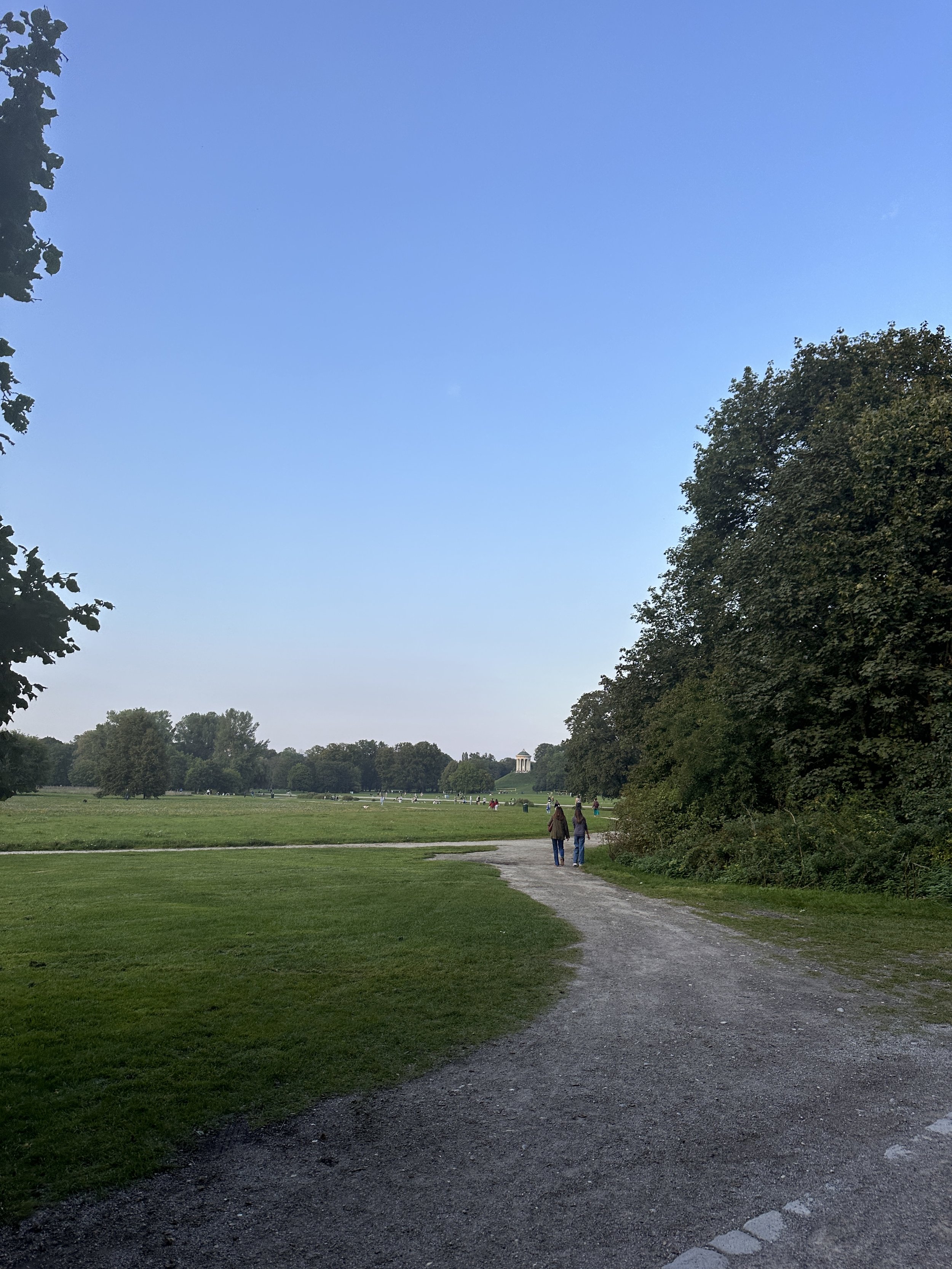
Germany rewards visits in almost every season but the right time depends entirely on what you are going for. A first trip that wants castles, cities, Christmas markets, and beer gardens has a different ideal window from a trip built entirely around Oktoberfest.
Late April through June and September through October are the strongest windows. The weather is mild, the crowds are manageable compared to peak summer, and the country is operating fully without the extreme heat of July and August. May and June in particular are excellent months, green landscapes, long days, and most major attractions fully open without the peak season crowds.
July and August are the busiest and most expensive months. The major tourist destinations are at their most crowded and the heat in the cities can be significant. If this is when you can travel, go, but book everything well in advance.
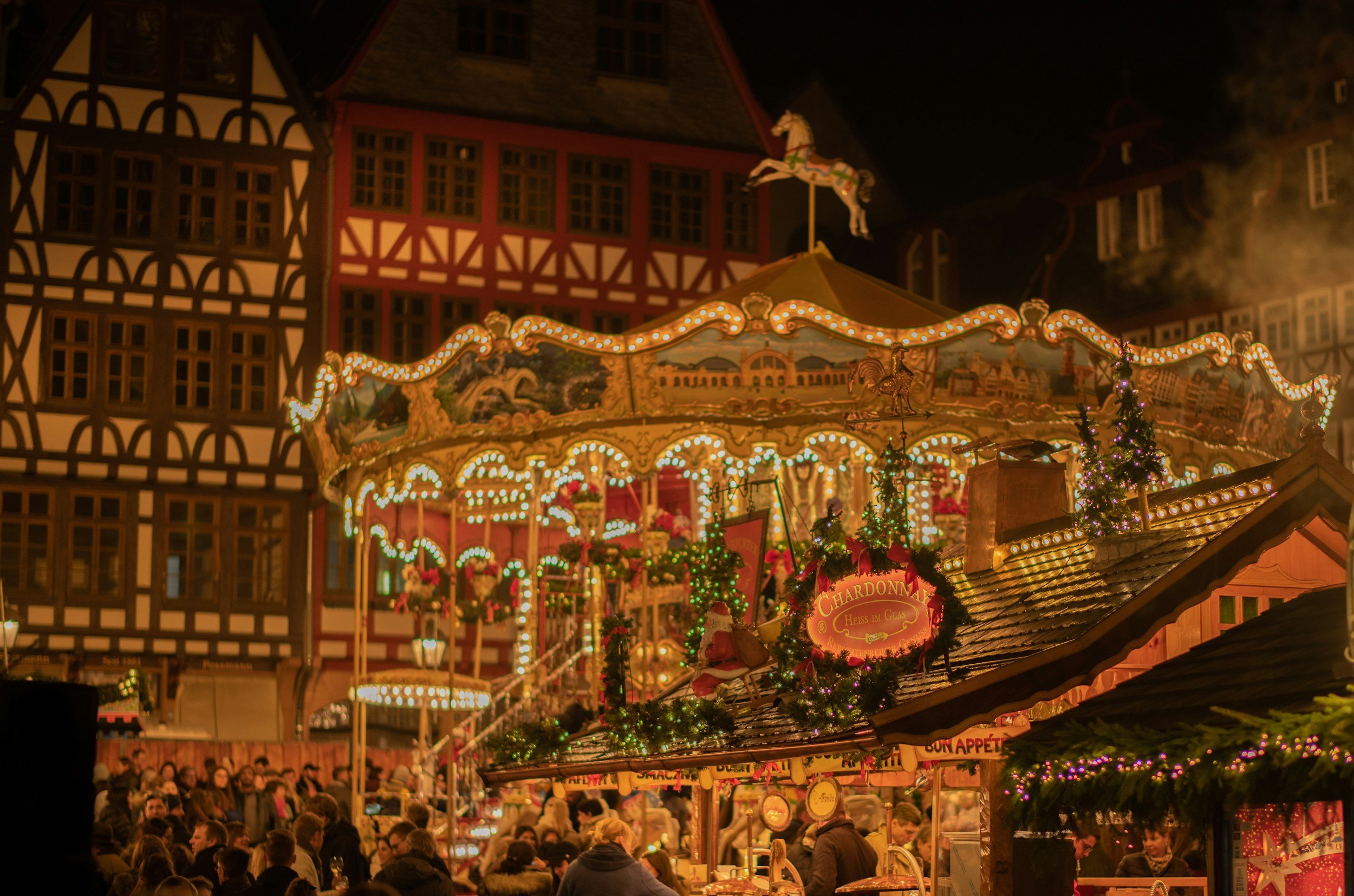
November through March is quieter and significantly cheaper. The Christmas markets, which run from late November through December, are among the best in Europe and worth planning a trip around specifically. Outside of the Christmas market season, winter travel in Germany is best suited to city visits rather than outdoor or rural exploration.
The Honest Breakdown by Season
Oktoberfest runs for approximately sixteen days in late September and early October, always ending on the first Sunday of October. Opening weekend, which falls on a Saturday, is the most celebrated and most intense day of the entire festival. If that is the goal, plan your entire trip around that Saturday and build the days before it into your Munich city experience. Book your hotel and guided tours the moment you decide to go. Munich fills completely and prices reflect it. The earlier you plan the better your options.
For Oktoberfest Specifically
Things Worth Planning Around
The Christmas markets in Cologne, Nuremberg, and Munich open in late November and run through December. All three are exceptional and worth planning a dedicated trip around if a winter visit is on the table.
August is the peak of summer and the busiest month across the country. Popular destinations are at their most crowded and accommodation prices are at their highest. If your dates are flexible, even shifting two or three weeks in either direction makes a meaningful difference in both cost and experience.
Getting Around Germany
Germany has one of the best transportation infrastructures in Europe and getting around it is genuinely straightforward once you understand the system.
Frankfurt Airport is the largest international hub and the main entry point for transatlantic flights. Munich Airport is the second largest and the most convenient entry point if Bavaria and southern Germany are the focus of your trip. Berlin Brandenburg Airport connects to major European cities and an increasing number of long-haul routes. All three have direct rail connections into their respective city centers.
Getting to Germany
The Deutsche Bahn rail network connects every major city and most smaller towns efficiently and comfortably. High-speed ICE trains between cities like Munich, Frankfurt, Berlin, and Hamburg are fast, reliable, and well worth the slightly higher fare over regional trains. Book in advance through the Deutsche Bahn website or app for the best prices. The DB Navigator app handles timetables, tickets, and real-time updates and is worth downloading before you arrive.
One thing worth knowing: German trains are not always on time despite their reputation. Delays happen, particularly on longer routes. Build connection time into your itinerary rather than cutting it close.
Getting Around by Train
Every major German city has an excellent metro, tram, and bus network. Tickets are typically purchased before boarding and must be validated. The validation requirement is strictly enforced and the fine for traveling without a valid ticket is significant. Buy a day pass or multi-day pass for the duration of your stay in each city rather than managing individual tickets.
Getting Around Within Cities
A car is worth considering if your trip includes smaller towns, rural areas, or the scenic driving routes like the Romantic Road or the Rhine Valley. The Autobahn, Germany's famous highway network, has no speed limit on many stretches, which is exactly as interesting as it sounds. Stay in the right lane unless overtaking. Roads outside the cities are generally in excellent condition and driving is straightforward.
Renting a Car
Munich's U-Bahn lines U4 and U5 connect directly to the Theresienwiese festival grounds and are the easiest way to get there from the city center. Avoid driving. Parking near the grounds is extremely limited and the public transport connections are efficient enough that a car is genuinely not worth it.
Getting to and from Oktoberfest
Culture & Etiquette Basics
(How Not to Be That Tourist)
Germany has a reputation for directness, efficiency, and a certain no-nonsense approach to daily life that can read as coldness to visitors from more outwardly warm cultures. It is not coldness. It is just a different register, one that values honesty over performance and substance over small talk. Once you understand that, Germans are some of the most straightforward and genuinely helpful people you will encounter anywhere in Europe.
Germans say what they mean and mean what they say. If a German tells you something is good, it is good. If they tell you something is wrong, they are not being aggressive. They are being honest in the way they expect honesty from you in return. Small talk, particularly the American habit of asking "how are you?" as a greeting rather than a genuine question, can read as insincere. Keep your interactions direct and genuine and you will get the same in return.
1. Directness is Not Rudeness
Germans take it seriously in a way that goes beyond politeness. Being late for an appointment, a reservation, or a meeting is not just inconvenient. It is considered disrespectful. Be on time. If something goes wrong and you cannot make it, call ahead. The standard is five to ten minutes early for anything that matters.
2. Punctuality
Almost everything closes. Shops, supermarkets, and most retail businesses are closed on Sundays across the country. Restaurants and cafés are generally open. If you need groceries or supplies, handle it on Saturday. Train station shops are the exception and are open seven days a week.
3. Sundays
Jaywalking is genuinely frowned upon in Germany in a way that it is not in most other countries. People wait for the green light even when there is no traffic in sight. Following this norm is the right call both out of respect and because locals will notice and judge if you do not.
4. Cross at the Light
Public drinking is legal and completely normal in Germany. Beer from a bottle or can on a park bench, at a street festival, or walking between destinations is entirely acceptable. The legal drinking age is 16 for beer and wine and 18 for spirits. This will surprise Americans, particularly at Oktoberfest where teenagers drinking beer at the next table is simply not remarkable.
5. The Drinking Culture
Germany carries its history with a seriousness and an openness that is worth acknowledging as a visitor. Dachau is thirty minutes from Munich and it is open to the public. The Holocaust Memorial is in the center of Berlin. Germany has not hidden what happened. It has built memorials to it and made education about it mandatory. Engaging with that history is not morbid. It is the most honest thing you can do in this country. Jokes about the Nazi period or World War II are deeply offensive and should not need to be said but need to be said.
6. The History
Where to Go in Germany
Munich
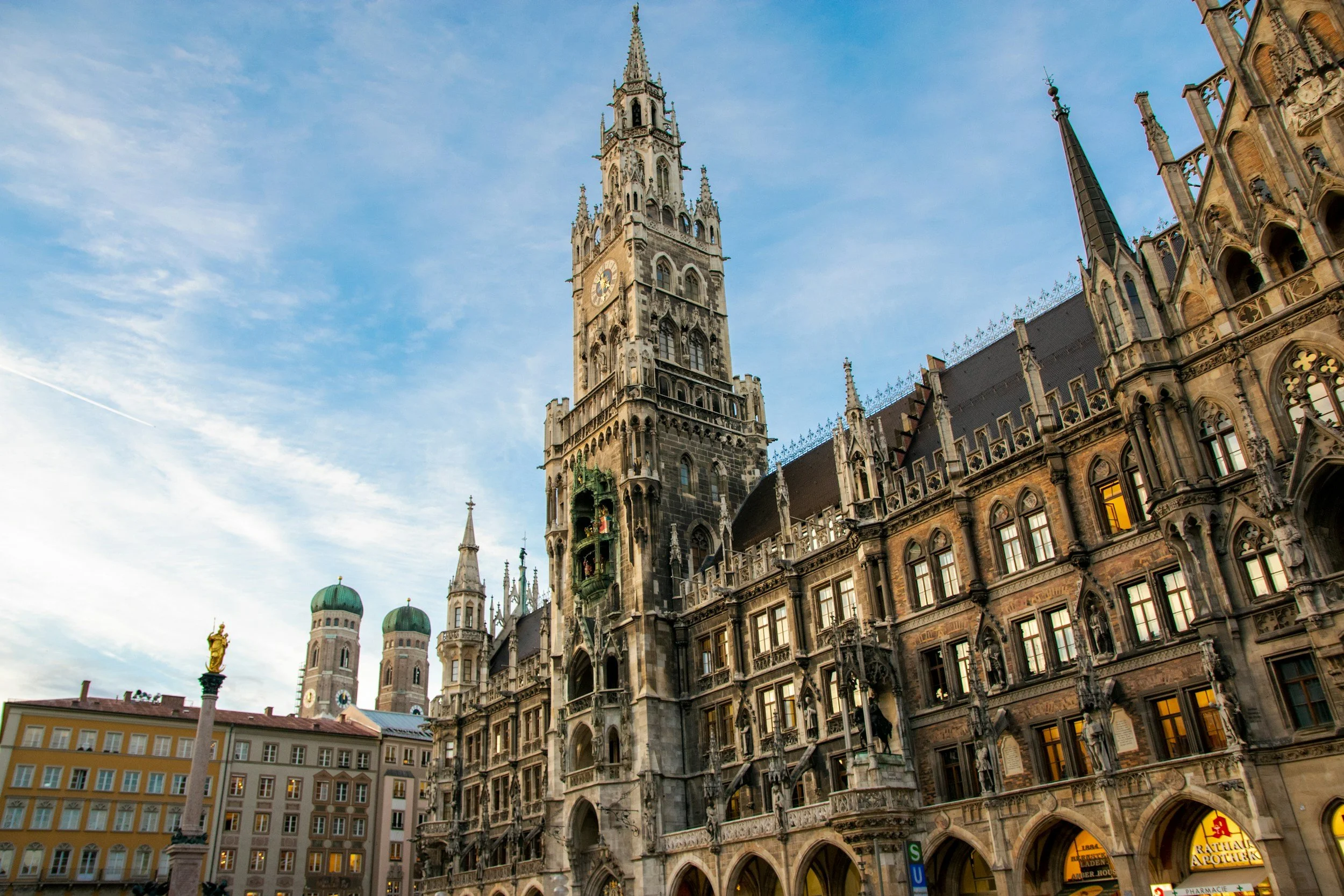
The entry point for most first trips to Bavaria and the right place to start if Oktoberfest, the Alps, or Bavarian culture is the reason you are going. Grand Gothic architecture, the English Garden, world-class beer halls, Dachau thirty minutes away, and a city that is exactly what you hope Germany will be. Full guide on the Munich page.
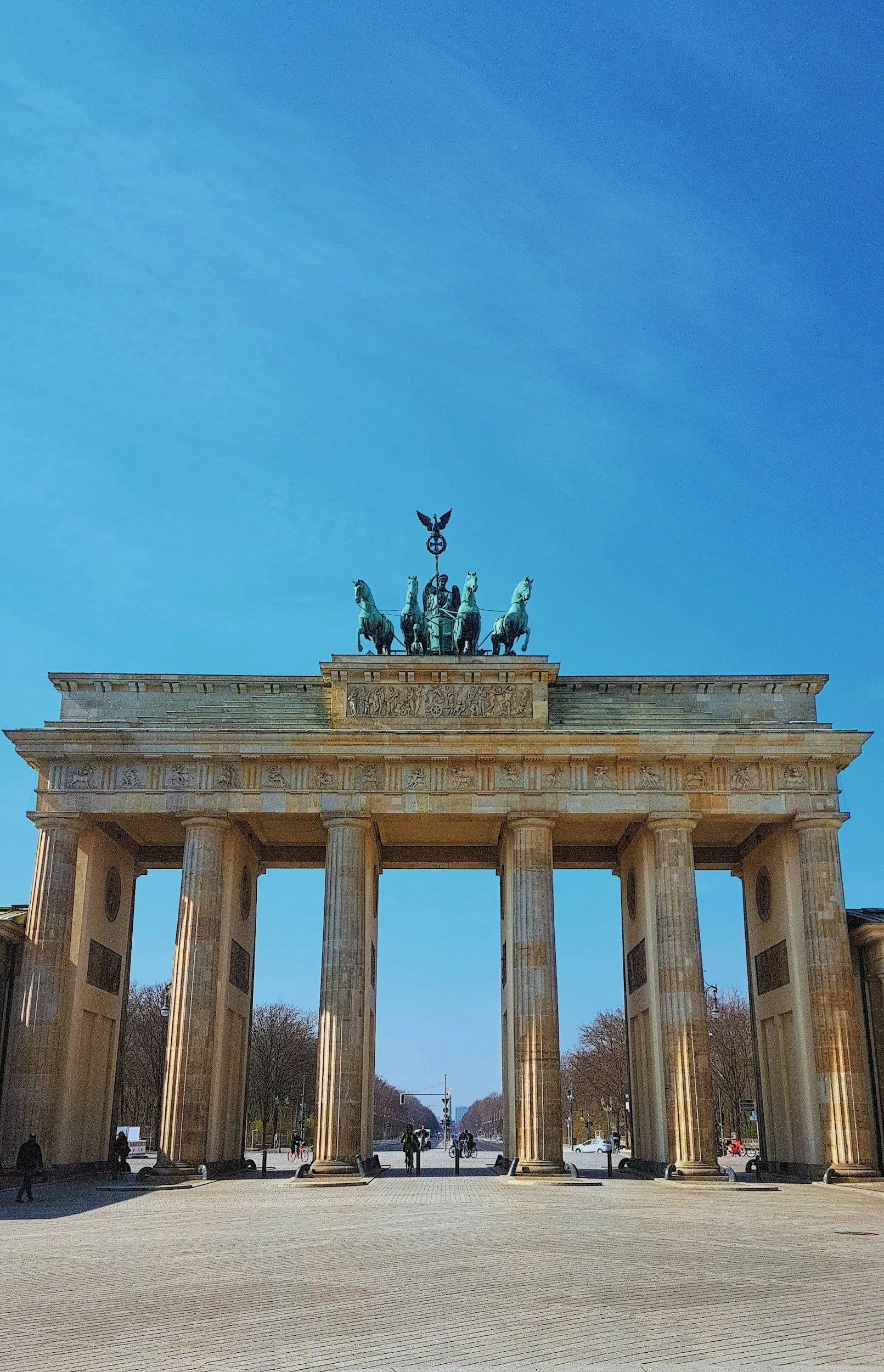
Berlin
The most important city in Germany and one of the most historically significant in the world. Reunified only in 1990, Berlin wears its divided history visibly. The Brandenburg Gate, the Holocaust Memorial, the remnants of the Berlin Wall, Checkpoint Charlie, the Stasi Museum. No city in Europe forces a more direct reckoning with the twentieth century. It is also one of the most vibrant and creative cities on the continent, with a nightlife and arts scene that draws people from across the world. Berlin deserves at least four days and rewards significantly more.
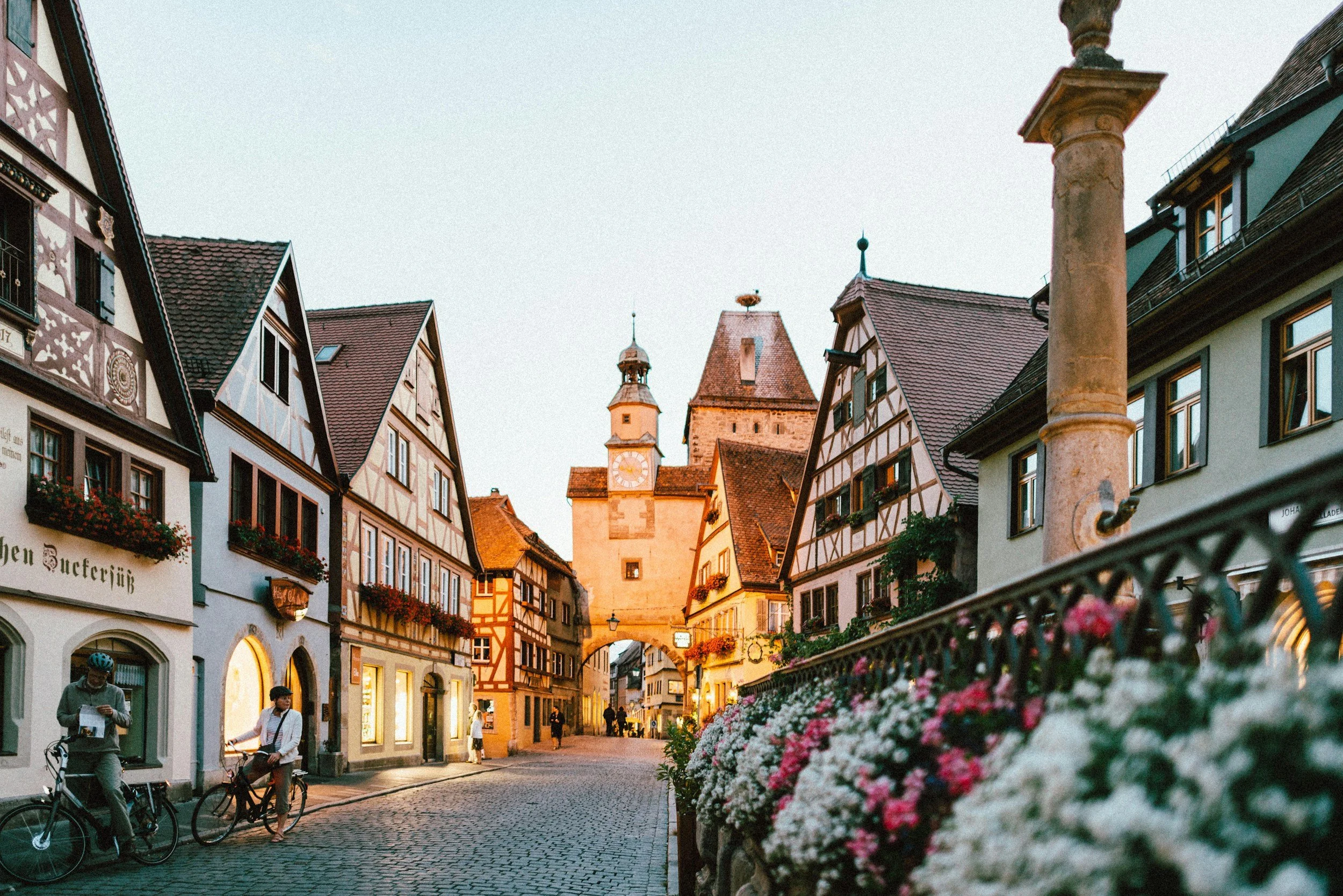
The Romantic Road
A scenic route through Bavaria and Baden-Württemberg connecting medieval towns, fairy tale villages, and countryside that looks like it was painted rather than grown. Rothenburg ob der Tauber is the most famous stop, a perfectly preserved walled medieval town with cobblestone streets and half-timbered buildings that is genuinely as beautiful as it looks in photographs. Worth a dedicated trip or a self-drive itinerary that connects Munich to Frankfurt or vice versa.
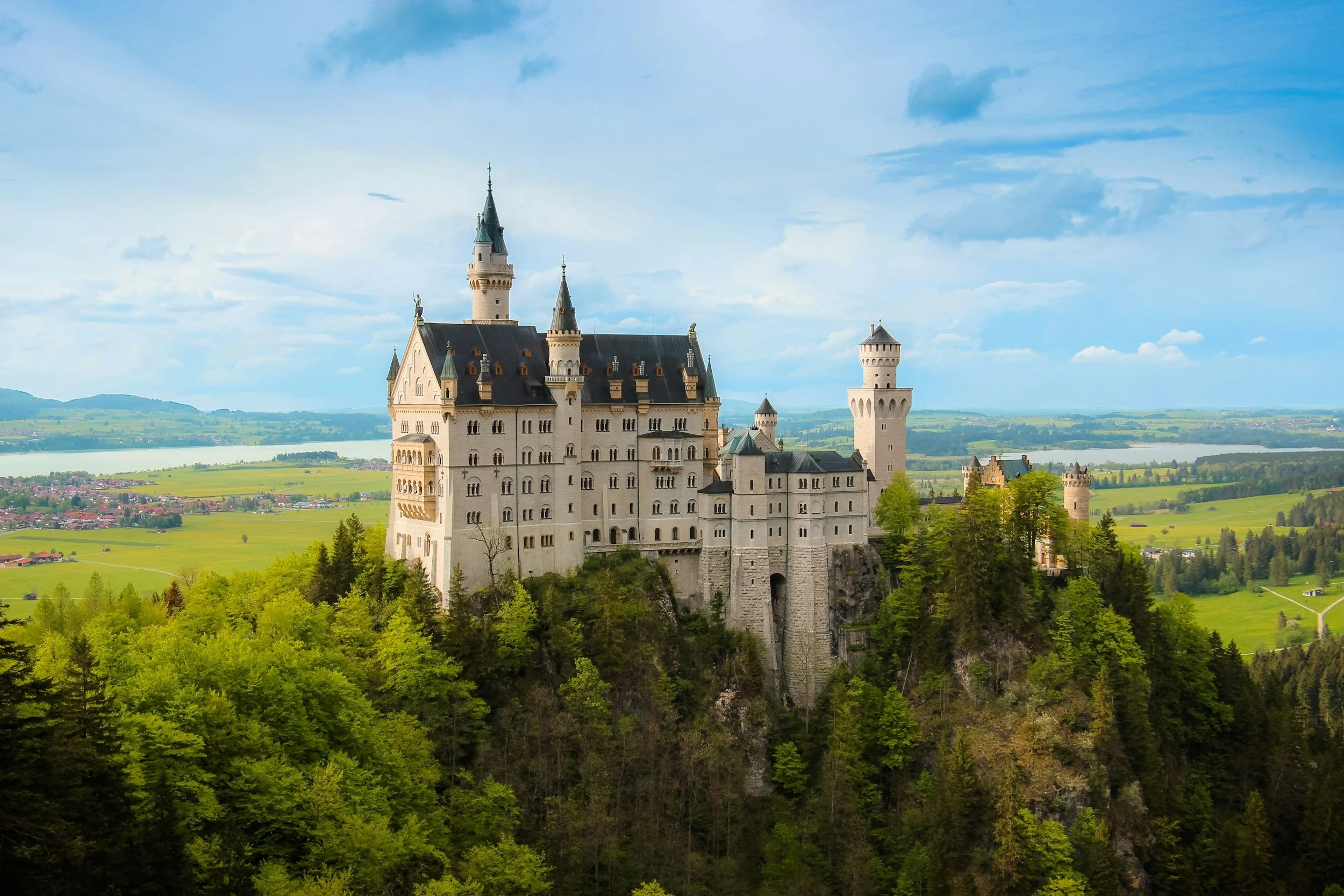
Füssen and Neuschwanstein Castle
At the southern tip of the Romantic Road, Füssen sits at the foot of the Bavarian Alps near the Austrian border and within easy reach of Neuschwanstein Castle, the most famous castle in Germany and the one that inspired the Disney castle. Built by the eccentric King Ludwig II in the nineteenth century, it sits on a cliff above a gorge with Alpine views that make every photograph look impossible. Most visitors come as a day trip from Munich, about two hours by train and bus, but Füssen itself rewards a slower pace if you have the time. Book castle tickets in advance and go early to beat the crowds.
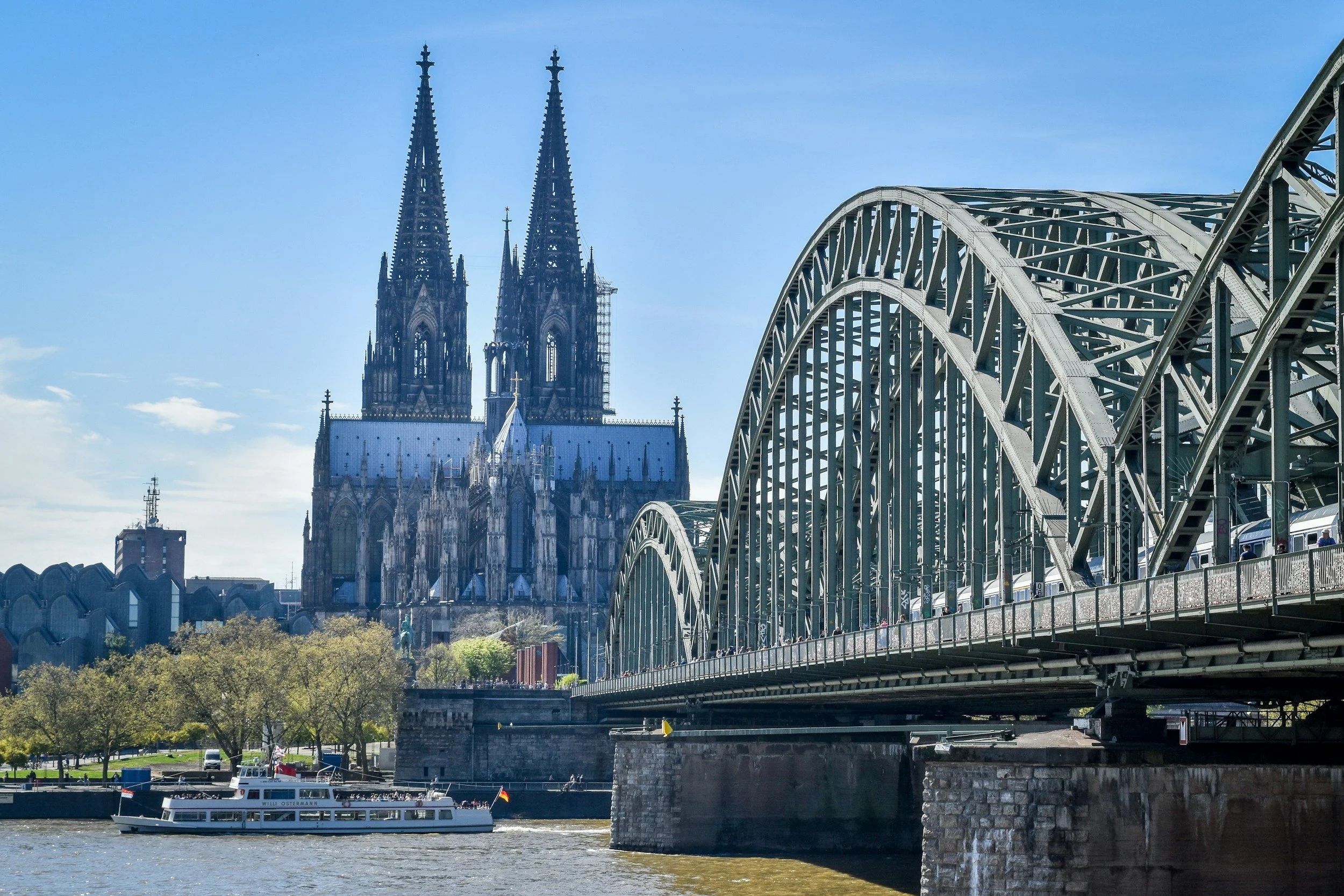
Cologne
On the Rhine in western Germany, Cologne is anchored by one of the most extraordinary Gothic cathedrals in the world, the Kölner Dom, which took over six hundred years to complete and is still the tallest twin-spired church on earth. The old town around the cathedral is lively and walkable, the beer scene has its own distinct character separate from Bavaria, and the city's Christmas market is consistently rated among the best in Europe.
Hamburg
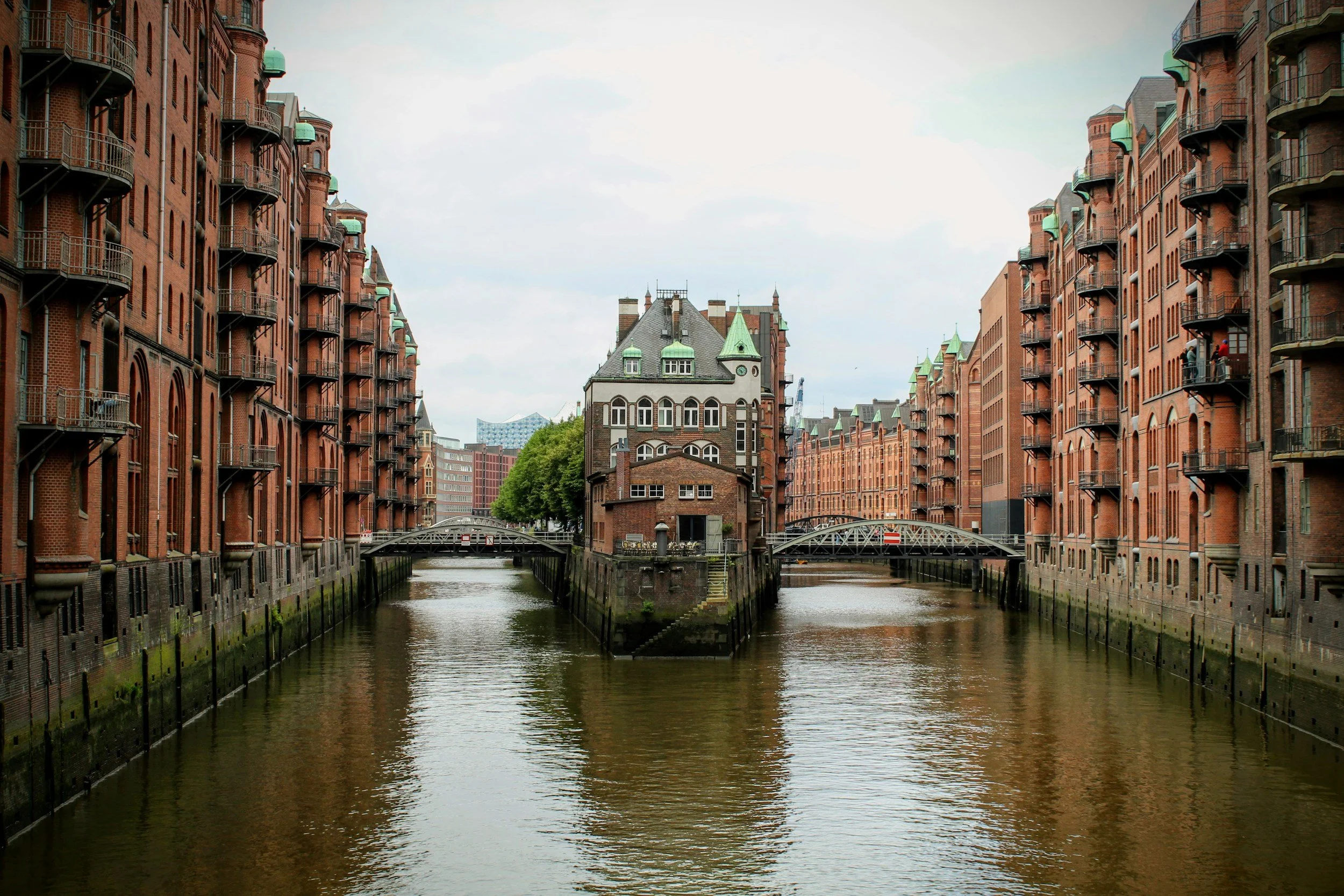
Germany's second largest city and its most international, a historic port city with a distinctly different energy from the southern German cities. The Speicherstadt warehouse district is a UNESCO World Heritage Site, the Elbphilharmonie concert hall is one of the most architecturally striking buildings in the country, and the Reeperbahn nightlife district has its own complicated and fascinating history. Worth knowing about for a second trip or a longer first one.
The Rhine Valley
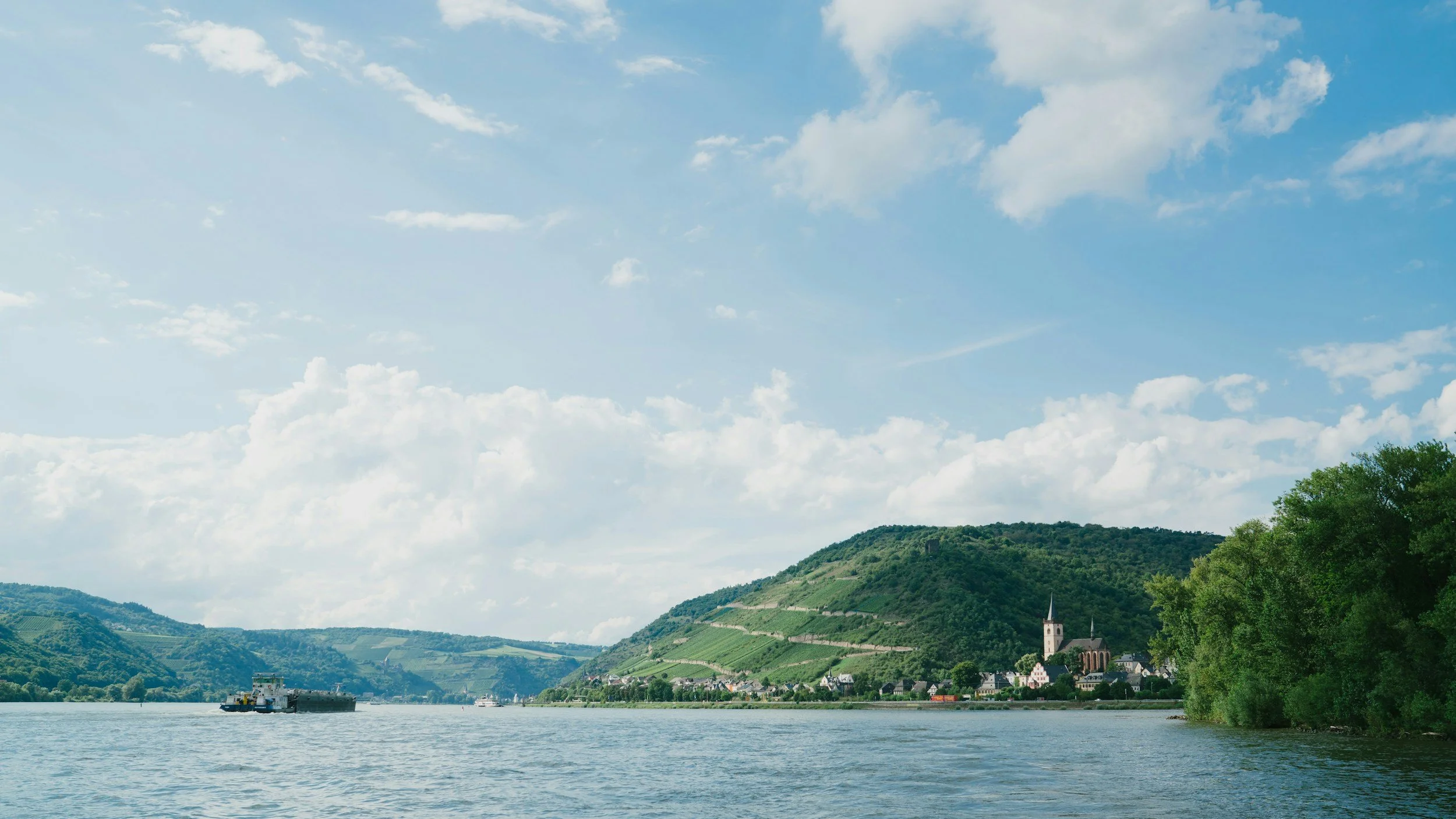
Between Koblenz and Bingen, the Middle Rhine Valley is a UNESCO World Heritage Site and one of the most scenic stretches of river in Europe. Castle ruins on every hillside, steep vineyard terraces dropping to the water's edge, and small towns that feel completely removed from the rest of the country. A river cruise or a train journey along the Rhine is one of those experiences that earns every photograph ever taken of it.
My Biggest Surprise the First Time in Germany
The Stereotypes Were All True
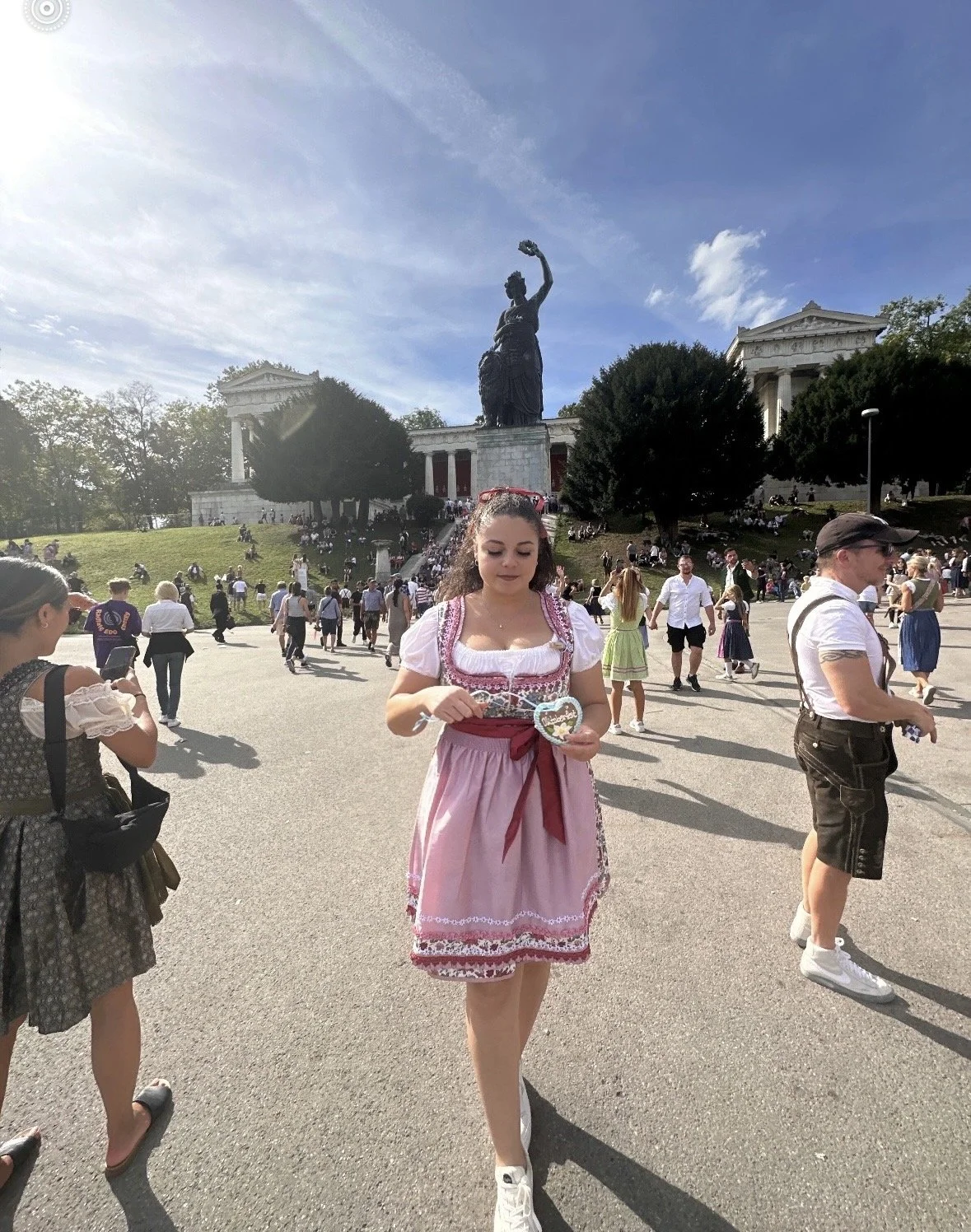
I had been told my whole life what Germans were like. Not by people who wanted to be unkind about it. By people who had been there, by my family, by everyone who had spent time in the country and come back with the same observations. Efficient. Direct. Precise. Serious about quality. Particular about rules. Warm once you get past the surface but not warm at the surface.
I went to Munich expecting to recognize all of it. I did not expect to find it so completely or to find it so appealing.
The beer is where it started. A hotel bar, the night we arrived, jet-lagged and not expecting much. One sip and something recalibrated. This was not a better version of what I had been drinking at home. It was a different category of thing entirely. Made with a standard, the Reinheitsgebot purity law that has governed Bavarian brewing since 1516, that does not permit shortcuts. You taste that in every glass whether you know it or not.
The glockenspiel in Marienplatz plays at exactly 11am, noon, and 5pm. Not approximately. Not when the mechanism feels like it. Exactly. The beer tents at Oktoberfest run with a choreographed precision that should not be possible given the scale of what is happening inside them, hundreds of thousands of people, dozens of tents, and somehow everything moves the way it is supposed to. The craft in the architecture, in the food, in the beer, in the festival itself, all of it points to the same thing: a culture that takes seriously the idea that if something is worth doing it is worth doing correctly.
I expected to recognize Germany. I did not expect to find the recognition so satisfying. There is something specific about arriving somewhere you have been told about your whole life and finding that the people who told you were right. It does not happen everywhere. It happened here.
Germany earned my respect before it earned my affection. Then it earned both.