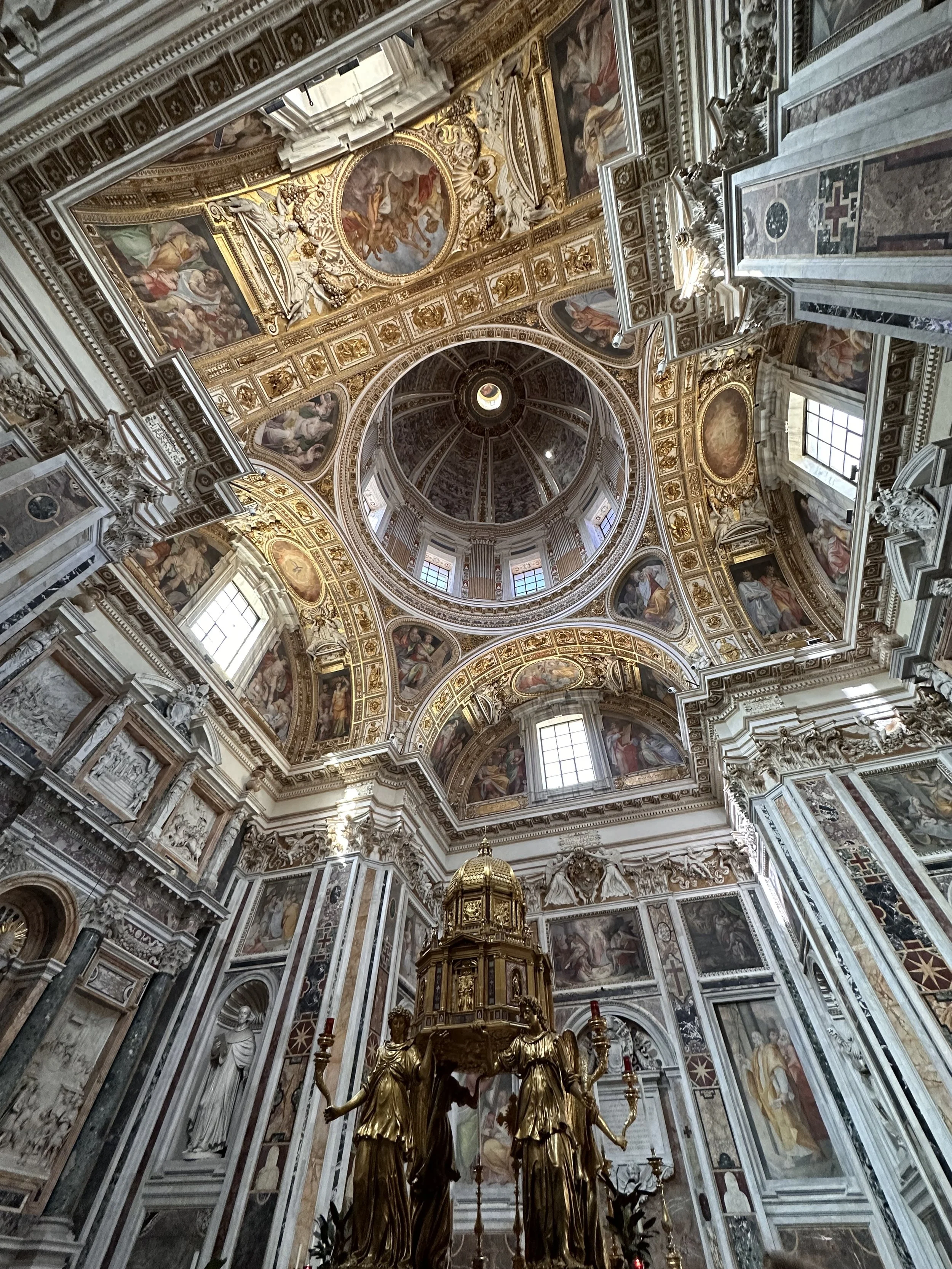
Your First Time in Italy
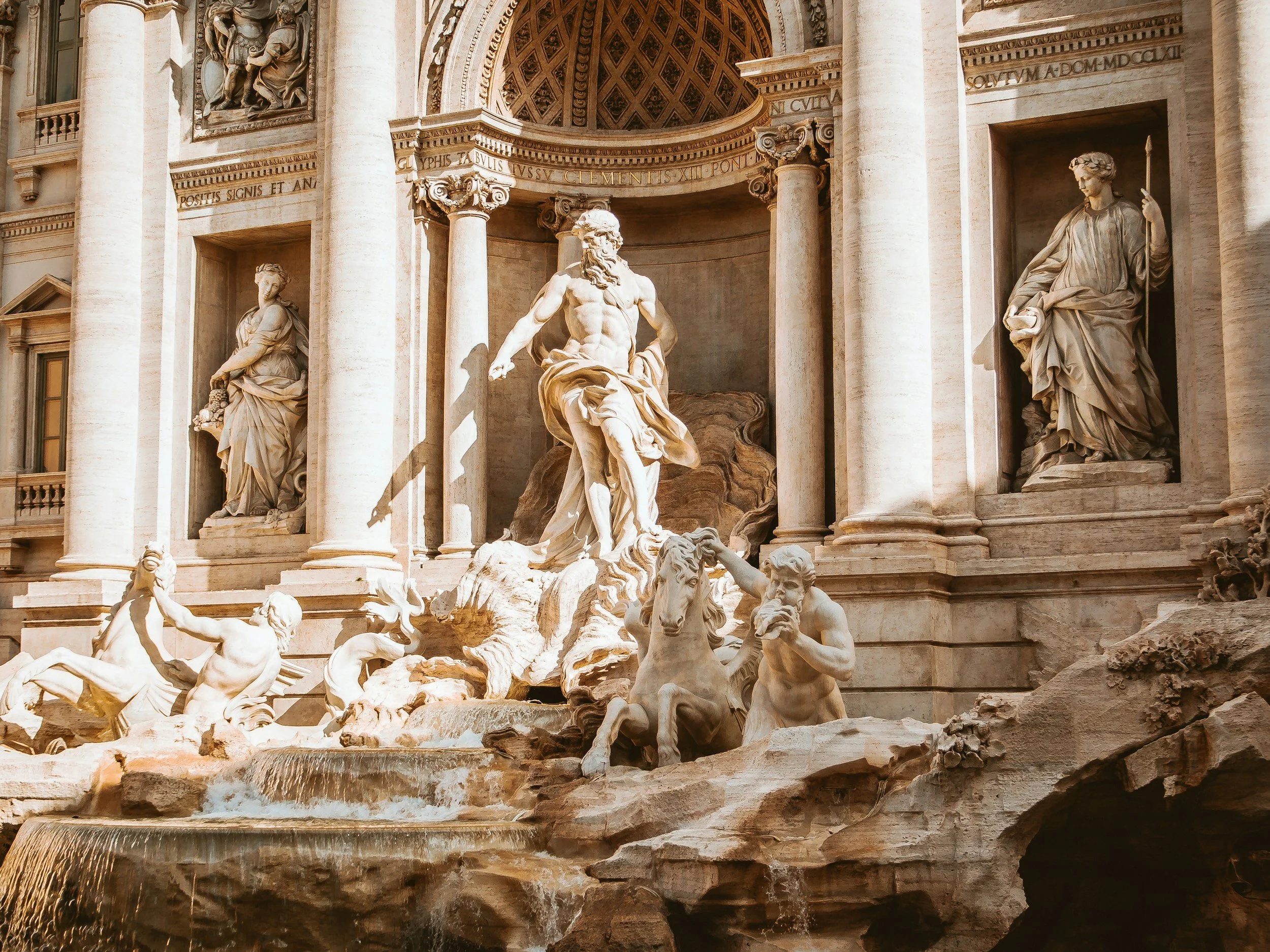
In Italy, the locals always know exactly where they are.
They live their everyday lives among the most extraordinary places on earth, and they carry that knowledge in their bones. It is not that anyone ignores what surrounds them. The opposite. The history is woven so deeply into how Italians understand themselves that they do not need to point at it or make a show of it. In Rome, someone walks past a two thousand year old fountain on the way to work, fully aware of exactly what it is, simply unhurried about it. In Milan, the best dressed people in Europe take their coffee standing up in the shadow of a cathedral that took six centuries to build. The famous sites are not separated from daily life here. Daily life is lived right on top of them, by people who know precisely what they have.
Here is what our first trip made clear. The food, the art, the famous sites, all of it earns the reputation. But the Italians hold that inheritance effortlessly. It is theirs. They know where to eat without thinking, they grew up knowing what they are looking at, the whole thing is simply part of them. As a visitor, you have to earn a sliver of that on purpose. You have to know where to go, plan months ahead for the things worth seeing, and do enough homework to understand what is in front of you instead of just photographing it. Do that, and Italy opens all the way up. Show up assuming it will happen to you the way it happens to them, and you will only ever skim the surface of one of the most rewarding countries in Europe.
What to Know Before Visiting Italy
-
Yes, Italy is a safe country for travelers, with one genuine caveat: pickpocketing. Violent crime against tourists is rare, but pickpockets are a real and organized presence in the crowded tourist areas of Rome, Milan, and the major train stations, and they are good at what they do. We watched someone get pickpocketed on a train in Milan, which turned the abstract warning into something we took seriously for the rest of the trip. Keep your bag zipped and in front of you on public transport and around major sites. Be wary of anyone trying to hand you something "for free," a bracelet, a rose, a petition to sign, as these are common distraction tactics. Stay alert in the obvious places and you will be fine. One thing that surprises first timers: your hotel will photocopy your passport at check in. This is normal and legally required, not a scam.
-
US citizens do not need a visa for tourist stays of up to 90 days within any 180 day period. Italy is part of the Schengen Area, which covers most of Europe under the same visa free arrangement. Your passport must be valid for at least six months beyond your intended arrival date. For stays longer than 90 days or for any purpose beyond tourism, you will need to apply through the Italian consulate before traveling. Check the official requirements before you go, since entry rules can change.
-
Bring some, though cards are widely accepted. Hotels, larger restaurants, and shops in cities take contactless without issue. Where cash matters is the smaller places: family run trattorias, bakeries, gelaterias, market stalls, and some of the spots you will most want to eat at. Italy uses the euro. ATMs, called bancomat, are easy to find. Use one attached to an actual bank rather than the standalone machines in tourist areas, which charge worse fees. Carry small bills for coffee, gelato, and tips.
-
More reasonable than people expect, with the cost concentrated in specific places. Day to day eating and drinking is genuinely affordable, an espresso at a bar costs a couple of euros, and a plate of pasta at a good neighborhood spot is rarely expensive. Where the money goes is the big ticket items: skip the line tickets and guided tours for the Vatican, the Colosseum, and the Last Supper, plus hotels in the dead center of Rome, Milan, or Venice in peak season. The famous tourist restaurants beside the major sights charge the most and deliver the least. Walk a few streets away and you eat better for less. Italy rewards travelers who avoid the obvious.
-
Yes, and this is the single most important piece of planning for an Italy trip. The famous things sell out, sometimes months ahead. The Last Supper in Milan releases tickets in quarterly batches that sell out within hours. The Vatican and the Colosseum require timed entry that books up well in advance in high season. Showing up and hoping to walk in is how people miss the things they flew across the world to see. Map out the major sites you cannot miss, find out when their tickets release, and book the moment your dates open. This is the deliberate planning that separates a great Italy trip from a frustrating one.
-
In the major cities and tourist areas, mostly yes. Hotels, popular restaurants, and major sights are used to English speakers. Step into smaller trattorias, local neighborhoods, or southern towns and the gap widens. A few Italian words go a long way and are genuinely appreciated. Buongiorno for good morning, grazie for thank you, per favore for please. Italians respond warmly to visitors who make even a small effort, and it is part of meeting the country where it is rather than expecting it to come to you.
The Best Time of the Year to Visit Italy
Italy is a long country, stretching from the Alps in the north to Sicily in the south, which means the weather varies more than people expect. But for a first trip built around the cities and the classic sights, the timing advice is consistent across the whole country, and it lines up with most of Europe. Spring and fall deliver the best version of Italy. Summer delivers the most crowded and expensive one.
For a first trip, late April through June and September through October is the window that gives you warm weather, manageable crowds, and prices below the summer peak. We visited in May, across both the northern cities and the southern coast, and the timing was close to ideal everywhere we went.
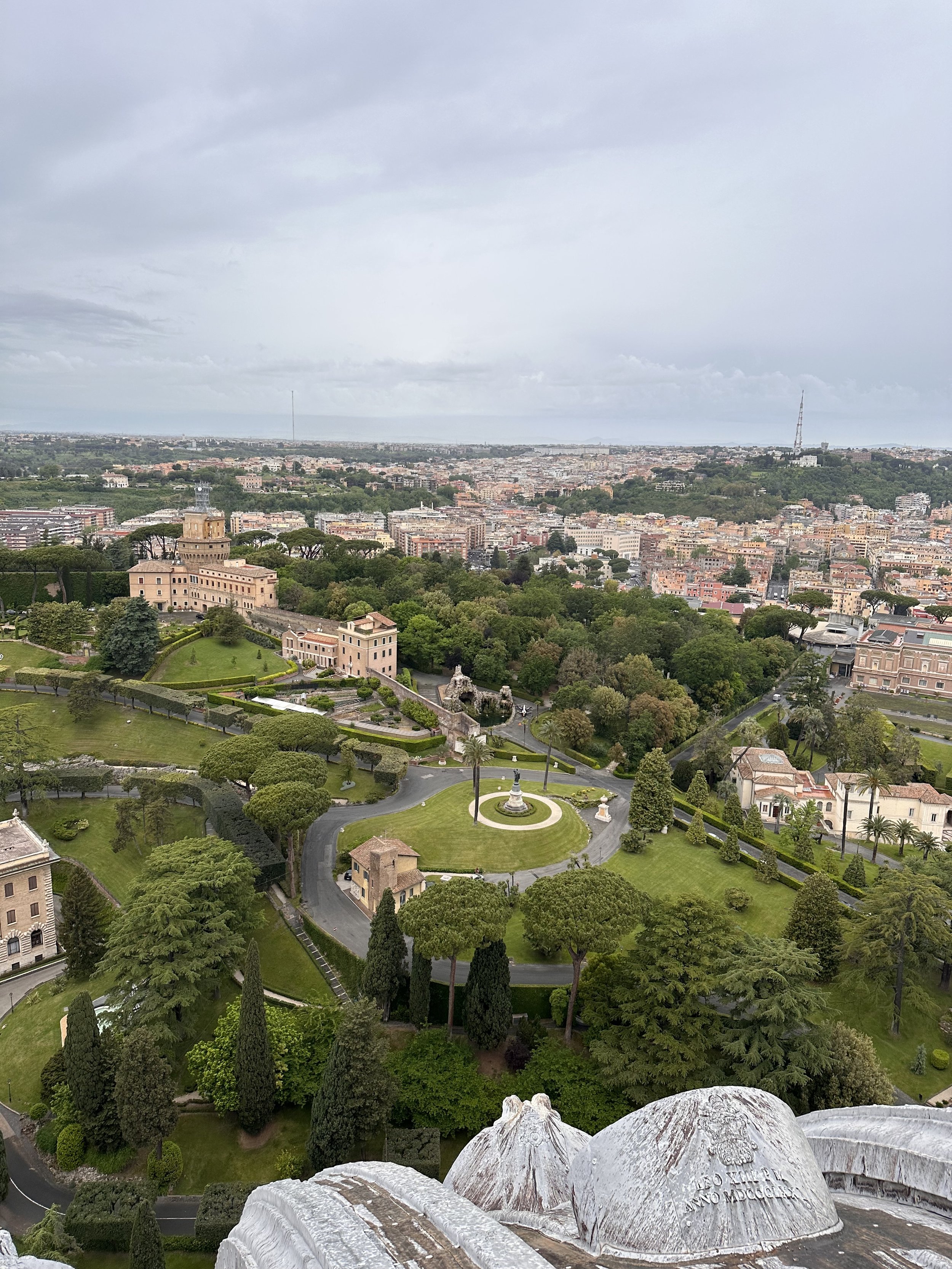
The Honest Breakdown by Season
April through June is the strongest window for a first trip. The weather is warm without being oppressive, the light is beautiful, and the major sites are busy but not yet at their summer crush. Late spring in particular hits the sweet spot, everything open and alive, the heat still comfortable for the long days on foot that Italy demands.
July and August are peak in every sense. Hot, crowded, and expensive, with the ancient sites offering very little shade and the southern heat becoming genuinely punishing. There is a specific catch with August: it is when Italians themselves go on holiday, especially around Ferragosto on August 15. Many family run restaurants and shops in the cities simply close for weeks while their owners head to the coast. You get the tourist crowds without the full local life. If August is when you can travel, go, but plan around it and expect company everywhere.
September and October is the version people who return to Italy often quietly prefer. The summer heat breaks, the crowds thin, prices ease, and the light turns golden. The sea is still warm from summer if the coast is part of your trip. A genuinely excellent and slightly underrated first trip window.
November through March is the off season, and it splits by where you go. The cities, Rome, Milan, Florence, are worth visiting year round and take on a quieter, moodier character in winter, with lower prices and short lines at the major sights. The coastal and island destinations, the Amalfi Coast and much of Sicily's tourist infrastructure, wind down significantly. If the cities and the art are your focus, winter is a legitimate and underrated time to go. If the coast is the point, it is not.
Things Worth Planning Around
Ferragosto, August 15, is the peak of the Italian summer holiday. The country is at its most crowded at the coast and its most shuttered in the cities. Worth knowing whether you are trying to find it or avoid it.
The major religious holidays, Easter especially, fill Rome and the Vatican beyond their already considerable crowds. Easter week in Rome is an extraordinary experience if that is what you are there for, and a logistical headache if it is not. Either way, know it is coming before you book.
A Note on Trip Order
This is worth knowing before you map your route. If your first trip pairs Milan and Rome the way ours did, do Milan first. Milan is the gentler introduction to Italy, polished and walkable and contained, a manageable place to find your feet in your first days in the country. Rome is overwhelming by design, layered and chaotic and enormous, and it is the kind of place that makes whatever comes after it feel small. Arrive into Milan, let it ease you in, then let Rome be the crescendo. Doing it in reverse, ending a northern leg in Milan after the sensory overload of Rome, tends to make Milan feel flat through no fault of its own. As a general rule, the bigger and more intense the city, the later it should land in your itinerary.
Getting Around in Italy
Italy is one of the easier countries in Europe to get around, largely because the train network is excellent and connects almost everywhere a first time visitor wants to go. For a trip built around the major cities, you can do the entire thing without ever renting a car, and you generally should. The train is faster, cheaper, and far less stressful than driving and parking in an Italian city.
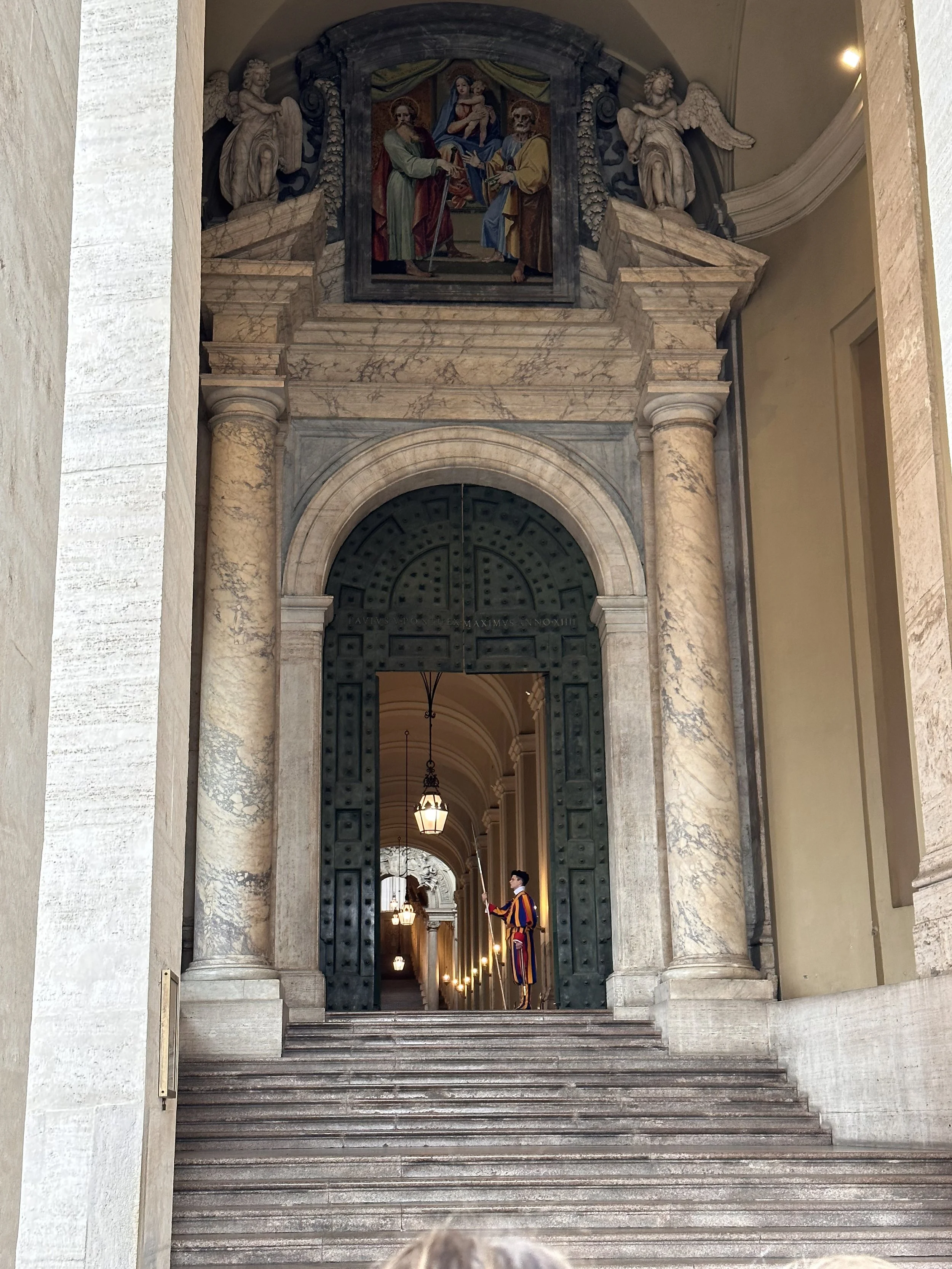
Getting to Italy
Italy has several major international airports. Rome Fiumicino and Milan Malpensa are the two largest and the most common entry points for a first trip. We flew into Milan Malpensa and took the Malpensa Shuttle bus directly to Milano Centrale, the main train station, which is the simplest and cheapest way into the city. Both airports connect to their city centers by train, bus, and taxi. Venice, Florence, Naples, and the major islands also have airports worth considering if they fit your route better than routing through Rome or Milan.
Getting Between Cities
The high speed train is the backbone of an Italy trip and it is genuinely excellent. Two companies run the fast routes, Trenitalia, whose flagship is the Frecciarossa, and Italo, a private competitor. They cover the same major routes and competing on price often works in your favor. Milan to Rome takes about three hours and is the journey most first trips include. We did exactly that leg and it was comfortable, fast, and easy.
A few things worth knowing. Book in advance for the best fares, as high speed tickets get more expensive closer to the date. The slower regional trains do not need advance booking and cost the same whether you buy ahead or at the station, so save the advance planning for the long hauls. And validate regional tickets before boarding if your ticket is not for a specific assigned seat, since the fine for an unvalidated ticket is real.
Getting Around Within Cities
Most Italian city centers are walkable and that is the best way to experience them. Where you need transport, it varies by city. Rome has a metro, with lines A and B covering most of what a visitor needs, plus buses and trams. We used an app to buy metro tickets in Rome, and a single ticket is valid across metro and bus for a set window after you validate it. Milan has a clean, easy metro that reaches everything. Taxis are available everywhere but make sure the meter is running, and rideshare availability is patchier than in the US and varies by city. In the historic centers, you will mostly be on foot regardless.
Renting a Car
You do not need one for a city focused first trip, and in the cities a car is a liability, not a help. Many city centers have restricted traffic zones, called ZTL, that issue automatic fines to cars that enter without a permit, and tourists rack these up without realizing it. Where a car genuinely earns its place is the countryside, Tuscany, the hill towns, the rural stretches of the south, where public transport thins out and the freedom to wander is the entire point. If your trip includes that kind of region, rent for those days specifically rather than the whole trip.
Coming by Cruise Ship
Italy is one of the biggest cruise destinations in the Mediterranean, and the ports are not always where you think. Rome's cruise port is Civitavecchia, over an hour from the city itself, so a Rome cruise day involves real travel time each way. For the southern stops we made, the ships docked in Salerno, the gateway to Pompeii and the Amalfi Coast, and in Messina in Sicily, the jumping off point for Mount Etna and Taormina. Each port has its own logistics and its own drive time to the actual sights, which is covered in detail on the individual city pages.
Culture & Etiquette Basics
(How Not to Be That Tourist)
Italy is welcoming and easy to travel in, and the etiquette is less about rigid rules than about meeting the country on its own terms.. A few things are worth knowing before you arrive.
1. Coffee
Italian coffee culture has its own logic and it is worth understanding before you order. First, you go to a "bar," not a café, and most people drink their coffee standing at the counter rather than sitting, which is also cheaper. A "caffè" means an espresso, not a drip coffee, which essentially does not exist here. Coffee is consumed on the spot, not carried out in a cup. And the one rule Italians genuinely notice: milky coffees like cappuccino are a morning thing, finished by late morning. Ordering one after a meal marks you instantly. After lunch or dinner, it is an espresso. Order it standing at the bar, drink it in a few sips, and you will briefly feel like you belong.
2. Dining and the Check
Meals in Italy are not rushed and you should not try to rush them. Dinner runs late, often starting at eight or later, and the best local spots fill up well after the early tourist seatings. The check will never come until you ask for it, because hovering with the bill would be considered rude. When you are ready, ask. For water, you will be brought bottled water by default and charged for it unless you specifically ask for tap, "acqua del rubinetto," though be aware that in many places bottled is simply the norm. Take your time. The long, unhurried meal is one of the genuine pleasures of being here.
3. Tipping and the Coperto
Tipping in Italy is not the obligation it is in the US, and this confuses a lot of first timers. Many restaurants add a "coperto," a small per person cover charge, to the bill automatically, and some add a service charge, "servizio." Check your bill for both. Beyond that, tipping is modest and optional. Rounding up or leaving a few euros for genuinely good service is plenty. You do not need to leave the twenty percent you would at home, and nobody expects you to. The price you see is much closer to the price you pay than you are used to.
4. Dressing for the Churches
Italy's churches, including the Vatican, the Duomo in Milan, and countless others you will want to step into, enforce a dress code: shoulders and knees covered, for everyone. This is taken seriously at the major sites. At St. Peter's we watched multiple people get turned away at the entrance for not meeting it. The simple fix is to carry a light scarf or layer you can throw on at the door and remove afterward, so a sleeveless summer outfit does not cost you entry to something you came a long way to see.
5. Greetings and a Few Words
A little Italian goes a long way and is genuinely appreciated. "Buongiorno" for good morning or good day, "buonasera" for good evening, "grazie" for thank you, "per favore" for please. Say hello when you walk into a shop or a bar and goodbye when you leave. Italians respond warmly to visitors who make the effort, even a small and imperfect one, and it shifts how you are treated in a way that is immediately noticeable. You do not need to be fluent. You just need to try.
6. The Sweet Breakfast
Breakfast in Italy is sweet, and that is essentially the only option. A pastry, usually a cornetto, which is a softer Italian cousin of the croissant, and a coffee, taken standing at the bar. Savory breakfast, eggs, meat, anything substantial, basically does not exist in the traditional Italian morning. If you are used to a savory breakfast at home, adjust your expectations and lean into the cornetto and espresso. It is a lovely way to start the day once you stop looking for the hash browns that are not coming.
Where to Go in Italy
My firsthand experience in Italy covers Milan, Rome, Pompeii, and a day in Sicily. The destinations below include those four with links to their full guides, plus the major places worth knowing about for a first trip that I have not yet experienced myself. Each will get its own full page as we go back and see more of this country.
Milan
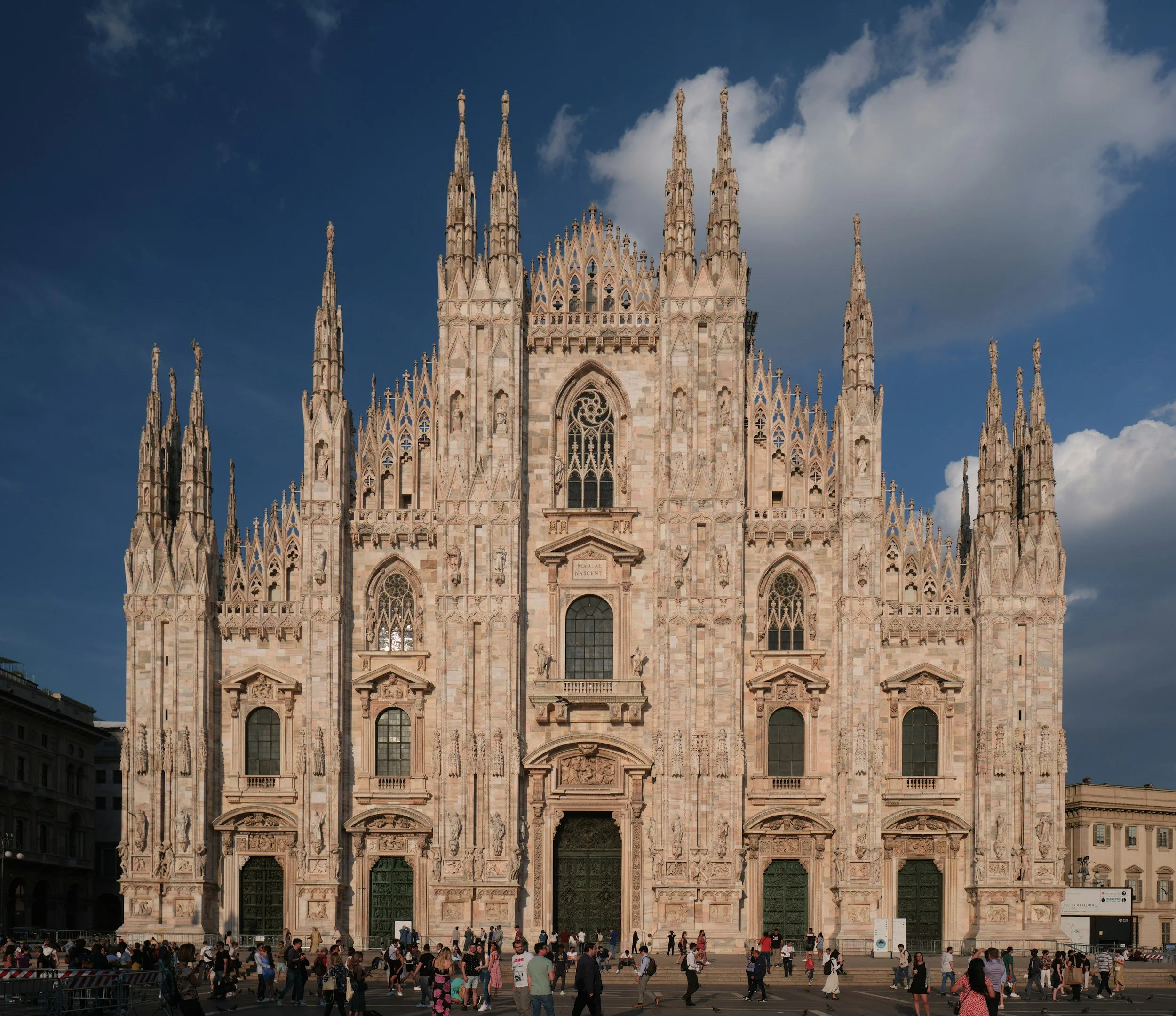
The first European city I ever set foot in, and far better than its reputation as merely a fashion and business hub. The Duomo is one of the most extraordinary buildings in Italy, the Last Supper is here, and the food at the right table is among the best in the country. A strong, walkable, slightly underrated introduction to Italy. Two days covers it. Full guide on the Milan page.
Rome
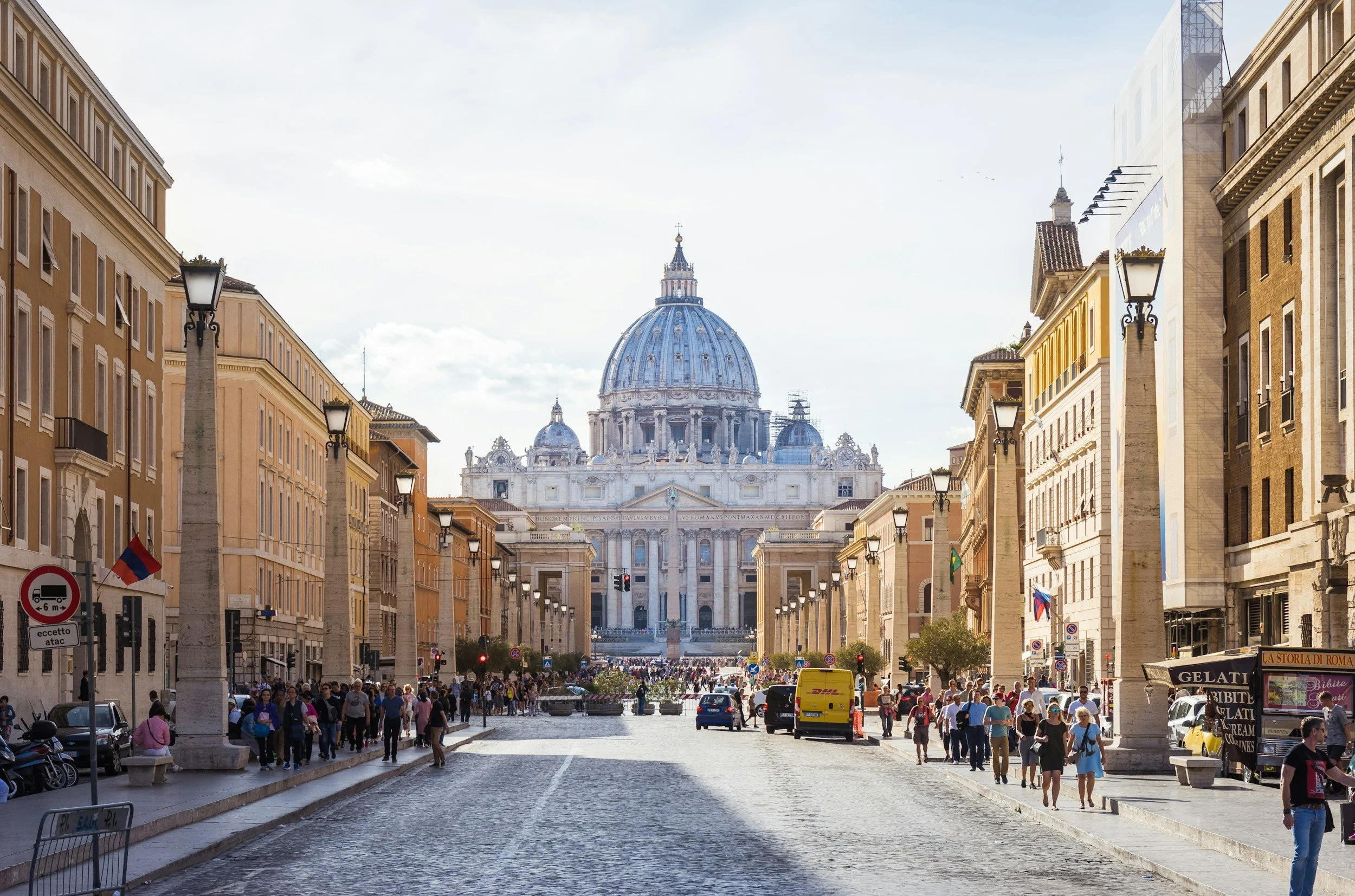
The eternal city, and the one you cannot finish. Three thousand years stacked on top of a living city, with the Vatican, the Colosseum, the Pantheon, and a church around every corner that would be the main attraction anywhere else. Overwhelming in the best way and impossible to fully see in one trip. Three days is the minimum. Full guide on the Rome page.
Pompeii
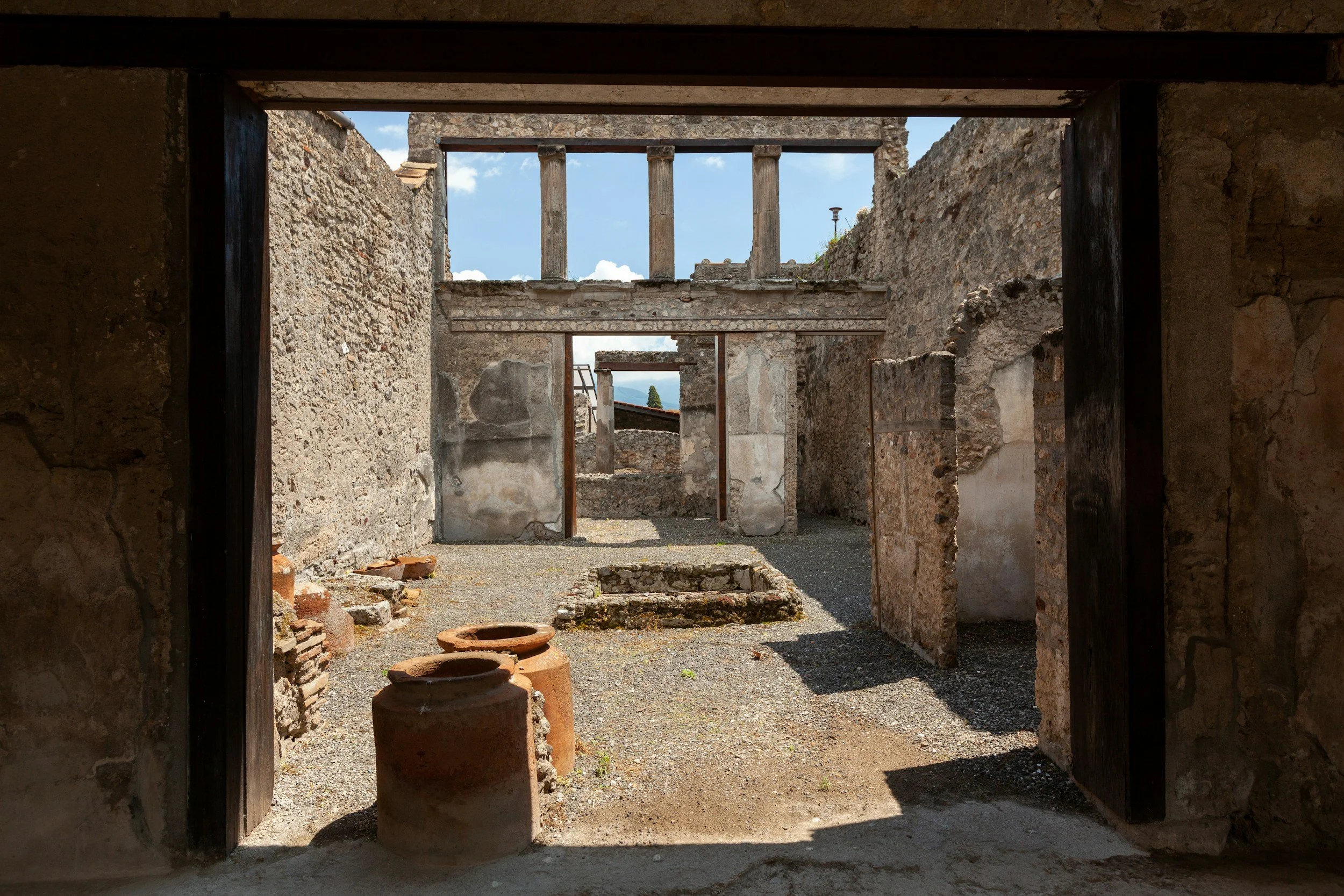
We visited Pompeii as a day trip from the cruise port of Salerno, and it was one of the most affecting places we saw in all of Italy. Not a ruin but an entire ancient city, frozen at the moment it was buried in 79 AD, with the color still on the walls and the streets still worn by cart wheels. A half day with a guide covers the highlights. Full guide on the Pompeii page.
Sicily
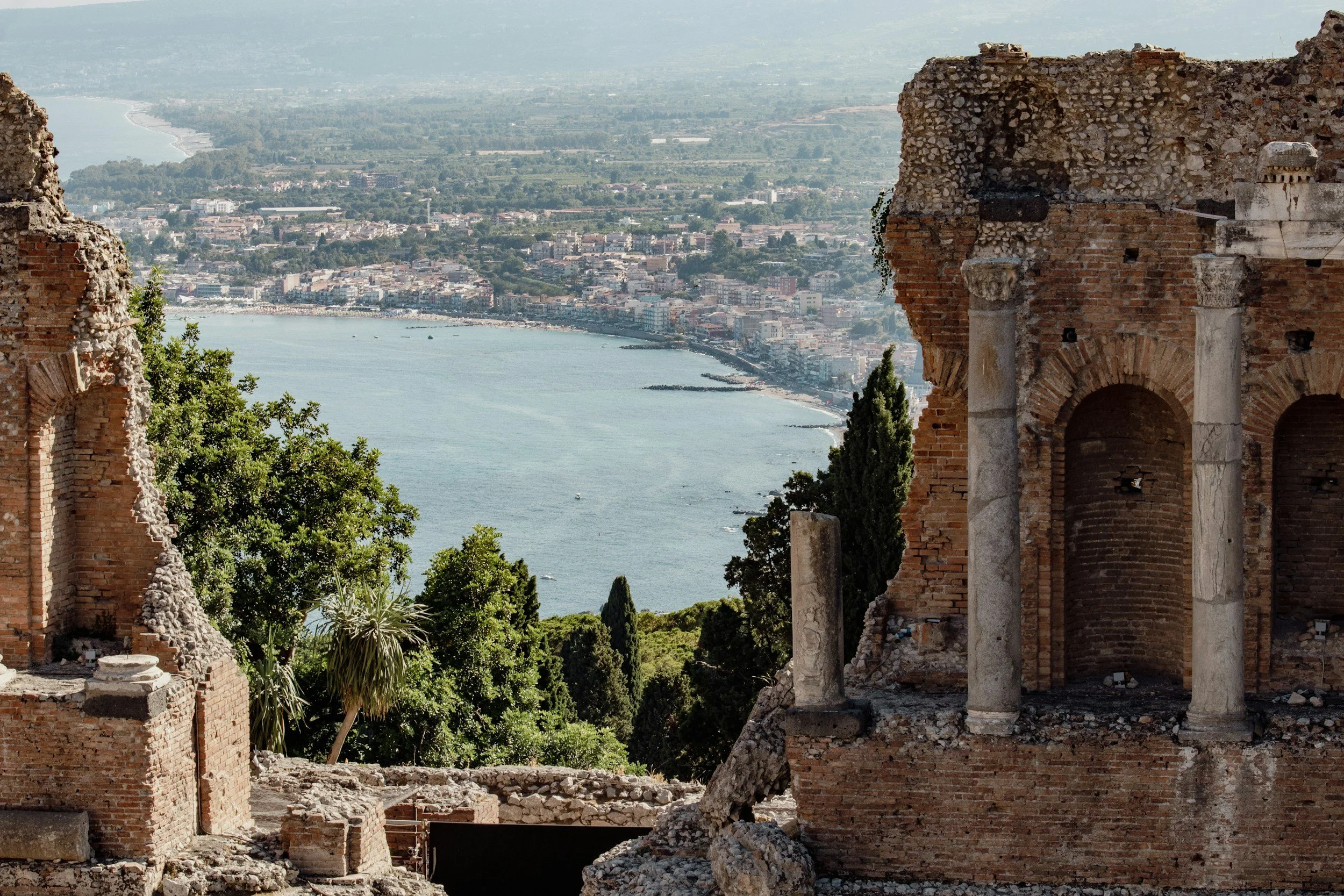
We had a single day in Sicily off the ship in Messina, split between Mount Etna and the cliffside town of Taormina. A day of two halves, the stark, elemental volcano in the morning and the postcard Italian coast in the afternoon. A sliver of an island that deserves a whole trip of its own. Full guide on the Sicily page.
Florence
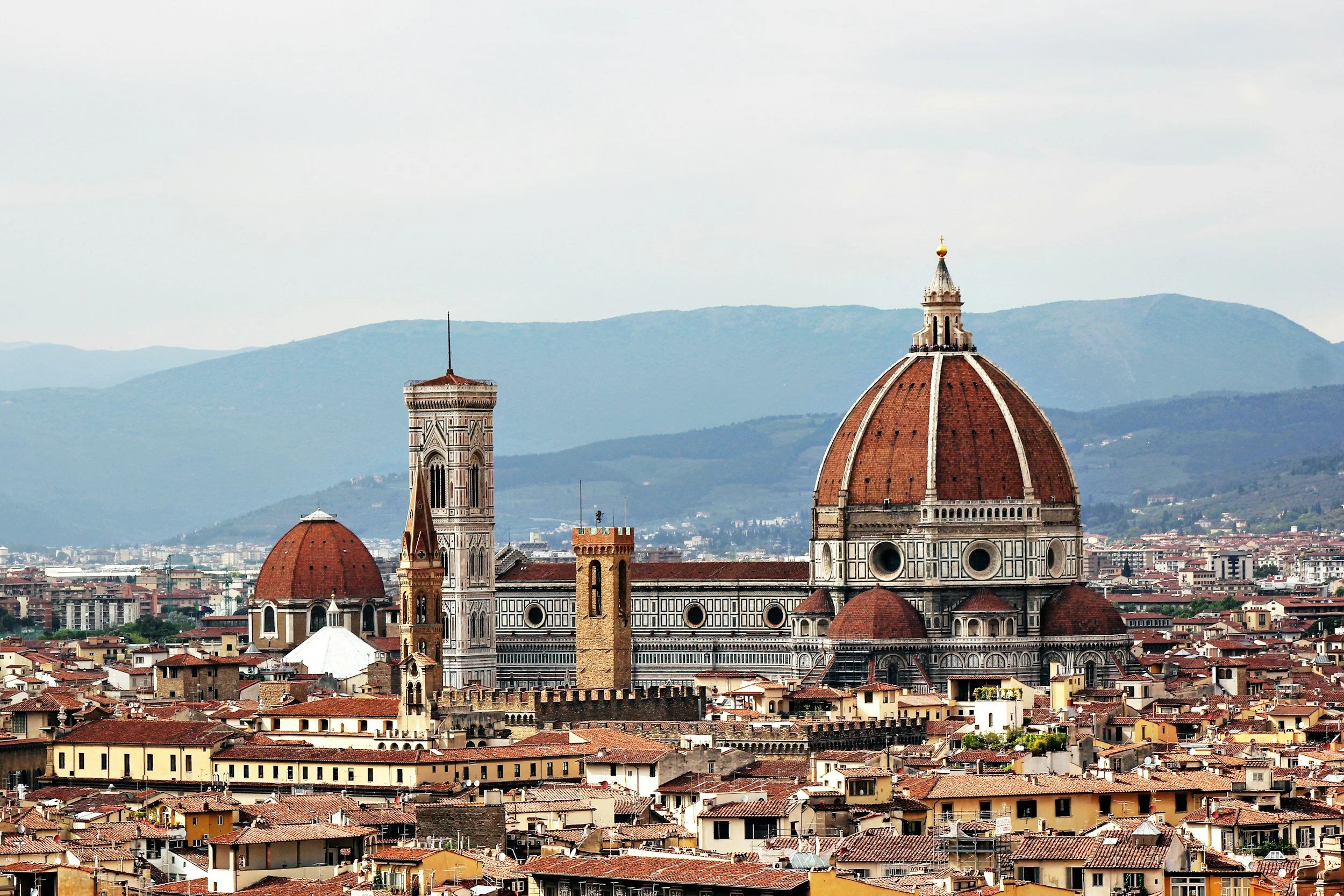
The most significant omission from our firsthand experience and the one I most want to fix. Florence is the heart of the Renaissance, home to the Uffizi, Michelangelo's David, and the Duomo with Brunelleschi's dome, packed into a compact, walkable center. For many first time visitors to Italy it is the single most rewarding city for art and history, and no honest Italy page is complete without saying you should probably go before you do half the things we did.
Venice
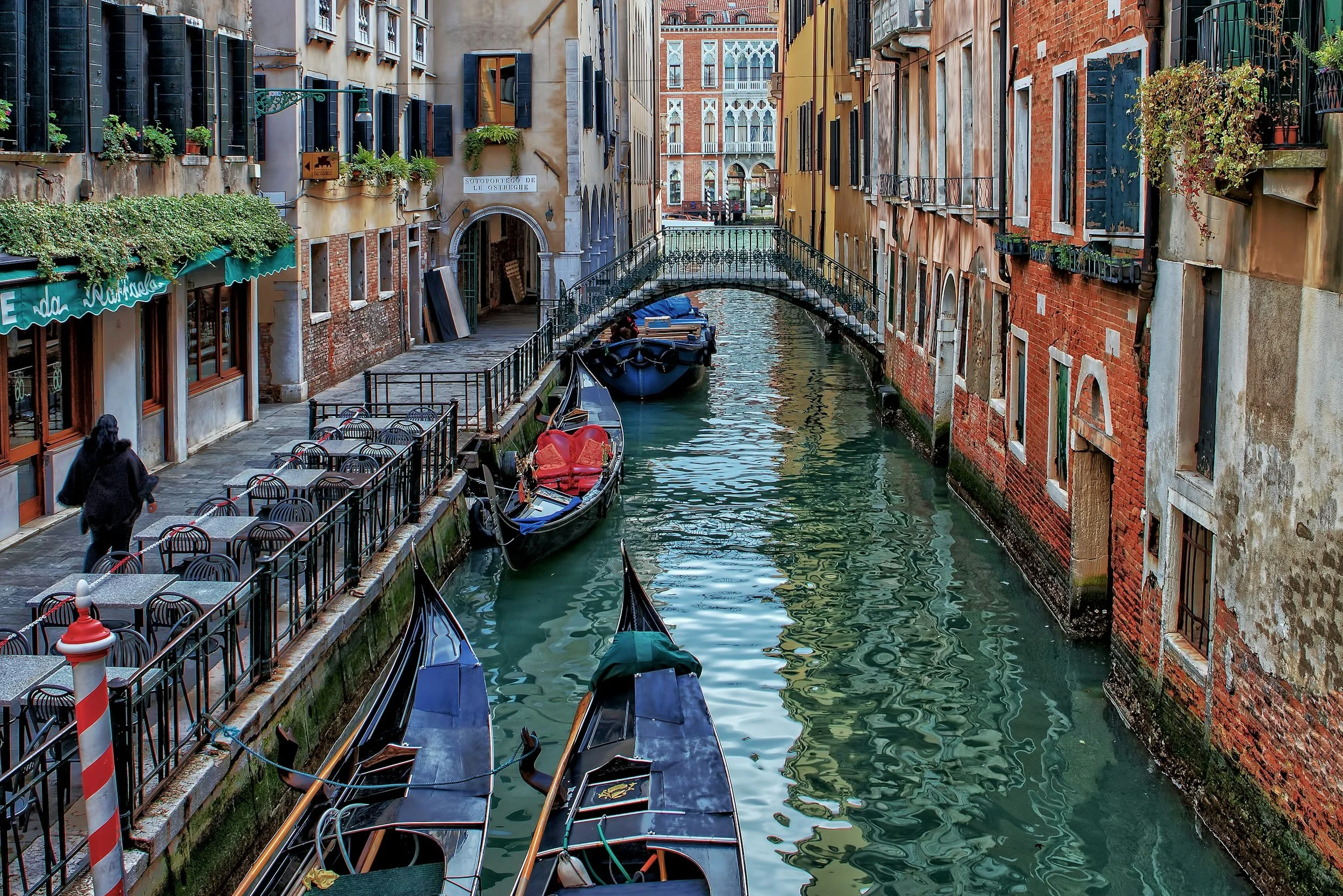
There is nowhere else like it, and that is not marketing. A city built on water with no cars, only canals and footbridges, slowly sinking and impossibly atmospheric. It is crowded and it is expensive and it is still worth it, because no photograph prepares you for the strangeness of actually moving through a city that works the way no other city does. A classic first trip addition, often paired with Florence.
The Amalfi Coast
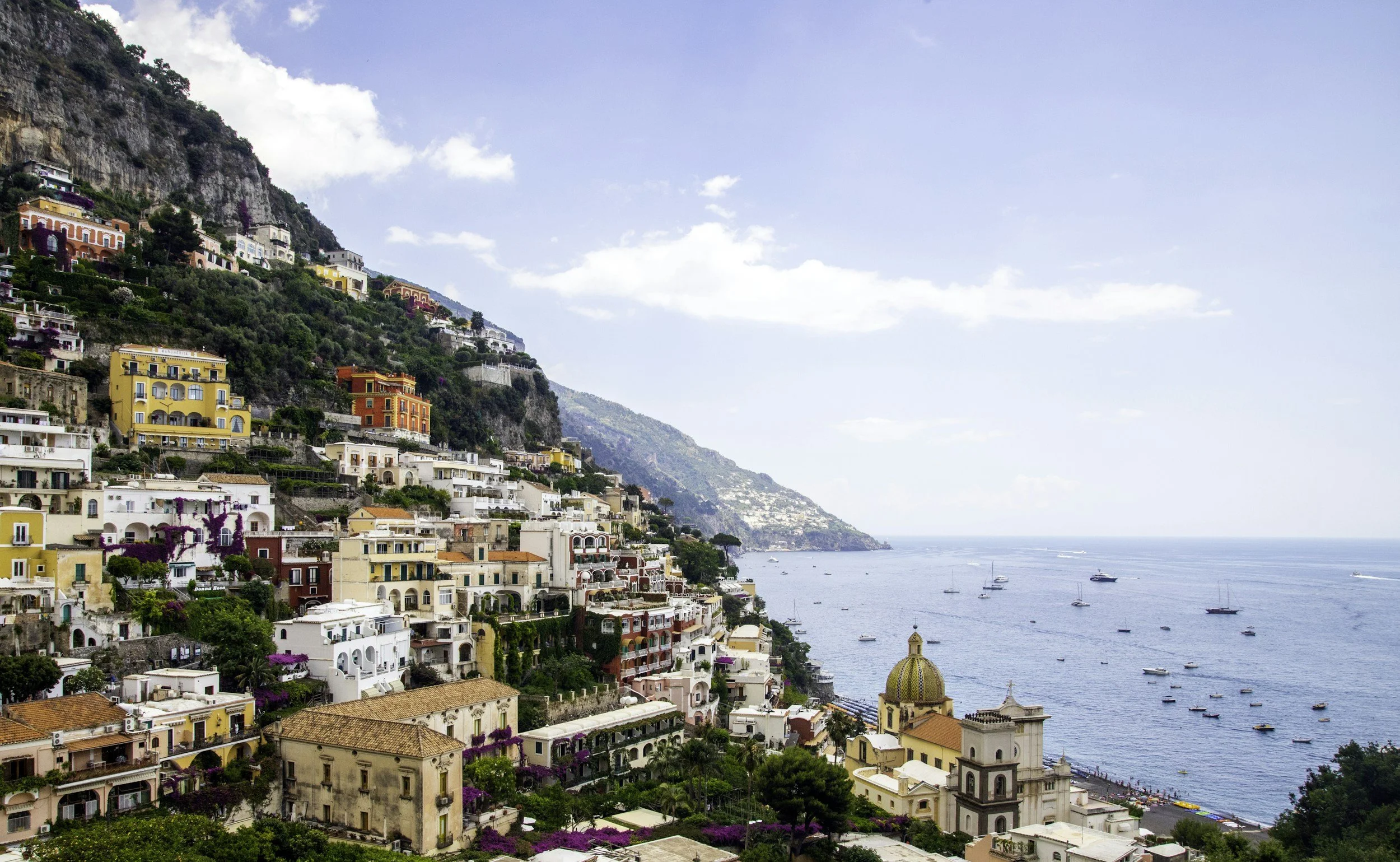
The stretch of cliffside coastline south of Naples, Positano, Amalfi, Ravello, that defines the image most people have of Italian summer. We docked in Salerno, which is the gateway to it, and chose Pompeii over the coast itself, so I will be honest that I have not properly experienced it. It is on the list. For travelers who want the dramatic coastal version of Italy rather than the cities and ruins, this is the region to build around.
Tuscany
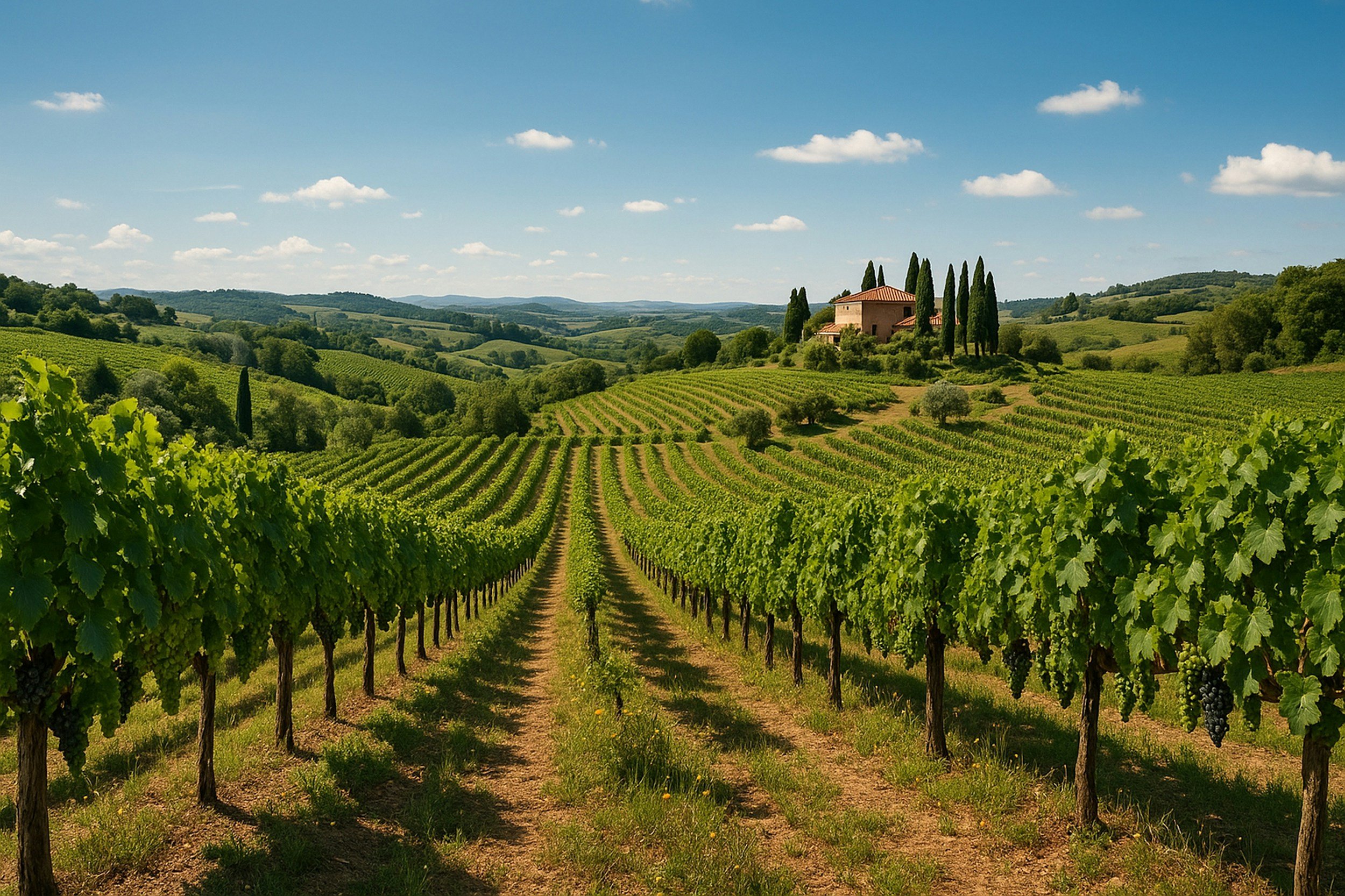
The countryside most people picture when they imagine rural Italy. Rolling hills, vineyards, hill towns like Siena and San Gimignano, and some of the best food and wine in the country. This is where renting a car genuinely pays off, and where the slower, unhurried version of an Italy trip lives. Best as its own leg rather than a day trip, ideally paired with Florence.
Naples
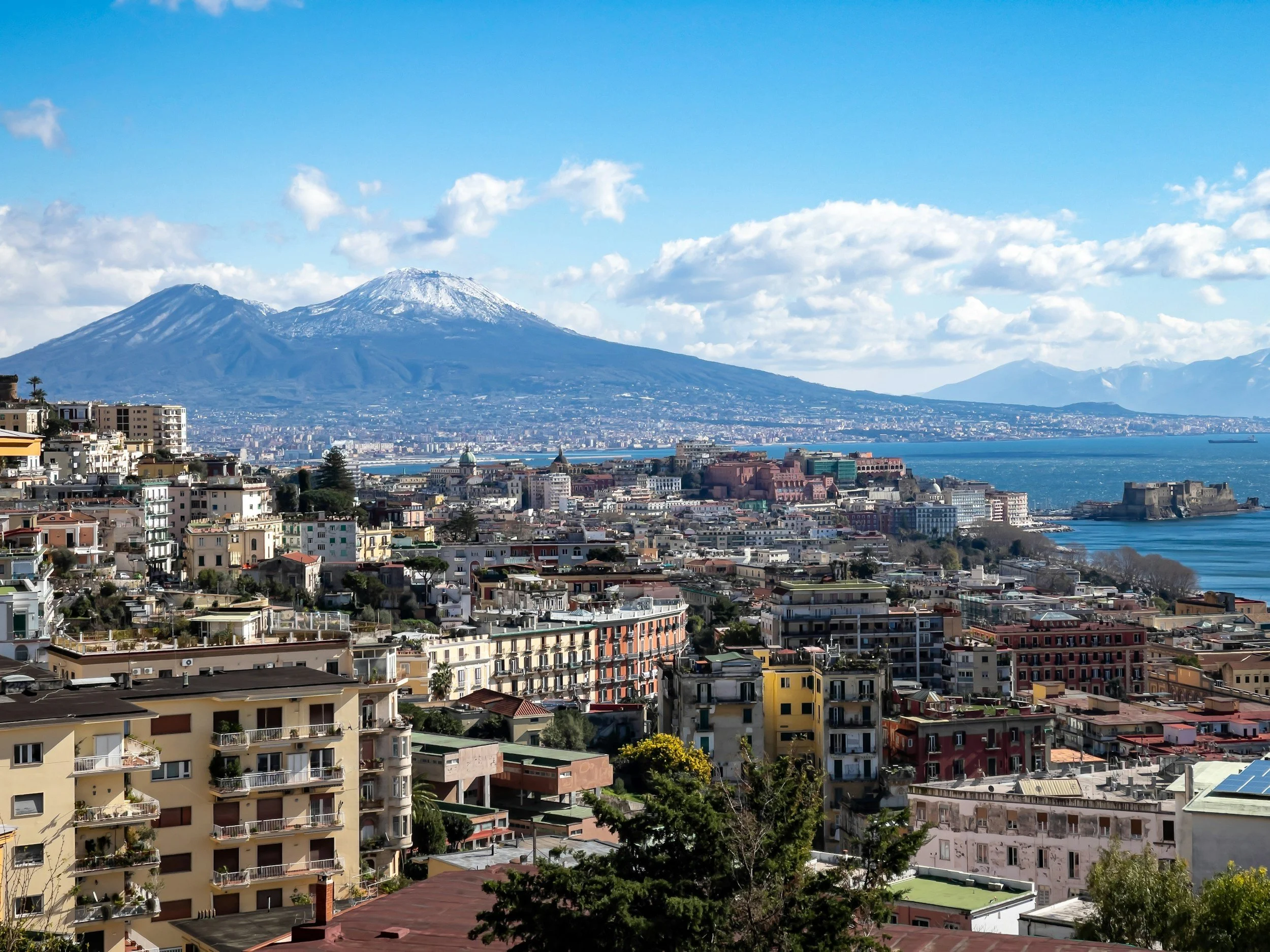
Chaotic, intense, and the birthplace of pizza, Naples is the gateway to Pompeii, the Amalfi Coast, and the island of Capri. It has a reputation for being grittier than the polished northern cities, which is exactly why people who love it love it. Worth knowing as both a destination in its own right and a base for the whole southern region.
Capri
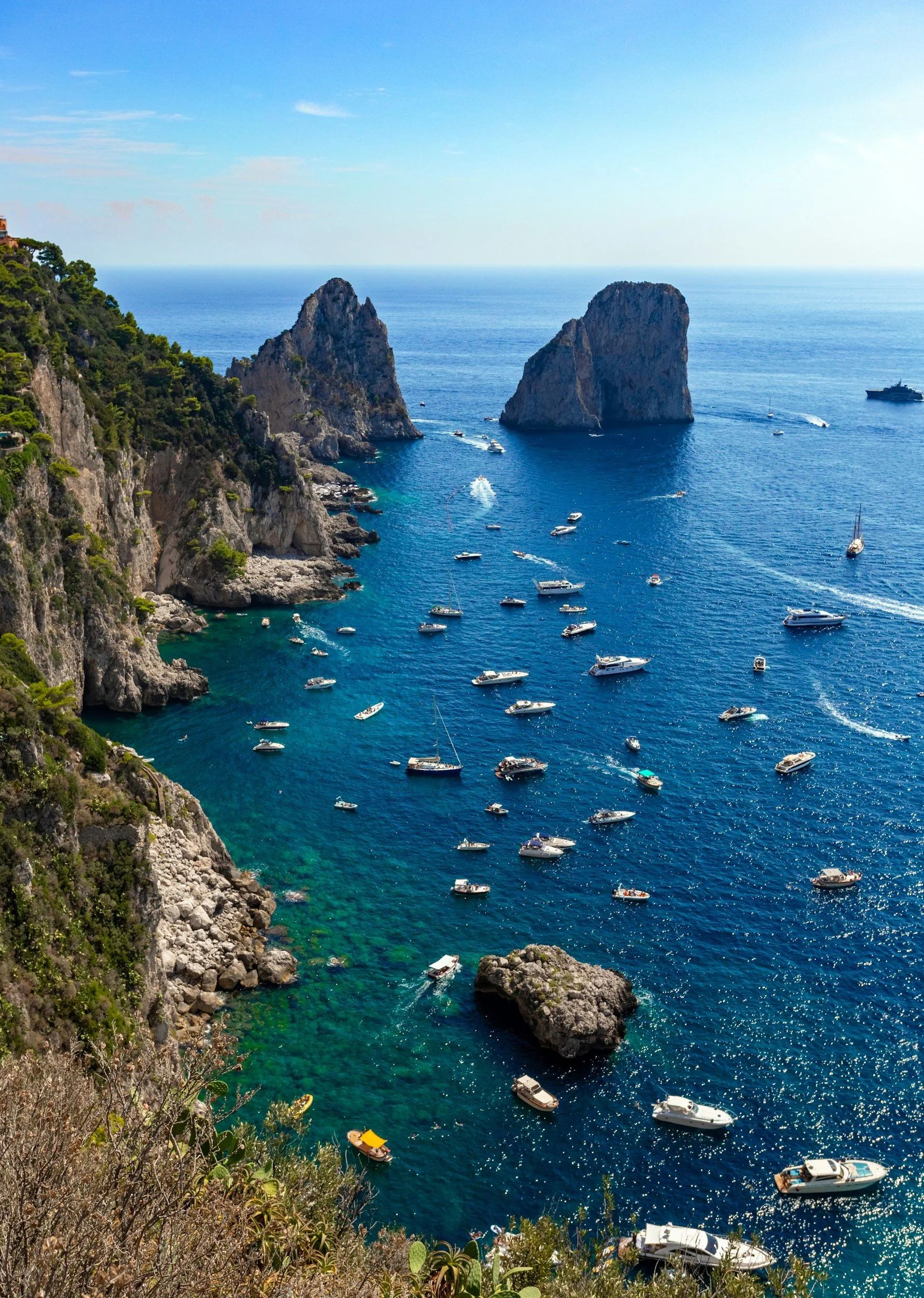
The island off the coast of Naples that has been a glamorous escape since Roman emperors built villas on it. The Blue Grotto, the dramatic faraglioni rock formations rising out of the sea, and a chic, expensive town center. It is a common day trip from Naples or the Amalfi Coast and a bucket list stop for many first timers, though it gets extremely busy in peak season. Worth knowing about as part of a southern itinerary built around Naples and the coast.
Cinque Terre
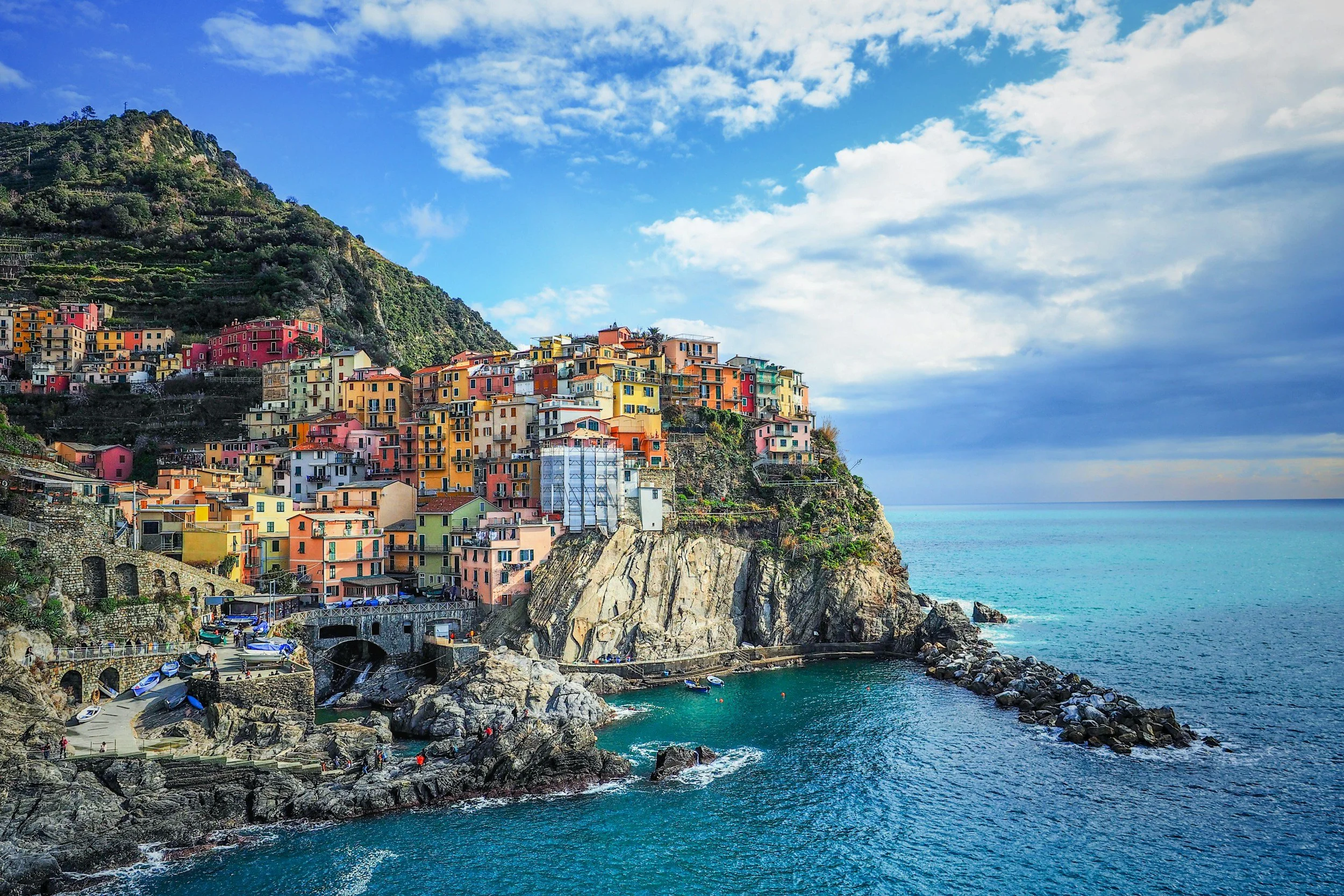
Five brightly colored fishing villages built into the cliffs of the Ligurian coast, connected by hiking trails and a train line. Spectacular and very popular, which means crowded in peak season, but the setting is genuinely unlike anywhere else in Italy. A natural addition for travelers who want coastal beauty in the north.
The Dolomites
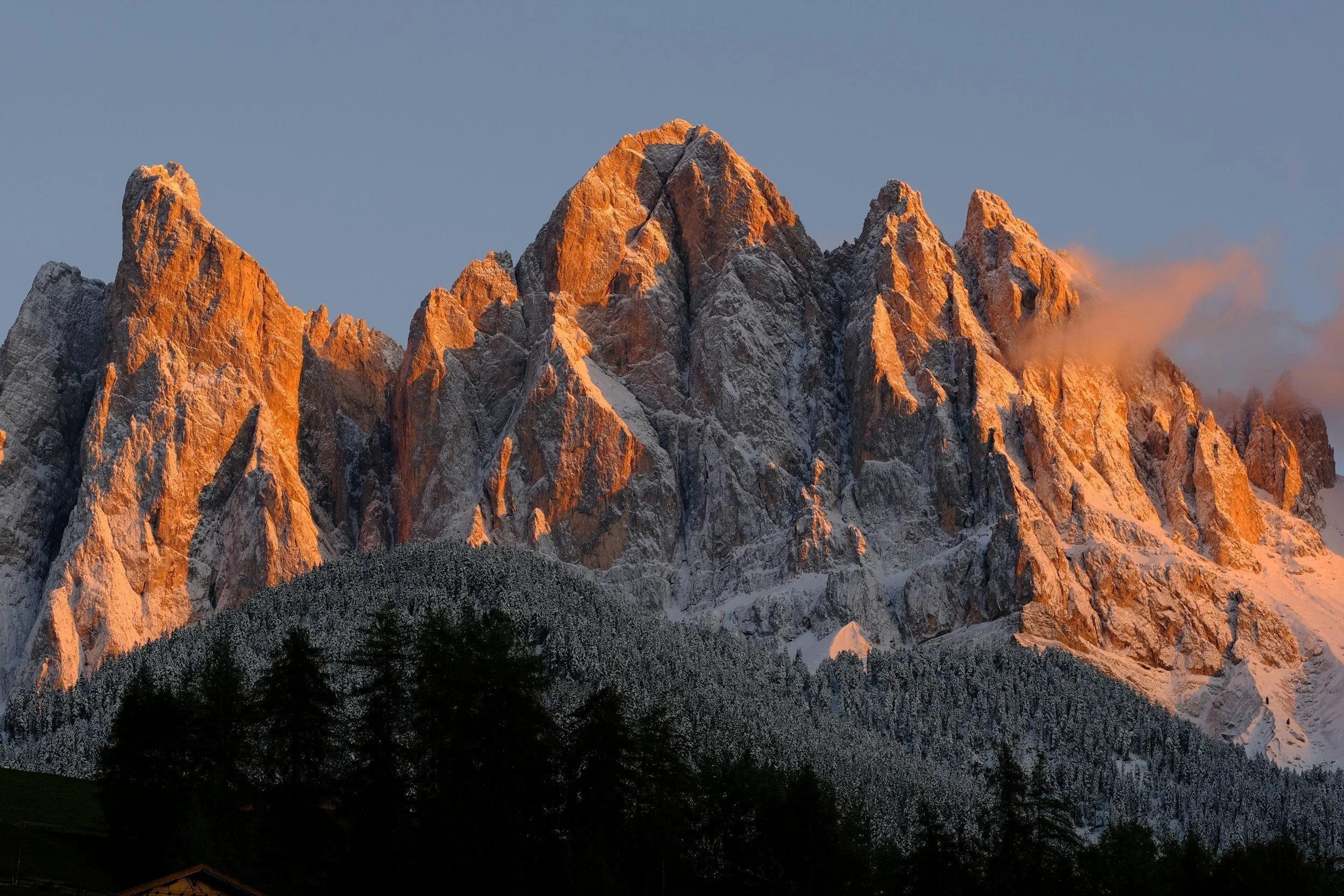
The most dramatic mountain landscape in Italy, in the far north near the Austrian border. Jagged pale peaks, alpine meadows, and some of the best hiking in Europe, with a culture that feels as much Austrian as Italian. This is the side of Italy nobody pictures until they see it, and for travelers who want mountains rather than cities or coast, there is nothing else like it in the country. Best as its own dedicated trip, ideally in summer for the hiking or winter for the skiing.
The Italian Lakes
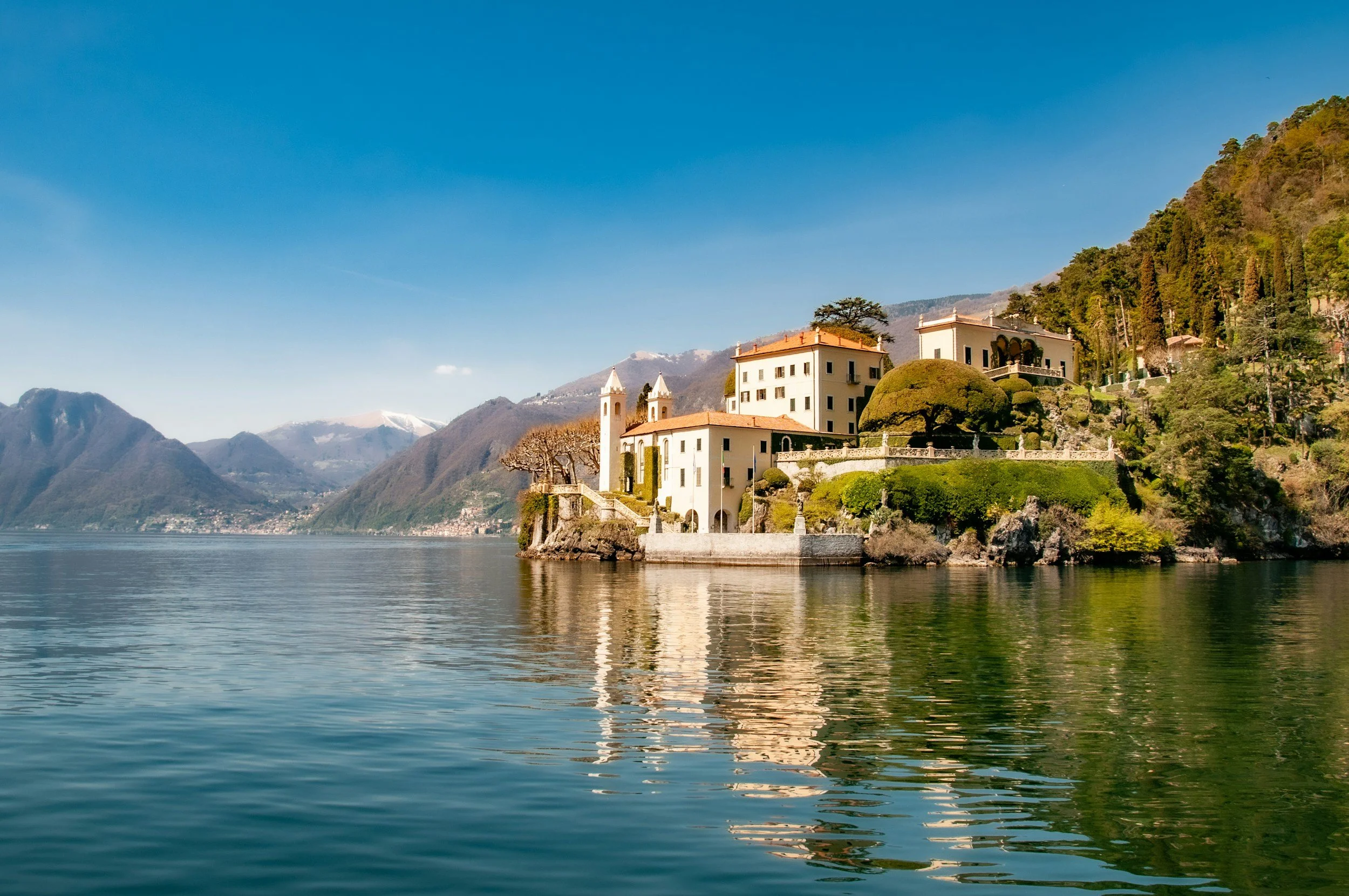
The string of dramatic alpine lakes across the north, ringed by mountains, gardens, and elegant villas. Lake Como, north of Milan, is the most famous, all water and grand houses and slow afternoons. Lake Garda is the largest and a major destination in its own right, and Lake Maggiore is quieter and equally beautiful. Any of them makes an easy and worthwhile change of pace from a Milan leg, and a complete contrast to the cities. Worth knowing about for a first trip with a day or two to spare in the north.
My Biggest Surprise the First Time in Italy
What They Get to Keep
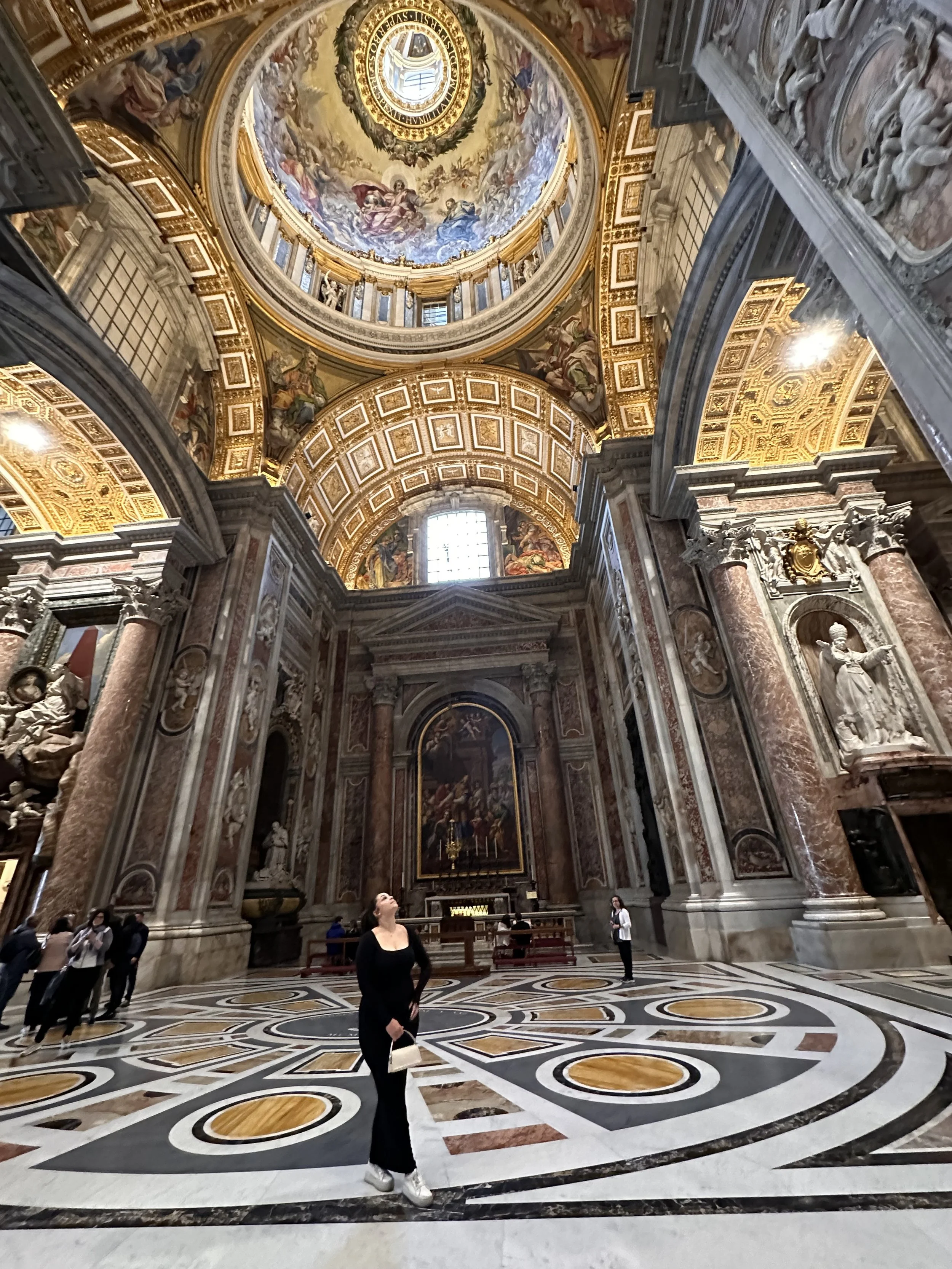
Inside St. Peter's Basilica, somewhere off to the right of all that marble and gold, there is a small chapel with a curtain across it and a sign that says only those who wish to pray may enter. An attendant stands at the rope. Behind the curtain, all day long, people kneel in prayer while the largest crowd in the Catholic world shuffles past a few feet away, photographing everything.
I stood near it for a while, watching. I had seen quieter versions of it all week, someone praying beside the crowd photographing the Caravaggios in San Luigi dei Francesi. But here the divide had a curtain and a guard.
The basilica is overwhelming in every direction. It is arguably the single most concentrated display of human achievement on earth, every surface worked by a master, every material the most expensive available, all of it built to make you feel small. And the visitors respond exactly as designed. We crane our necks, we lift our phones, we try to capture something that does not fit in a frame. Thousands of us, all day, every day, doing the same thing.
And then there is the curtain, and the people behind it, who did not come to see any of that.
They came to pray. The same thing people have come to do in this building for four hundred years, and on this spot for far longer. For them, the most famous church on earth is not a wonder of the world. It is their church. The art on the walls is not a bucket list item. It is simply where they kneel. They walk past the lines we wait in, slip behind the curtain, and do the quiet, ordinary, daily thing that the entire staggering building was actually built for in the first place.
That chapel is the whole of Italy to me.
Because that is the gap I felt everywhere, in Rome and Milan and standing on the worn streets of Pompeii. We travel across the world to look at these things. We study them, photograph them, check them off. And all around us are people for whom none of it is remarkable, because it is simply theirs, the fountain on the commute, the cathedral over the morning coffee, the chapel behind the curtain. They are not visiting Italy. They are living in it, holding effortlessly the thing the rest of us crossed an ocean to glimpse.
You will never fully close that gap on a first trip, and you are not supposed to. But you can stand near the curtain, and watch, and understand for a moment what it is you are actually looking at. Not a monument. A living thing, that belongs to someone, and always has.
That is the trip. Go see what they get to keep.