
Your First Time in Iceland
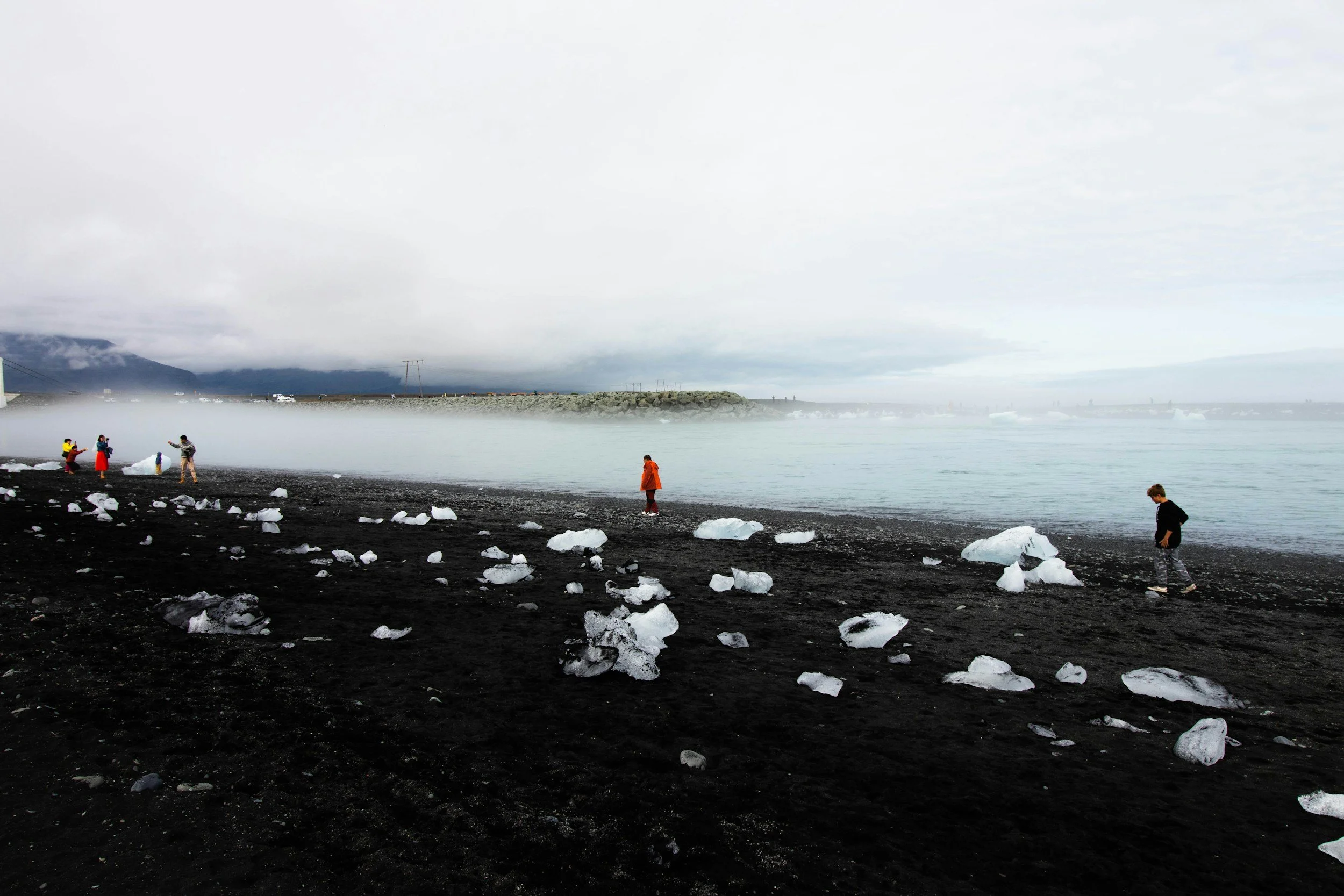
Iceland is the most otherworldly place I have ever set foot. I mean that almost literally. Black sand beaches scattered with glittering ice, lava fields blanketed in soft moss, waterfalls around every bend, a glacier lagoon full of drifting icebergs, the ground itself steaming and erupting. There were moments in Iceland where I could not believe I was still on the same planet I live on. Nowhere else I have been comes close.
And yet, I am going to be honest with you in a way most Iceland guides will not. It was also, in some ways, my least favorite trip I have taken. Not because of the country, but because of how we did it, and that gap is the most useful thing I can teach you.
We based ourselves in Reykjavik for the entire trip and ran long day tours out to each region, which meant some days stretched to fourteen hours, most of them on a bus, much of that in the dark. We came in early March for the Northern Lights, which we saw and loved, but the cold limited us and the short days rushed us. By the end, we were worn out by the very thing we had crossed the world to see.
Here is what I know now. Iceland is not a country you can do well from a single home base. It is too big and too spread out, and the magic lives in the regions, not the capital. The single most important thing on this page is this. Pick a few regions, stay in them, rent a car, and let the landscape set your pace instead of a bus schedule. Do that, and Iceland goes from exhausting to extraordinary. We learned it on our final two days, when we finally rented a car and drove a peninsula on our own, and Iceland became the trip we had wanted all along.
This page is the honest version of everything we figured out, much of it the hard way, so your first trip can be the good kind of unforgettable.
What to Know Before Visiting Iceland
-
Yes, Iceland is one of the safest countries in the world, with violent crime extremely rare. The real dangers here are not people, they are nature. Sneaker waves at black sand beaches like Reynisfjara have pulled people into the sea and killed them. Weather can turn violent fast. Roads can ice over, and winter driving catches inexperienced visitors off guard. Iceland is also volcanically active, with eruptions on the Reykjanes Peninsula in recent years. None of this should scare you off, it just means the thing to respect in Iceland is the landscape, not the people. Check road and weather conditions before you set out, never turn your back on the ocean, and stay behind the barriers at geothermal sites and cliffs.
-
US citizens do not need a visa for tourist stays of up to 90 days. Iceland is part of the Schengen Area, so the same visa-free arrangement that covers most of Europe applies here. Your passport should be valid for at least three months beyond your planned departure, though six months is the safer rule of thumb. For stays longer than 90 days or for non-tourist purposes, you will need to arrange the appropriate visa in advance. Entry rules can change, so confirm the current requirements before you travel.
-
Yes. I will not sugarcoat it, Iceland is one of the most expensive countries I have ever visited, and the food in particular shocked us, costing more than it did in Switzerland. Because nearly everything is imported, restaurant meals, groceries, and alcohol are all steep, and a sit-down dinner for two adds up fast. The good news is there are ways to soften it: eat the cheaper Icelandic staples like soup, hot dogs, and bakery food, drink the free and excellent tap water instead of buying bottled, buy any alcohol at the duty-free shop in the arrivals hall (locals do this), and self-cater where you can. Budget more than you think you need for food, and the sticker shock will sting less.
-
No, and this surprises people. Iceland is almost entirely cashless. Cards, including contactless and mobile payments, are accepted essentially everywhere, from restaurants to gas stations to tiny rural shops, and many locals never carry cash at all. You can travel the whole country comfortably without taking out a single króna. Just make sure your card works abroad and ideally has no foreign transaction fees. One useful note: tipping is not expected in Iceland, since service is included, so you do not need cash for that either.
-
For most first trips, yes, and it is the single best decision you can make. Iceland's magic is spread out across regions far from Reykjavik, and a rental car gives you the freedom to explore on your own schedule rather than a tour bus's. The main roads, including the Ring Road and the routes through the popular regions, are paved and well maintained. The exception is deep-winter driving if you have no experience with snow and ice, in which case guided tours are a reasonable and safer alternative for the icy months. But if you are visiting spring through fall, or are a confident winter driver, rent the car. It is the difference between seeing Iceland and being shuttled through it. More on this in the Getting Around section below.
-
Yes, and it is some of the best in the world. Iceland's cold tap water comes straight from glaciers and springs and is cleaner and better-tasting than nearly any bottled water you can buy, so do not waste money on bottles. The one quirk that surprises everyone: the hot water is heated geothermally and carries a faint sulfur, rotten-egg smell. This is completely normal and harmless. Drink from the cold tap, let the hot water smell pass, and enjoy what is genuinely one of Iceland's underrated pleasures.
The Best Time of the Year to Visit Iceland
This is the most important decision you will make about an Iceland trip, because the season does not just change the weather, it changes the entire experience. Summer and winter in Iceland are essentially two different countries. Before anything else, you have to decide which one you came for, because you cannot have both on a single trip.
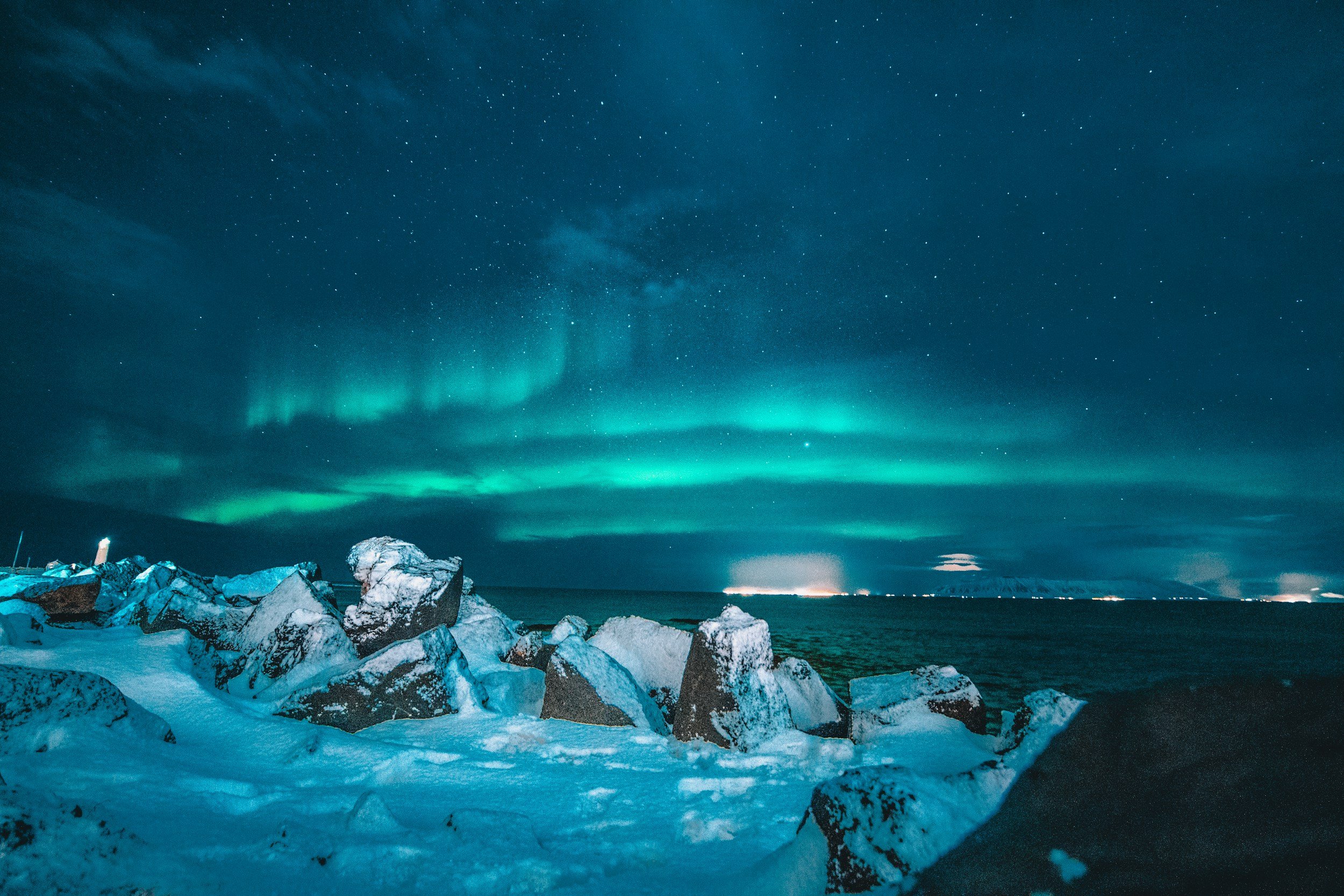
The core tradeoff is simple. The Northern Lights need long, dark nights, which means winter. Almost everything else, hiking, waterfalls, open roads, warmth, long days, is easier and better in summer. We came in early March specifically for the aurora, and we saw it and loved it. But if I went back, I would go in summer, to hike, to see more of the country lush and in full color rather than locked in snow and ice, and to have the long days and open roads we did not get.
The Honest Breakdown by Season
Summer, June through August, is the easy, generous version of Iceland. Daylight is nearly endless, around 21 hours near the solstice, which means no rushing and no racing the dark on long drives. The weather is mild, the whole country including the highlands is accessible, and everything is green and alive. The catch is that you cannot see the Northern Lights, the crowds are at their peak, and prices are highest. If your priority is hiking, landscapes, and self-driving freedom, this is the time to come, and it is what I would choose.
September and October is shoulder season and a genuinely smart window. The summer crowds thin, prices ease, the landscape turns autumnal, and crucially, the nights get dark enough that the Northern Lights become possible again while the days are still long enough to do plenty. A strong compromise if you want a real shot at the aurora without the harshness of deep winter.
November through February is deep winter, and it is the most dramatic and the most demanding version of Iceland. Days are very short, as little as four or five hours of daylight around the solstice, which seriously limits how much you can fit in and rushes the days you have. The cold and wind are real, some roads and routes close, and driving gets genuinely challenging. But this is prime Northern Lights season, the ice caves are open, and the snow-covered landscapes are stunning. Come now if the aurora and the winter wonderland are the whole point, but go in with your eyes open about the short days.
March and April is the other shoulder season, the tail end of winter easing toward spring, which is when we went. The days are lengthening again, the aurora is still visible on clear nights, and the cold is loosening its grip without being gone. It is a reasonable balance, though I found early March still cold enough and short enough on daylight to feel limiting. Later April tips further toward the easier, brighter version of the country.
Worth Planning Around
The daylight, more than the temperature, is the thing to plan around in winter. Four to five hours of usable light is not much, and it shapes how many stops you can realistically make in a day. If you come in the dark months, keep your daily plans modest and your drives short.
Northern Lights season runs roughly September through March, sometimes into April. If seeing them is a priority, you have to come in that window, and you should give yourself several nights and keep expectations in check, since they are never guaranteed.
Puffins, on the other hand, are a summer-only sight. Iceland is one of the best places in the world to see Atlantic puffins, but they only nest on the coastal cliffs from roughly mid-May through August and spend the rest of the year out at sea. The best spots include the Westman Islands, the Látrabjarg cliffs in the Westfjords, and Dyrhólaey on the South Coast.
Which points to one of Iceland's honest seasonal truths. The two sights people most associate with the country, the Northern Lights and the puffins, cannot be seen on the same trip. One needs the long dark nights of winter, the other the daylight of summer. We came in early March, so we caught the aurora and missed the puffins, which I am still a little sad about. You have to pick.
The highlands and interior F-roads are only open in summer, roughly late June through September, and require a 4x4. If your trip involves the interior, Landmannalaugar, or the more remote highland routes, you are locked into summer whether you like it or not.
Car rentals, popular tours, and well-located hotels book up early for both summer and the December holidays. Reserve the car especially as far ahead as you can, since availability and price both get worse the longer you wait.
A Note on Trip Order
If your trip covers several regions, think about the order you do them in, because Iceland can spoil you fast. The Golden Circle, for all its fame, is the least overwhelming of the major regions, a solid, accessible greatest-hits day. The South Coast and the more remote regions are dramatically more jaw-dropping. If you do the most spectacular stretch first, the gentler days afterward can feel flat by comparison. We were glad we did the Golden Circle early, before the South Coast and the peninsulas raised the bar. As a loose rule, save the most extraordinary regions for later in the trip, and let Iceland build toward its peak rather than peaking on day one.
Getting Around in Iceland
How you get around Iceland is not a logistics footnote, it is the thing that determines whether you love the trip or merely endure it. I learned that the hard way, so this section is the practical heart of everything this page is trying to tell you.
Getting to Iceland
Almost everyone flies into Keflavík International Airport, about 45 minutes southwest of Reykjavik. If you are renting a car for the trip, you can pick it up right at the airport and drive out from there. If not, the Flybus is a reliable shuttle that meets arriving flights and runs into Reykjavik, which is what we used on arrival.
Rent a Car
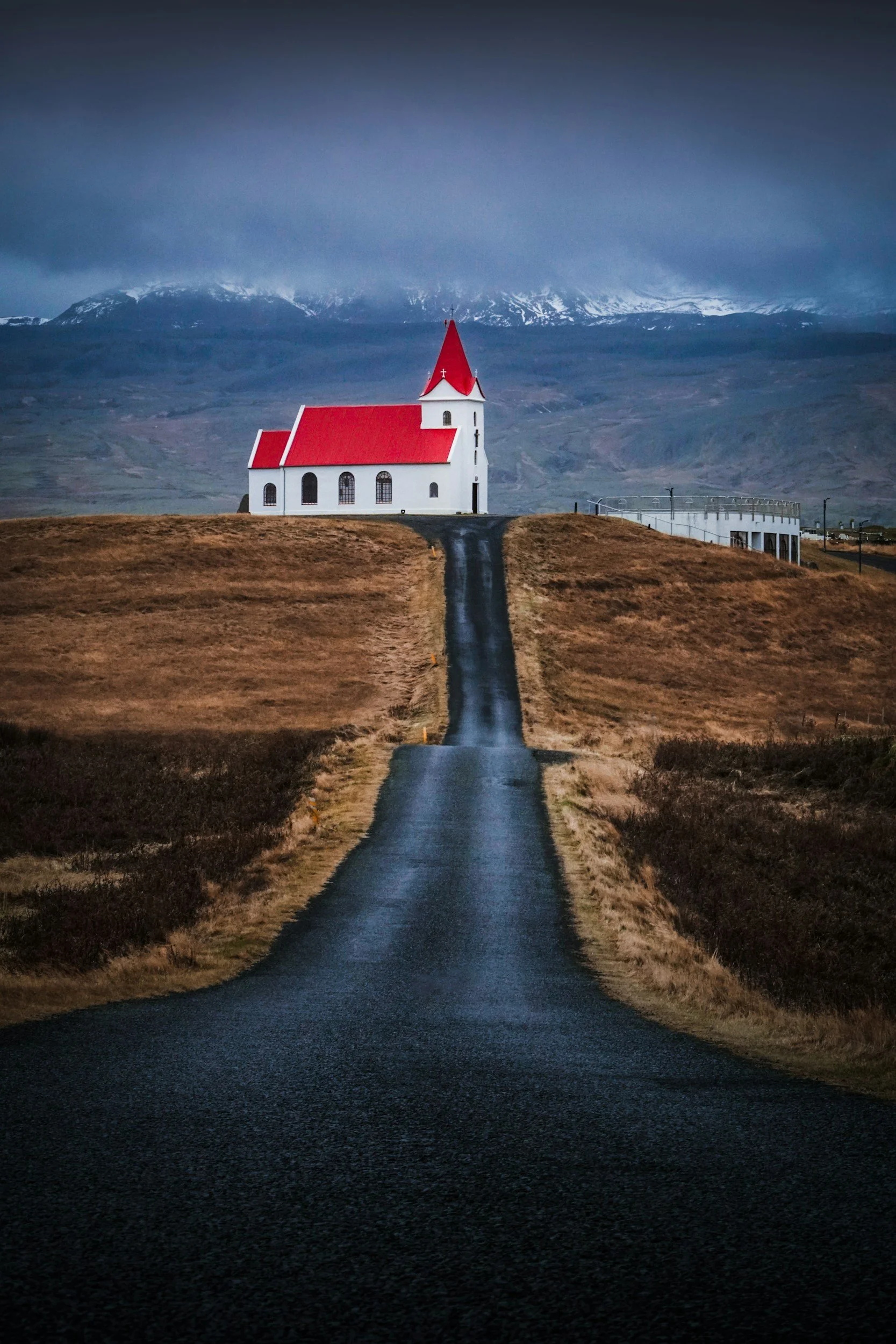
This is the single most important piece of advice on this page. For most first trips, you should rent a car. Iceland's beauty lives out in the regions, often far apart and far from the capital, and a car gives you the freedom to move at your own pace, stop for the views no tour would stop for, and structure your days around the landscape instead of a bus schedule. We spent most of our trip on guided bus tours and only rented a car for our final two days, and the difference was night and day. The tour days were rigid, long, and frustrating, with disorganized pickups and no control over timing. The day we drove ourselves, Iceland finally felt like ours. If I could redo the trip, I would rent a car for all of it.
A standard car is fine for the main roads in summer and the popular regions year-round. You only need a 4x4 if you are driving the highland F-roads, which are open in summer only.
The Ring Road and Getting Between Regions
Iceland's main artery is Route 1, the Ring Road, a paved, well-maintained road that loops the entire country, just over 800 miles. Driving the full Ring Road is the classic Iceland road trip, but it takes a solid week to ten days to do well. If you have less time, the smart move, and the one most first-timers make, is to drive a section of it rather than rushing the whole loop, most commonly the South Coast. There is no real public transport network connecting the regions for tourists, which is another reason a car matters so much here. Outside of guided tours, driving yourself is genuinely the only flexible way to get from one part of the country to another.
Tours vs Self-Driving
If you do not want to drive, guided tours out of Reykjavik will get you to the headline regions, and in deep winter, when the roads are icy and the daylight is short, letting an experienced local drive is a genuinely reasonable and safer choice. That is the honest case for tours, and it is the one we made for ourselves, pregnant and unused to snow, in early March. But understand the tradeoff. Tours mean long days, rigid timing, and seeing things on someone else's clock. For most people, in most seasons, self-driving is the better experience by a wide margin.
A Note on Winter Driving
Winter driving in Iceland is genuinely different if you are not used to snow and ice. Roads can be slick, weather can change fast, and conditions in the dark are harder still. If you visit in the colder months and are not a confident winter driver, check road conditions obsessively at the official road site before every drive, and lean on tours for the iciest stretches. In summer, none of this applies and self-driving is straightforward.
Culture & Etiquette Basics
(How Not to Be That Tourist)
1. The Pool and Hot Spring Shower Ritual
This is the etiquette rule visitors break most, and Icelanders care about it deeply. Before entering any public pool, hot spring, or geothermal spa, you are required to shower thoroughly, naked, with soap, in the communal changing-room showers, before putting on your swimsuit. Icelandic pools use minimal chlorine because everyone is genuinely clean going in, so skipping or half-doing this is a real breach. There are attendants who will tell you. It feels awkward to many first-timers, but it is completely normal here, no one is paying attention to you, and respecting it is non-negotiable.
2. Everyone Goes by First Names
Iceland has one of the most distinctive naming systems in the world. Instead of inherited family surnames, Icelanders use a patronymic system, where your last name is your father's (or sometimes mother's) first name plus -son or -dóttir, meaning "son of" or "daughter of." So Jón's son Ólafur is Ólafur Jónsson, and his sister is Katrín Jónsdóttir, which means siblings have different last names and there is no shared family surname at all. Because of this, everyone is addressed by their first name, including the president and prime minister, and the phone book is alphabetized by first name. Do not go looking for someone's "Mr." or "Ms." anything. First names are simply how it works.
3. Lýsi and the Long Dark
At nearly every hotel breakfast, we noticed a bottle of fish oil set out with little cups, and there is a lovely reason for it. Iceland sits so far north that for much of the year there is not enough sunlight to produce vitamin D, so Icelanders have taken a daily spoonful of lýsi, cod liver oil, for generations to make up for it. It is so embedded in daily life that it is given out in schools. The word lýsi itself means "light," because the oil was once burned in lamps to light Icelandic homes through the dark winters. It is a small thing that tells you a lot about how this country lives in relationship with the dark, the same dark that gives you the Northern Lights.
4. Respect the Land
The most important etiquette in Iceland is toward the landscape itself. Stay on marked paths and roads, never drive off-road, which is illegal and does lasting damage to fragile terrain, and do not trample the moss, which can take decades to grow back over the lava. Keep behind barriers at geothermal sites, cliffs, and waterfalls, and respect every safety sign and rope. This is partly about conservation and partly about survival, since Iceland's nature is genuinely dangerous and rescues are frequent. Icelanders take the protection of their land seriously, and as a visitor you should too.
5. The Hidden Folk
You may hear, sometimes with a smile and sometimes seriously, about the huldufólk, Iceland's "hidden people" or elves, human-sized beings said to live in the rocks and lava. Most Icelanders do not literally believe in them, but a striking number are unwilling to flatly deny they exist, and the belief has real consequences. Construction and road projects have genuinely been rerouted to avoid disturbing rocks thought to be their homes. It is less superstition than a deep cultural respect for the land and the sense that the landscape has its own spirit and history. Take it in that spirit, with curiosity rather than mockery.
6. They Are Horses, Not Ponies
If you spend any time around Iceland's famous horses, stout, shaggy, and impossibly charming, know one cultural rule. Never call them ponies. Despite being pony-sized by the technical definition, Icelanders are firm that these are horses, on account of their strength and spirit, and the breed is a real point of national pride. It has been kept pure for over a thousand years, with horse imports banned since 982, and once an Icelandic horse leaves the country it can never return. Call them ponies and you will be corrected, however politely.
Where to Go in Iceland
My firsthand experience covers Reykjavik and the regions reachable from it, the Golden Circle, the South Coast, and Snæfellsnes and West Iceland. Those four have full guides linked below. After them, I have flagged the major parts of Iceland we did not reach, honestly, as places worth knowing about rather than ones I am going to pretend I have seen. Each will get its own full page as we go back and explore more of this country.
Reykjavik
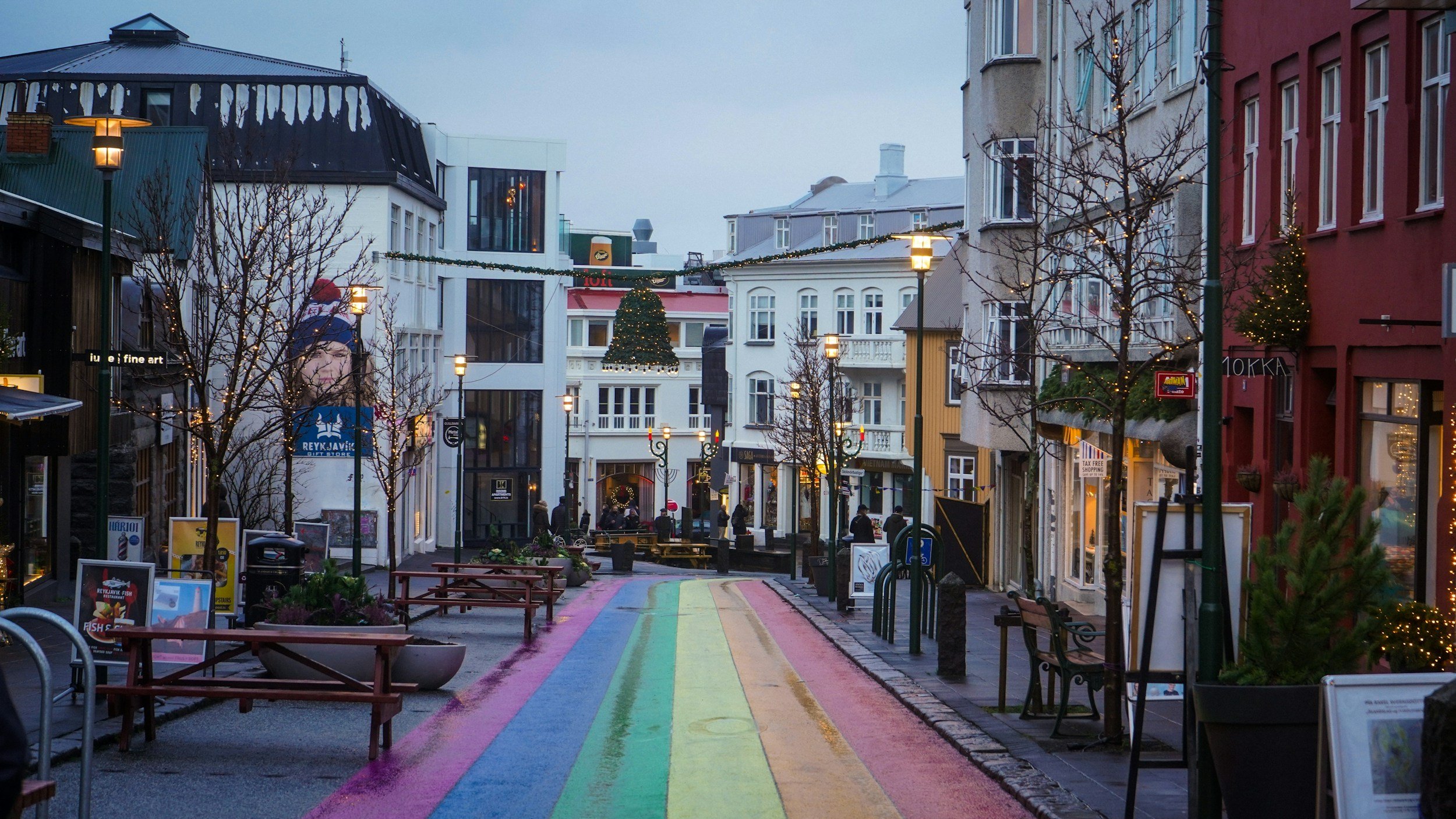
The small, walkable, surprisingly warm capital and the base for most first trips. Worth a couple of slow days of its own for the walking tour, the food, and the Viking history under the surface before you head out to the regions. Full guide on the Reykjavik page.
The Golden Circle
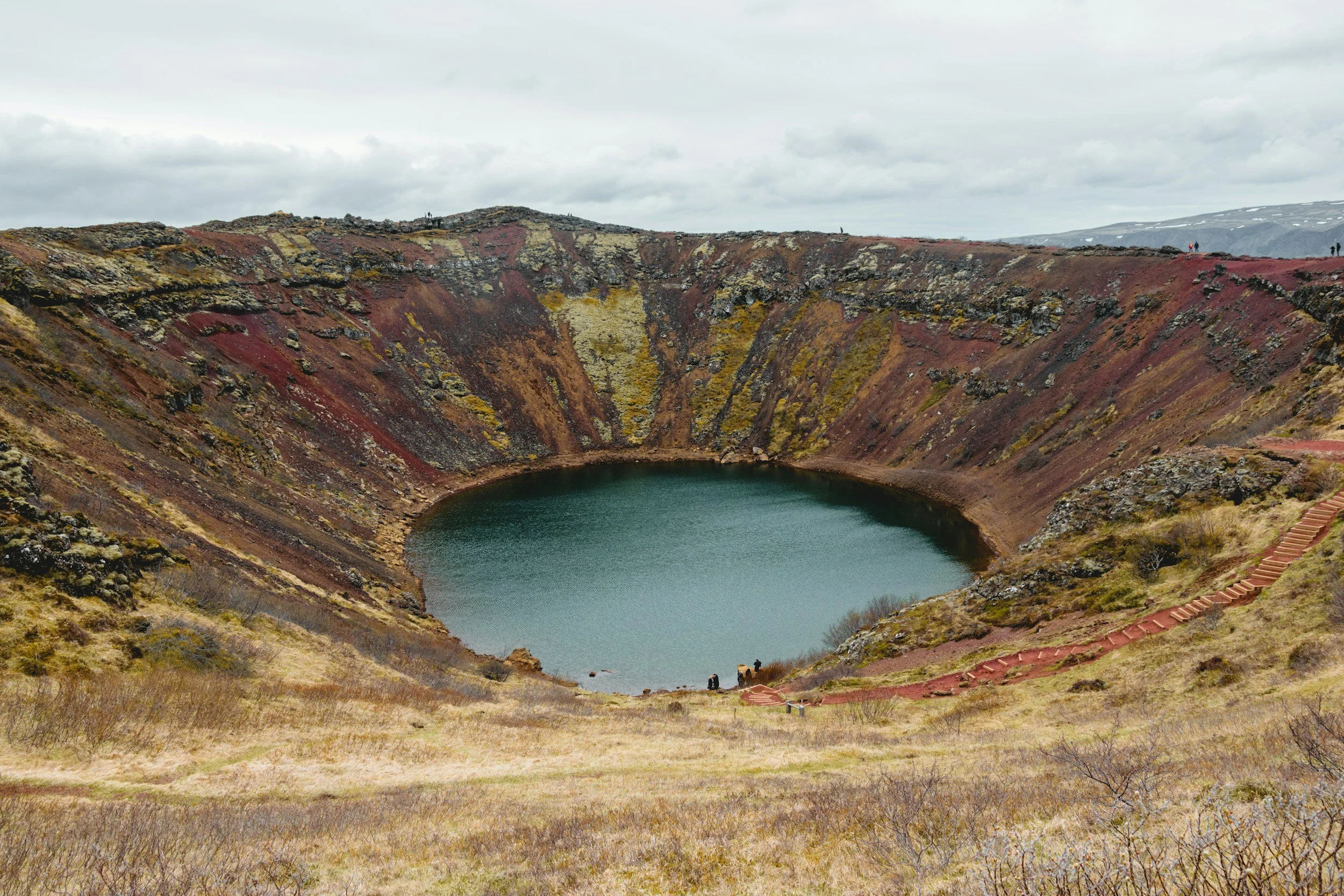
The reliable greatest-hits day trip and the easiest introduction to Iceland's geology, the erupting Strokkur geyser, the Gullfoss waterfall, and Thingvellir, where two continents pull apart. Close to Reykjavik and doable in a day. Full guide on the Golden Circle page.
The South Coast
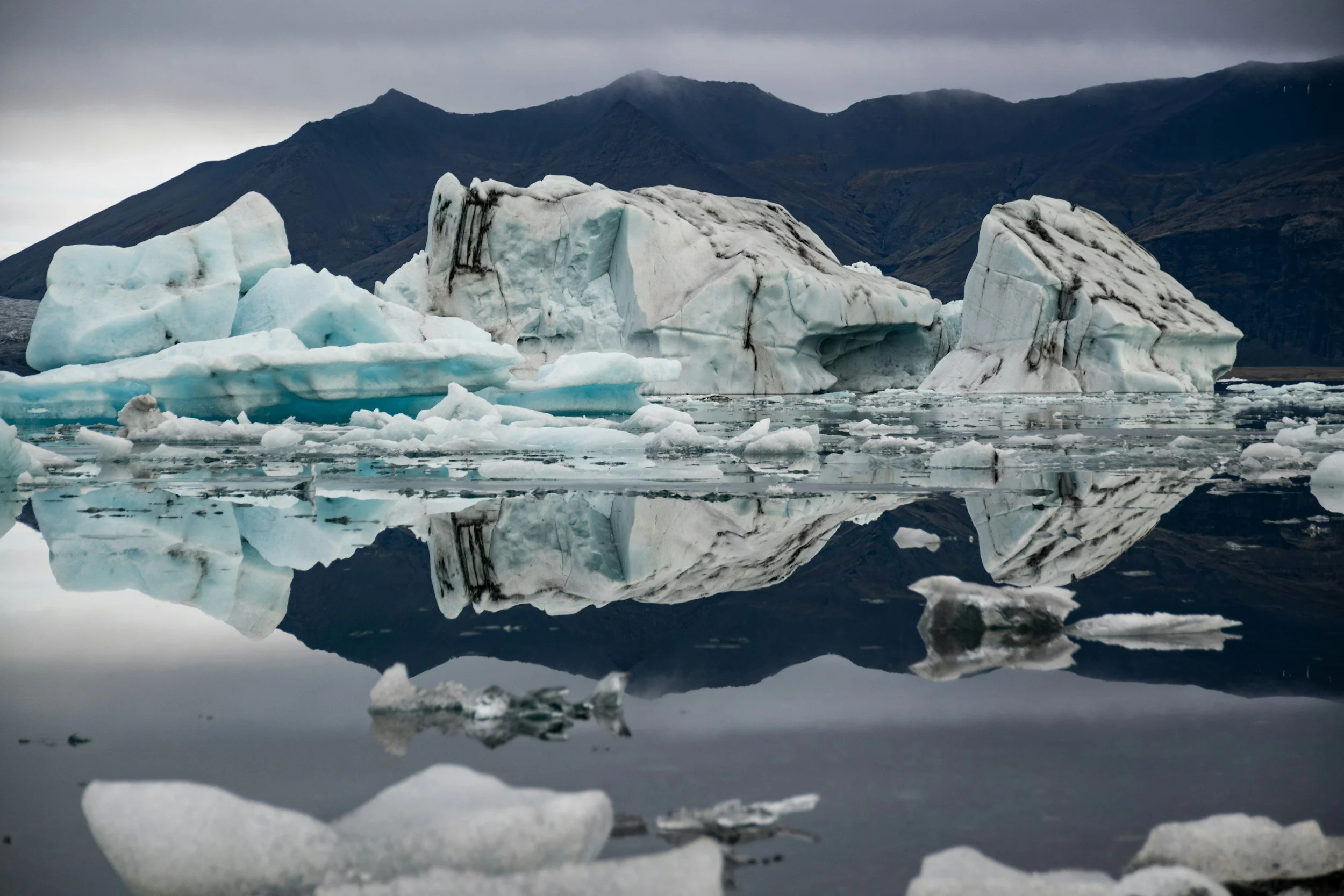
The most spectacular stretch we saw, and the strongest argument for staying out in a region instead of day-tripping it. Black sand beaches, towering waterfalls, a glacier lagoon full of icebergs, and the otherworldly Diamond Beach. Full guide on the South Coast page.
Snæfellsnes and West Iceland
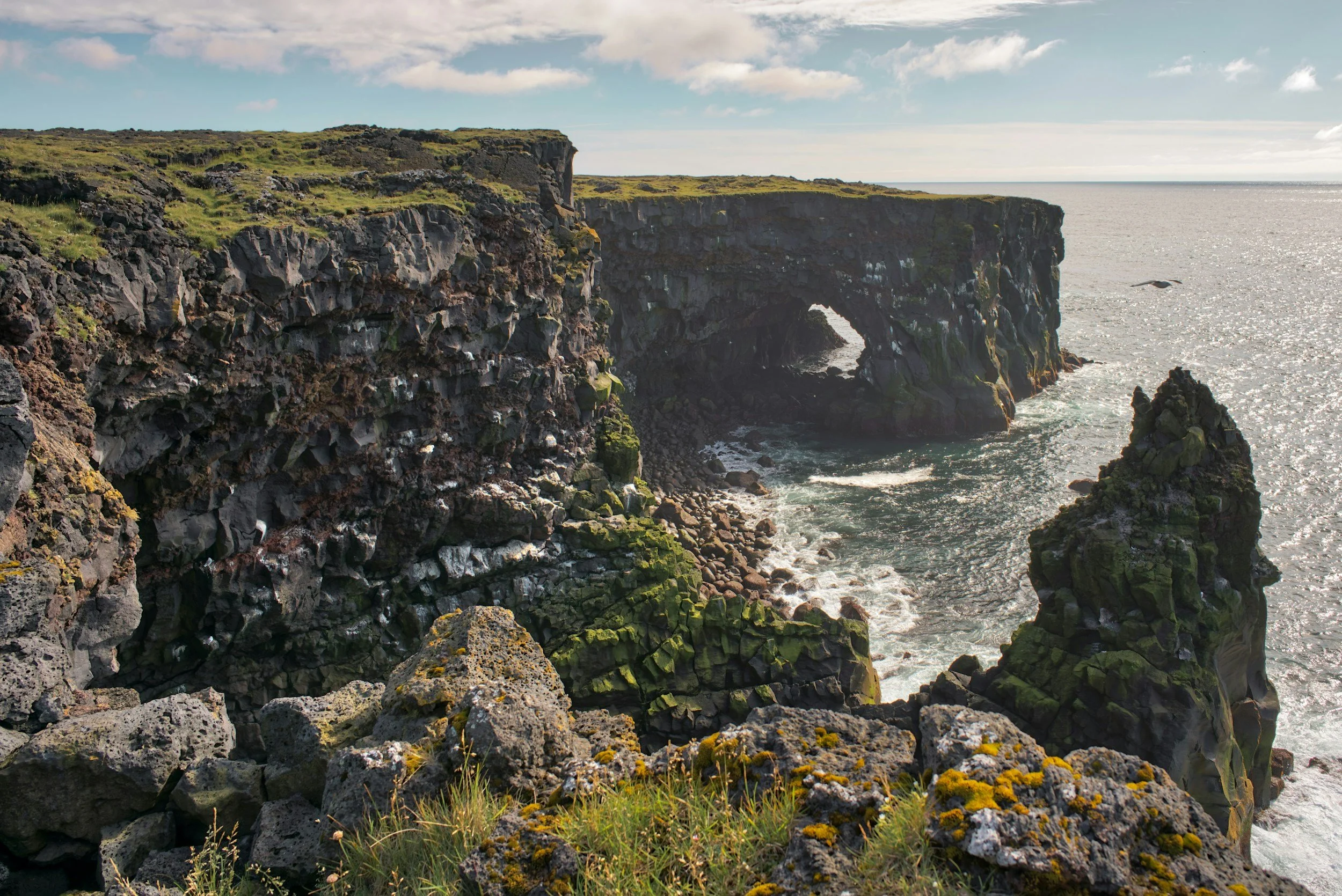
The quieter, less-visited region, often called "Iceland in miniature," with a remarkable lava cave, the famous Kirkjufell mountain, black pebble beaches, and the peninsula where we finally rented a car and fell for the place. Full guide on the Snæfellsnes and West Iceland page.
The Blue Lagoon and Iceland's Hot Springs
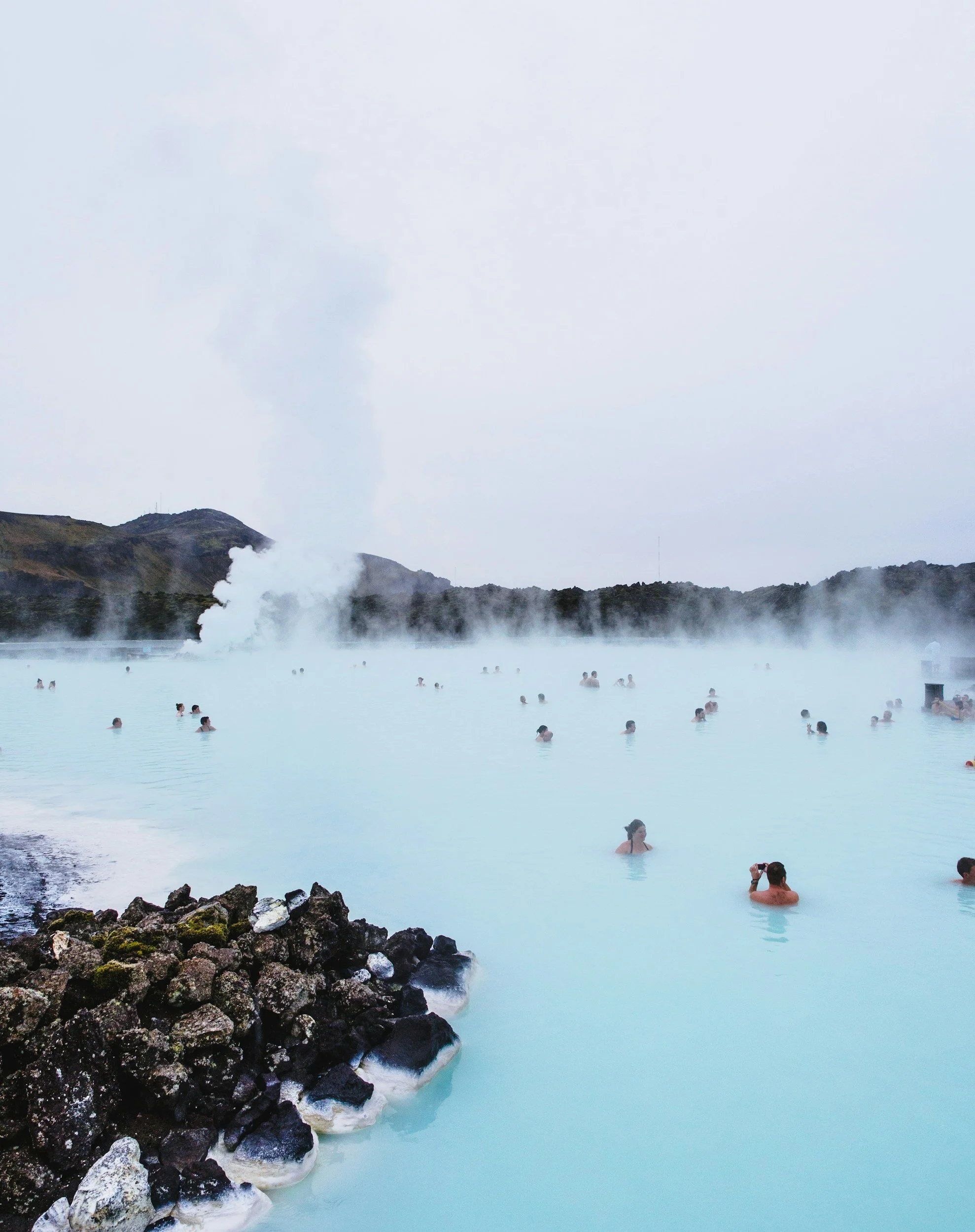
One of the most famous things in Iceland that I did not do, because I was pregnant and could not use the thermal baths. The Blue Lagoon, near the airport, is the iconic one, with the newer Sky Lagoon near Reykjavik a popular alternative, and natural and built hot springs are scattered across the whole country. For most visitors, soaking in geothermal water is central to the Iceland experience, so plan it in, ideally booking the major lagoons ahead. I cannot wait to actually do this next time.
North Iceland
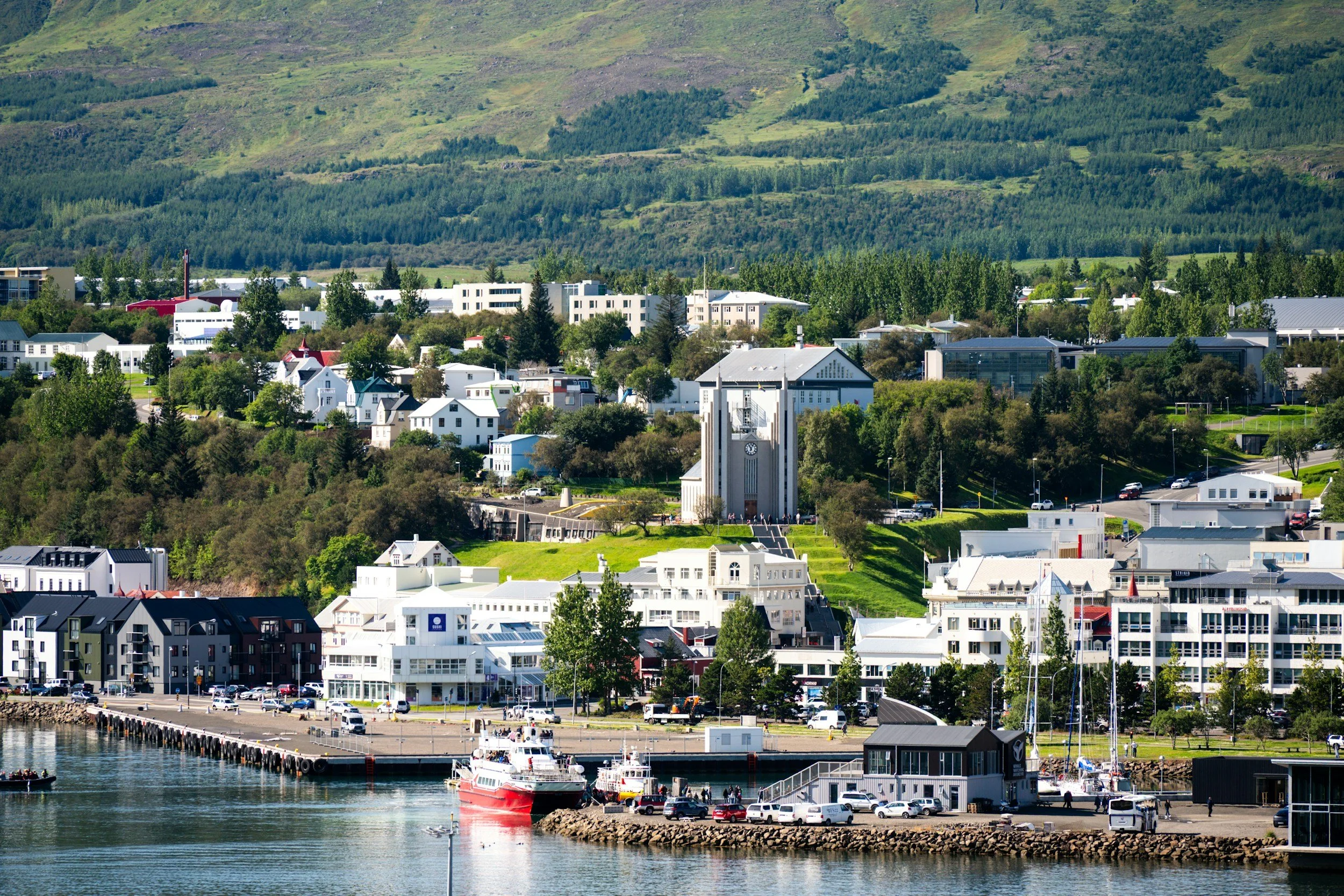
The big region beyond the reach of a Reykjavik-based trip, centered on the northern town of Akureyri. It holds the Lake Mývatn geothermal area, the powerful Goðafoss waterfall, and Húsavík, one of the best whale-watching spots in Europe. A natural addition for anyone driving the full Ring Road or wanting to go deeper than the south and west.
The Westfjords
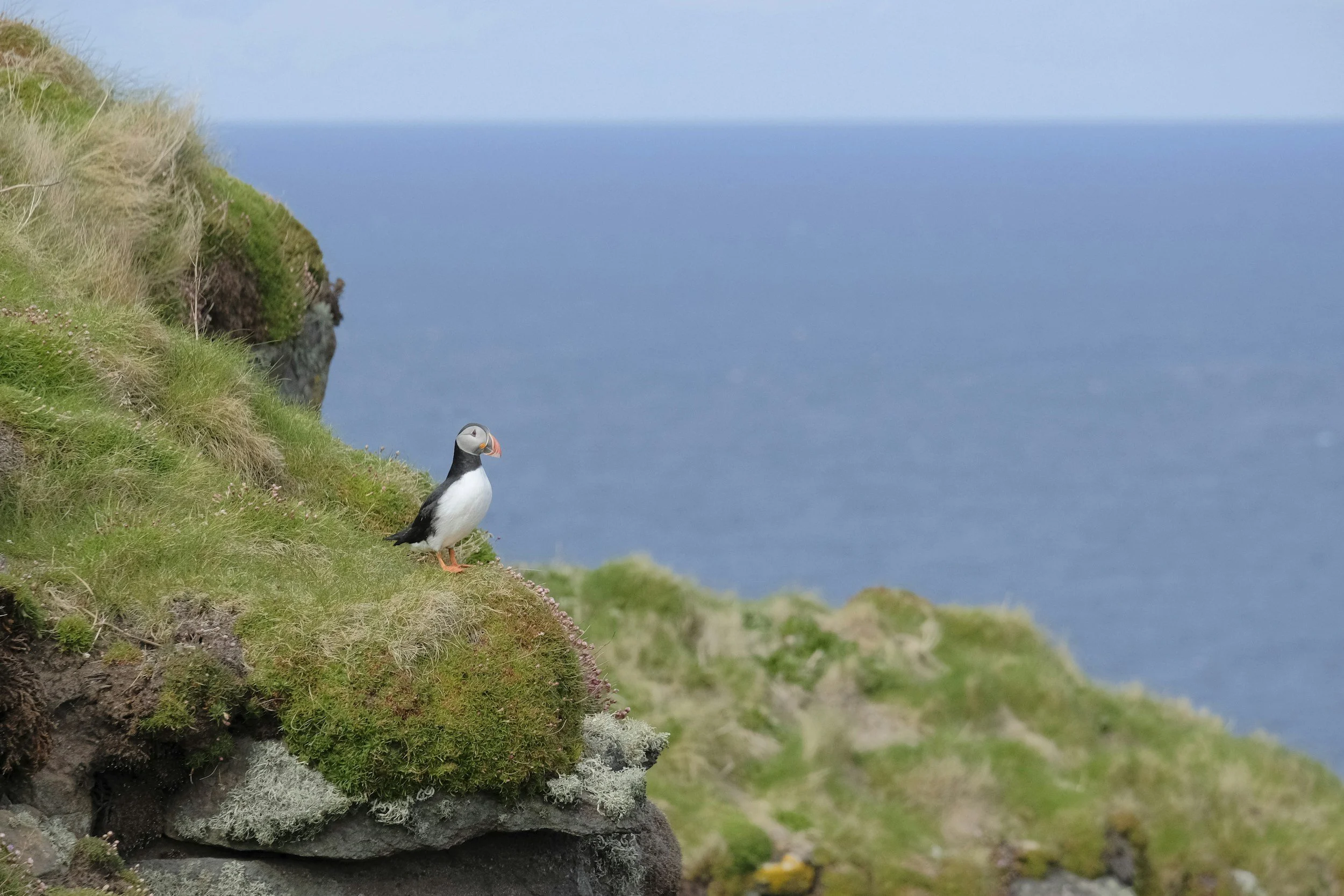
The remote, dramatic northwest, a maze of fjords, cliffs, and tiny villages that sees a fraction of Iceland's visitors. Famously beautiful and famously hard to reach, with the thundering Dynjandi waterfall and the towering Látrabjarg bird cliffs. This is the region for travelers who want the wildest, emptiest version of Iceland and have the time to earn it.
The Highlands
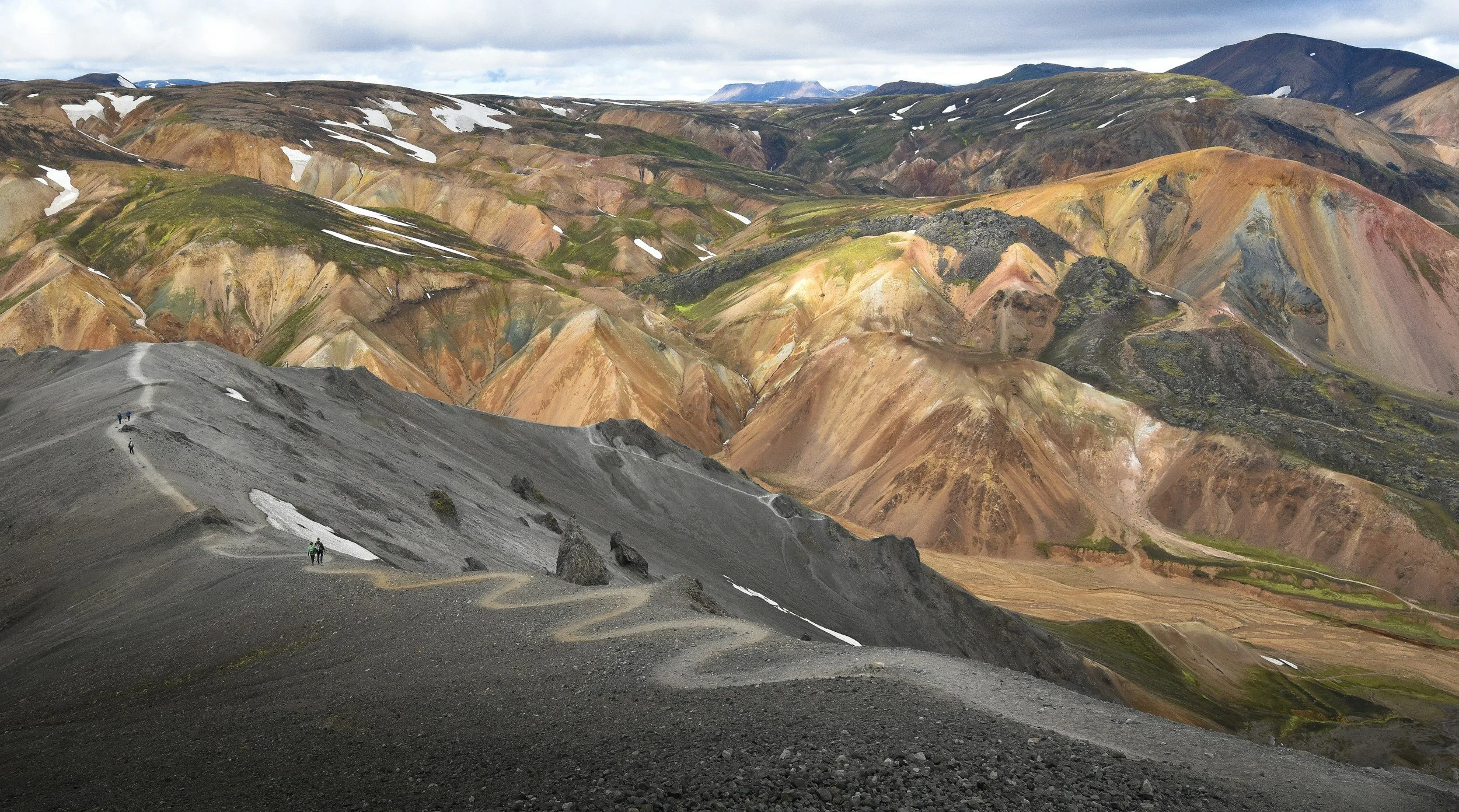
Iceland's vast, uninhabited interior, accessible only in summer and only by 4x4 on the rough F-roads. This is where the most surreal landscapes live, the rhyolite mountains of Landmannalaugar, the valley of Þórsmörk, the kind of terrain that looks like another planet entirely. Strictly a summer destination, and a serious one, but a bucket-list region for hikers and the adventurous.
The Northern Lights
For many people, the Northern Lights are the entire reason they come to Iceland. They were for us. We chose Iceland over a warm-weather trip specifically to see the aurora, and we did. So here is the honest, practical guide to actually seeing them, including the things I wish someone had told me before I went.
When and Where You Can See Them
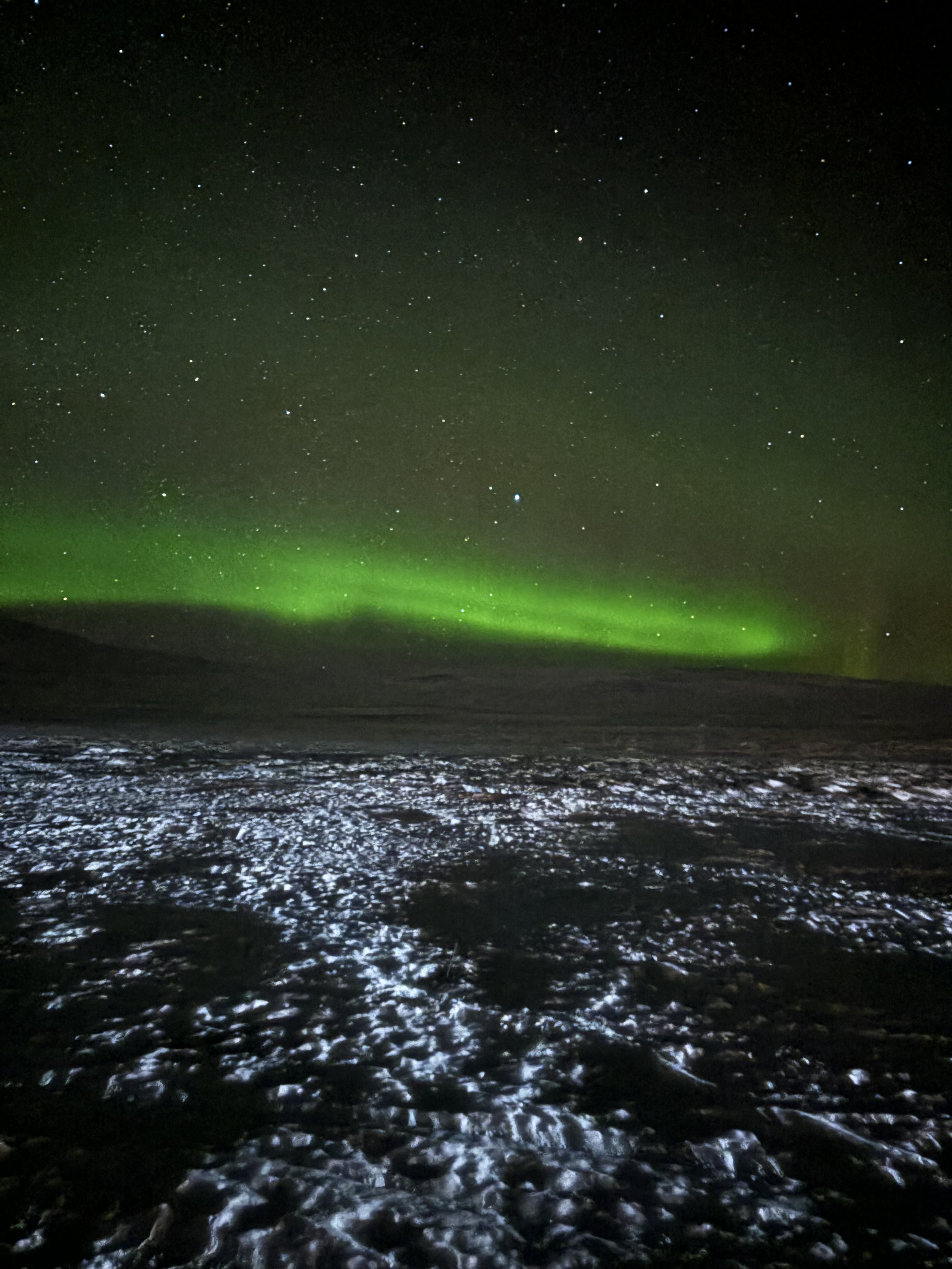
The aurora is only visible in the dark months, roughly September through March and sometimes into April. In summer, Iceland's near-endless daylight makes them impossible to see no matter how active they are. This is the fundamental reason people come in winter despite the cold and short days.
Here is something important that surprised me. You can see the Northern Lights from almost anywhere in Iceland on a clear, dark night with enough aurora activity, not just on a special tour or in one magic location. We saw them on a guided bus tour, but the tour is not what conjures them. All a good tour really does is drive you away from Reykjavik's light pollution and put a guide in charge of chasing clear skies and the best forecast. If you are staying out in the regions, away from city lights, you have a real chance of seeing them right from where you are staying. Basing yourself outside Reykjavik, which I recommend anyway, also improves your odds.
Set Your Expectations: They Look Different in Person
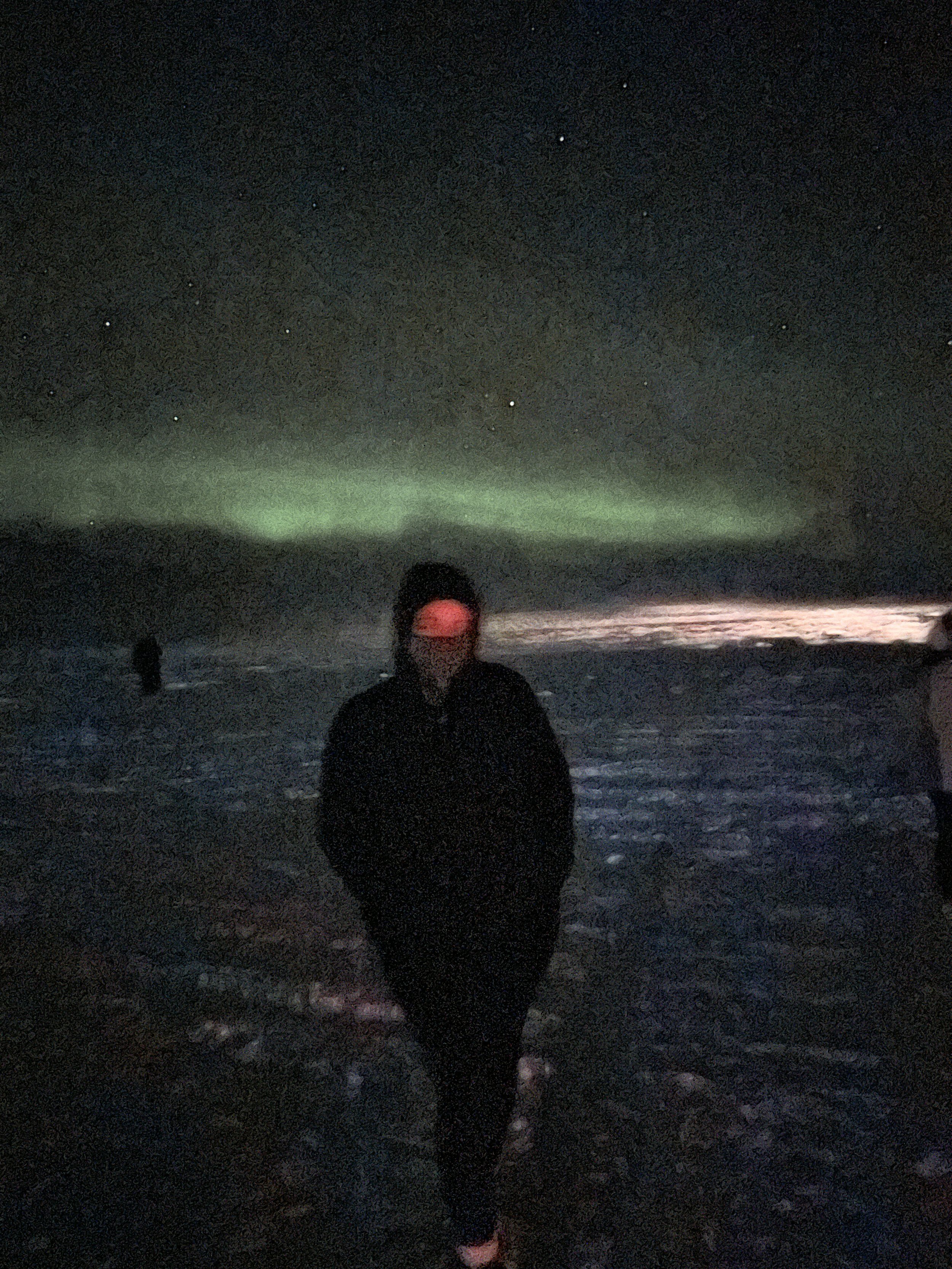
This is the single most important thing to know, because it is where most people are quietly let down. The Northern Lights do not look to your eyes the way they look in photographs. In photos they are vivid, bright green and pink and purple. To the naked eye, especially when activity is moderate, they often look much fainter, paler, more of a grayish or whitish haze moving across the sky. The first time I saw them out the window of the tour bus, I genuinely thought I was looking at light pollution from a distant town.
There is real science behind this, and it helped me appreciate them more once I understood it. Your eyes have two kinds of light receptors. Cones, which see color but need a fair amount of light to work, and rods, which are far more sensitive in the dark but only see in black, white, and gray. At night, your vision runs mostly on the rods, so a faint aurora reads as a pale, colorless glow. A camera has no such limit. With a long exposure, it gathers far more light than your eye can and renders all the color you physically cannot see in that moment. When the aurora is strong enough, your cones do kick in and you start to see real color, which is exactly what happened to us at our second, darker stop, where the lights were brighter and felt genuinely alive. But go in knowing that a faint aurora is still the aurora, and it is still extraordinary, even when it is gray.
How to Photograph Them
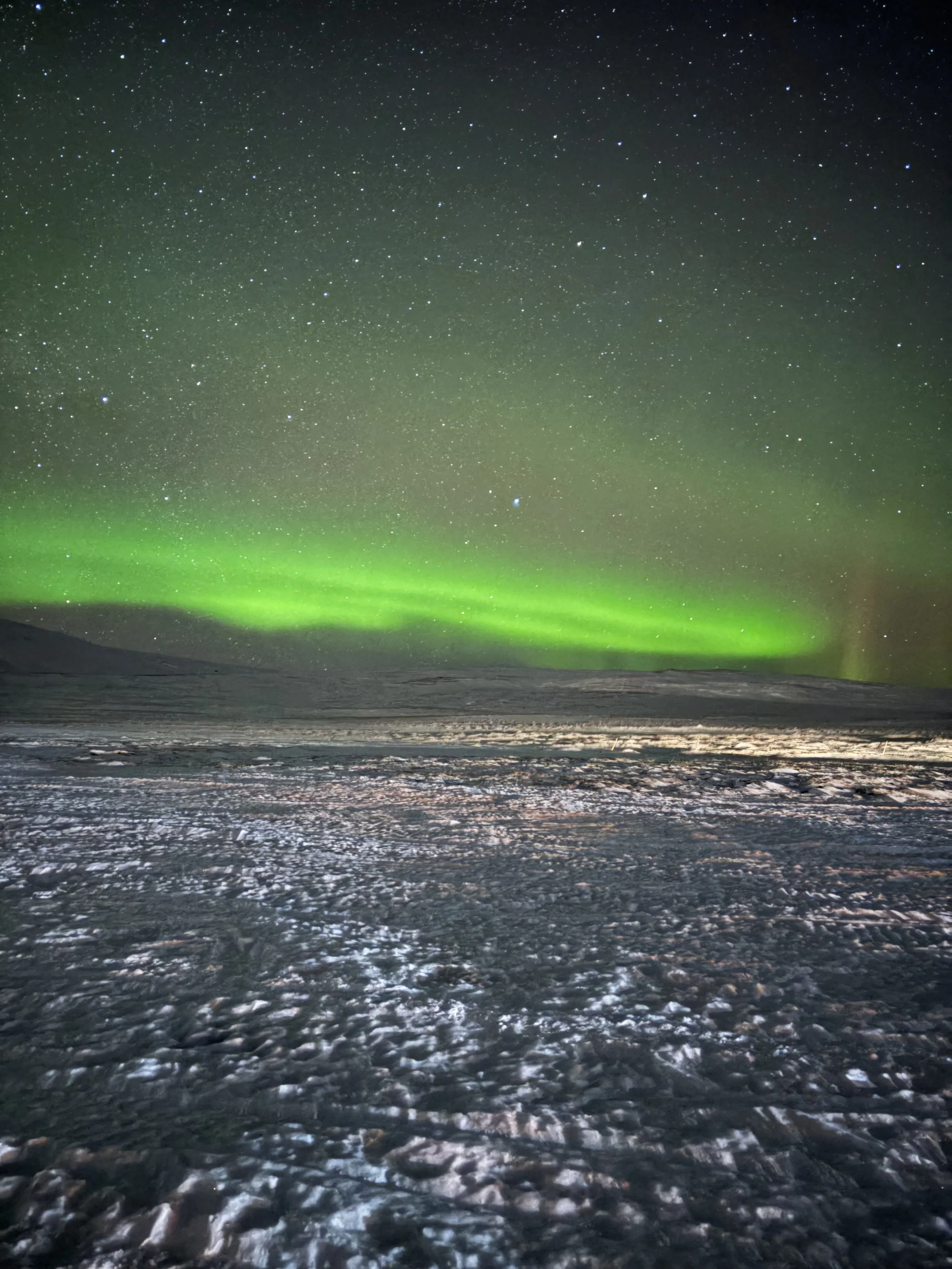
Because the camera sees what your eyes cannot, photographing the aurora is part of the experience, and you will want to get it right. You cannot just point your phone and tap. You need a long exposure. Newer phones have a night mode or a long-exposure setting that works surprisingly well if you hold very still or use a small tripod. On a dedicated camera, use a tripod, a wide-open aperture, a high ISO, and a multi-second exposure. Either way, the trick is letting the sensor drink in light over several seconds, which is how the color appears in the photo even when the sky looks pale to you.
The Practical Realities
A few hard truths from doing it ourselves. First, give yourself multiple nights. The aurora depends on clear skies and solar activity, and any given night can be clouded out or quiet, so the standard advice, which is correct, is to plan at least two or three potential aurora nights to improve your odds. Do not pin everything on a single evening.
Second, it is brutally cold. You are standing still outside, often well after midnight, frequently out in an open field away from any shelter, sometimes for a while. This is a different kind of cold than walking around a city. Layer more than you think you need, bring every hand and toe warmer you own, and know that the standing-still part is what gets you.
Third, do not build your whole trip around them. Treat the Northern Lights as the bonus they are. Fill your days with everything else Iceland offers so the trip is a triumph no matter what the sky does, and check the aurora forecast each clear night. That way, if the lights show up, it is magic, and if they do not, you have still had an extraordinary trip.
My Biggest Surprises the First Time in Iceland
Expectations vs Reality
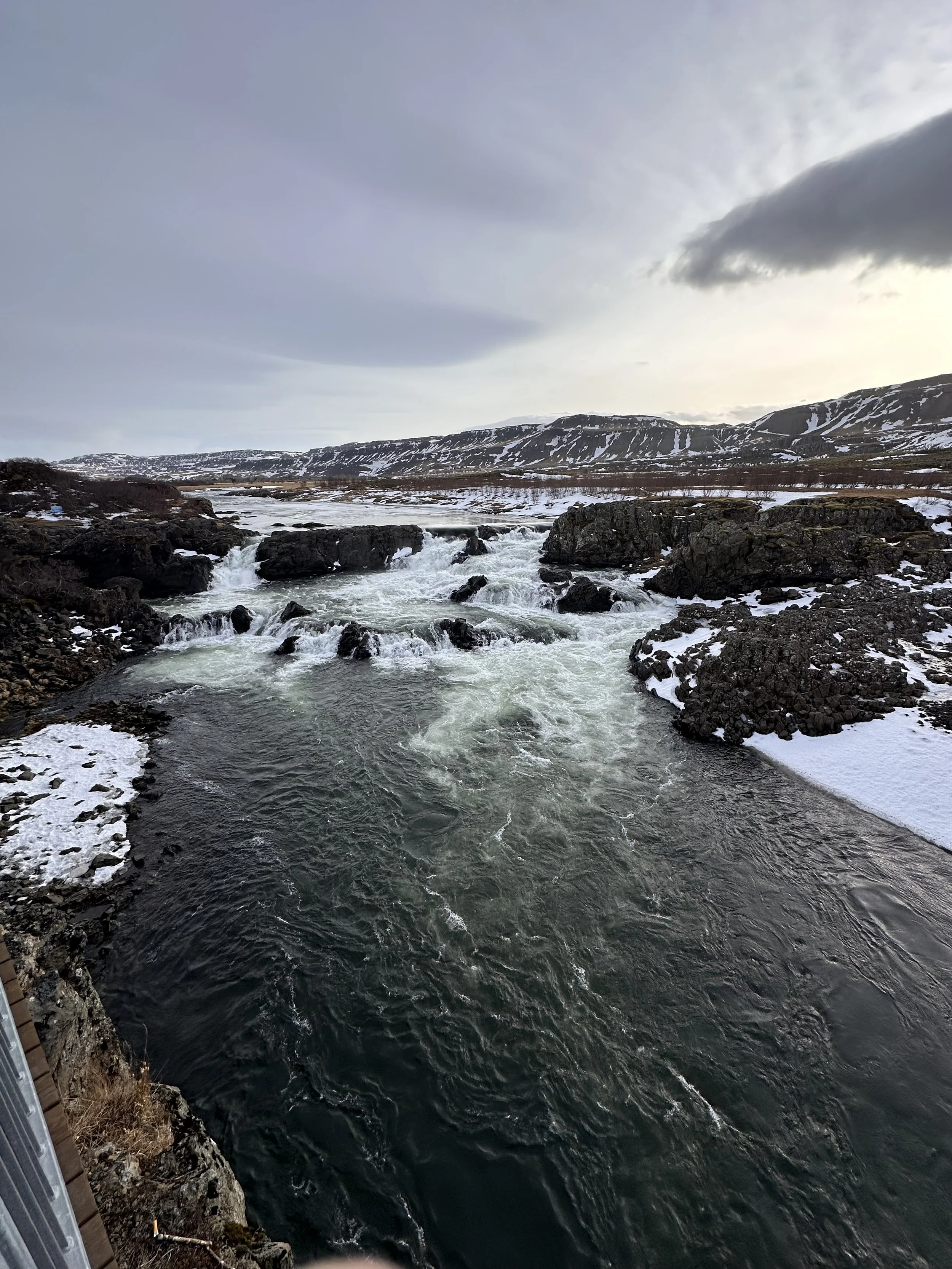
I expected Iceland to be the trip of a lifetime. The bucket-list kind, all glaciers and waterfalls and northern lights in the sky, the kind of place that ruins you for ordinary travel afterward.
The reality was more complicated than that, and I think you deserve to hear it honestly. Iceland gave me some of the most extraordinary moments I have ever experienced. It was also, in some ways, my least favorite trip I have taken. Both of those are true, and the reason is not the country. It is how we did it.
We based ourselves in Reykjavik the entire time and ran long day tours out to each region, which meant fourteen-hour days, endless hours on a bus, and a constant feeling of being rushed and worn down. We came in early March for the Northern Lights, and we saw them, but the cold limited us and the short days hurried us. By the end, I was tired in a way that had nothing to do with how beautiful the place was. The landscapes were everything I hoped. The trip itself was harder than I expected anything that beautiful to be.
The Moments That Stayed With Me
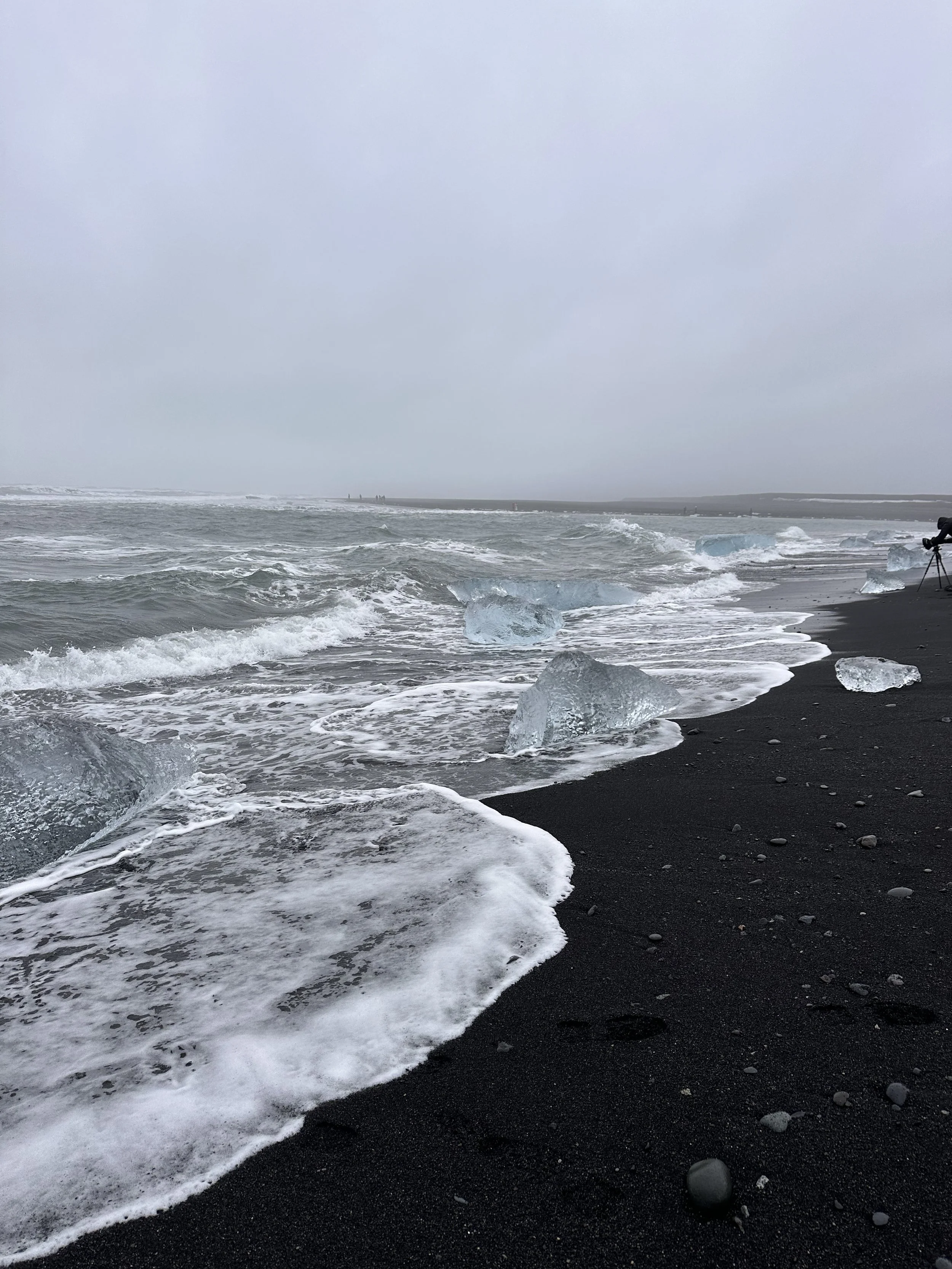
And still, when I think back on Iceland, what surfaces first is not the exhaustion. It is the handful of moments I could not have had anywhere else on earth.
Standing in total darkness deep inside a lava cave, feeling my own mind reach for something that was not there. A beach scattered with ice that will never look the same way twice, melting back into the sea within hours. The ground at Geysir throwing boiling water into the sky every few minutes like it was the most ordinary thing in the world. A freezing field near midnight, green light moving across the stars, the exact thing I had crossed an ocean to see.
None of those happened at a place on a checklist. They happened because Iceland is a genuinely otherworldly country, the kind of place where the planet is visibly, actively alive in a way it simply is not where I live. That is the part no amount of tour-bus fatigue could take away. The moments were singular. They could not have come from anywhere else.
If I Were Planning My First Trip Again...
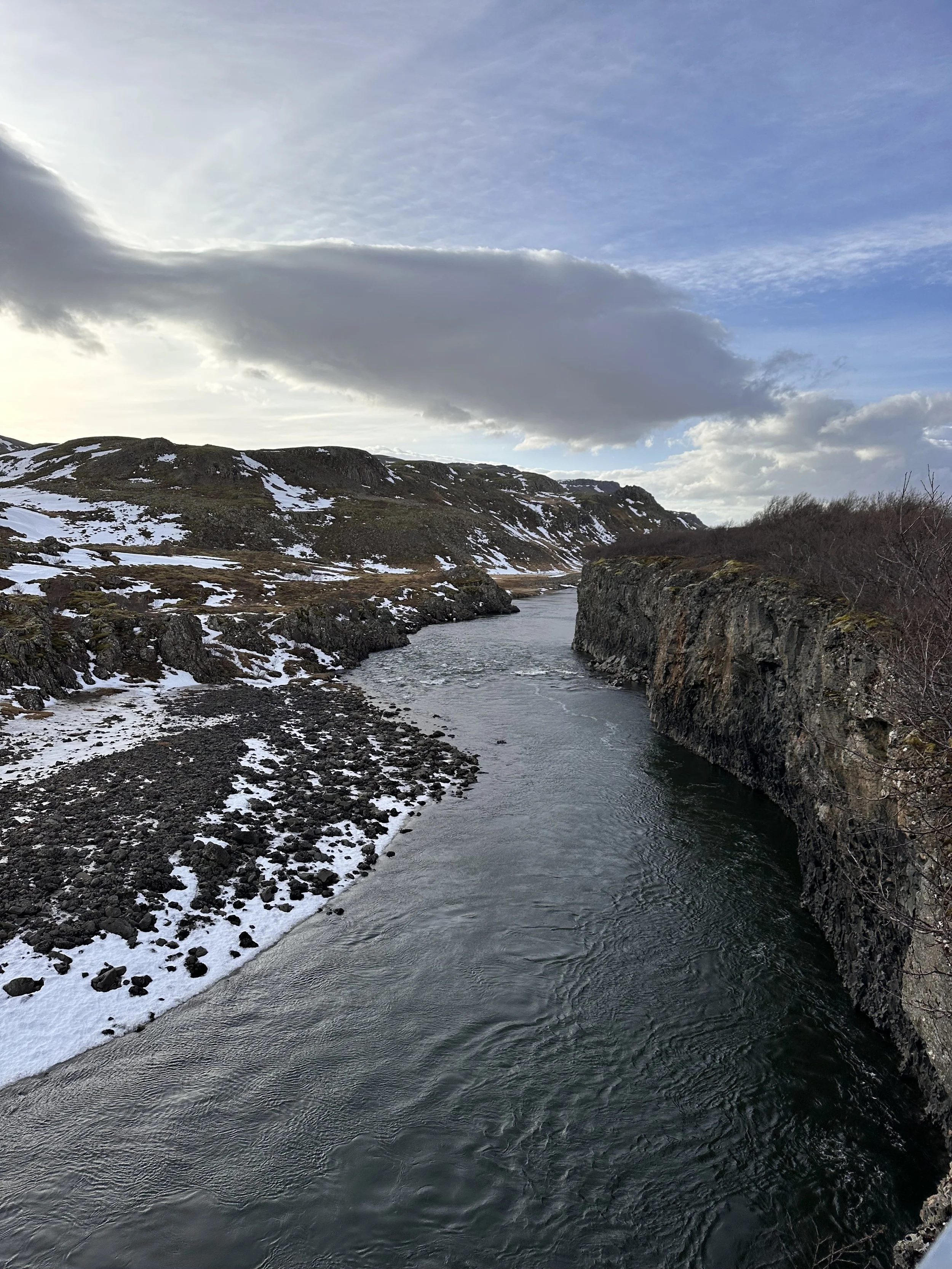
If I were doing it over, knowing what I know now, I would change almost everything about how we traveled, and nothing about the decision to go.
I would not run the whole trip out of Reykjavik. That single choice is what wore us down, and it is the thing I would most undo. Instead I would pick a couple of regions and stay in them, basing myself out on the South Coast or Snæfellsnes rather than driving back to the city every night. I would rent a car from the very first day, because the afternoon we finally did was the afternoon Iceland became the trip I had wanted all along. And I would seriously consider going in summer instead of winter, trading the Northern Lights for long days, open roads, green landscapes, and the freedom to actually hike and linger.
That is the real lesson of Iceland, and the thing most guides will not tell you plainly, how you do it matters more than where you go. The same harshness that makes the country hard is exactly what makes it extraordinary. The cold that wears you down is the cold that clears the sky for the aurora. The emptiness that means hours of driving is the emptiness that keeps it wild. You cannot separate the two, so the goal is not to avoid the difficulty. It is to set up your trip so the difficulty is worth it. Do that, and Iceland gives you things you will be turning over in your mind for years.