
Your First Time in Geneva, Switzerland
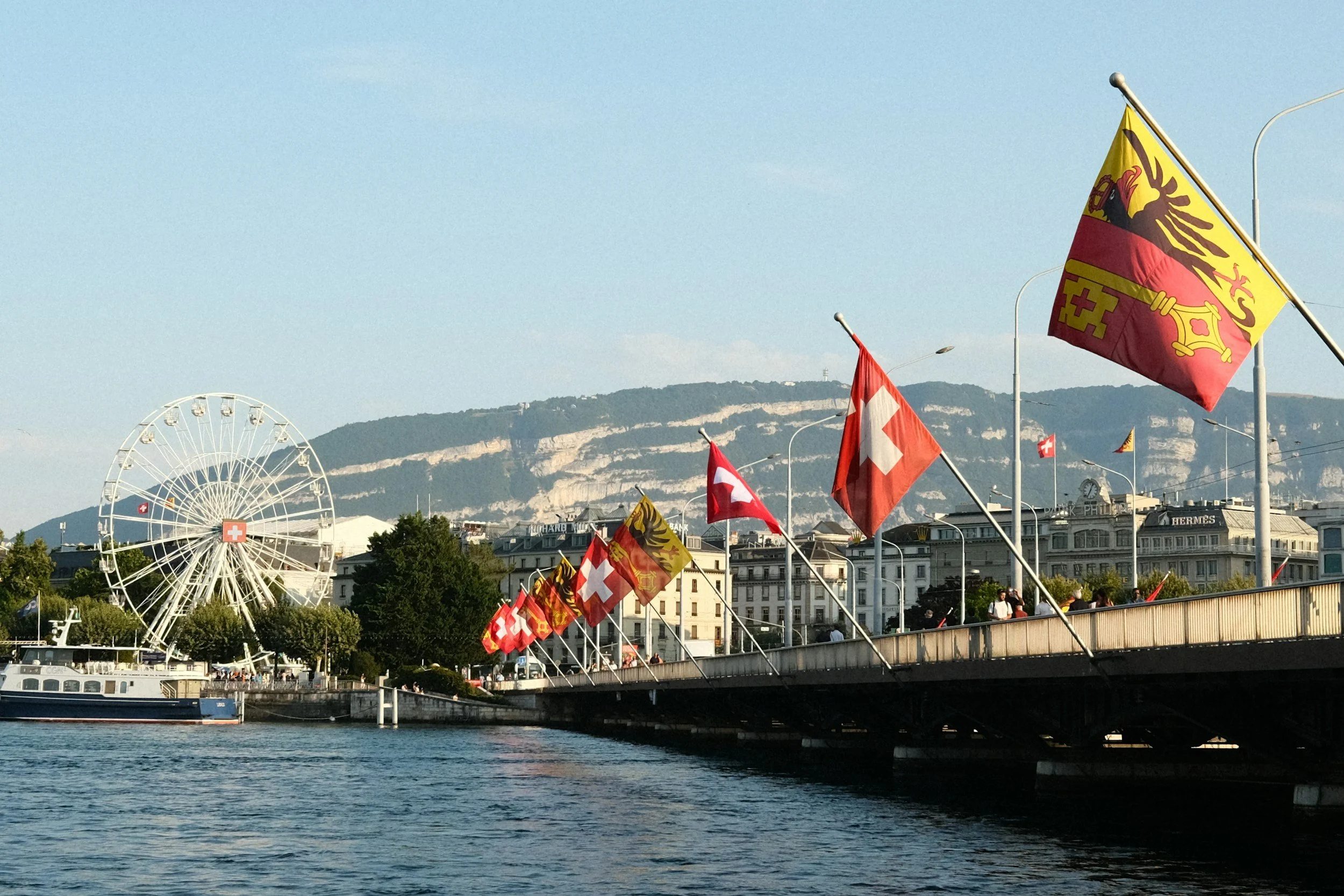
Geneva is the odd one out in Switzerland. Not in a bad way, just in a way that catches most first time visitors off guard, especially if they are arriving from somewhere like Interlaken or Lucerne.
It does not feel like Switzerland in the way the rest of the country does. No dramatic mountain backdrops visible from every corner, no cable cars or cogwheel trains, no lake that turquoise color that stops you mid-sentence. Geneva feels more like a major European capital that happens to be in Switzerland. International, French speaking, polished, and built around diplomacy and finance rather than alpine scenery.
That is not a criticism. It is just useful to know before you arrive so your expectations are calibrated correctly. Geneva rewards people who approach it as a city rather than a Swiss postcard. And it has enough of its own character, its own food, its own neighborhoods, its own lake moments, to justify two days if you let it be what it actually is rather than what you expected it to be.
If you are doing Switzerland in order from east to west, Geneva will likely be your last stop. Coming straight from Interlaken, it will feel like a gear change. Give it time to settle before you make up your mind about it.
A Brief Look At
Your Itinerary
The full itinerary is at the bottom of the page when you are ready.
-
The gentler introduction to Geneva. The Jet d'Eau, a walk along the lake, the Old Town, and enough wandering to understand what kind of city this actually is. End the day with fondue somewhere that feels local rather than tourist.
-
The deeper version of Geneva. Carouge, the Choco Pass, the Reformation Wall, and if you have time and energy, a half day in Annecy across the French border. More on that on the Annecy page.
Where to Spend Your Time in Geneva
The Jet d'Eau
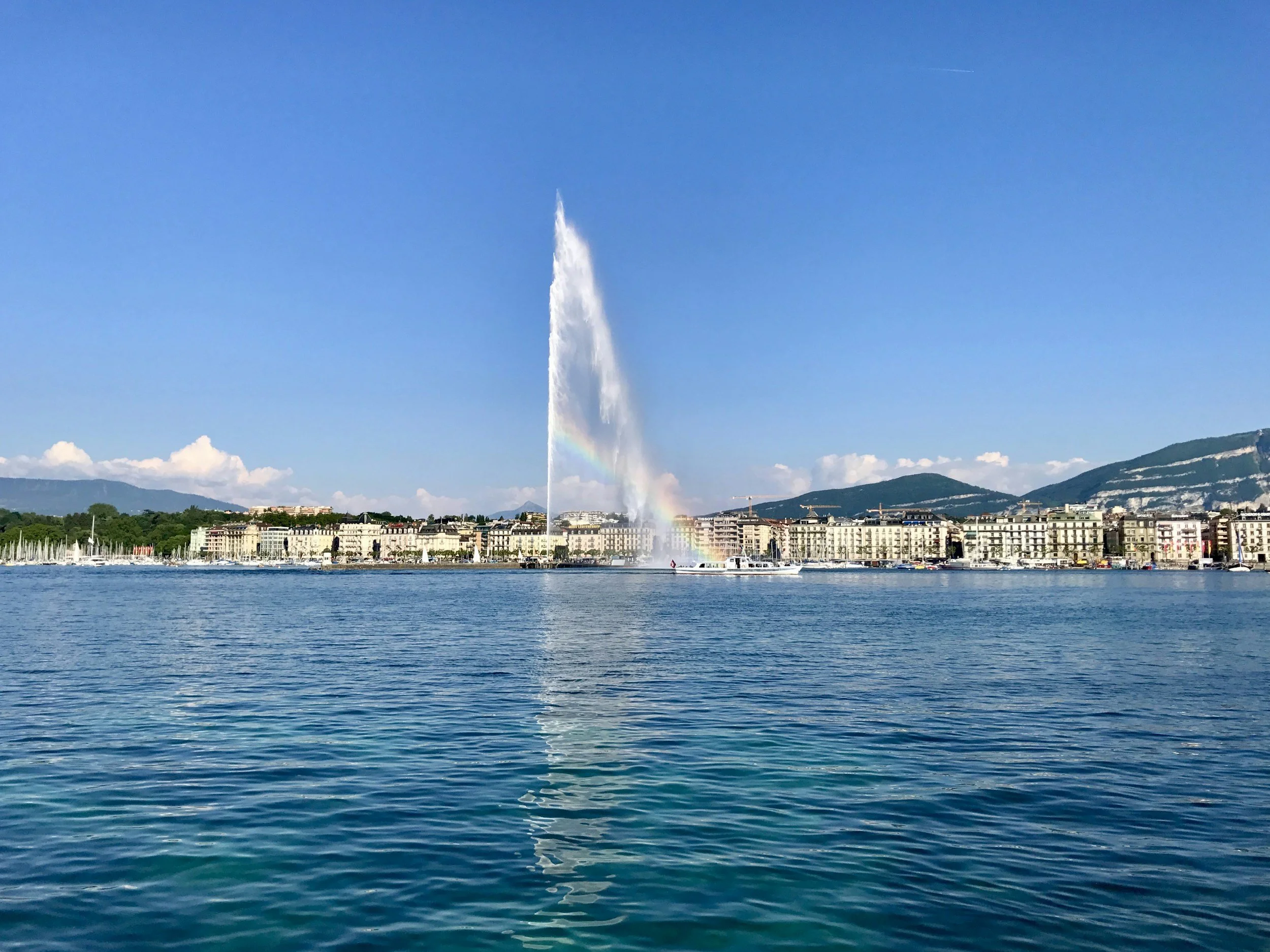
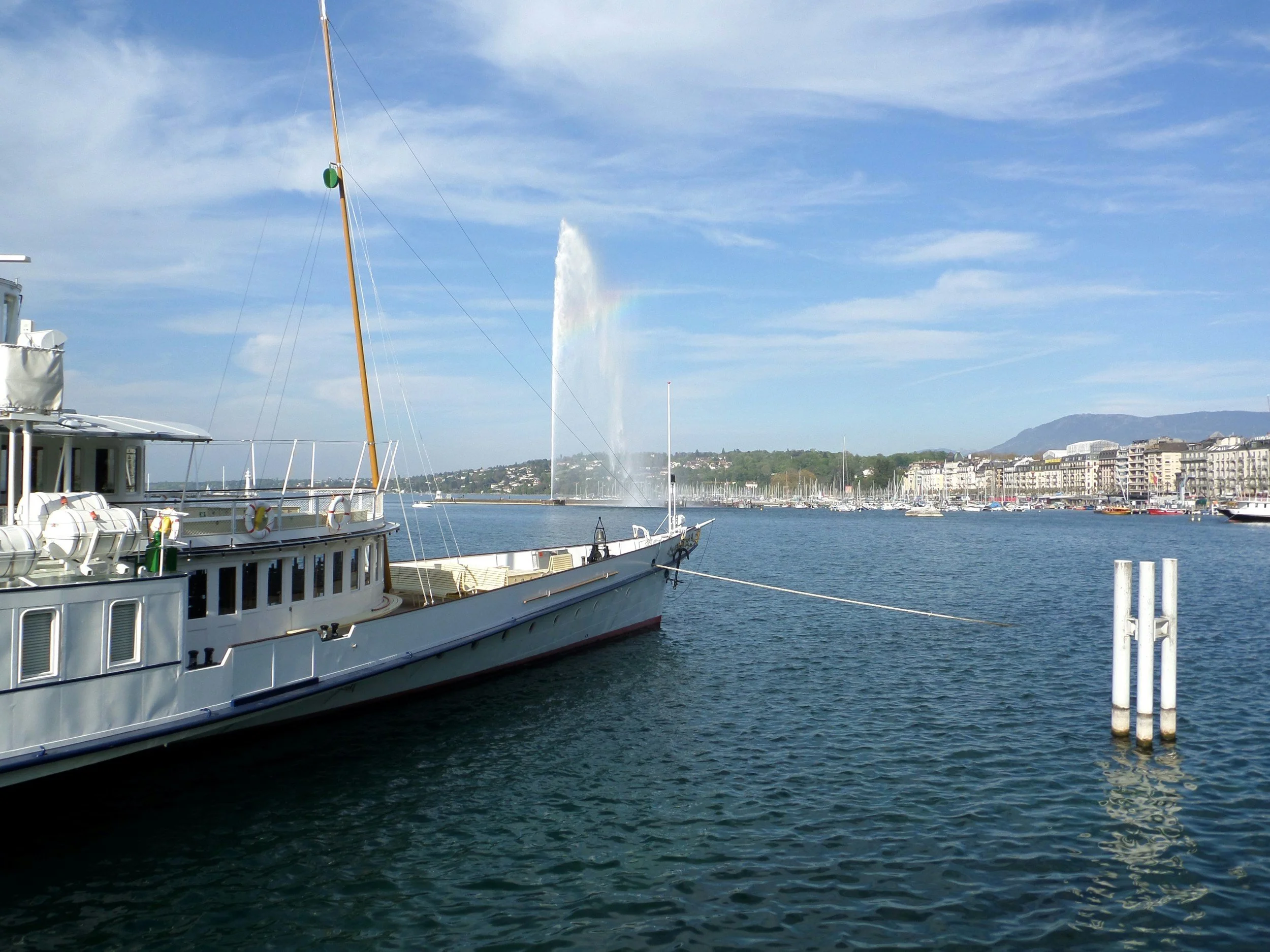
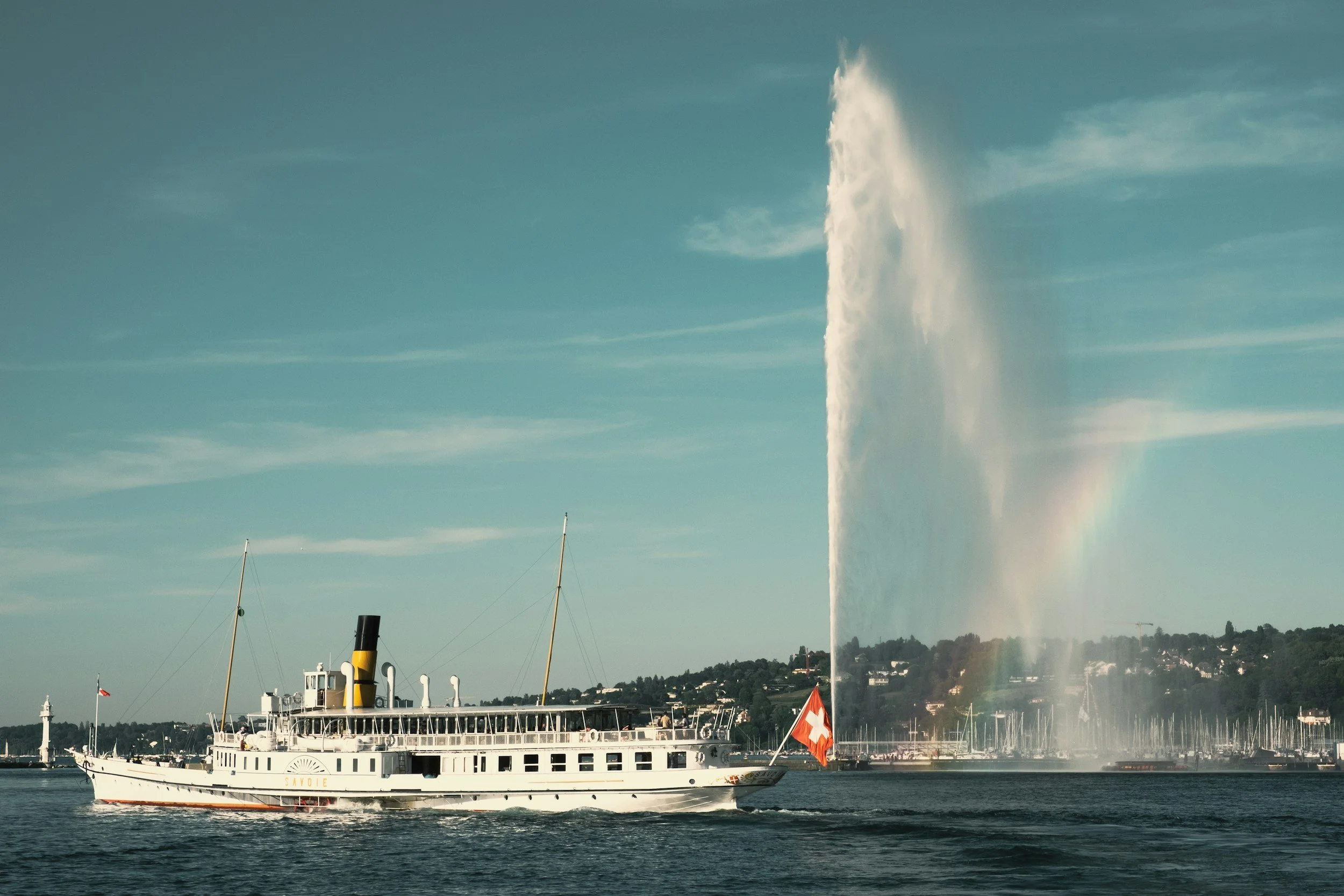
The most recognizable landmark in Geneva and the first thing you will see from the lake. A single water fountain shooting 140 meters into the air from the middle of Lake Geneva, visible from almost everywhere in the city and lit up at night in a way that makes it look slightly unreal.
It is not something you spend a long time at. Walk along the pier to get close to it, get wet if the wind is blowing the wrong way, and move on. But seeing it in person is one of those moments where something you have seen in photographs suddenly has scale and you understand why it is the symbol of the city.
The Old Town
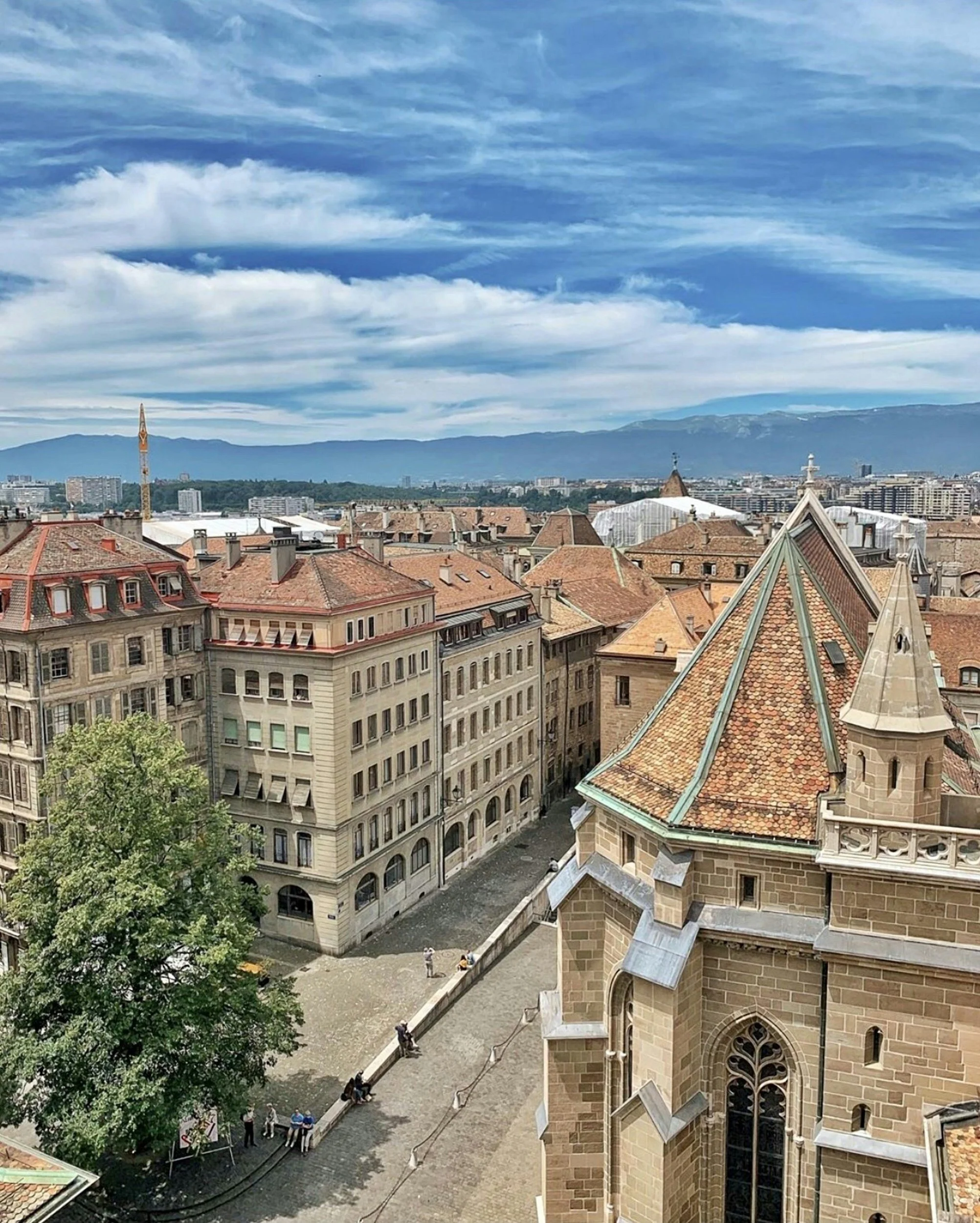
The most Switzerland feeling part of Geneva and the part most worth your time. Cobblestone streets, medieval buildings, independent boutiques, and a hilltop setting that gives you a completely different perspective on the city below.
St. Peter's Cathedral anchors the Old Town and is worth going inside. Climb the 157 steps to the tower for the best panoramic view in Geneva. The Reformation Wall in Parc des Bastions is a 100 meter long monument to the Protestant Reformation, featuring the giant statues of Calvin, Farel, Beza, and Knox. It sounds dry and it is not. The scale of it is genuinely impressive.
Wander the streets around Place du Bourg-de-Four, the oldest square in Geneva, and find somewhere to sit with a coffee or a glass of local wine. This is the part of the city that slows you down in the right way.
Lake Geneva and the Jardin Anglais
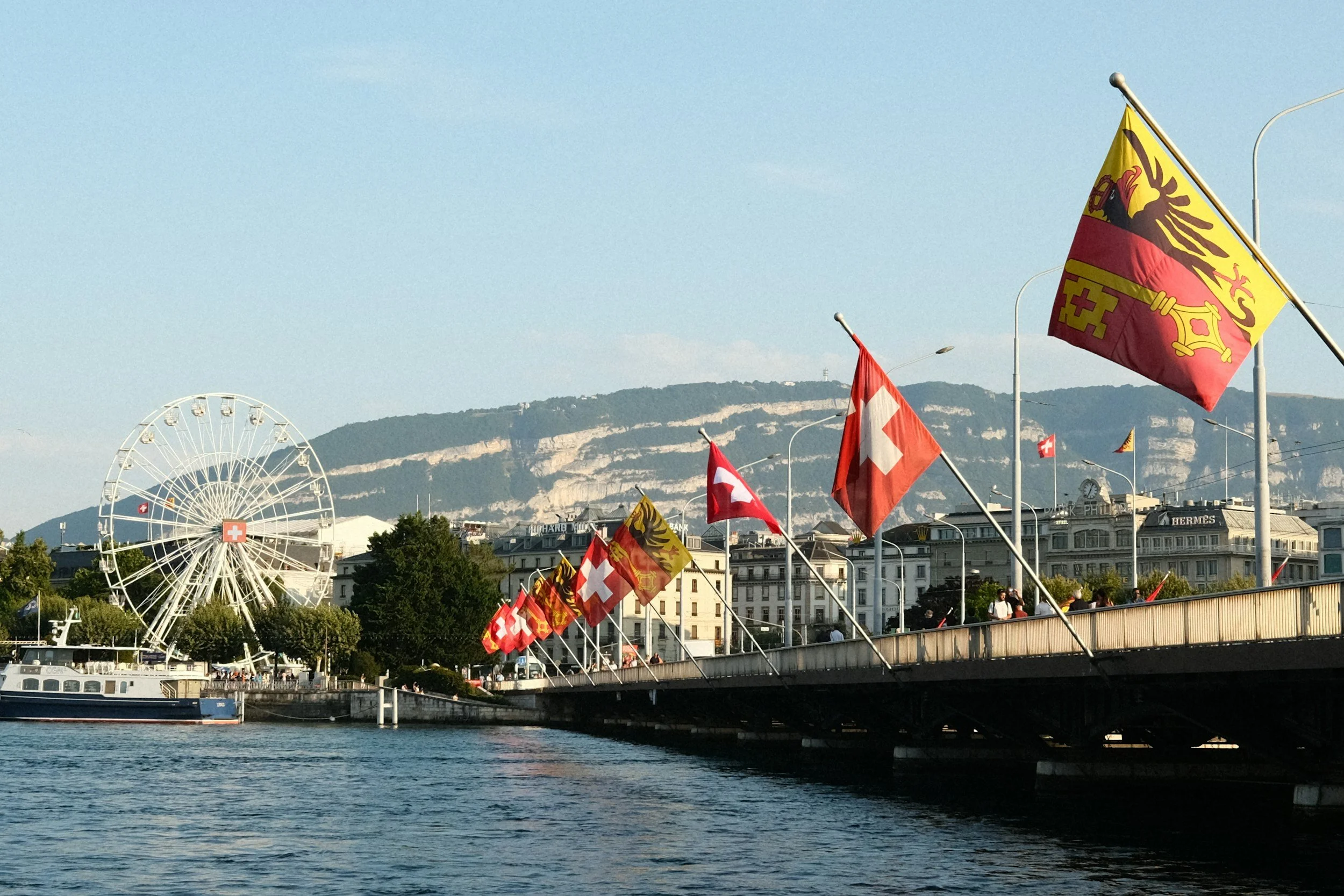
The lake is Europe's largest and Geneva's relationship with it is central to everything about the city. Walk the lakeside promenade from the Jardin Anglais toward the Jet d'Eau and back. The Flower Clock in the Jardin Anglais is one of those classic Geneva postcard moments, a large working clock made entirely of flowers that sounds gimmicky and is actually worth seeing.
A lake cruise gives you the city from the water and on a clear day the Alps visible in the distance add a context to Geneva that the city streets do not always provide. We did a 50 minute cruise and while it does not compare to the dramatic mountain lake experiences of Lucerne or Interlaken, it is a genuinely pleasant way to see the city from a different angle.

Carouge
The neighborhood most first time visitors miss and the one most worth seeking out. A short tram ride from the city center, Carouge has the feel of a small Italian village, low buildings, colorful facades, a fresh produce market, small cafés and restaurants, and a pace that feels entirely different from the international city a few stops away. Worth an afternoon.
The Choco Pass
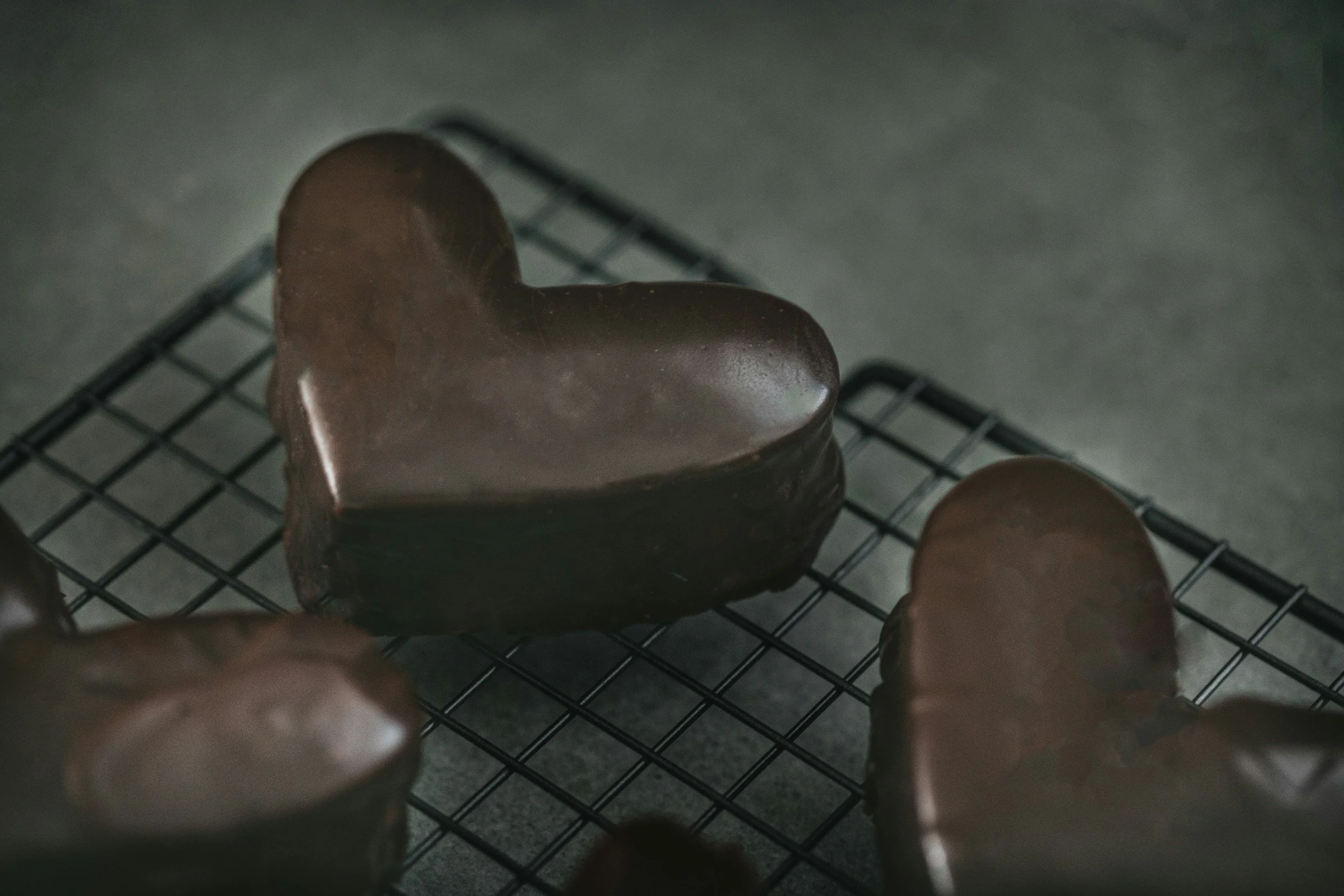
Geneva has some of the best independent chocolatiers in Switzerland and the Choco Pass is the most efficient way to experience them. A tasting card that takes you through the city's best chocolate makers, including Favarger, founded in 1826, Du Rhône, and others. More interesting than a single shop stop and a good way to spend a morning or afternoon while moving through different neighborhoods.
Day Trip to Annecy
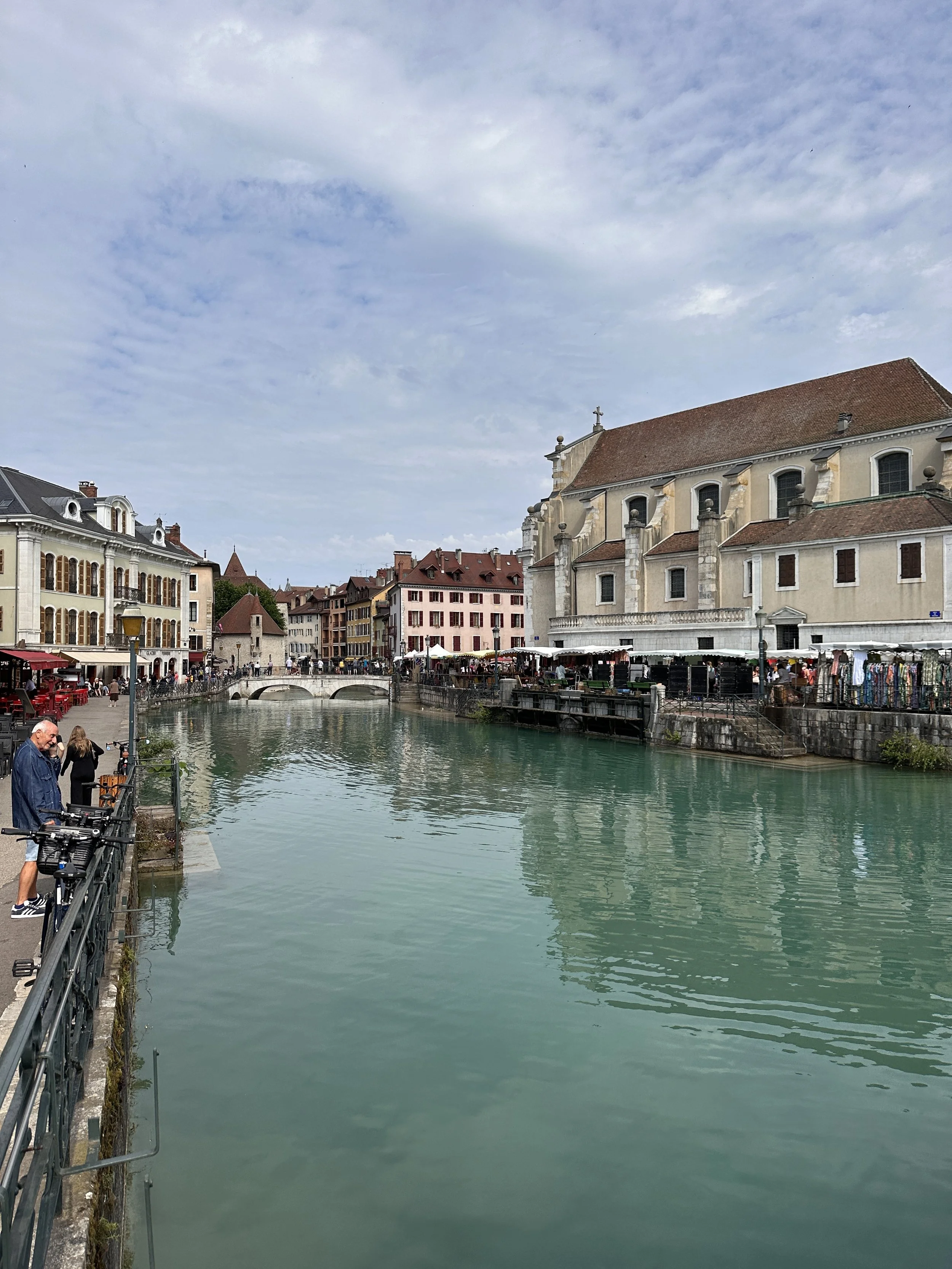
Technically in France but easily reachable from Geneva in about an hour by car or bus. A medieval lakeside town with canals that earned it the nickname Little Venice of the Alps, turquoise water that rivals Lake Thun, and a completely different pace from Geneva. Worth a half day or full day if you have time.
Where to Stay Your First Time in Geneva
Geneva is an expensive city even by Swiss standards, which means where you stay matters more here than in most places. The good news is that every hotel in Geneva gives guests a free Geneva Transport Card covering all public transport for the duration of your stay. Ask for it at check in the moment you arrive.
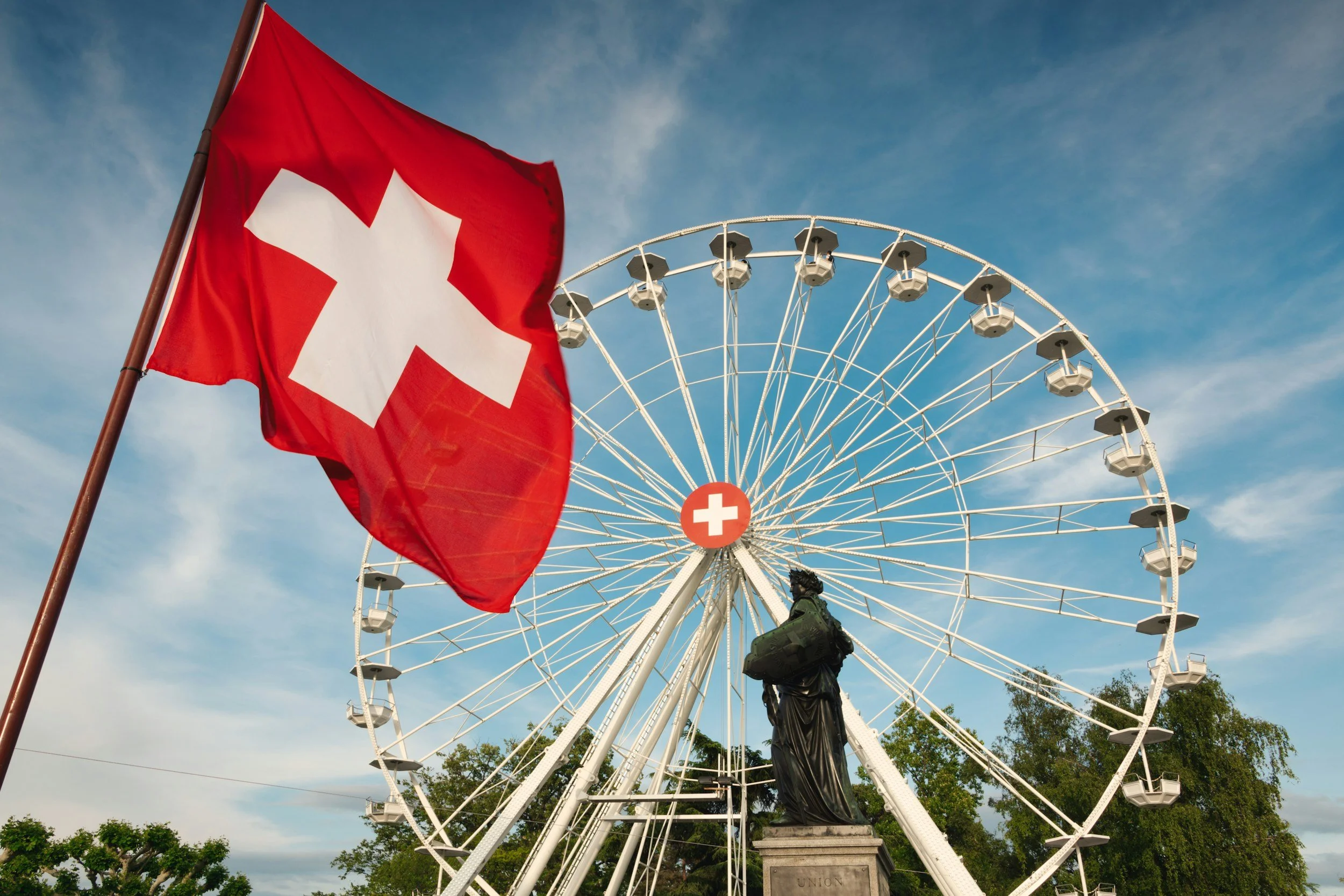
The city center around Rue du Mont-Blanc and the lakefront is the most convenient base for a first visit. Close to the train station, the lake, and easy walking distance to most of what you will want to see.
The Old Town sits on a hill above the lake and is the most atmospheric part of the city. Staying here puts you in the most characterful streets but slightly further from the main transport connections.
Carouge is the local alternative, a tram ride from the center with a completely different neighborhood feel. Worth considering if you want something less corporate and more lived in.
Know the Neighborhoods
Geneva Marriott Hotel is where we stayed and it was a solid, reliable base with no complaints. Well located, comfortable, and easy to get in and out of. Not the most memorable hotel of the trip but it did everything it needed to do.
Hotel Les Armures is one of the most atmospheric options in the city, a historic property almost 400 years old sitting in the heart of the Old Town. If you want Geneva to feel less like a business city and more like somewhere with actual history, this is where to stay.
Beau Rivage Geneva is the lakefront splurge, a grand 19th century property with some of the best lake views in the city. Worth it if the budget allows and you want the classic Geneva hotel experience.
Hotel Suggestions
Where to Eat & Drink on Your First Trip to Geneva
Mont Blanc Restaurant
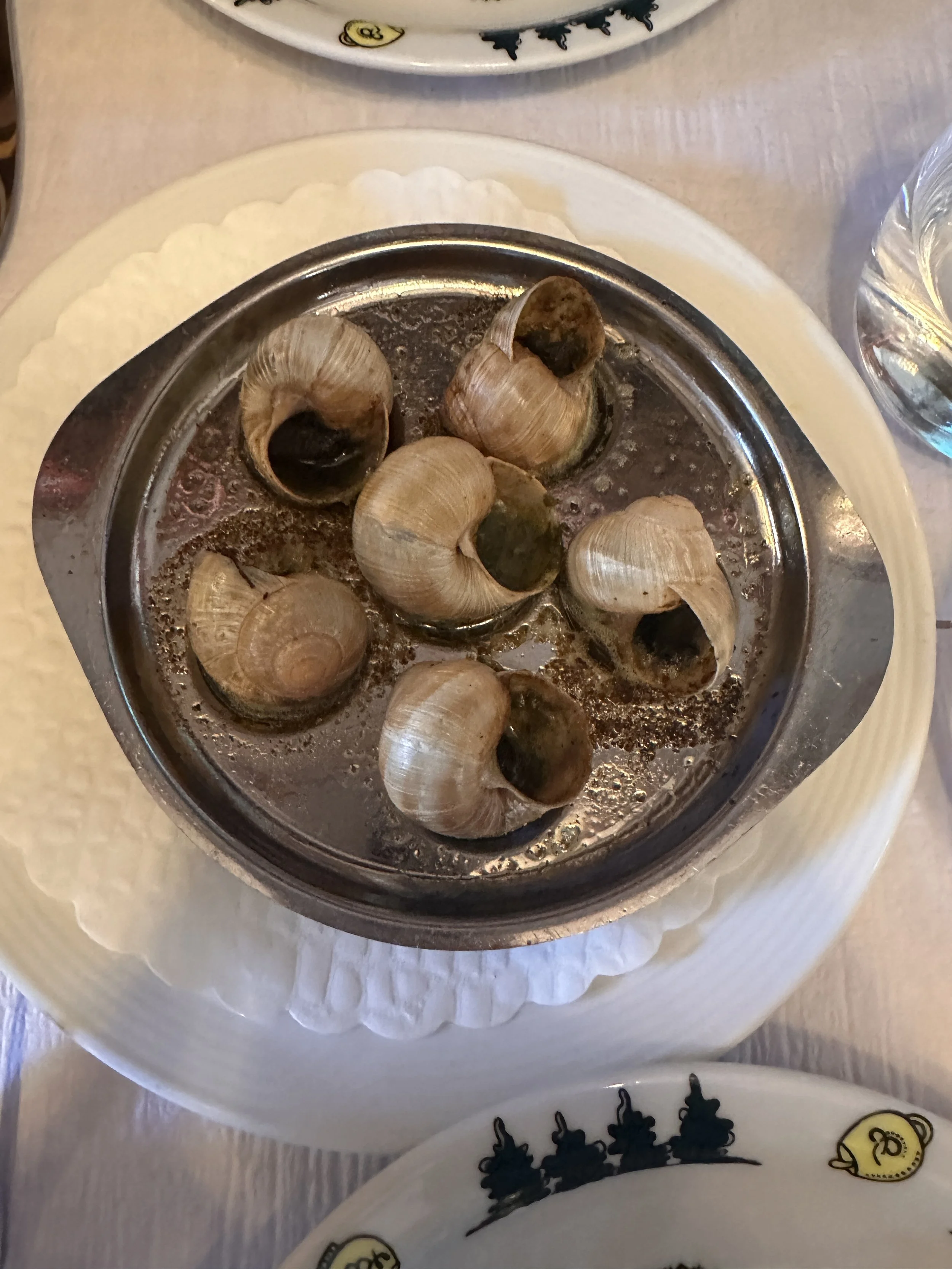
This is where we had fondue and escargot and both were exactly what you want from a meal in a French speaking Swiss city. The fondue was authentic and generous, the escargot exactly as they should be, and the whole experience felt more French bistro than tourist trap. Order both if you can. Take your time with the fondue. Do not rush either.
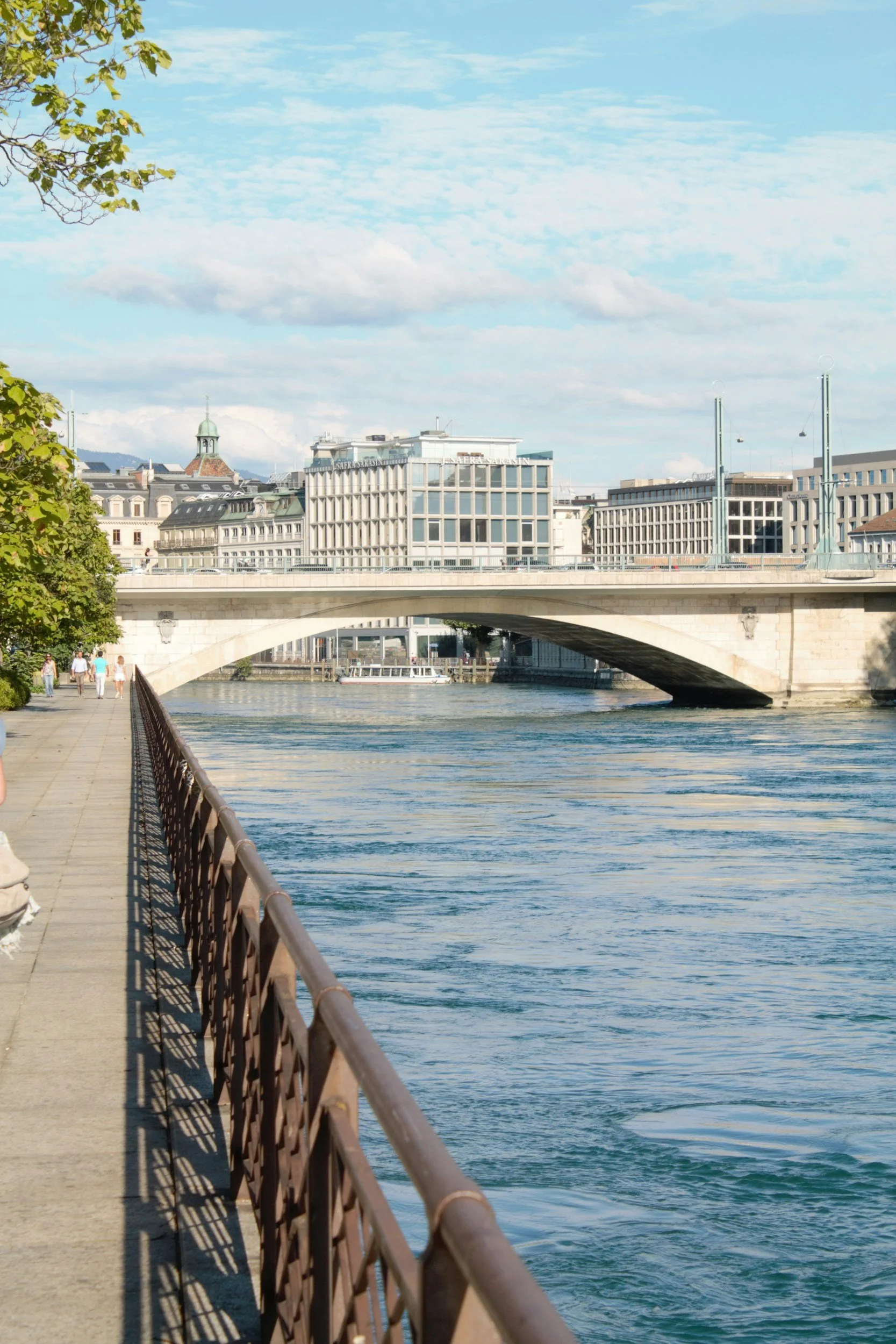
Les Bains des Pâquis
One of the most beloved spots in Geneva and genuinely one of a kind. A lakeside baths complex that doubles as a restaurant and bar, with long communal tables, 360 degree views over the water, and a fondue that locals rate as some of the best in the city. Cash only, completely unpretentious, and the kind of place that makes Geneva feel less like a corporate hub and more like a real city where people actually enjoy themselves. Worth going for a drink even if you do not eat.
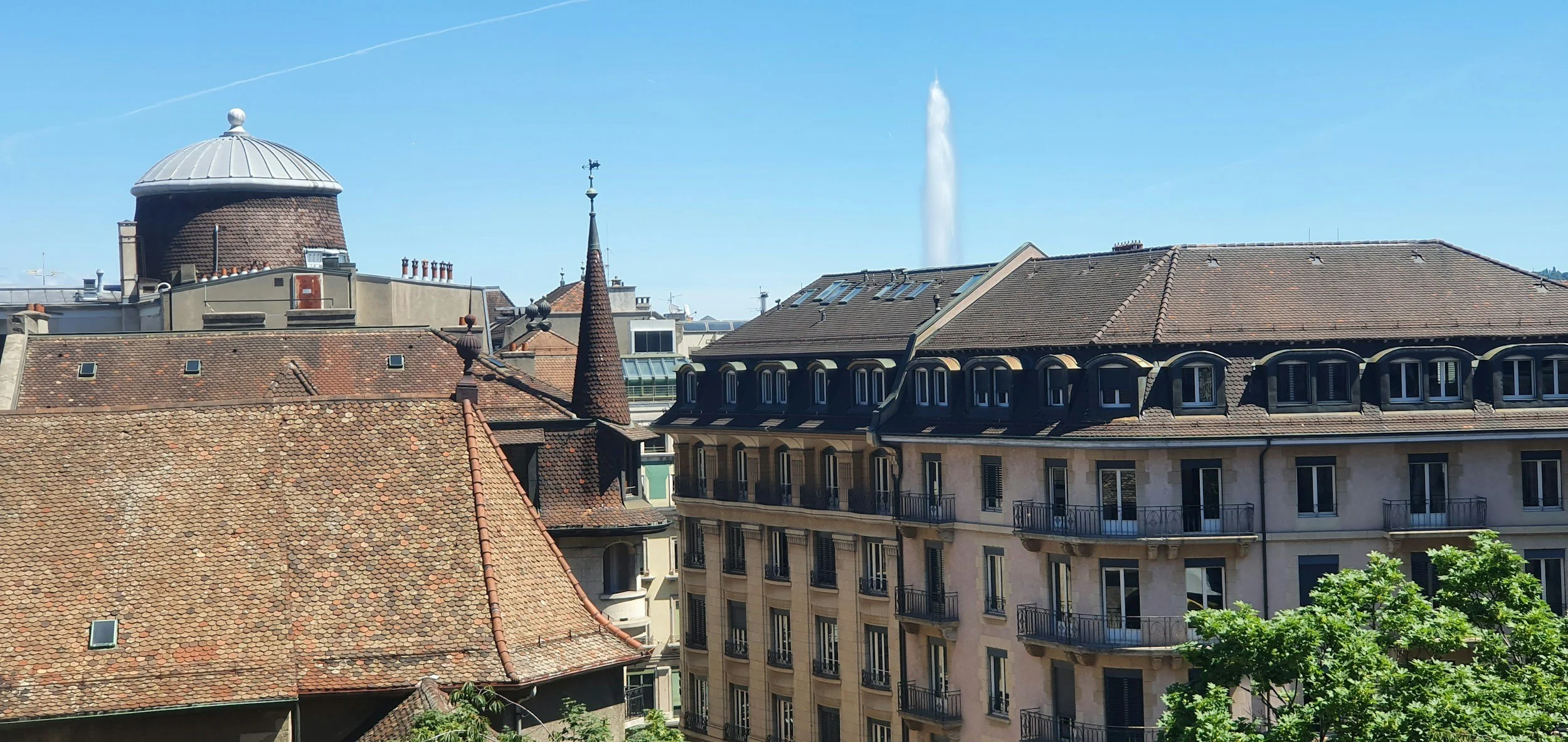
In the Old Town
The streets around Place du Bourg-de-Four have a good concentration of cafés and restaurants worth exploring for lunch or dinner. Nothing specific to single out beyond finding somewhere with outdoor seating and sitting with a glass of Petite Arvine, the local regional wine, and watching the square.
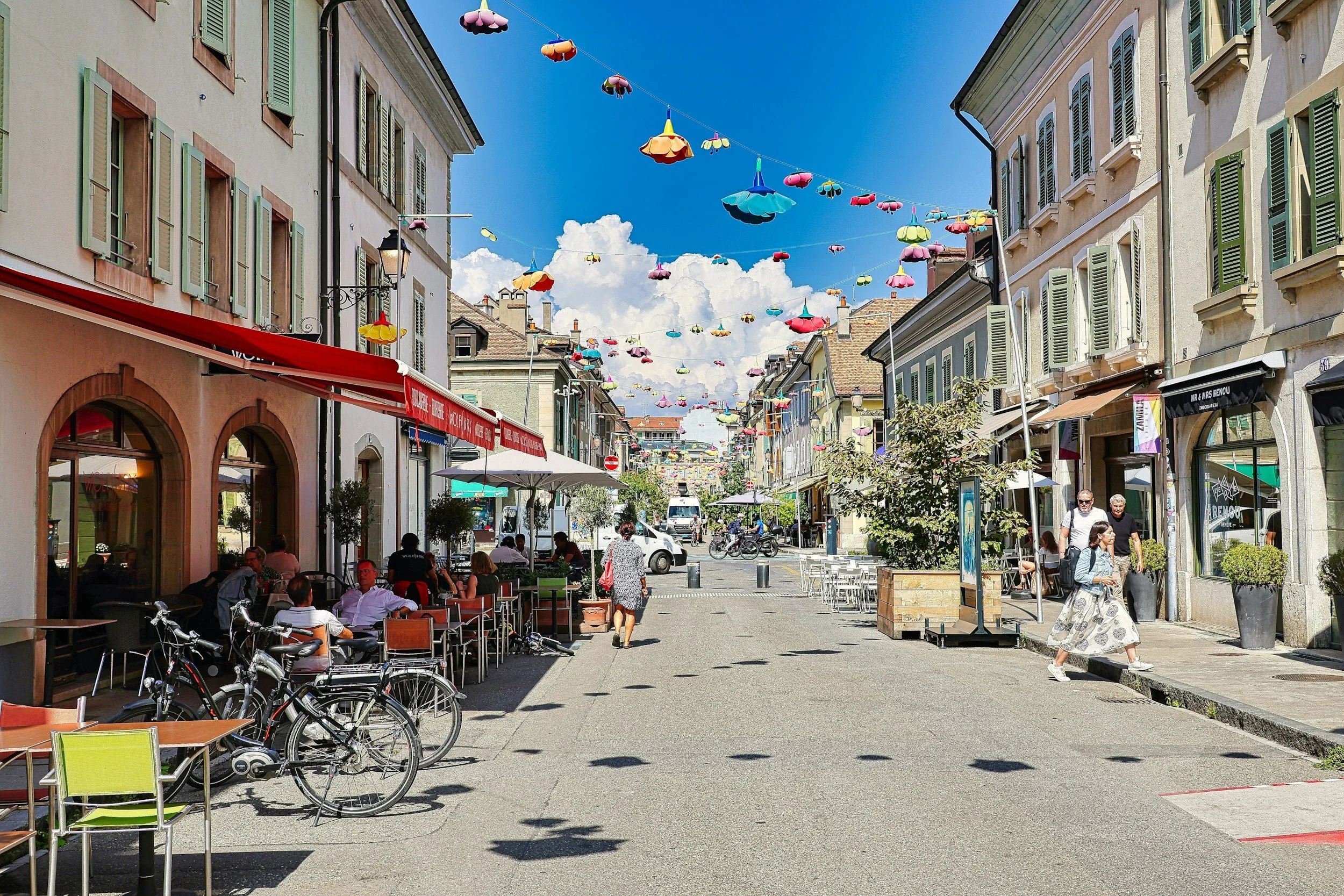
Carouge
The neighborhood has its own dining scene worth exploring for dinner on day two. More relaxed, more local, and significantly less corporate than the city center. Walk around and pick something that looks good rather than planning too far ahead.
What to Try at Least Once in Geneva
Fondue if you have not had it yet in Switzerland, and Geneva does it well. Petite Arvine, the local white wine from the Geneva and Valais region, dry and slightly mineral in a way that works well with cheese and with the lake air. And at least one piece of chocolate from an independent Geneva chocolatier rather than a chain, Favarger is the historic choice and worth the stop.
What to Pack for Your First Trip to Geneva
Geneva is a city destination rather than a hiking or mountain destination, which makes packing for it simpler than anywhere else in Switzerland. Think European city rather than alpine adventure.
Weather & Seasons (Quick Reality Check)
Late spring to summer (May to September): Warm and pleasant with long days. Lake swimming is possible and the outdoor terraces along the lake are at their best.
Fall (October to November): Cooler and rainier. A proper jacket becomes important.
Winter (December to February): Cold and grey more often than not. Not the most compelling time to visit unless you are using Geneva as a base for skiing in the nearby French Alps.
Early spring (March to April): Unpredictable. Pack layers and a rain jacket.
Comfortable walking shoes, the Old Town has cobblestones.
A jacket for evenings, even in summer the lake creates a chill after dark. Smart casual clothing, Geneva is a polished city and the dress standard in restaurants and bars reflects that.
Reusable water bottle, tap water in Geneva comes from Lake Geneva and is excellent.
Small crossbody bag or daypack.
Compact umbrella.
Core Items for Geneva
The Geneva Transport Card: Every hotel guest in Geneva receives this automatically at check in. It covers all public transport including buses, trams, and boats for the duration of your stay. Ask for it the moment you arrive and do not buy a separate transport ticket before you have it.
Euros are accepted: Unlike the rest of Switzerland, many places in Geneva accept euros. You will usually get change back in Swiss francs so it is not a perfect exchange but useful to know if you arrive without francs.
French is the language: Unlike Zurich or Lucerne, English is less universally spoken here, particularly in smaller shops and local spots. A simple Bonjour when you enter and Merci when you leave goes a long way and is genuinely appreciated.
Sunday closures apply here as they do across Switzerland. Most shops are closed. Restaurants and the transport card boat service are generally open.
Local Details First-Time Visitors Forget
The Door I Almost Did Not Open
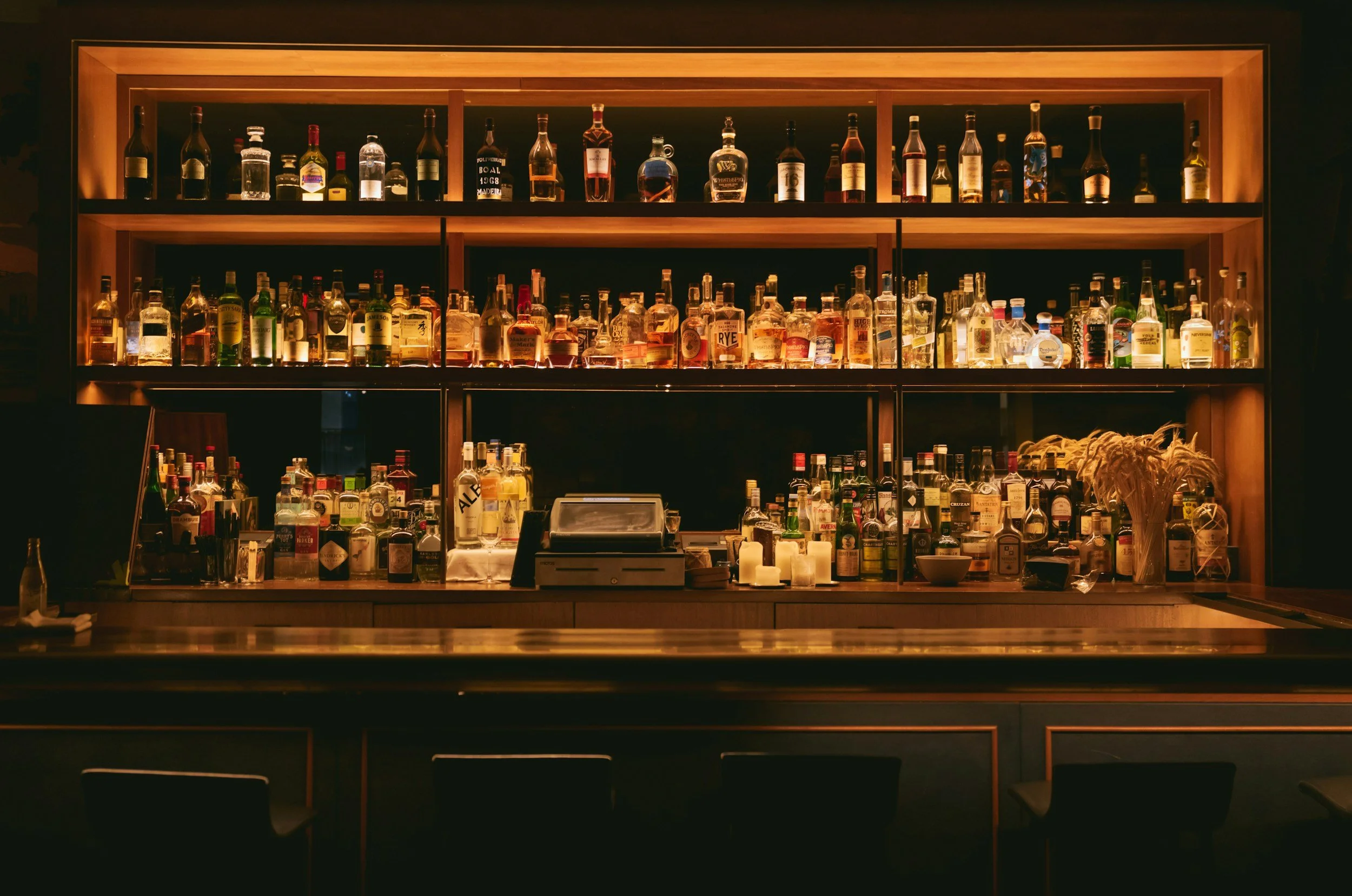
Geneva was not my favorite stop in Switzerland. I will be honest about that.
Coming straight from Interlaken and Lucerne, it felt like a gear change I was not ready for. Less dramatic, less Swiss, more city. The kind of place that would feel exciting if you had not just spent days in some of the most beautiful landscapes in Europe.
And then we found the pub.
No plan, no recommendation, just a door that looked interesting and a decision to walk through it. Inside there was a soccer game on, the kind of crowd that only exists around a match, people in scarves leaning forward in their seats, a bartender who looked exactly like every bartender from every European pub you have ever seen on television.
Nobody was performing for tourists. Nobody was trying to make the experience feel authentic. It just was.
It was the most Geneva moment of the whole trip and it had nothing to do with the lake or the fondue or the Jet d'Eau. It was just a room full of people watching a game and not thinking about anything else.
Sometimes that is the thing that makes a city feel real. Not the landmarks. Just a door you almost did not open.
Itinerary for Your First Trip to Geneva
Geneva is a city that makes more sense once you stop expecting it to feel like the rest of Switzerland. Give it that and it starts to reveal itself in smaller, quieter ways.
Two days is enough to get the shape of it. Here is how to use them well.
If you are coming from Interlaken the train to Geneva takes about two hours and the stretch through the Lavaux vineyard region is one of the more quietly beautiful train journeys in the country. Terraced vineyards drop down steep hillsides directly to the edge of Lake Geneva, with the Alps visible across the water on a clear day. The village of Lutry appears briefly, a tiny medieval wine village on the shore that looks like it belongs in a painting. It is gone before you fully register it. Worth having your camera ready for that stretch.
The Journey There: The Train from Interlaken
Day 1 - The Lake, the Old Town, and Getting Your Bearings
Arrive at Geneva Cornavin, the main station, and check in. The hotel will give you a Geneva Transport Card at check in. Ask for it immediately and do not buy any transport tickets before you have it. It covers everything.
Morning: The Jet d'Eau and the Lakeside
Walk from the station down Rue du Mont-Blanc to the lake. It takes about ten minutes and the moment the lake opens up in front of you is the first time Geneva makes a proper impression.
The Jet d'Eau is directly ahead. Walk along the pier toward it and get as close as you can. On a windy day you will get wet. On a calm day you can stand directly underneath the spray. Either way the scale of it in person is different from photographs.
From the Jet d'Eau walk through the Jardin Anglais and find the Flower Clock. Then continue along the lakeside promenade in the direction of Perle du Lac park. This walk takes about an hour at a relaxed pace and gives you the lake from multiple angles.
Midday: The Old Town
Make your way up to the Old Town. The climb is short and the contrast with the flat lakeside is immediate.
Start at St. Peter's Cathedral. Go inside and climb the 157 steps to the tower. The view from the top is the best panoramic view in Geneva and worth every step. From the cathedral walk to the Reformation Wall in Parc des Bastions. The scale of the monument is the thing that gets you. It is longer and more imposing than you expect.
Wander through the streets around Place du Bourg-de-Four and find somewhere for lunch. This square has been the heart of the Old Town since Roman times and it shows. Sit outside if the weather allows.
Afternoon: Lake Cruise
Head back down to the lake and take the 50 minute cruise on Lake Geneva. The city looks completely different from the water and on a clear day the Alps appear in the distance in a way that suddenly reminds you that you are still in Switzerland. It is a gentler, more city-focused cruise than Lucerne but worth doing once.
Book through GetYourGuide in advance especially in summer.
Evening: Fondue at Mont Blanc
Dinner at Mont Blanc Restaurant. Order the fondue. Take your time with it. This is one of the better fondue experiences in Geneva and the right way to end the first day.
Day 2 - Neighborhoods, Chocolate, and Carouge
Morning: The Choco Pass
Start the morning with the Choco Pass. A tasting card that takes you through Geneva's best independent chocolatiers including Favarger, the oldest in the city, founded in 1826. Plan two to three hours depending on how seriously you take your chocolate. Geneva's independent chocolate scene is genuinely some of the best in Switzerland and this is the most efficient and enjoyable way to experience it.
Midday: Carouge
Take the tram to Carouge for lunch. Walk around the neighborhood before you eat, find the fresh produce market if it is running, and pick a restaurant that looks local rather than tourist. The whole neighborhood has an Italian village feel that is completely at odds with the corporate energy of the city center and completely worth the short trip.
Afternoon: La Jonction or Free Time
Walk to La Jonction to see where the Rhône and Arve rivers meet if you want something slightly off the usual path. The visual contrast between the two rivers running alongside each other is genuinely strange and interesting. Or use the afternoon for whatever the morning left you wanting more of.
Day Trip Option: Annecy
If you have a third day or want to swap one of the above for something completely different, Annecy in France is about an hour away by car or bus. A medieval lakeside town with canals, turquoise water, and a completely different pace from Geneva. Full details on the Annecy page.
Evening: Find a Local Pub
Skip the hotel bar. Walk until you find somewhere that looks like it belongs to the neighborhood rather than the tourist circuit. If there is a game on, go in. Order whatever is on draft. Stay longer than you planned to.
That is the most Geneva thing you can do and nobody will tell you that in a travel guide.