
Your First Time in
Milan, Italy
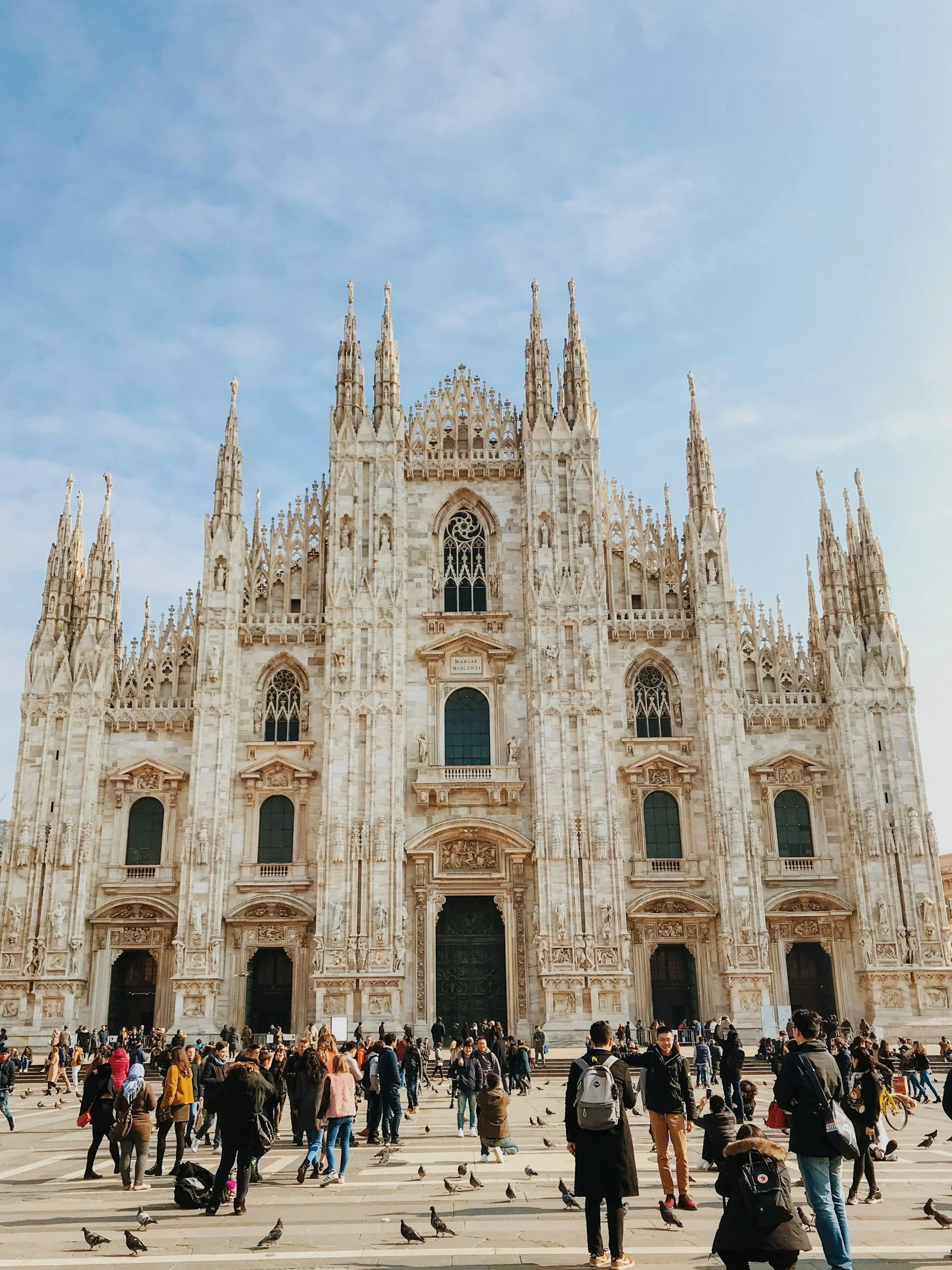
Milan was the first European city I ever set foot in.
Before this, the only international travel I had done was Japan, which is a spectacular place to start but also the worst possible preparation for Europe. Japan is the future. Milan is the past, standing right in front of you, completely unbothered by how old it is. I stepped off the train at Milano Centrale, looked up at the station, and just stood there filming the ceiling like someone who had never seen a building before. In my defense, I had never seen a building like that before.
That is the thing about Milan as a first European city. Everything hits at once. The architecture is immediate and overwhelming and everywhere, and you spend the first day with your head tilted back trying to take in ceilings and facades and details that most of the people walking past you stopped noticing years ago.
Milan gets dismissed a lot. Too corporate, too fashion, too much of a business city, the place you fly into before you go somewhere prettier. There is some truth to that. It does not charm you the way Florence or Rome does. But as the place where Europe first introduced itself to me, it could not have done a better job. The Duomo alone justified the entire trip. The food at the right table justified it again.
Two days is enough for a first visit. It was exactly what we had and it was the right amount, though I left wishing I had one more meal.
A Brief Look At
Your Itinerary
The full itinerary is at the bottom of the page when you are ready.
-
Land, drop your bags, and ease into the city with an early dinner under the glass roof of the Galleria Vittorio Emanuele II before seeing one of the most famous paintings on earth. A slow arrival into a city that does not actually do slow.
-
The day Milan earns everything you came for. The cathedral inside and out, the opera house, the castle and the park, and an evening of aperitivo along the canals. The most complete day in the city and the one you will remember.
What to See on Your Visit to Milan
The Duomo di Milano
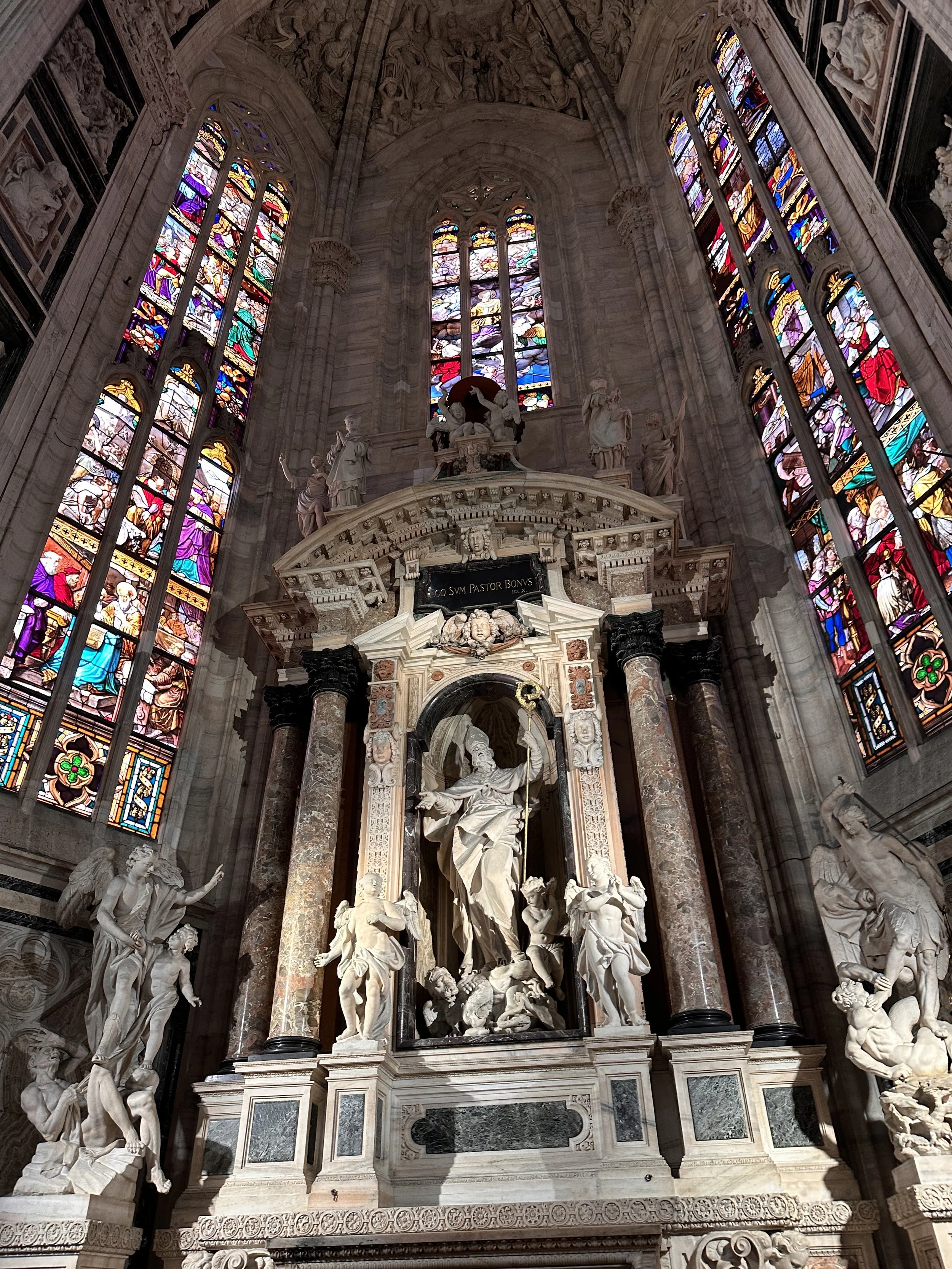
This is the one. If you see nothing else in Milan, see this.
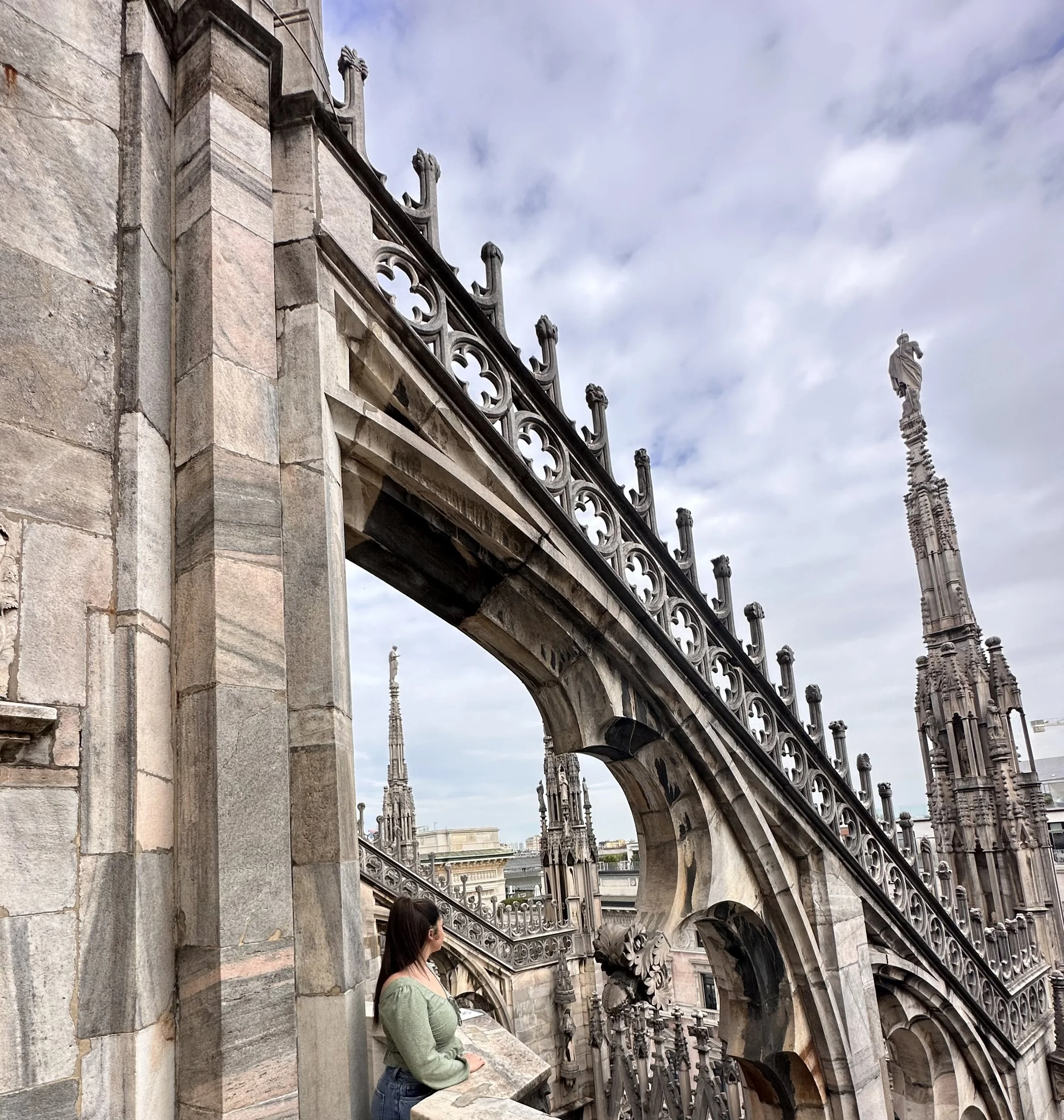
The Duomo is Italy's largest church and it took roughly 600 years to build, which you can feel standing in front of it. Start with the rooftop terraces. You climb up among the spires and the statues and the flying buttresses and suddenly you are eye level with details that took centuries to carve, the whole thing far more intricate up close than it has any right to be. On a clear day you can see the Alps from up there.
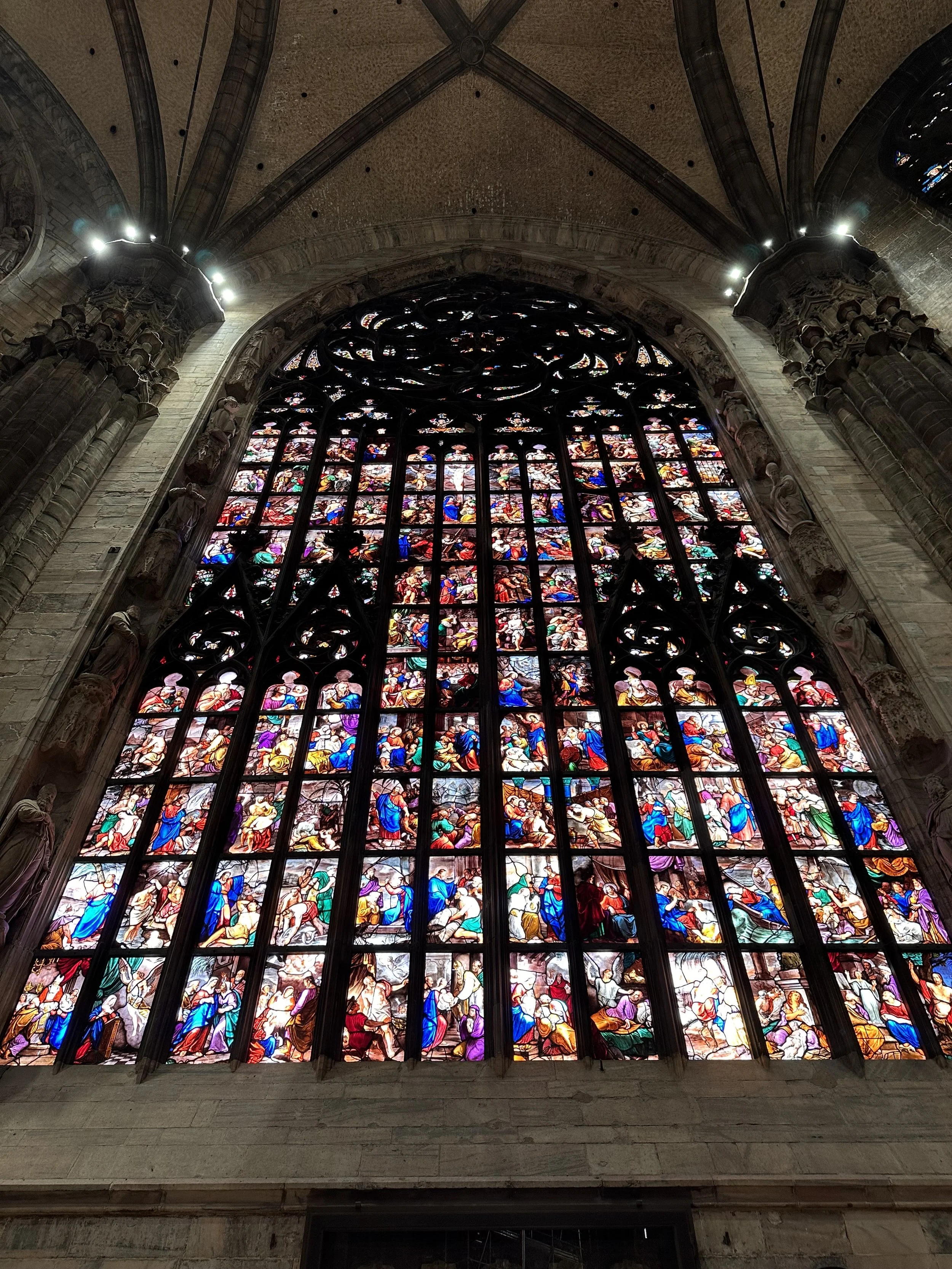
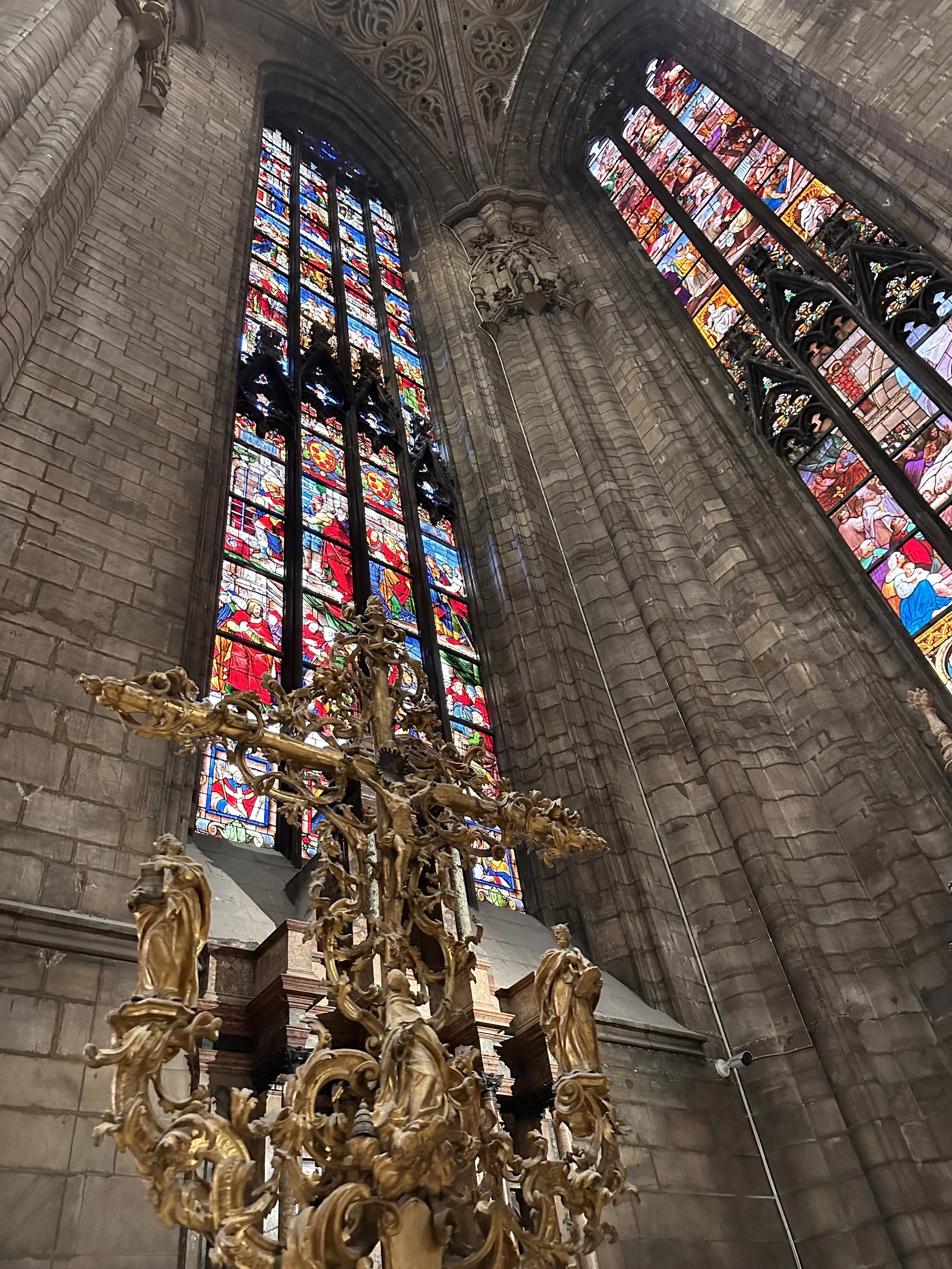
Then go inside. I am not especially religious, but the interior of the Duomo is the closest to God I had felt in my life up to that point. The stained glass windows run the full height of the building. There was a choir singing faintly somewhere and the sound moved through the whole space. The marble statues, the columns, the painted dome ceilings. I could have sat in there for hours. We did not have hours. Book your ticket in advance through GetYourGuide and give it at least two, and take the rooftop and the interior both. Skipping either is a mistake.
The Last Supper
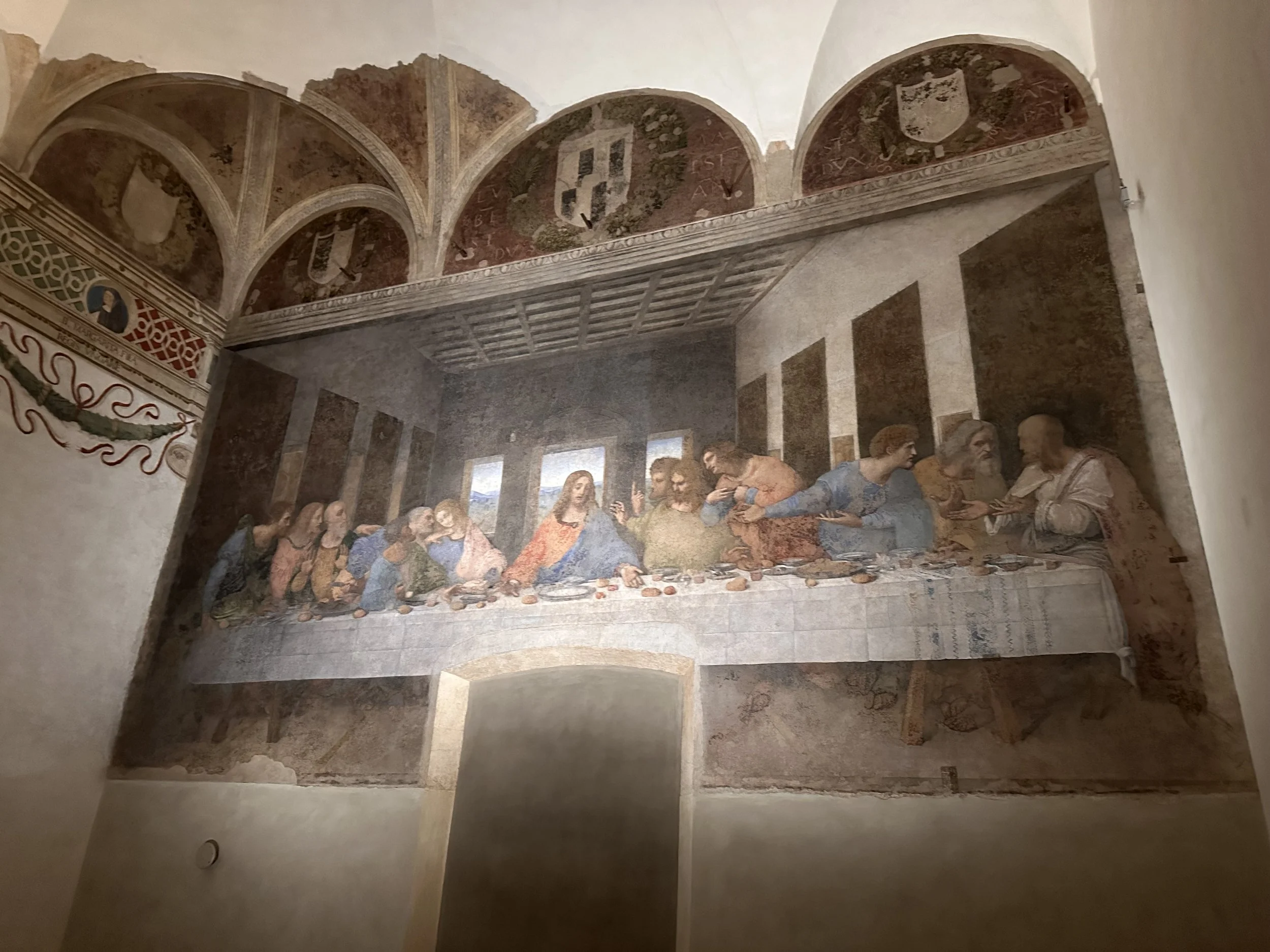
You have to plan for this one. Official tickets are released in quarterly batches roughly three months ahead and sell out within hours, sometimes minutes, for the best dates. The moment your travel window opens up in the booking system, book it. Do not wait until you have the rest of your trip figured out. Guided tours release further in advance and are the reliable fallback once the standard tickets are gone, which is how a lot of people end up seeing it.
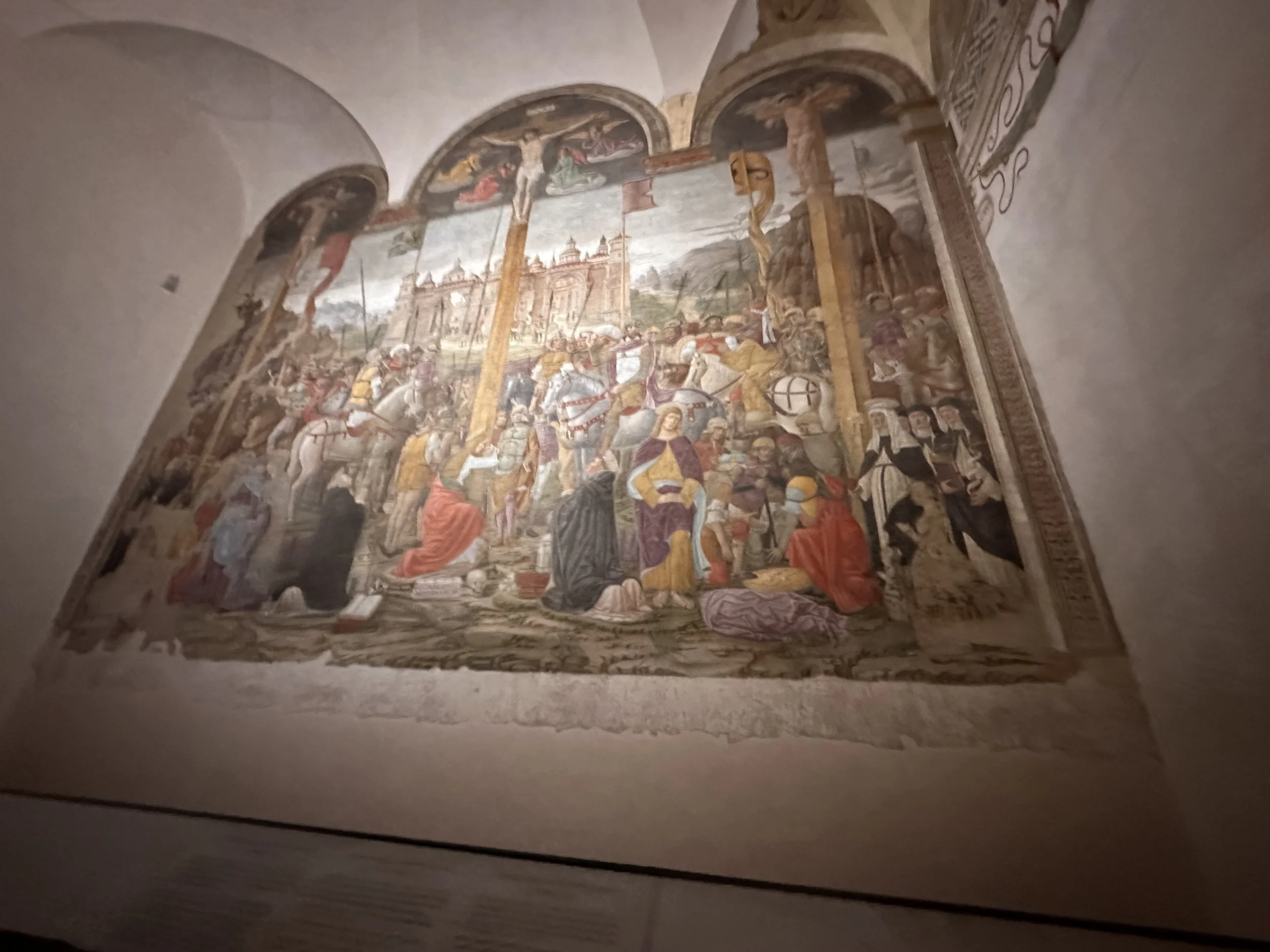
A few things nobody tells you. First, the building it lives in, the refectory beside the church of Santa Maria delle Grazie, looks like a fairly ordinary older building from the outside, the kind you would walk past without a second glance on the East Coast. Second, the painting is smaller than you expect and more faded, because Leonardo painted it with an experimental oil and tempera technique on dry plaster that began deteriorating almost immediately. Third, and this is the part almost nobody mentions, there is a second enormous painting on the opposite wall.
That second painting is The Crucifixion by Giovanni Donato da Montorfano, a fresco completed in 1495. Because Montorfano used true fresco technique, it is far better preserved than The Last Supper, more detailed, more crowded, more vivid. Leonardo himself is believed to have added a few Sforza family figures to it, though those have since faded. Almost everyone in the room faces Leonardo and never turns around. Turn around.
All of that said, I would go again without hesitation. It is The Last Supper. The strict entry rules, the timed slots, the rushing to make it, none of it changes that you are standing fifteen minutes in front of one of the most famous things human beings have ever made.
Galleria Vittorio Emanuele II
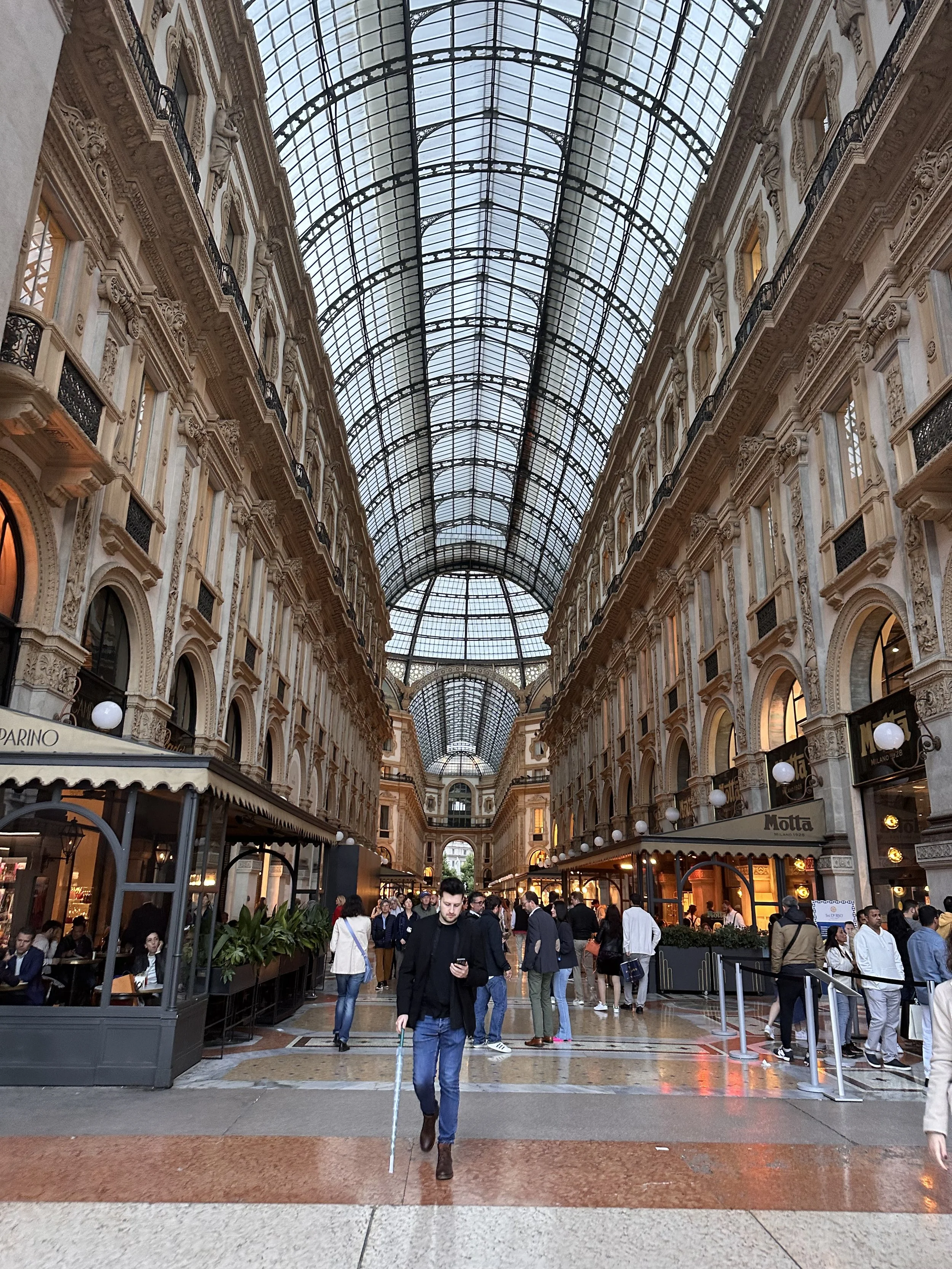
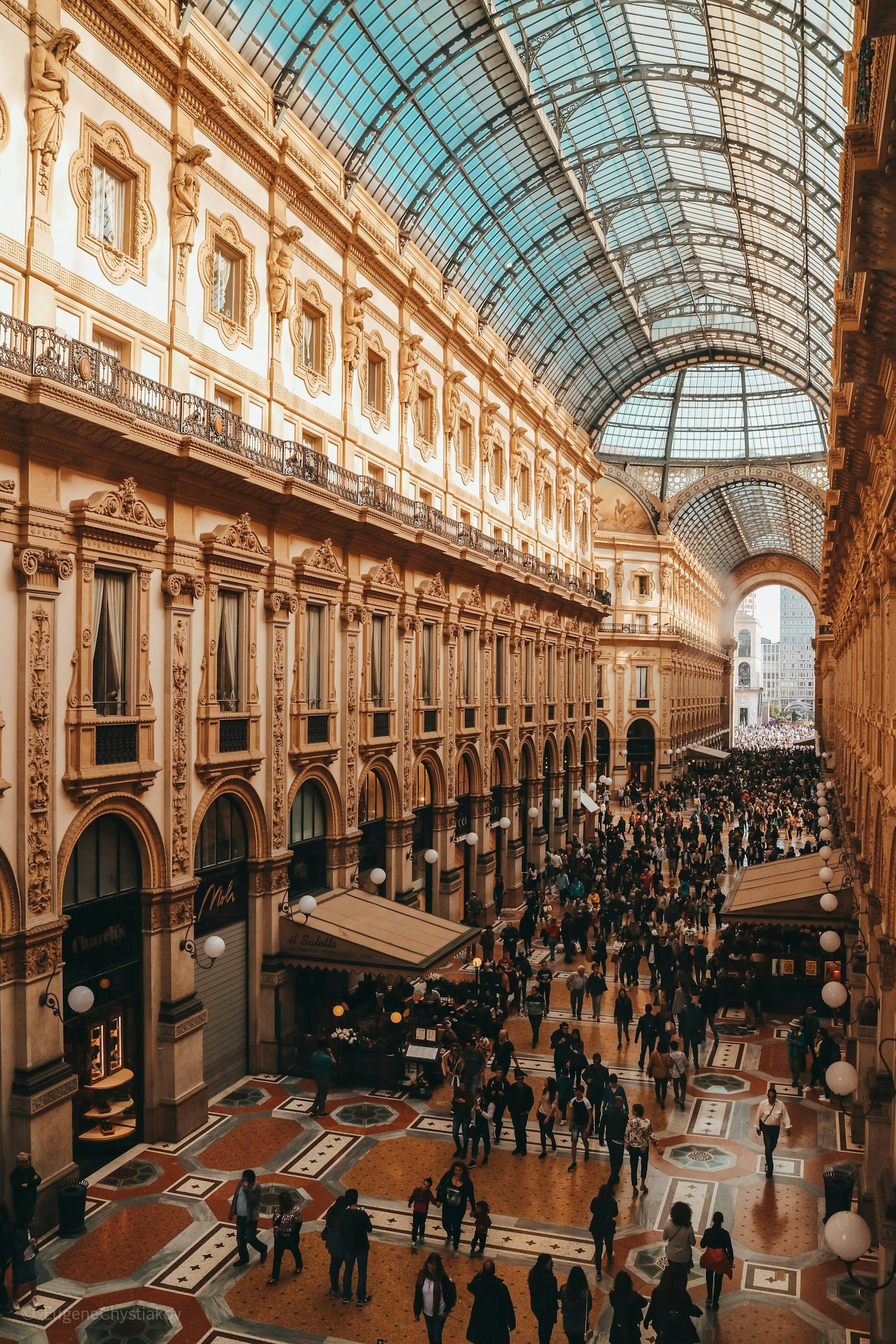
Italy's oldest active shopping gallery, a four story arcade of glass and cast iron that opened in the 1860s. You could shop here if your budget runs to Prada and Louis Vuitton. You do not have to. The building itself is the point, the arched glass roof, the mosaic floors, the cafés that have been serving Milanese society since the 1800s.
What stayed with me was not the architecture though. It was the people. Everyone in the Galleria looked impossibly put together, polished in a way that felt distinctly European, effortless and deliberate at the same time. You feel slightly underdressed no matter what you are wearing. Lean into it. Get a coffee, watch the city move through the space, and let Milan show you what it thinks of itself.
Teatro alla Scala
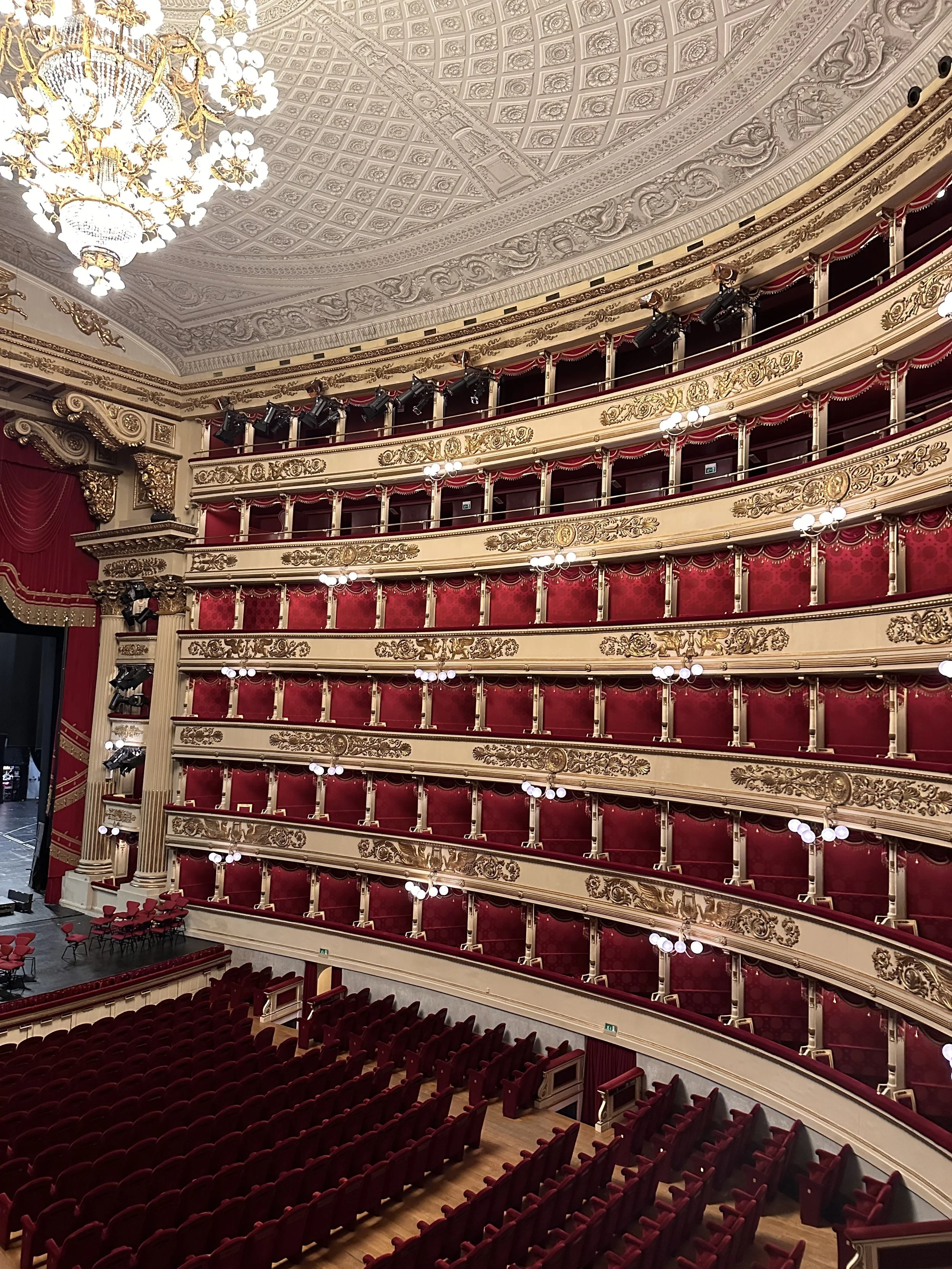
One of the most famous opera houses in the world and worth the guided tour even if you are not seeing a performance. You walk through the museum, with its collection of instruments and busts and composer portraits, and then out into one of the box seats looking down at the stage and across at the empty tiers of red and gold.
Standing in that box, the history is genuinely easy to picture. The composers who premiered here, Verdi, Rossini, Bellini, the audiences across two centuries. The gowns on display in the museum are stunning. There is a painting in the collection by Angelo Inganni from 1852 showing the front of La Scala before the square in front of it even existed, back when the theatre opened onto a narrow street. It is the painting the museum considers most emblematic of everything it holds. I stood in that box hoping the place was haunted, mostly because I am into that kind of thing. It felt like it could be. We booked a guided tour through Get Your Guide.
Piazza Cordusio and the L.O.V.E. Sculpture
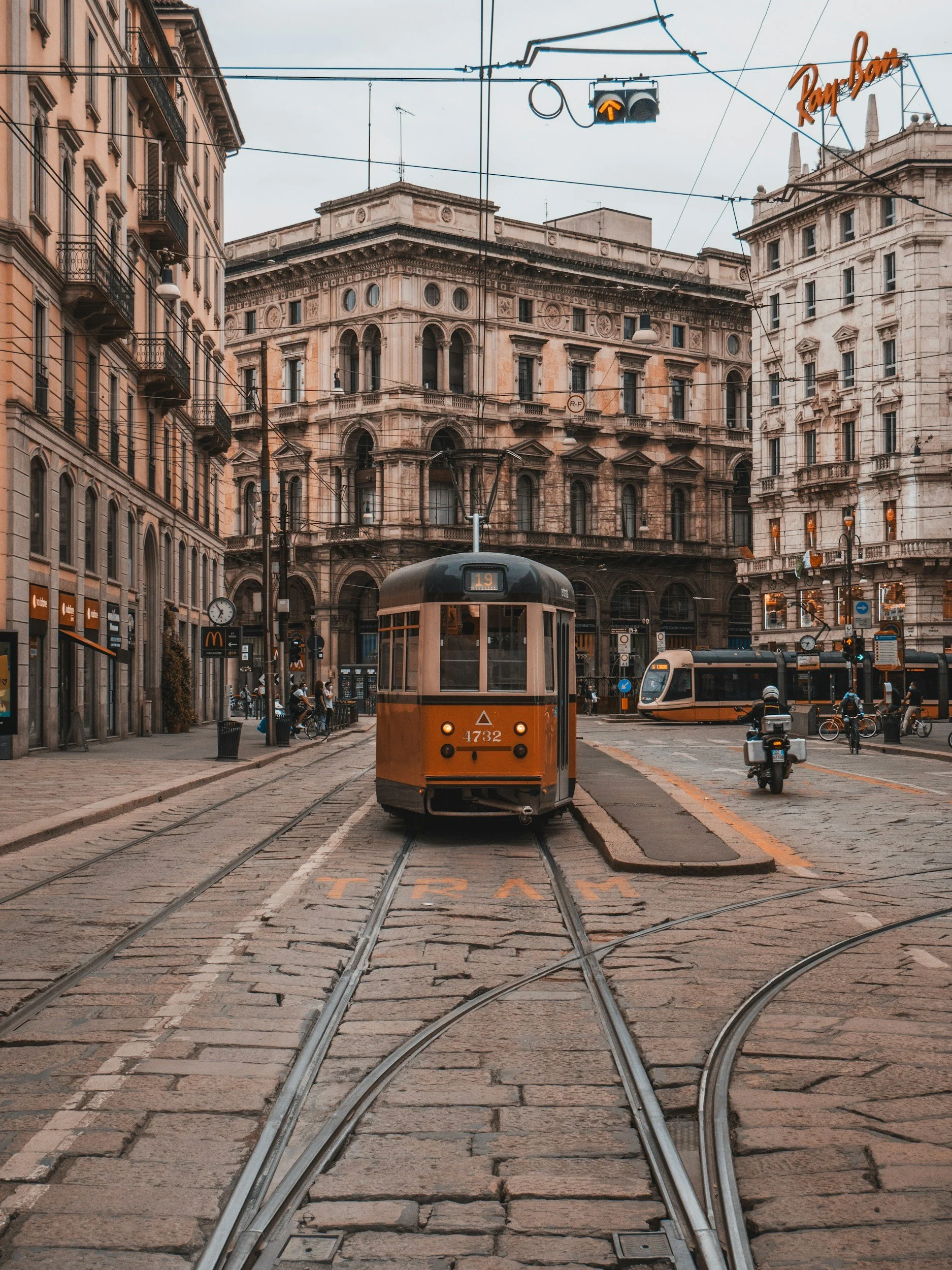
A short walk from the Duomo, in front of the Milanese stock exchange, stands a 36 foot marble sculpture of a hand with all the fingers cut off except the middle one. It is called L.O.V.E., by the artist Maurizio Cattelan, and it is widely read as commentary on finance and the economic establishment given exactly where it is pointed. Worth the short detour for how completely absurd and deliberate it is. Grab a coffee nearby afterward.
Sforzesco Castle and Sempione Park
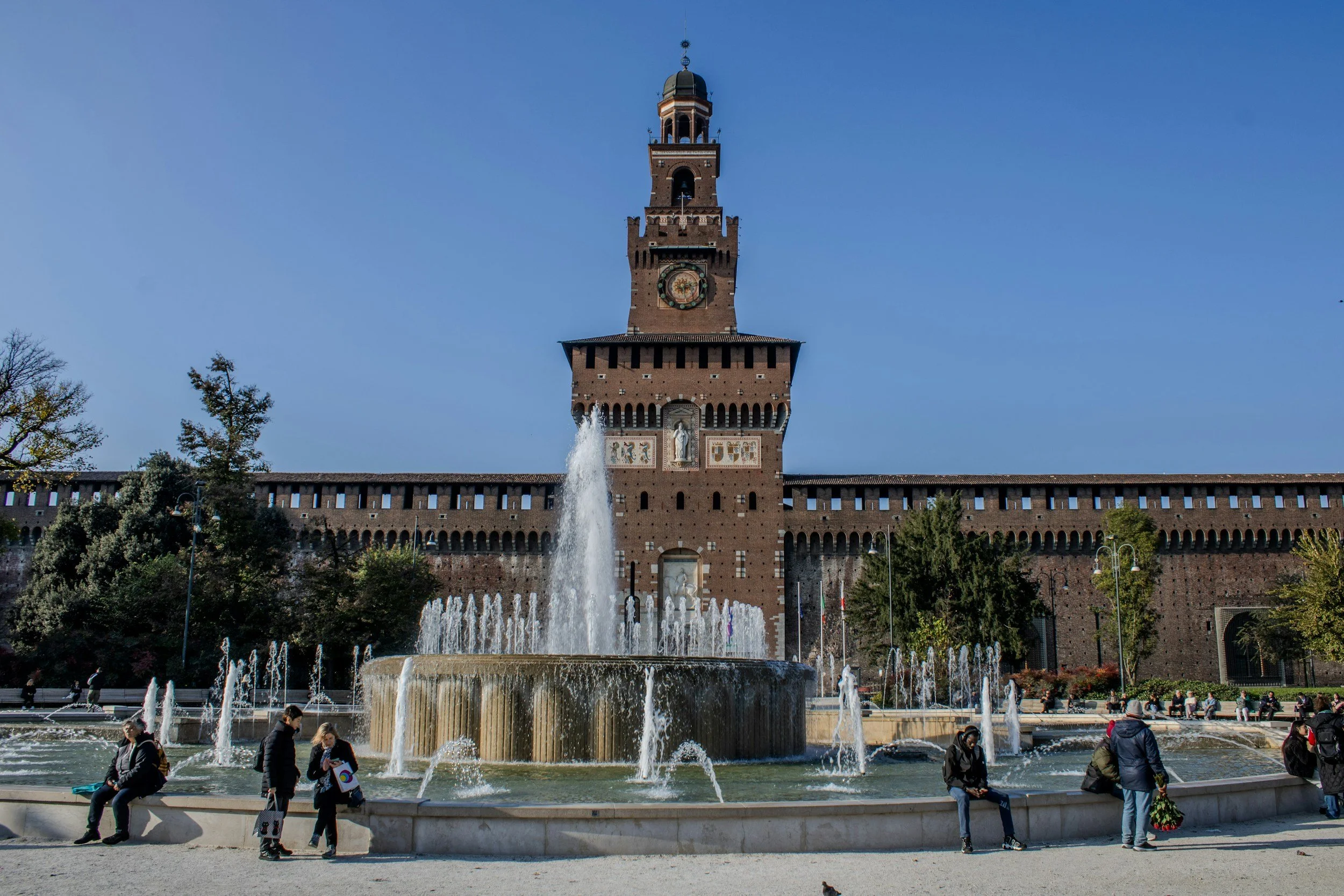
A 14th century fortress turned museum complex, free to walk around the grounds with a ticket required for the museums inside, which hold works connected to both Michelangelo and Leonardo. Behind it stretches Sempione Park, 100 acres of green space with the Arch of Peace at the far end. A good place to slow down for an hour between the density of the city center, pick up something to eat, and sit.
Where to Stay Your First Time in Milan
Milan is a city where location matters more than it might seem, because the things you actually came to see, the Duomo, the Galleria, La Scala, the Last Supper, are clustered in and around the historic center. Stay central and most of your trip will be on foot. Stay outside it and you spend time getting back to the part you wanted to be in.
Know the Neighborhoods
The Duomo and the Historic Center is the most convenient base for a first visit and the one I would recommend. You are walking distance from the cathedral, the Galleria, La Scala, and most of the major sights. It is busy and touristed and that is the tradeoff, but for a short first trip the convenience is worth it.
Brera is the more atmospheric choice, an artsy neighborhood of narrow streets, galleries, and cafés just north of the center. Still walkable to everything but quieter and more characterful than the immediate Duomo area. A strong option if you want the city to feel a little more lived in.
Navigli is the canal district to the south, known for its nightlife and aperitivo culture along the water. Younger, livelier, and further from the main sights. Worth knowing about if evenings out are a priority, though you will travel into the center during the day.
Hotel Suggestions
STRAF is where we stayed and it is a genuinely odd hotel in a way I came to appreciate. It sits steps from the Duomo, which is the best location in the city, and the interior is all raw concrete, exposed materials, and stripped-back design. Cold on paper, but it works, and you cannot beat walking out the door and being at the cathedral in two minutes. The location alone makes it worth considering.
Park Hyatt Milan is the luxury option, sitting between the Duomo and La Scala with the kind of service and interiors that match the price. If you want to be central and comfortable without compromise, this is the one.
Room Mate Giulia is a strong mid-range choice tucked right beside the Galleria, design-forward and well priced for how central it is. You are in the absolute heart of the city without paying the top-tier rate.
Where to Eat & Drink on Your First Trip to Milan
Here is the honest version. Two of the meals we had in Milan could not have been further apart, and the gap between them taught me everything I needed to know about eating in this city. One was forgettable. One was the best pasta of our lives. The difference was not price. It was knowing where to go.
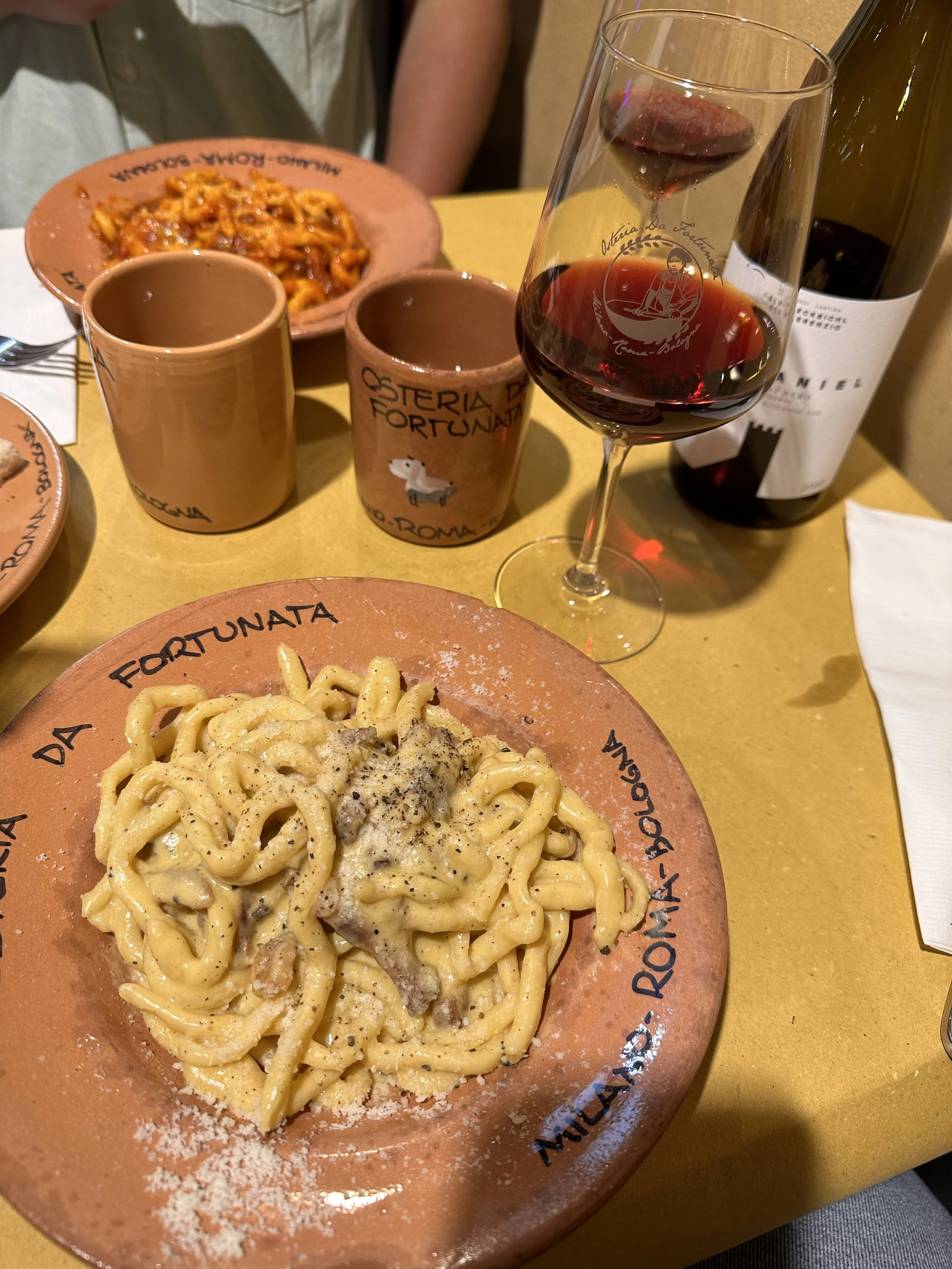
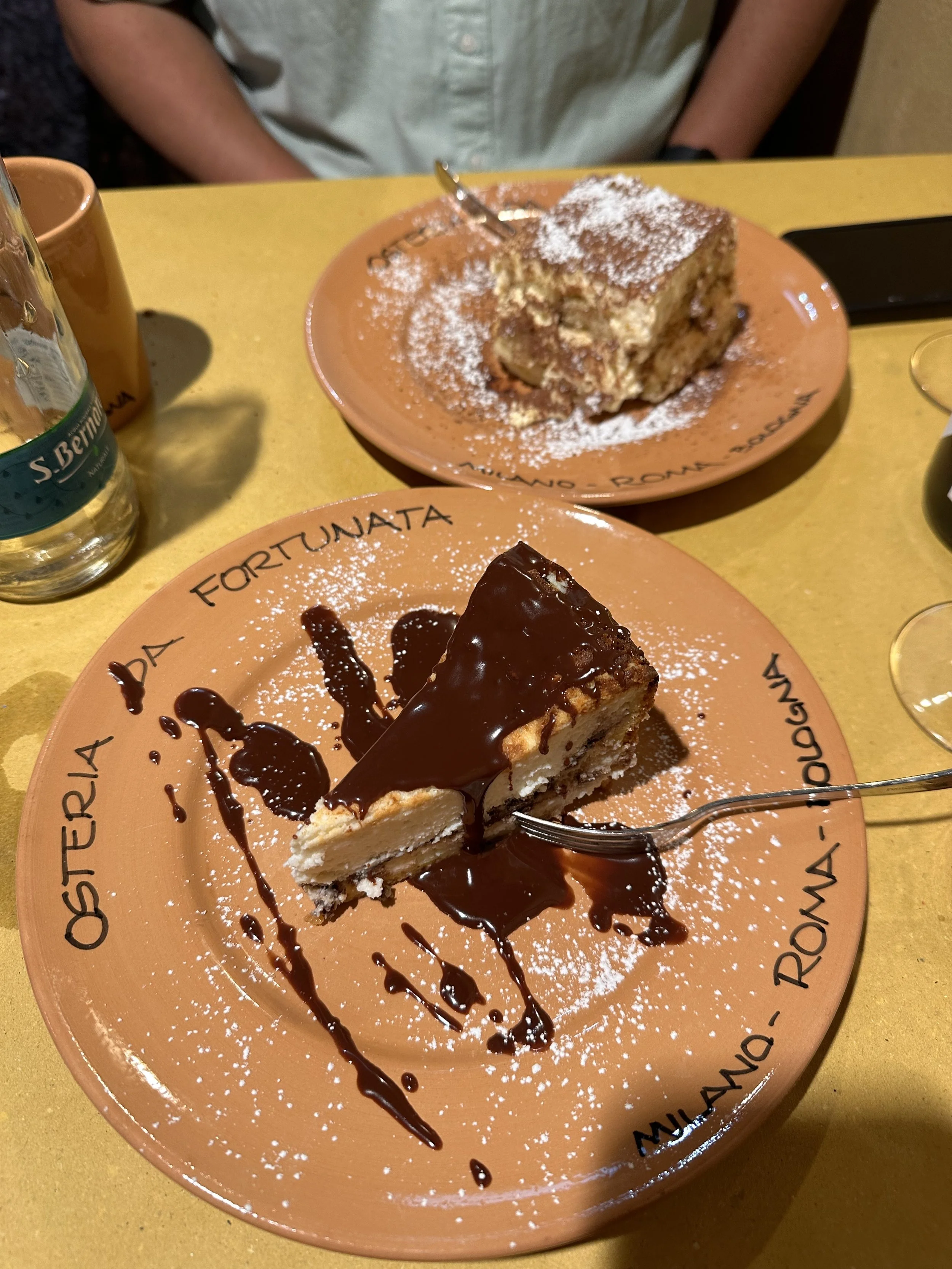
This is the one. Hands down the best pasta my husband and I have ever eaten, and I am including every mom and pop Italian spot in San Diego we have spent years loving.
We split a bottle of wine, which was excellent, and ordered the cacio e pepe and a red sauce pasta, and both arrived at the table operating on a level I did not know pasta could reach. The cacio e pepe especially. There was a line to get in and we stood in it and it was completely worth it. Dessert was where it got interesting. We had tiramisu and I genuinely wondered whether every tiramisu I had eaten before this had simply been wrong, and this was what it was supposed to taste like the whole time. We also had something that looked like a cheesecake under a layer of chocolate sauce. No complaints about any of it.
Go hungry. Wait in the line. Order the cacio e pepe.
A Note on the Tourist Trap Meal
I am not going to name the place near the Duomo where we had lunch on day two because I do not think it exists anymore, but the lesson is worth keeping. It was mid. Genuinely worse than the Italian food we eat at home in San Diego. It was steps from the cathedral, which is exactly why it could afford to be mediocre. The restaurants closest to the major sights in Milan are the ones with the least reason to try. Walk a few streets in any direction before you sit down to eat and your odds improve dramatically.
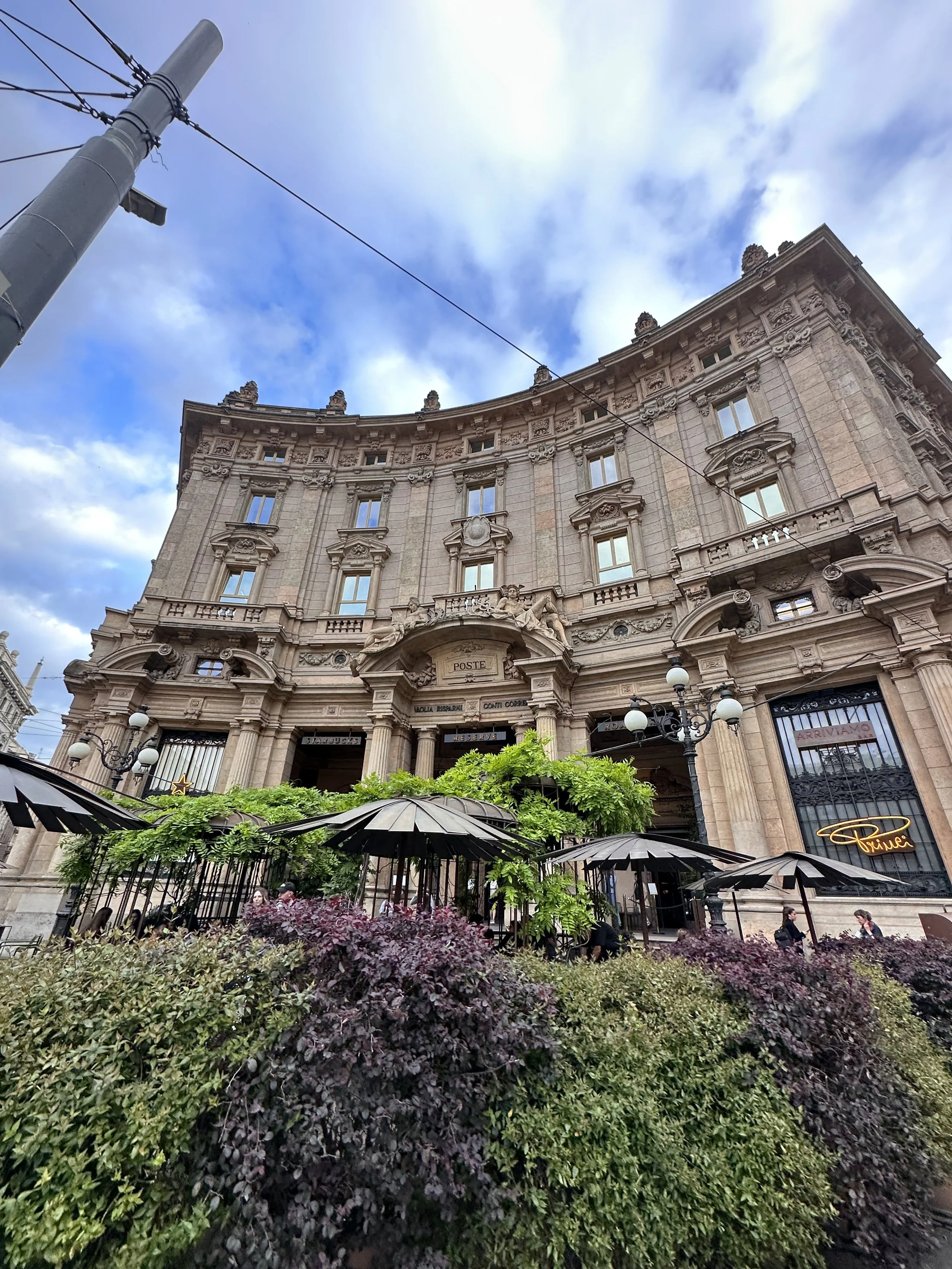
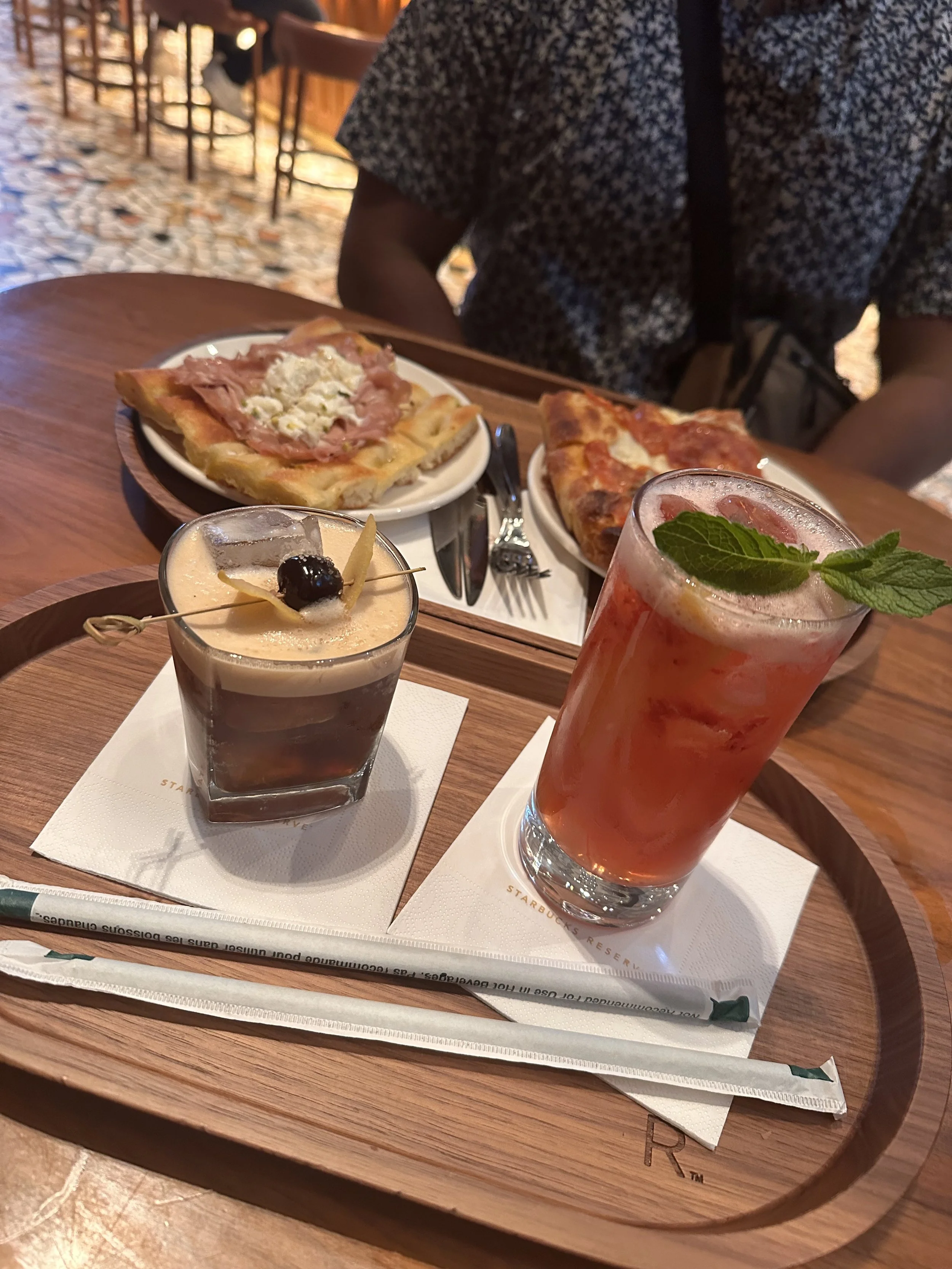
Hear me out. The Starbucks Reserve Roastery in Milan is housed in a former post office and it is genuinely worth seeing, even if you would never normally set foot in a Starbucks on a trip to Italy. We had been to the Reserve Roastery in Tokyo, and while the exterior here is completely different, the interior has the same scale and theater to it, and the drinks were just as good. We had a bourbon based cocktail and something that looked like strawberry with mint, and both were excellent. The food, less so. Go for a drink and the building, not a meal.
Aperitivo in Navigli
Milan's aperitivo culture is one of the best things about the city and Navigli, the canal district, is where to experience it. The idea is simple. You order a drink in the early evening and it comes with food, sometimes a small spread, sometimes something closer to a full buffet depending on the bar. Find a spot along the water, order a Negroni or an Aperol spritz, and let the evening settle in. This is how Milan transitions from day to night and it is worth building an evening around.
What to Try at Least Once in Milan
Cacio e pepe done properly, which after Osteria da Fortuna became the bar against which I now measure all other versions.
Risotto alla Milanese, the saffron risotto that is the dish most specific to this city. Rich, golden, and completely Milanese in a way you will not find done the same anywhere else.
A proper aperitivo in the early evening, ideally along the canals in Navigli. Not just the drink. The whole ritual of it.
Panettone if you happen to be visiting around the holidays. The sweet domed bread is originally Milanese and the version you get here bears little resemblance to the boxed kind that shows up elsewhere.
And one real Italian coffee standing at a bar, ordered the way the locals do. An espresso, taken quickly, on your feet. It costs almost nothing and it is one of the small things that makes you feel briefly like you belong here.
What to Pack for Your First Trip to Milan
The first thing I noticed when we landed in Milan, before the architecture, before anything, was the shoes. Everyone was wearing designer sneakers. Not athletic shoes, not the practical walking shoes you see on tourists, but clean, expensive, deliberate sneakers worn by people who clearly considered them part of the outfit. I had read that footwear matters more in Europe than it does at home in San Diego, and Milan, the fashion capital of the country, proved it within minutes of arrival. You do not need to buy designer anything. But Milan is a city that pays attention to how people present themselves, and packing with a little more intention than usual will make you feel less like a visitor.
Weather (Quick Reality Check)
We visited in May and it was close to ideal. Warm during the day, cooler in the evenings, comfortable for walking. Milan summers from July onward get genuinely hot and humid, the kind of heat that makes long days on foot harder than they need to be. Spring and early fall are the strongest windows for a first visit. Winters are cold and gray, though the city has its own appeal in the lead up to the holidays.
Core Items for Milan
Clean, presentable shoes you can also walk in. This is the one piece of Milan-specific advice that matters. The city is walkable and you will cover real ground, but it also notices footwear in a way few places do. A pair of nice sneakers or comfortable leather shoes covers both.
Layers for the day to evening shift. Milan warms up in the afternoon and cools off after dark, and a light jacket for the evening makes the aperitivo hour more comfortable.
Something slightly dressier for dinner. Milanese restaurants and bars lean polished, and you will feel more at ease in something put together than in full tourist mode.
Modest clothing for the Duomo and the Last Supper. Both require covered shoulders and knees. This is enforced. A light scarf or layer you can add at the door handles it.
A crossbody bag that zips, and keep it zipped. We watched someone get pickpocketed on the train in Milan, which turned the standard European travel warning into something we took a lot more seriously for the rest of the trip. The crowded trams and the busy areas around the Duomo are where it happens. Keep your bag in front of you and closed.
A portable charger. Between the Duomo terraces, the Galleria, and a city that is genuinely photogenic at every turn, your phone will not make it through the day otherwise.
The First Time Europe Made Sense
I had been to Japan before Europe, so I thought I knew what it felt like to be somewhere that rearranged my sense of the world. But Japan is the future, and being overwhelmed by the future is a different feeling from being overwhelmed by the past.
Milan was the past. And the moment it fully landed was inside the Duomo.
We had climbed the rooftop first, up among the spires and the statues, close enough to centuries-old carvings to see the tool marks, and that alone was enough to make me quiet. Then we went inside. I am Christian, though not in a way that usually takes up much space in my daily life, and I was not expecting the interior of a cathedral to do anything to me beyond impress me.
It did more than impress me. The stained glass ran the full height of the building. Somewhere a choir was singing, faintly, and the sound moved through the stone in a way that felt like it was coming from the building itself rather than from any particular direction. The columns went up further than seemed structurally reasonable. The painted dome, the marble, the gold. I stood in the middle of it and felt something I did not have a word for and still mostly do not. The closest I can get is that it was the nearest to God I had ever felt, and I was not looking for that feeling when I walked in.
It is easy to be cynical about the famous things. The Last Supper had its strict rules and its crowds. The Galleria had its luxury labels. Milan can feel, in places, like a city that is performing its own reputation back at you. But the Duomo is not performing anything. It has been standing there for 600 years doing exactly what it was built to do, which is make a person feel small in a way that does not diminish them.
That was my first European city. I could not have asked it to introduce the continent any better than it did.
Itinerary for Your First
Trip to Milan
Milan moves quickly and rewards a willingness to keep up with it. Two days covers the essentials well if you are deliberate about it. The one thing you cannot improvise is the Last Supper, so let me say it once more before the itinerary starts: book that the moment your dates open in the system, months ahead, before anything else.
Day 1 - Arrive, the Galleria, and the
Last Supper
Afternoon: Arrival
However you arrive, the train into Milano Centrale is a fitting introduction. The station itself is worth looking up at before you rush through it. If you are coming from Malpensa airport, the shuttle bus to Centrale is straightforward and cheap. From there the metro or a short taxi gets you to the center.
Check in, drop your bags, and head toward the Duomo area to get your bearings. Your hotel, if you have followed the advice in Section 3, is walking distance from most of what matters.
Late Afternoon: Galleria Vittorio Emanuele II
Make your way to the Galleria for an early dinner or late lunch under the glass roof. You can eat well here without spending a fortune if you choose carefully, and the building itself is the reason to be here. Walk the arcades slowly. Watch how put together everyone around you is. Let Milan introduce itself.
Evening: The Last Supper
Time your Last Supper slot for late afternoon or early evening. Arrive early, exchange your voucher or confirm your booking, and pay attention to the rules, because they are strict and enforced. Once inside you have fifteen minutes. Spend the first few facing Leonardo, then turn around and give Montorfano's Crucifixion the attention almost nobody does. Then head back toward the hotel for an early night. Tomorrow is the full day.
Day 2 - The Duomo, La Scala, and Navigli
Morning: The Duomo
Book your Duomo ticket through Get Your Guide for around 9 AM and start with the rooftop terraces before the day heats up and the crowds build. Climb up among the spires, take in the detail and the views, and on a clear day look for the Alps in the distance. Then go inside and give the interior real time. Do not rush it. This is the high point of the trip and it deserves more than a walk-through.
Late Morning: Piazza Cordusio and Coffee
Walk the few minutes to Piazza Cordusio and the L.O.V.E. sculpture in front of the stock exchange. Grab a coffee nearby. The Starbucks Reserve Roastery is in this area if you want to see the building, though a local café will serve you a better and cheaper espresso.
Midday: Teatro alla Scala
Head to La Scala for a guided tour. Walk through the museum and out into one of the box seats. Give yourself time to stand there and picture it full. Find the Inganni painting of the theatre from 1852 in the collection.
Afternoon: Sforzesco Castle and Sempione Park
A short walk brings you to Sforzesco Castle. Explore the grounds, which are free, and the museums if you have the interest and the time. Behind it, Sempione Park is the place to slow down for an hour. Pick up something to eat, find a bench, and recharge before the evening.
Evening: Navigli and Aperitivo
Head south to the Navigli canal district as the evening starts. Find a spot along the water, order an aperitivo, and let the food and the drink and the buzz of the neighborhood carry you into the night. This is the best version of a Milan evening and the right way to end the trip.
Late: The Walk Home
The thing I remember most from our last night was not a bar we went into but the ones we walked past on the way home. People spilling out onto the sidewalks, dressed effortlessly, smoking, talking, moving in and out of doorways without any of the sloppiness you would see at home. Chic and casual at the same time in a way that felt completely specific to this city. Milan does not turn off when the restaurants close. It just changes outfits. Walk home slowly on your last night and watch it happen.
If You Have More Time
Milan works as a base for day trips that are genuinely worth the train ride. Lake Como is under an hour away and one of the most beautiful places in the country. The town of Bergamo, with its walled upper city, is a quieter and underrated half day. If you have a third day, either one is a strong use of it.