
Your First Time in
Tokyo, Japan
Tokyo is in the future and we are all trying to catch up.
That sounds like an exaggeration until you land. Then you take the train from the airport into the city and something strange happens. You look up at the signs on the buildings, the characters on the platform screens, the text everywhere around you, and your mind goes completely quiet. In Europe, even when you do not speak the language, your brain still tries to sound out the words because the letters are familiar. In Tokyo the characters give it nothing to work with. The silence inside your own head in the middle of one of the busiest cities on earth is one of the most disorienting and unexpectedly peaceful things you will experience on the whole trip.
And then you step outside and the city begins.
Tokyo is enormous, efficient, spotlessly clean, and completely unlike anywhere else you have ever been. Zero homeless people. No trash cans anywhere except inside Starbucks, which is somehow fitting. Streets that feel safe at any hour, including dark alleys that a woman can walk through alone without a second thought. A train system so complex it has its own designated expert, and so punctual it makes Switzerland look casual. Food from a 7-Eleven that is genuinely better than most restaurants back home.
It is also a city that will exhaust you in the best possible way. Twenty thousand steps a day is not an exaggeration. There is simply too much to see and the city keeps revealing new layers every time you think you have figured it out.
Five days is enough to get the shape of Tokyo. Seven would be better. Either way you will leave wishing you had more time.
A Brief Look At
Your Itinerary
The full itinerary is at the bottom of the page when you are ready.
-
The first day covers more ground than seems possible after a long flight. Meiji Shrine and Yoyogi Park in the morning, Shibuya Crossing, the Hachiko Statue, and Shibuya Sky in the afternoon, and the Nakameguro Canal at night when the cherry blossoms are lit up and the city feels like something out of a dream. Start slow and let Tokyo come to you.
-
The cherry blossom day. Shinjuku Gyoen is the best spot in Tokyo for sakura and deserves the full morning. The Imperial Palace gardens and Chidorigafuchi Moat follow in the afternoon, and the night ends in the narrow bars of Piss Alley and Golden Gai, which feel less like a neighborhood and more like a video game you are trying to navigate in real time.
-
The morning belongs to Meguro. Starbucks Reserve on the canal and the Peanuts Cafe. The afternoon is Disneyland. We did a half day and regretted it. Book the full day.
-
The unexpected highlight of the whole Tokyo leg. Everything went wrong and it ended up being one of the best days of the trip. Full details in the itinerary below and on the Mt. Fuji day trip page.
-
The culture day. Cherry blossoms at Ueno Park, one of the most visually overwhelming art experiences you will ever have at teamLab Planets, the oldest temple in Tokyo at Asakusa, and the tallest structure in Japan at Tokyo Skytree. The most packed day of the trip and worth every step.
What to See on Your Visit to Tokyo
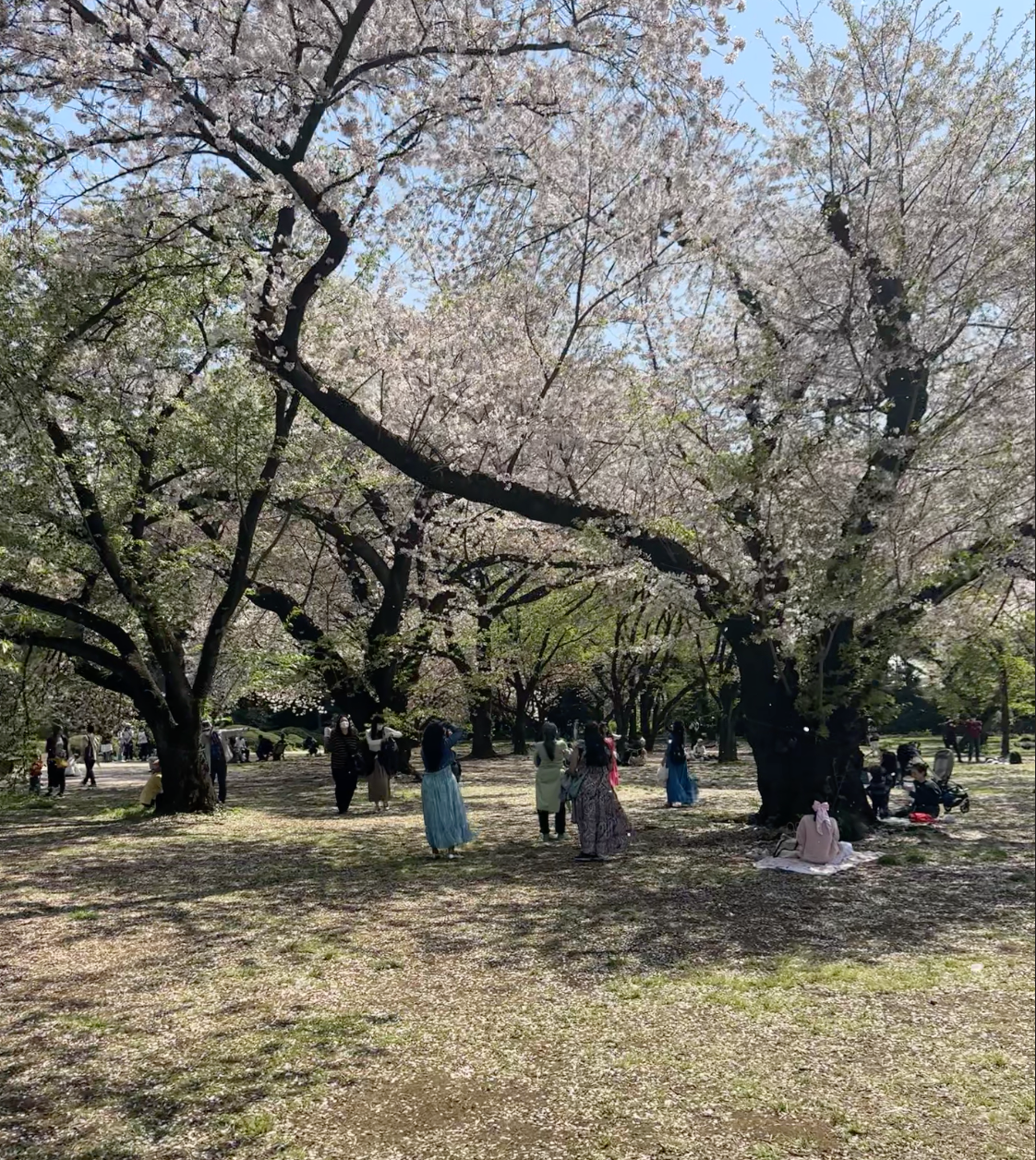
If you are visiting Tokyo during cherry blossom season, this is the most important stop on the list. Over 1,000 cherry trees across 58 hectares in the middle of the city, with a mix of Japanese, French, and English garden styles that give you something different around every corner. The sakura here is the best in Tokyo, which is saying something in a city that takes cherry blossom season extremely seriously.
There is an entrance fee which keeps the crowds slightly more manageable than some of the free parks. Go in the morning, bring something to sit on, and do not rush it. This is the place to actually stop moving for a while and let the city settle around you.
Meiji Shrine and Yoyogi Park
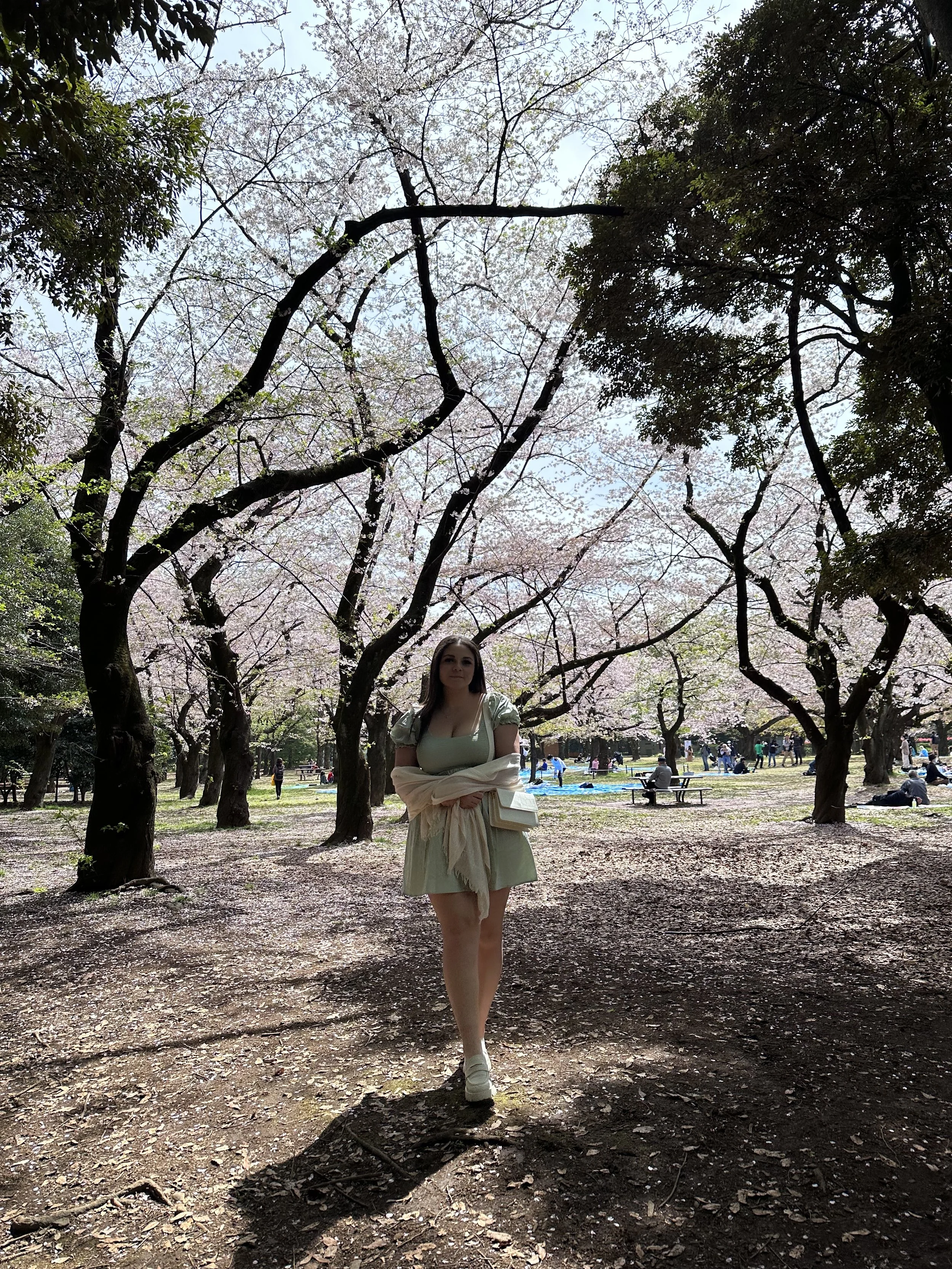
Meiji Shrine sits inside a forested area in the middle of Harajuku, which means you walk through towering trees to reach it and the city disappears completely around you. The shrine itself is one of the most important Shinto shrines in Japan and the self-guided audio tour is worth doing because it gives you context for what you are looking at rather than just wandering through.
Yoyogi Park is directly next to the shrine and is one of the largest green spaces in Tokyo. During cherry blossom season it is covered in pink and full of locals having picnics, playing music, and doing exactly what you should be doing. The City Sandwich food truck does strawberry and egg sandwiches that are worth stopping for. Simple, fresh, and completely delicious.
Shibuya Crossing and Shibuya Sky
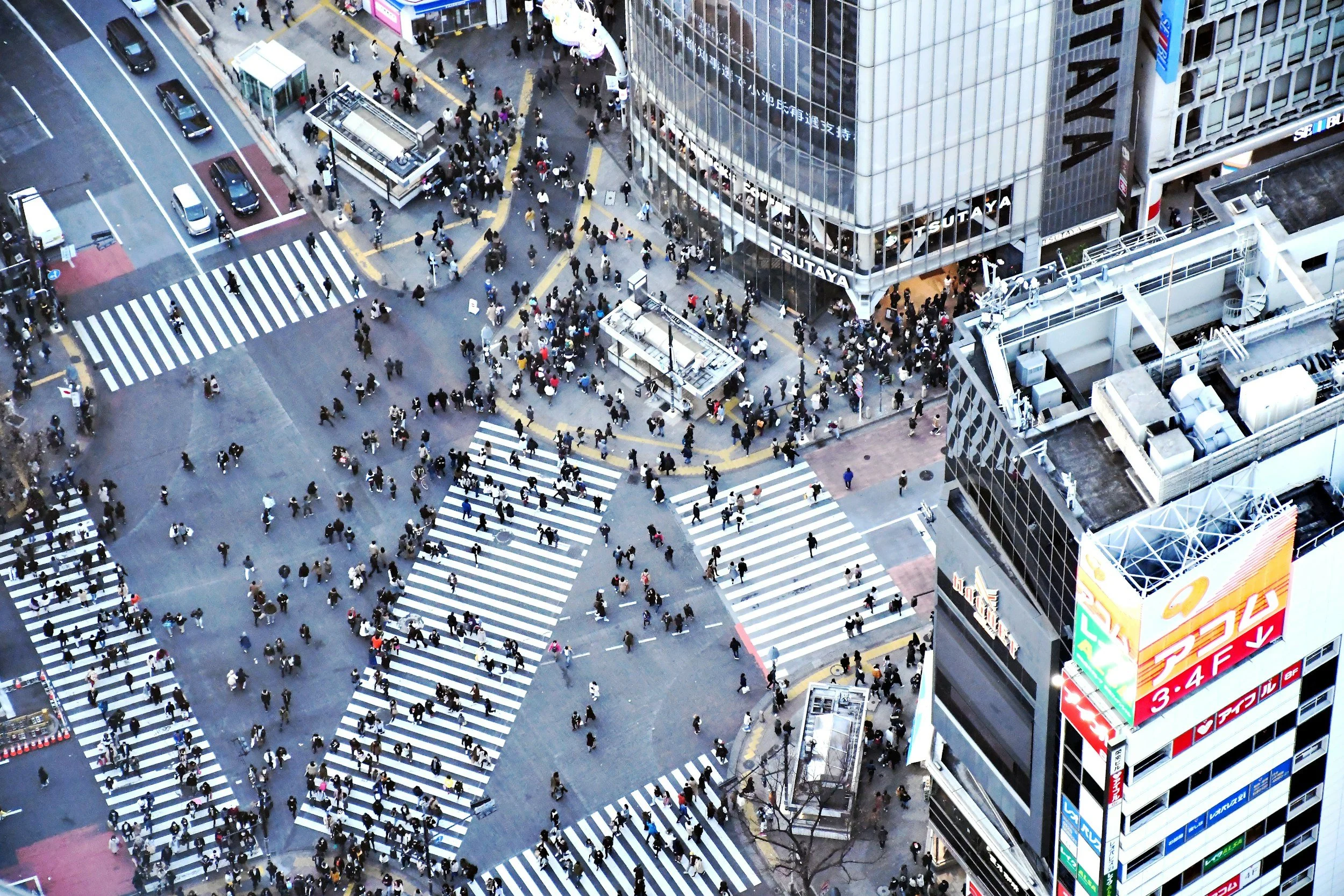
Shibuya Crossing is the most famous intersection in the world and seeing it in person is one of those moments where the scale of something you have seen in photographs finally makes sense. Stand at the edge and watch the light change. Hundreds of people crossing from every direction simultaneously, perfectly organized, nobody bumping into anyone. It is controlled chaos and it is completely mesmerizing.
Shibuya Sky is the observation deck on top of Shibuya Scramble Square and gives you the best view of just how vast Tokyo actually is. On a clear day the city stretches to the horizon in every direction with no end visible. Book tickets in advance. The outdoor roof deck specifically is worth the extra few minutes even if the wind is strong
Nakameguro Canal
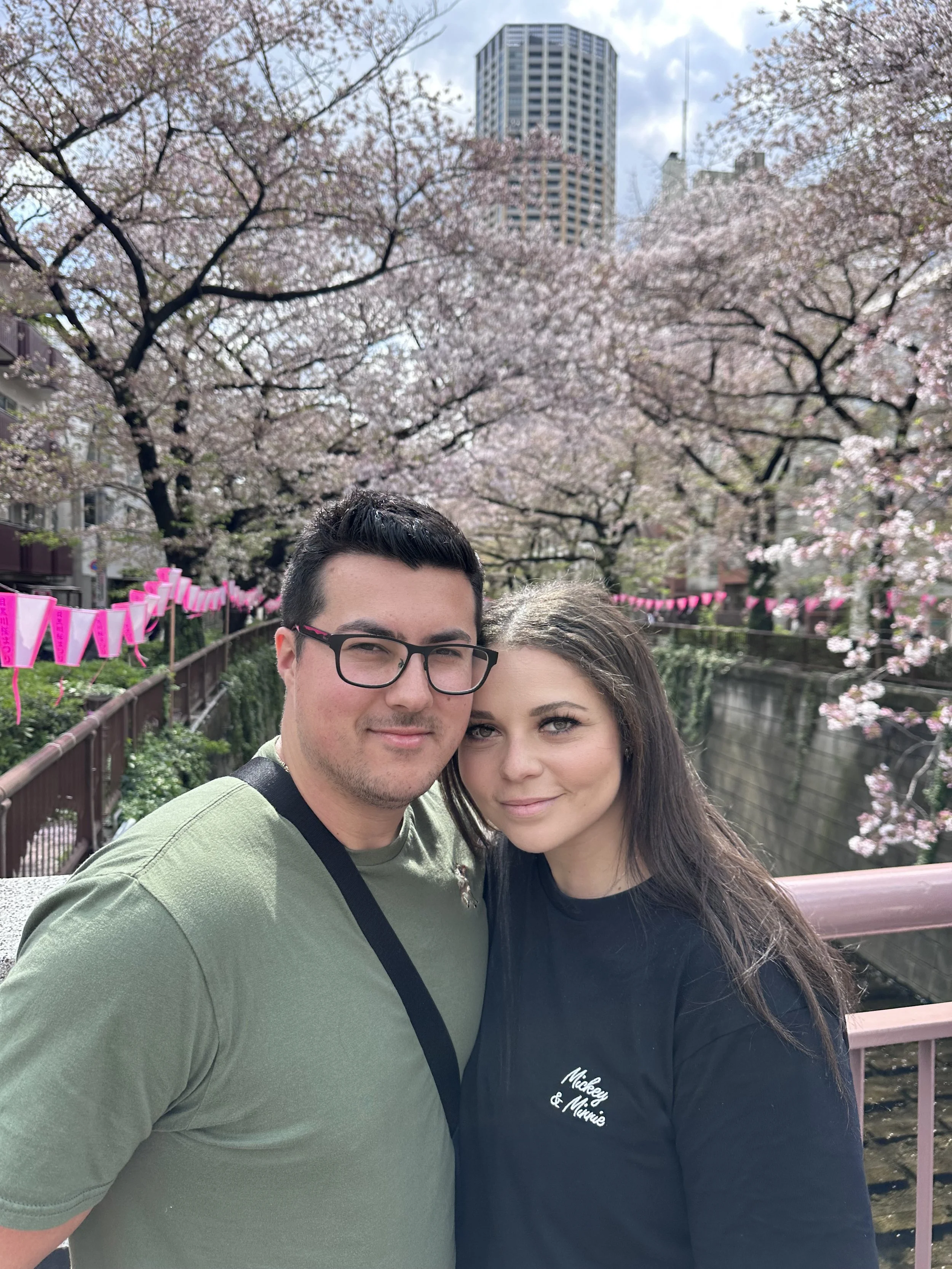
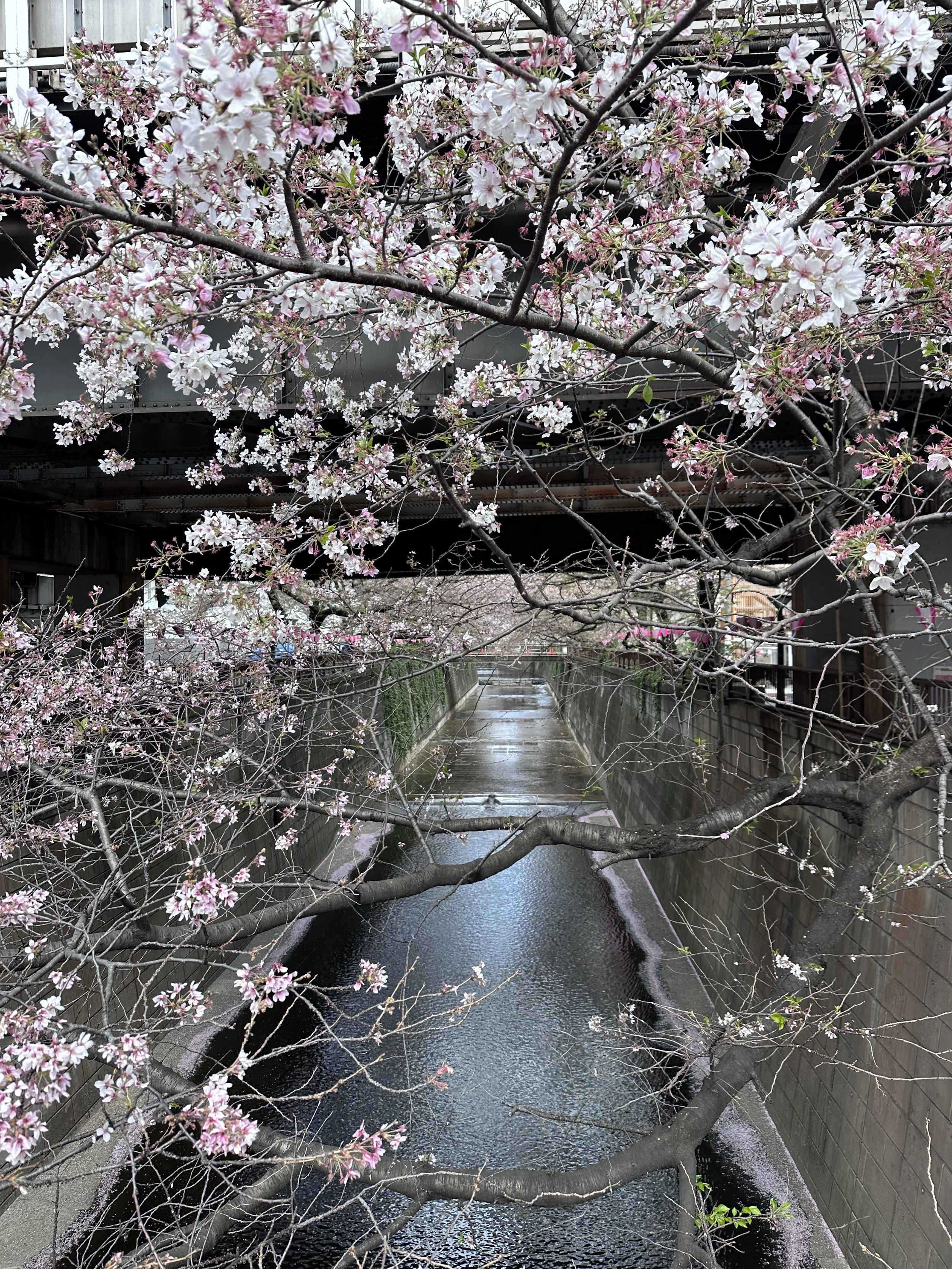
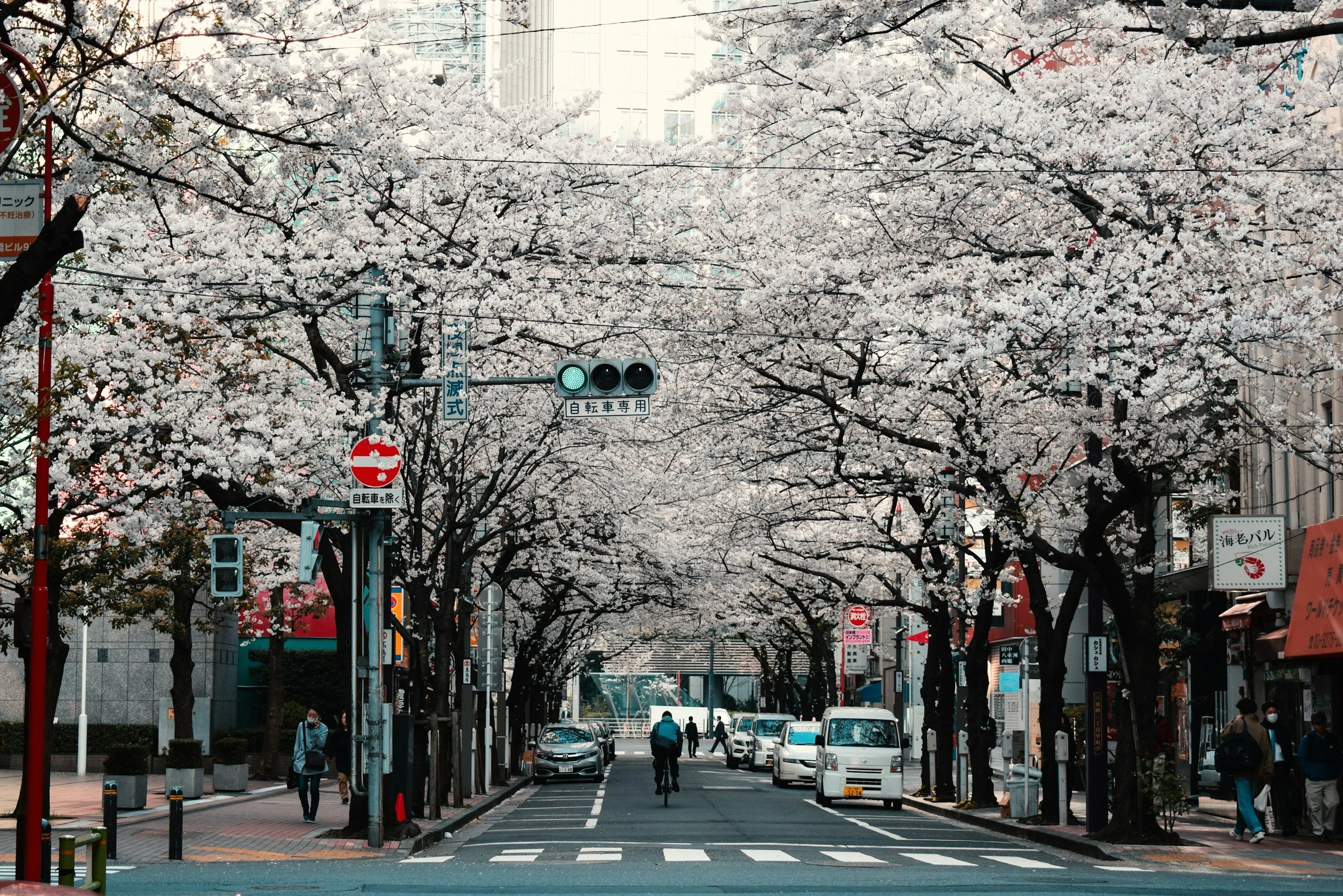
This is the cherry blossom spot that stays with you. A narrow canal lined with cherry trees on both sides, the branches meeting overhead to form a tunnel of blossoms. During sakura season the trees are lit up at night and the petals fall into the water and drift along the canal and the whole thing looks like something your brain invented rather than something that actually exists.
It gets crowded. Go anyway. Walk slowly and do not check your phone.
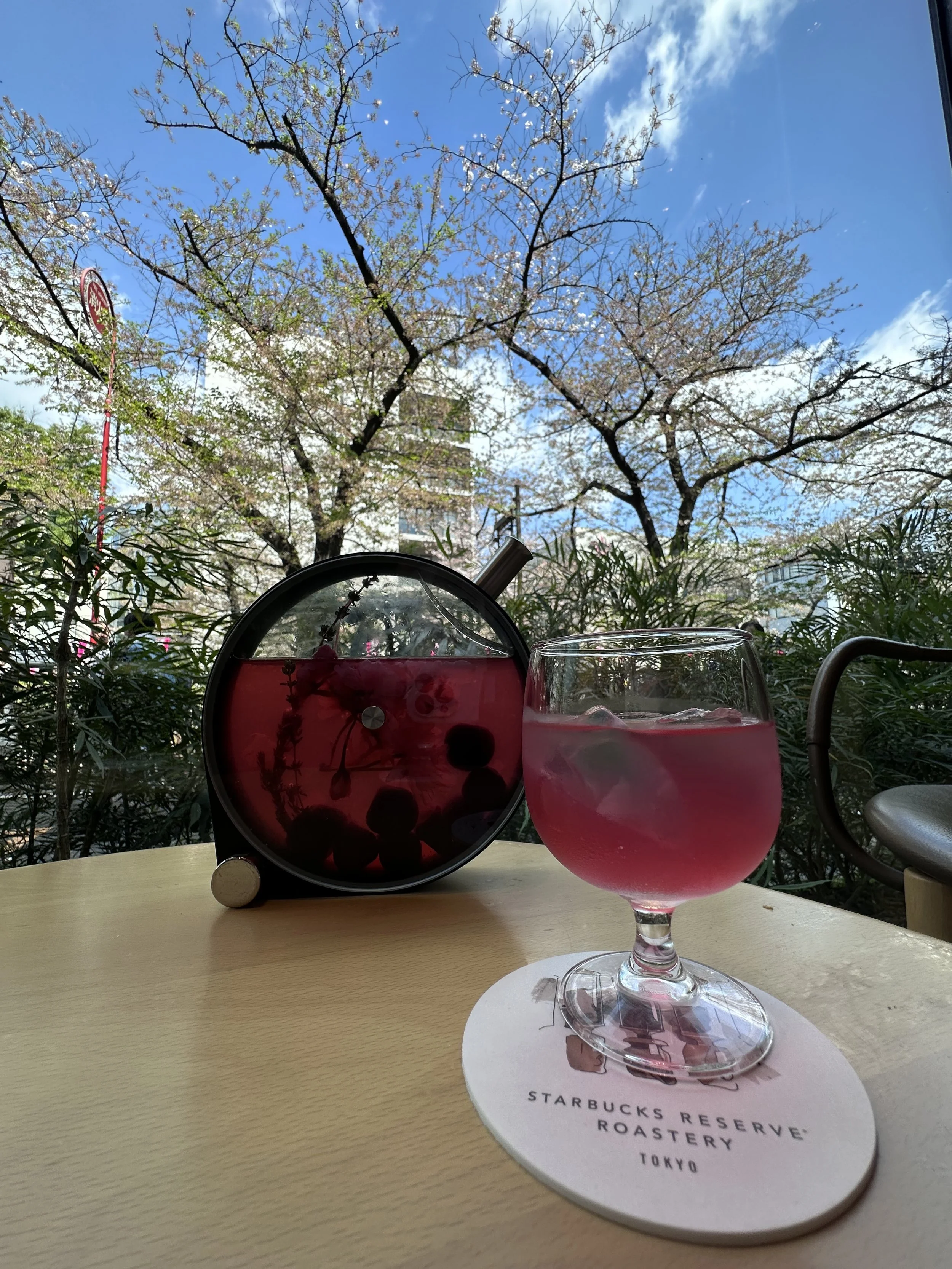
The Starbucks Reserve Roastery Tokyo is right on the canal and is one of only six in the world. Four floors, a roasting factory at the top, a cocktail bar, a tea room, and a Milanese bakery on the ground floor. Go for a drink and stay for the terrace view of the blossoms. It closes at 10 PM.
Asakusa and Sensoji Temple
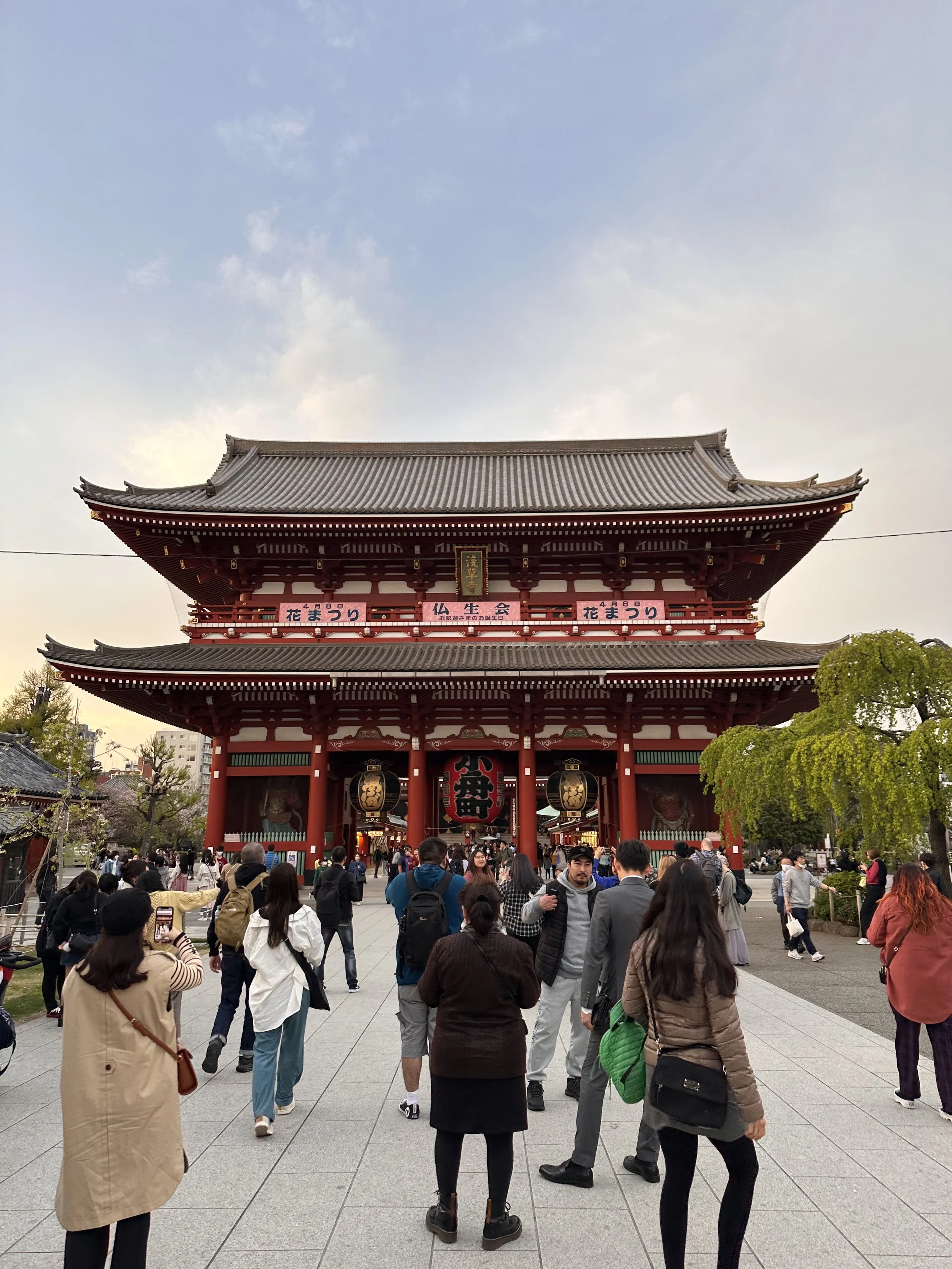
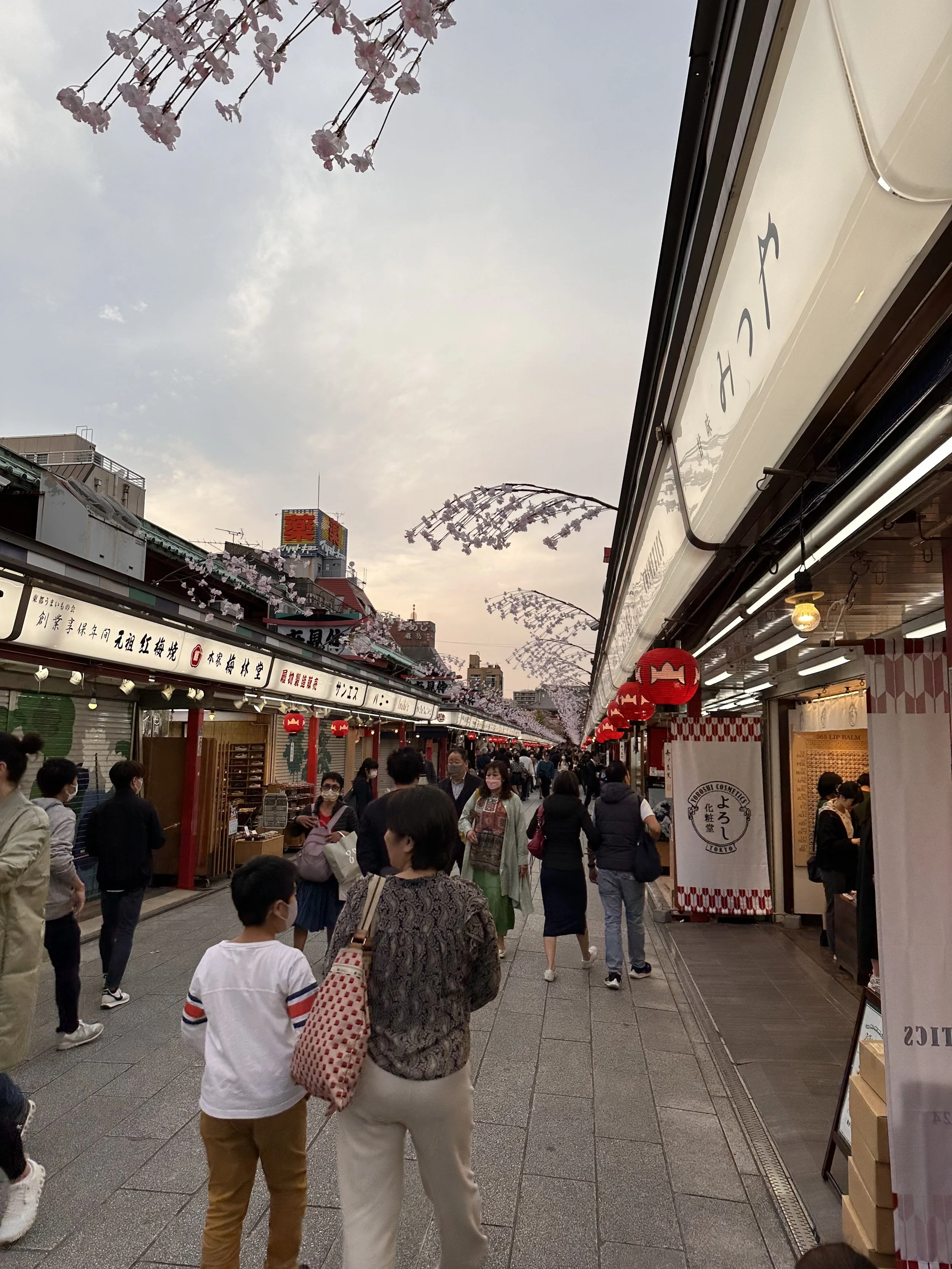
Sensoji is the oldest temple in Tokyo, built in 645, and the approach to it through the Kaminarimon gate and down Nakamise-dori shopping street is one of the most distinctly Japanese experiences in the city. The giant red lantern at the gate has become a symbol of Tokyo itself. Walk through slowly, try the strawberry daifuku from one of the stalls along the way, and spend time in the temple grounds before moving on.
Tokyo Skytree
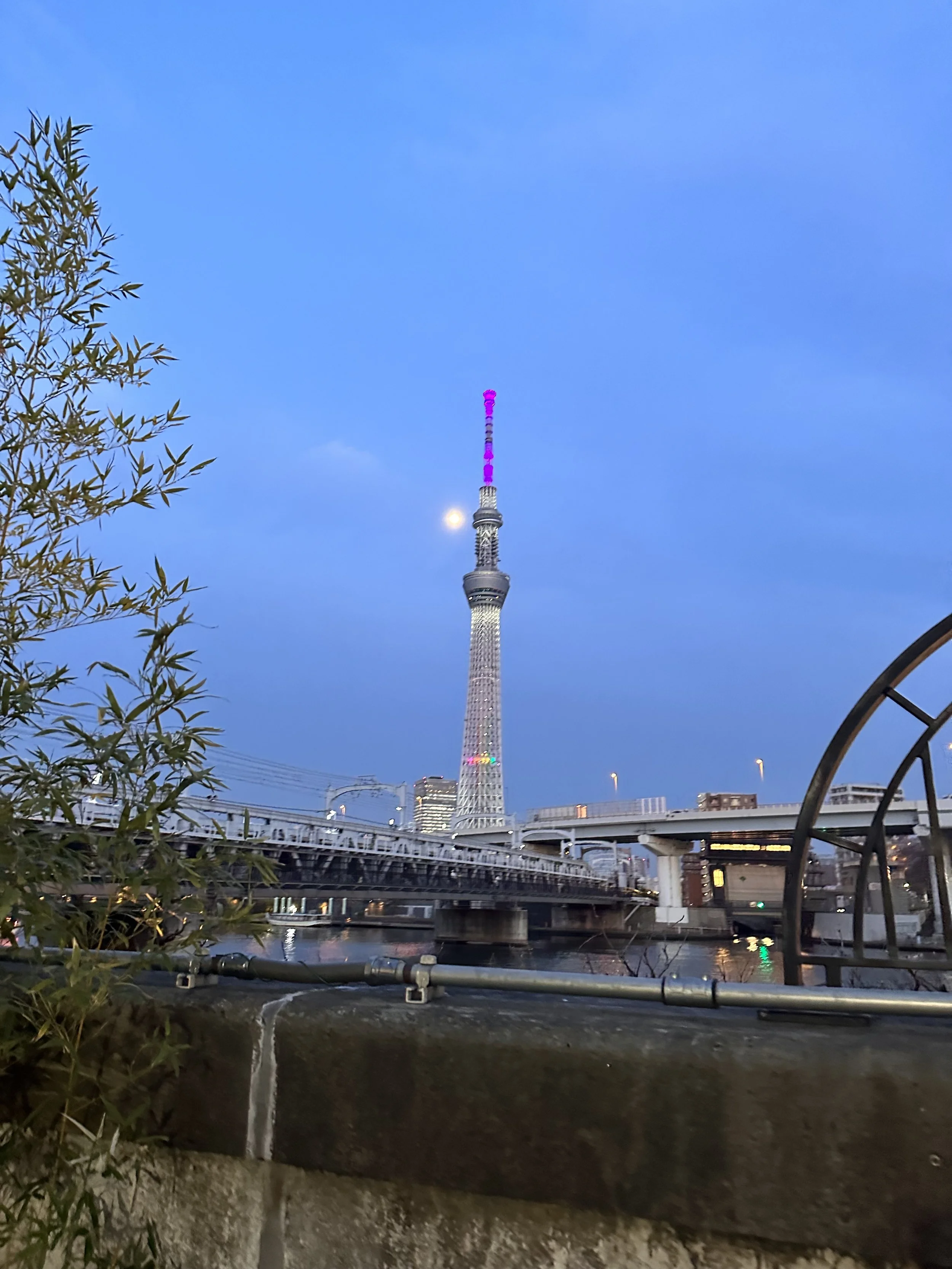
At 634 meters, Tokyo Skytree is the tallest structure in Japan. The observation decks at 350 and 450 meters give you a perspective on the city that Shibuya Sky cannot, simply because of the additional height. On a clear day you can see Mt. Fuji from the top. Book tickets in advance and go at sunset if you can time it.
Golden Gai and Piss Alley
These two sit next to each other in Shinjuku and together they feel like a different city from the Tokyo you spent the rest of the day in.
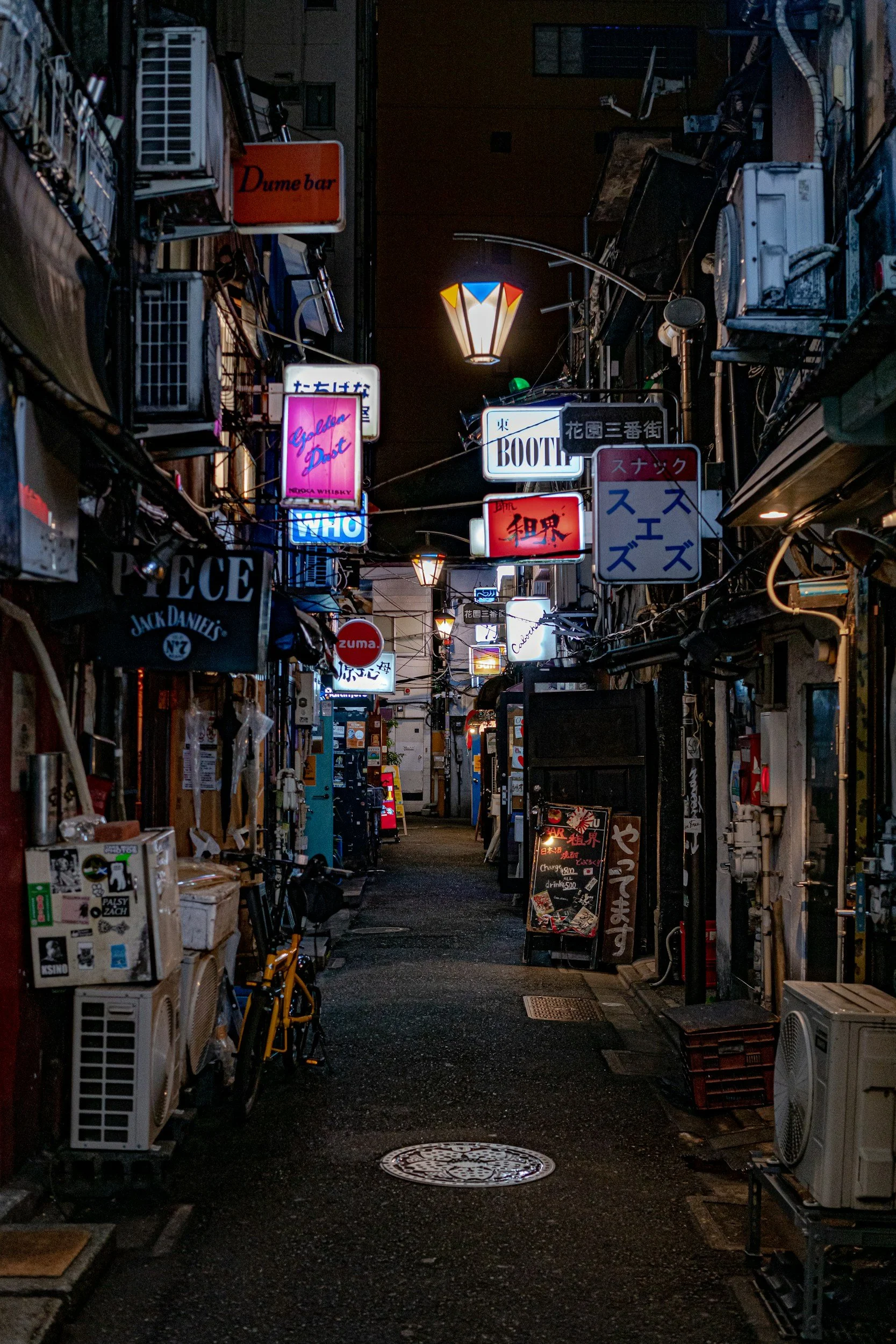
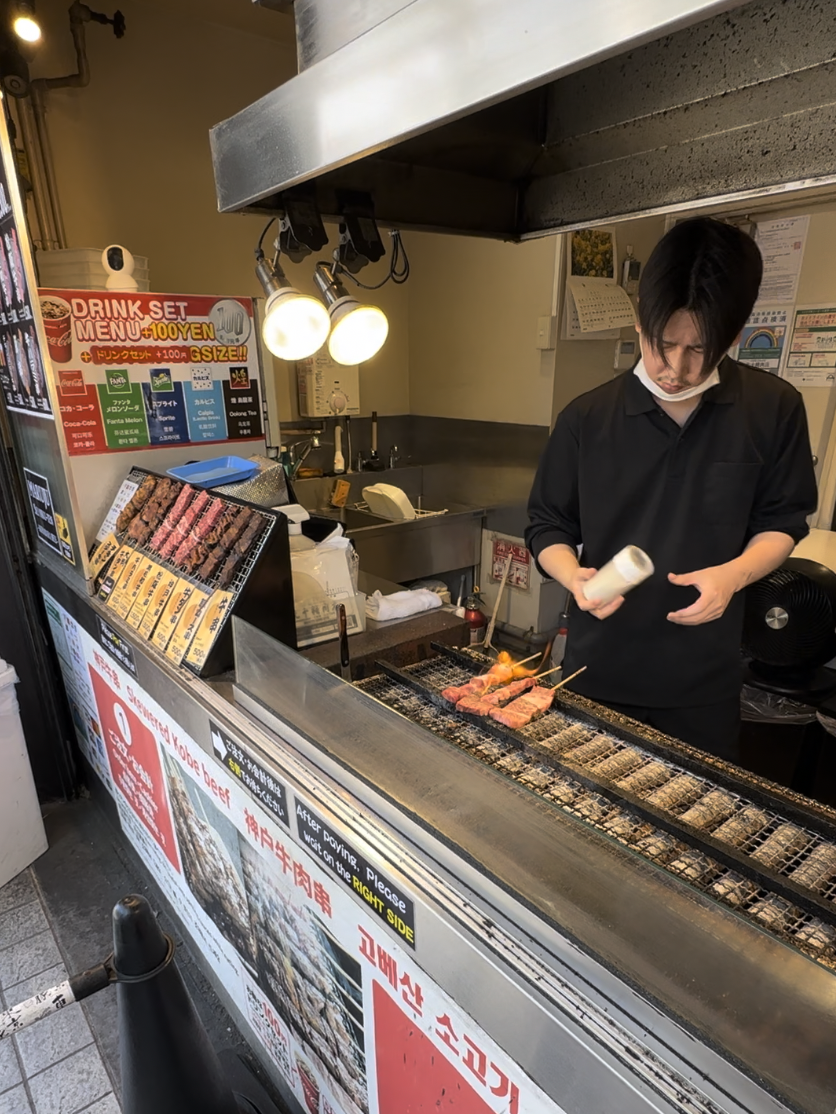
Piss Alley is a narrow alleyway of tiny yakitori stalls, open-fronted, with smoke and the smell of grilling meat filling the air. Less intimidating than Golden Gai and a great place to start the evening. Pull up a stool, point at something on the menu, and eat.
Golden Gai is a maze of around 200 tiny bars, most seating fewer than eight people, some regulars only, some with cover charges, some with handwritten English menus taped to the door. It feels like a video game where you are trying to find the right door to open. Nerve-racking in the best way. Look for bars with English signs or menus visible from the street and do not be put off if the first one does not work out.
Mt. Fuji and Lake Kawaguchiko Day Trip
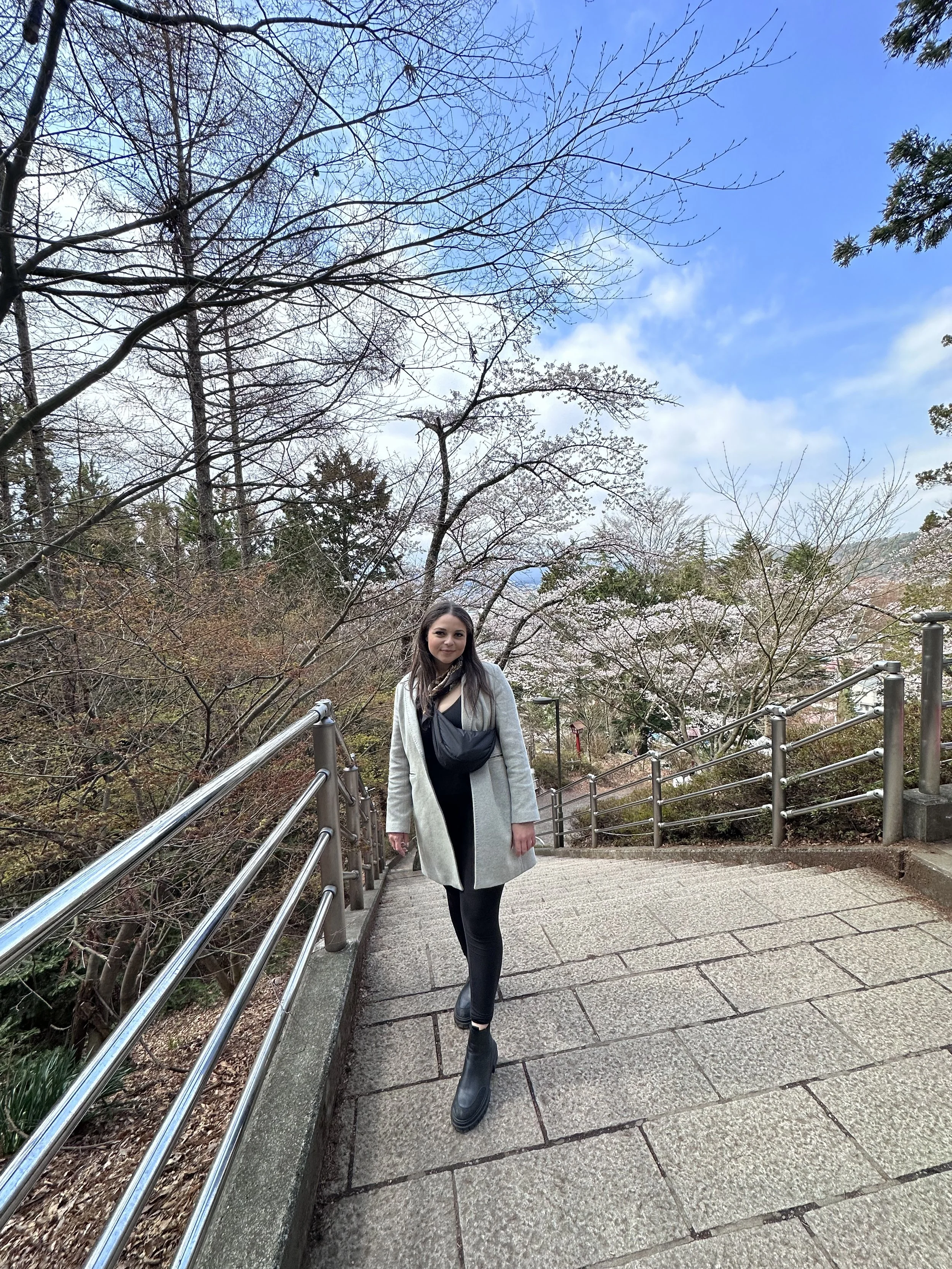
Everything went wrong on this day and it was still one of the best days of the trip. More details in the itinerary below and a complete guide on the Mt Fuji day trip page, but the short version is this: the bus system was not running, we missed our train back, and because of all of that we were still there when the clouds finally cleared and Mt. Fuji appeared. If the day had gone according to plan we would have been on a train heading back to Tokyo when that happened.
Book the Chureito Pagoda first, eat at Houtou Fudou where you sit on the floor and order the flat noodle stew, try the corn ice cream near the caves, and leave more time than you think you need.

Tokyo Disneyland
If you think you know what to expect because you have been to Disneyland before, you do not. The most surprising thing about Tokyo Disneyland is that there are no stanchions. No rope barriers, no zigzag queue lines forcing you through a maze. People just form their own orderly lines and wait. Coming from Southern California where the queue management infrastructure is its own engineering achievement, watching hundreds of Japanese visitors quietly and perfectly organize themselves without any physical guidance is genuinely one of the most remarkable things you will see in Japan.
Book a full day. A half day is not enough and you will spend the second half wishing you had more time.
Where to Stay Your First Time in Tokyo
Tokyo is enormous and where you stay shapes the trip more than almost any other city. The right base keeps everything manageable. The wrong one means spending significant time on trains just getting to the starting point of each day.
Shinjuku
Shinjuku is the most practical base for a first visit. It sits at the center of Tokyo's rail network which means almost everywhere is reachable without too many transfers. It is also one of the most energetic neighborhoods in the city, with everything from department stores and izakayas to the quiet backstreets of Golden Gai within walking distance.
Shibuya
Shibuya is slightly more polished and younger feeling than Shinjuku, with the crossing, the shopping, and some of the best bars in the city all immediately accessible. A good alternative base if you want to be slightly closer to Harajuku and Nakameguro.
Ginza
Ginza is the upscale option. Quieter, more refined, and closer to Asakusa and Tokyo Skytree on the eastern side of the city. Worth considering if you are doing a split stay and want a different base for the second half of the trip.
Asakusa
Asakusa has the most traditional feel of any central Tokyo neighborhood. Good if you want to be close to the temple and the older parts of the city, though slightly less convenient for the western neighborhoods.
Know the Neighborhoods
Hilton Tokyo in Shinjuku is where we stayed for the first five days. Not the most centrally located hotel in Shinjuku but a stunning property that we would stay at again without hesitation. Comfortable, reliable, and a solid base for the Tokyo leg of the trip.
Hyatt Centric Ginza Tokyo is where we stayed for the final two nights. Two minutes from Ginza Station which makes it one of the most convenient locations in the city for the eastern neighborhoods and the airport connection.
Park Hyatt Tokyo is the classic Shinjuku splurge, sitting on the top floors of a skyscraper with some of the best views in the city. If Lost in Translation is part of why you wanted to come to Tokyo, this is the hotel.
Hotel Suggestions
Japan as a whole has the freshest, cleanest, and best tasting food of any country I have ever visited. The quality of everything is consistently higher than you expect, including from places you would never take seriously at home.
Where to Eat & Drink on Your First Trip to Tokyo
Golden Gai and Piss Alley are covered above but deserve a mention here too because the eating and drinking is the whole point of going. In Piss Alley, pull up a stool and point at whatever is grilling. In Golden Gai, find a bar with an English menu visible from the street and squeeze in. Neither requires a reservation or a plan. Just show up.
Shinjuku
D47 Shokudo on the 8th floor of Shibuya Hikarie lets you eat your way across all 47 prefectures of Japan through a menu that changes based on region. Unusual, specific, and worth it for the concept alone.
Shibuya PARCO has an entire basement floor called Chaos Kitchen that takes the traditional Japanese yokocho alley concept and turns it into something contemporary and slightly overwhelming in the best way. Wagyu ramen, DIY teppanyaki, vegan izakaya options, and classic Japanese desserts all in one chaotic and colorful space.
The City Sandwich food truck in Yoyogi Park does strawberry and egg sandwiches that are simple and completely perfect. The kind of food that tastes better because of where you are eating it, sitting in a park full of cherry blossoms with the city humming around you.
Try the strawberry ice cream at Meiji Jingu on your way out of the shrine. Small, specific, and one of those things that sticks with you.
Shibuya and Harajuku
Nakameguro
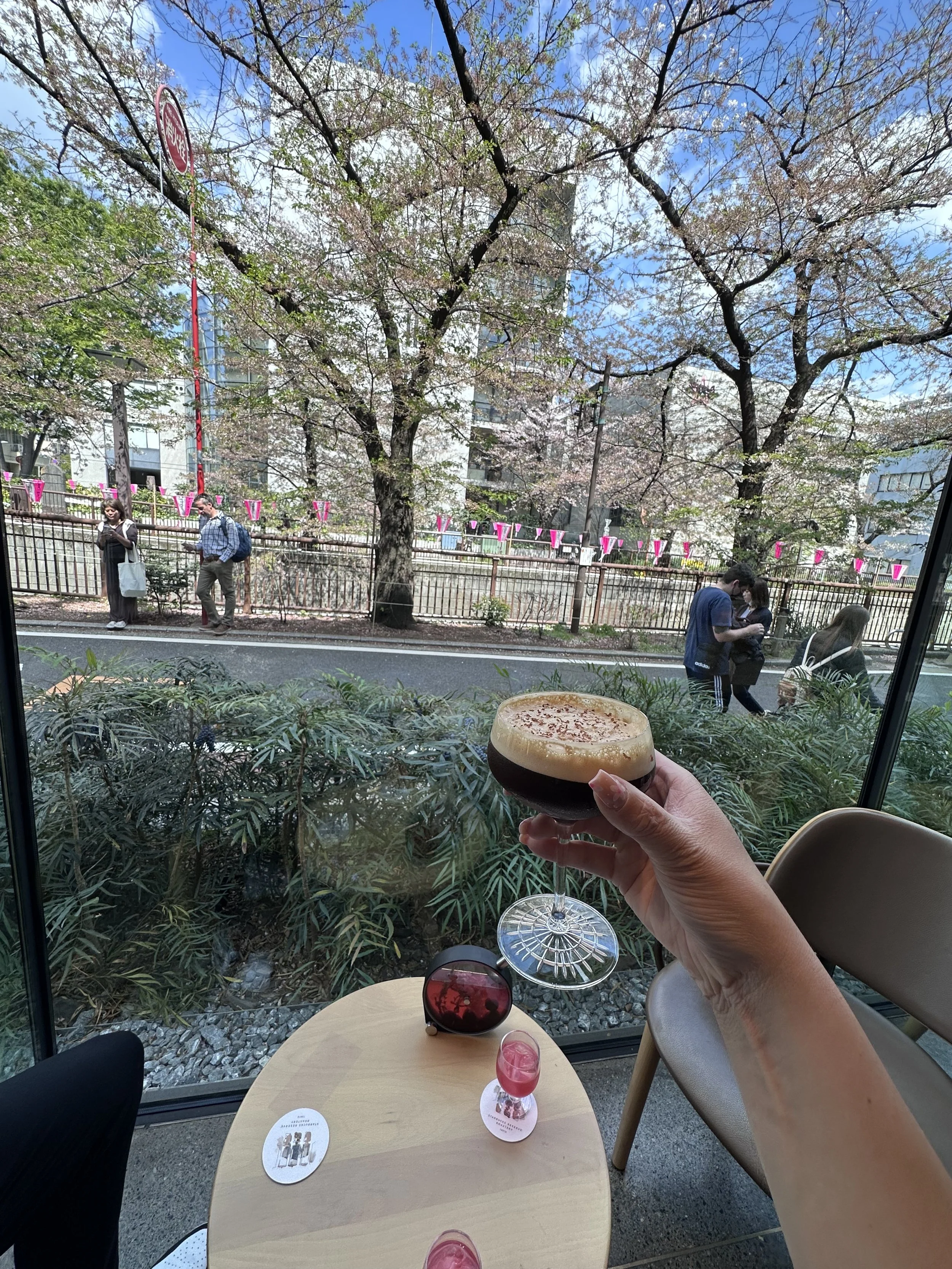
The Starbucks Reserve Roastery sits right on the canal and is one of six in the world. Four floors, a roasting factory at the top, a cocktail bar, a tea room, and a Milanese bakery on the ground floor. Go for a drink on the terrace during cherry blossom season and stay as long as they will let you. It closes at 10 PM.
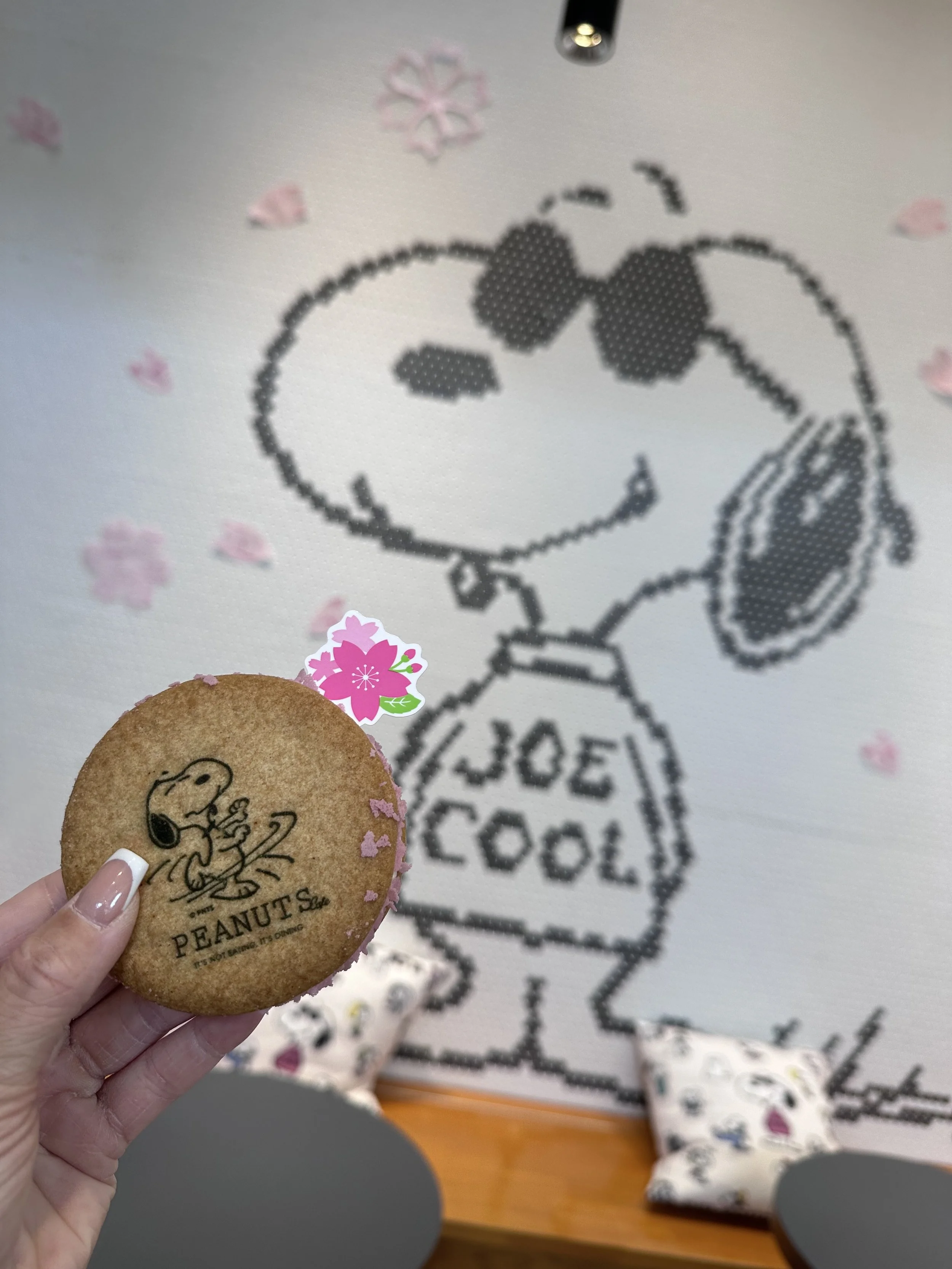
The Peanuts Cafe is nearby and worth a stop if you love Snoopy, which you should. The food is fine. The experience is delightful. They also sell peanuts, which made us laugh given that Knott's Berry Farm in California, whose entire identity is built around Snoopy and the Peanuts gang, does not. Our best guess is that someone translated "Peanuts" literally. Which tells you everything you need to know about the language barrier between Japanese and English.
Try the strawberry daifuku from one of the stalls along Nakamise-dori on your way to Sensoji Temple. Fresh, simple, and one of the better street food moments of the whole Tokyo trip.
The rotating sushi bar experience is worth seeking out anywhere in the city but the ones near Asakusa tend to be less tourist-focused than the central Shibuya options. The conveyor belt system means you can point at exactly what looks good without navigating a menu you cannot read. One note: if you order pufferfish, do not eat the bones. They are not meant to be crunchy. A friend learned this the hard way.
Asakusa
Mt. Fuji and Lake Kawaguchiko Day Trip
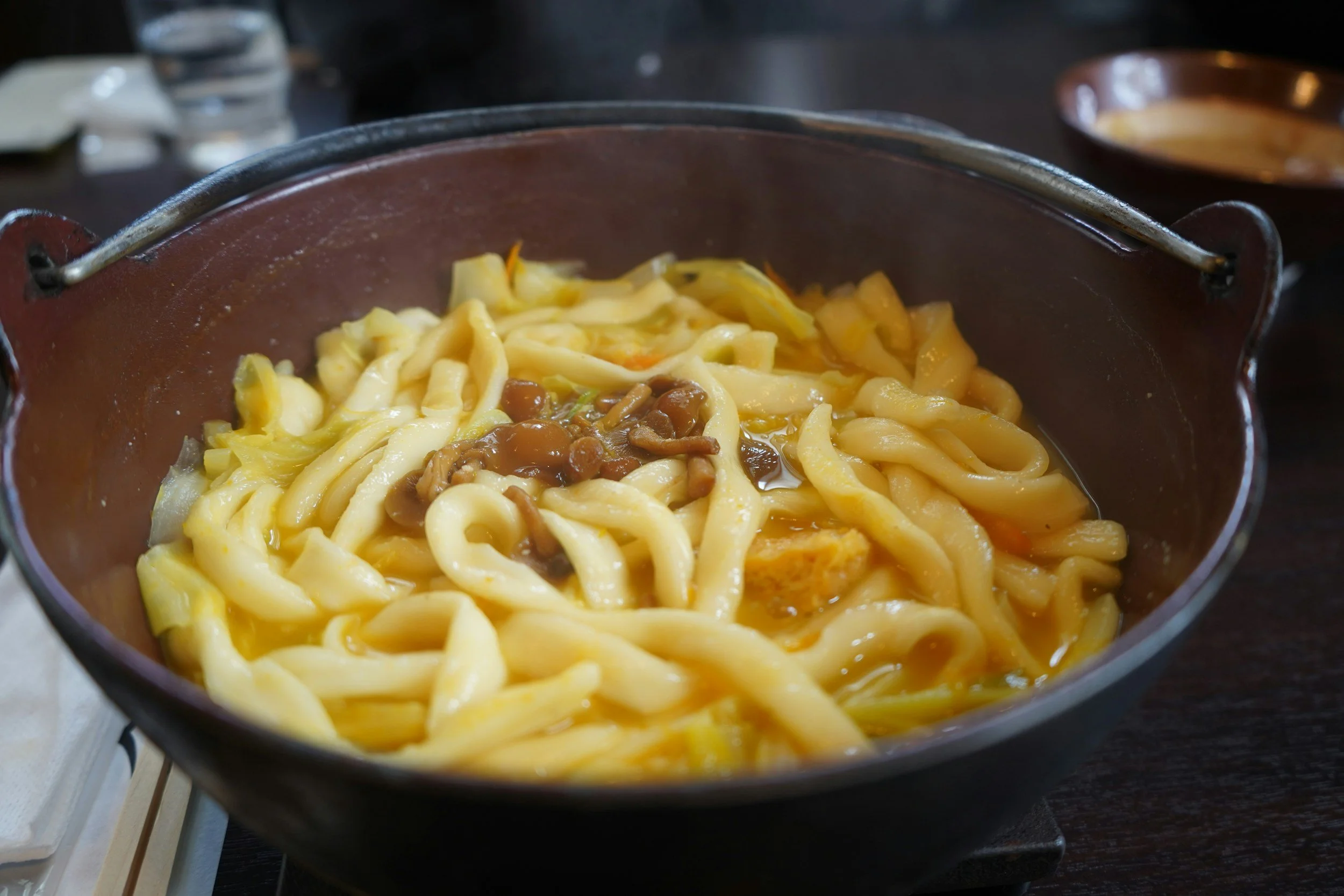
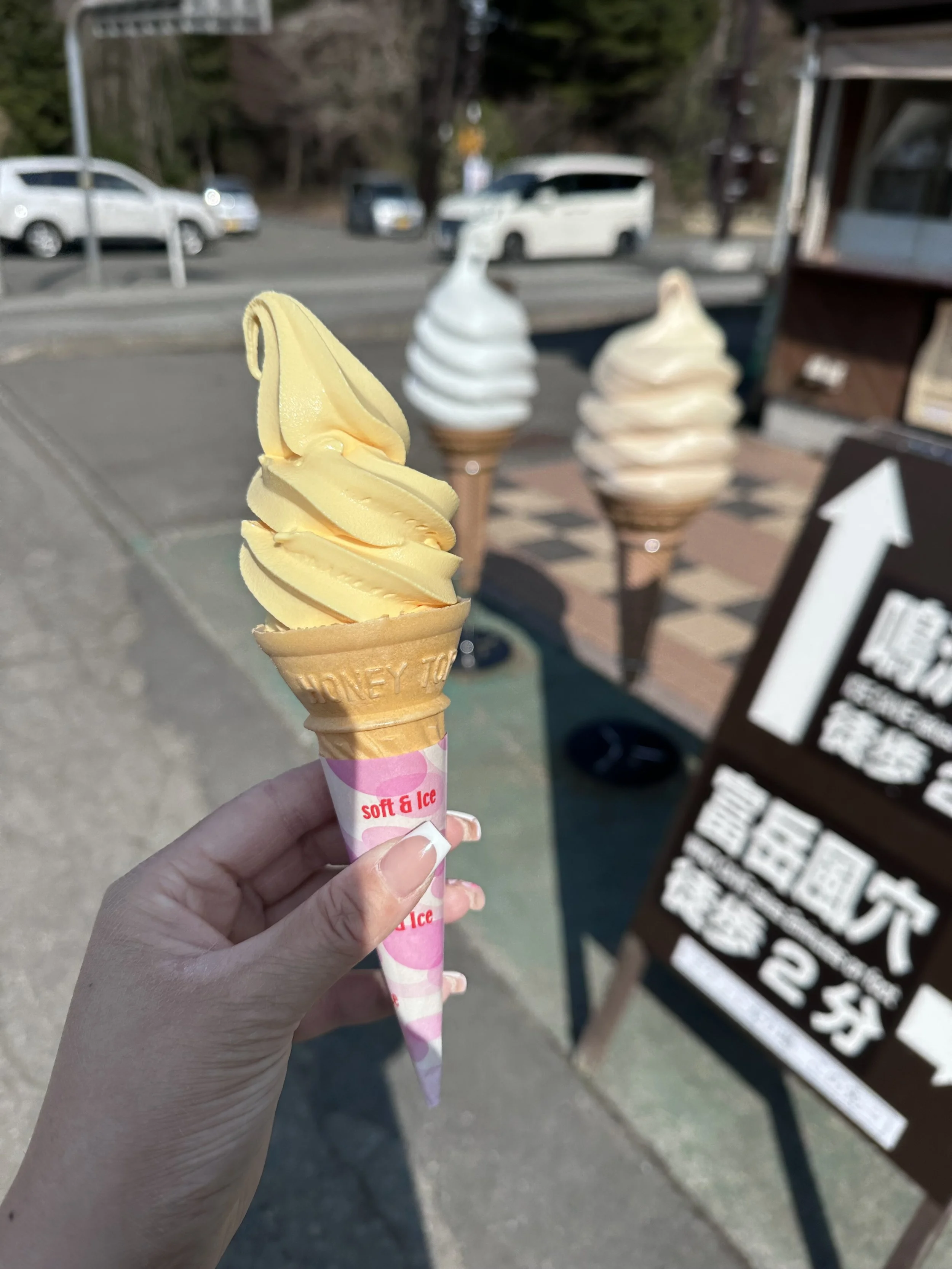
Technically outside Tokyo but too good to leave out. Houtou Fudou Kawaguchiko Kita Honten is where you sit on the floor and order the hoto, flat noodles in a miso broth with vegetables served in a heavy clay pot. One of the best meals of the entire Japan trip. Not optional if you are making the day trip.
Also try the corn ice cream near the caves at Aokigahara. Strange enough to be memorable, good enough to finish.
7-Eleven. Start here and do not let anyone make you feel like you are doing it wrong. Japanese convenience store food is genuinely excellent. Fresh sandwiches, onigiri, hot foods, pastries, and snacks that are all better than they have any right to be. Go at least once for breakfast or a quick lunch.
The photo menu system exists almost everywhere in Tokyo. If you cannot read Japanese, look for the photo on the menu and point at it. Every restaurant has them. This is not embarrassing. It is just how it works and it works perfectly.
Everywhere
What to Try at Least Once in Tokyo
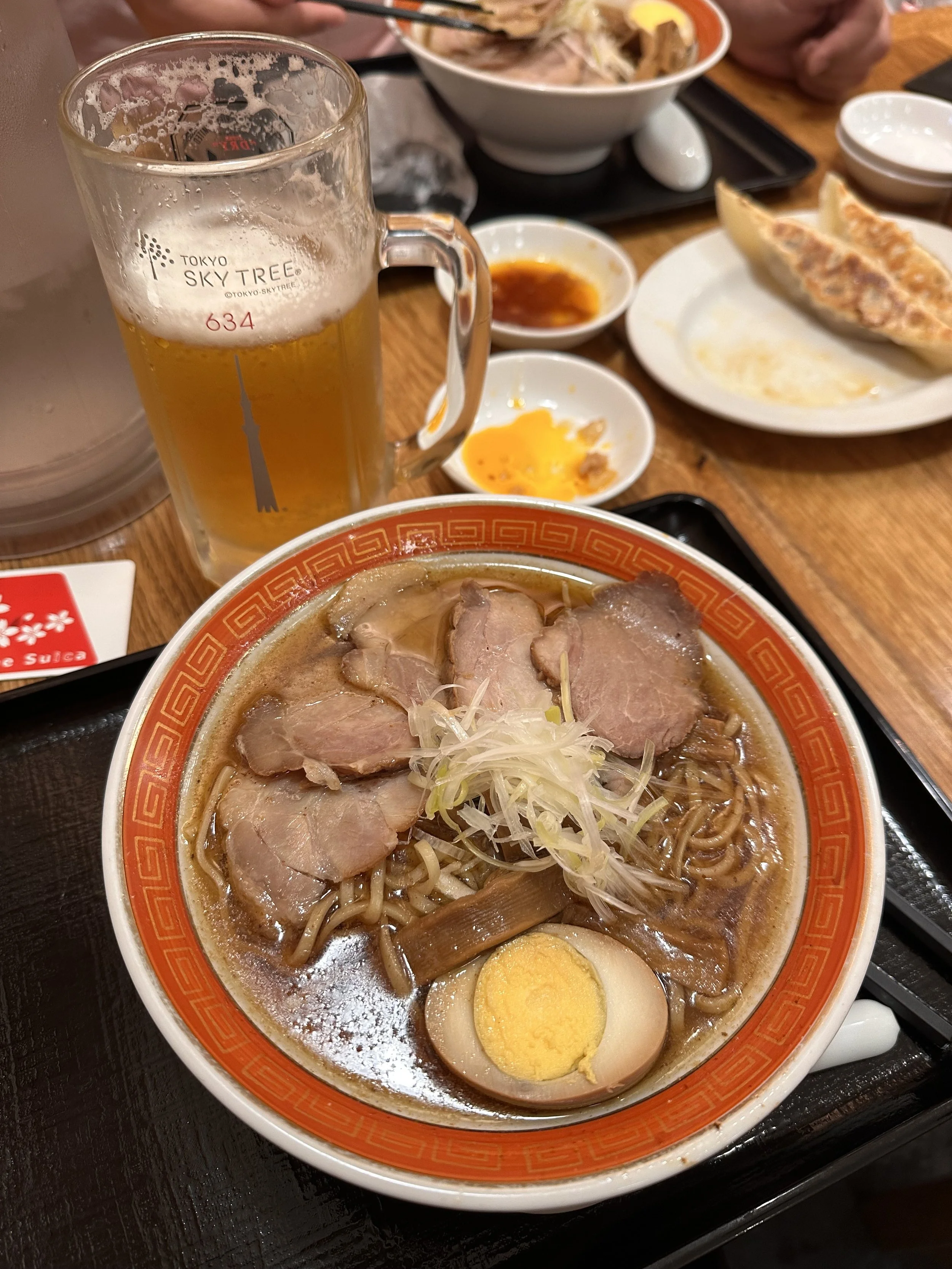
The obvious ones first because they are obvious for a reason. Ramen, udon, takoyaki, sushi, and tempura are all worth ordering at least once and all significantly better here than any version you have had at home. Point at the most popular item on the menu if you are not sure what to order. You will not go wrong.
The full convenience store experience, meaning an actual meal from 7-Eleven eaten somewhere with a view. Onigiri, a hot item from behind the counter, and something from the pastry section. Do this at least once and take it seriously. Japan will change your understanding of what convenience food can be.
Street food at a matsuri or food carnival if the timing works out. We stumbled into a sakura food carnival and the quality of what was being sold from temporary stalls was better than most sit-down restaurants back home.
Whatever the person next to you is eating, whether that is at a tiny counter in Golden Gai, a rotating sushi bar, or a standing ramen spot. Japan rewards curiosity more than planning when it comes to food and the best things we ate were usually the ones we did not expect.
And if you make the Mt. Fuji day trip, try the horse sashimi and Houtou Fudo at Lake Kawaguchiko. It is exactly as interesting as it sounds and not something you will find easily at home.
What to Pack for Your First Trip to Tokyo
Tokyo requires more planning than most cities because the etiquette around clothing and footwear is genuinely specific in ways that will affect your daily experience.
Weather for Cherry Blossom Season (Late March to Early April)
Late March into early April is one of the best times to be in Tokyo and the weather reflects that. Daytime temperatures sit comfortably between 55 and 68 degrees Fahrenheit (with some days even warmer than that), warm enough to spend full days outside without a heavy coat. Mornings and evenings can be cooler so a light jacket is worth having, but this is not cold weather travel. It is spring in the best possible sense, mild, fresh, and the kind of weather that makes twenty thousand steps a day feel manageable.
Shoes that slip on and off easily are not optional. Many places in Tokyo, including temples, some restaurants, traditional tea houses, and izakayas with tatami mats, require you to remove your shoes before entering. You will do this multiple times a day. Slip on shoes make this seamless. Lace up shoes make it genuinely inconvenient. Also bring socks without holes. This matters more than it sounds.
The Footwear Rule
Comfortable walking shoes that slip on and off easily. Light jacket and a warmer layer underneath for evenings. Layers that work from morning temple visits to late night bar hopping. One slightly dressier outfit if you plan to visit nicer restaurants or bars with dress codes. Small crossbody bag or daypack. Portable charger. You will be on your phone constantly for maps and translation and twenty thousand steps a day drains a battery fast. Handkerchief or small towel. Public restrooms in Japan often do not have hand towels or dryers. Travel tissues. Some public restrooms do not have toilet paper.
Core Items for Tokyo
Leave room in your luggage or plan to buy extra. We ended up purchasing a second checked bag from Don Quijote, a massive discount store that sells everything from snacks and cosmetics to electronics and luggage, because we bought so much. Don Quijote has multiple locations across Tokyo, stays open late, and is worth a visit on its own terms. Just know that you will leave with more than you came with.
One Packing Note Specific to Tokyo
Cash is essential: Japan is far more cash dependent than most developed countries. Many smaller restaurants, bars, and shops do not accept cards at all. ATMs at 7-Eleven and Japan Post are the most reliable for foreign cards. Withdraw enough for a few days at a time.
No trash cans: Tokyo is spotlessly clean and there are almost no public trash cans anywhere. The only reliable ones are inside convenience stores like 7-Eleven. Carry a small bag for your rubbish until you find one.
Staying hydrated: We were not prepared for how hard it was to stay hydrated. At most traditional restaurants green tea comes automatically and water, if you ask for it, arrives in a very small cup. We ended up relying heavily on vending machines, which are genuinely everywhere in Japan and became one of our most used resources throughout the trip. Get in the habit of stopping at one regularly, especially on days with a lot of walking.
Nobody eats while walking: To go food exists but eating it while walking is considered rude. Find somewhere to stand or sit and eat it there. This is one of those cultural norms that nobody tells you and that immediately marks you as a tourist if you miss it.
Quiet on the trains: Tokyo trains are almost completely silent. Phone calls are taken outside the carriage, voices are kept low, and some carriages have designated quiet zones. Match the energy and you will feel less like a visitor.
The train system: It is as complicated as it looks and the language barrier makes it more so. The best strategy is to designate one person in your group as the train expert before you arrive. Download the Navitime Japan Travel app and the Suica or Pasmo card app before you leave home. Having one person focused on navigation frees everyone else to actually experience the city rather than stare at transit maps.
Plugs and power: Japan uses Type A outlets at 100 volts. US plugs fit without an adapter but the voltage is slightly lower than American standard. Most modern electronics handle this fine but check your devices before you go.
Pocket WiFi or eSIM: WiFi in Japan is not as widespread as you might expect. A pocket WiFi device or Japanese eSIM is essential for navigation, translation, and general sanity. Arrange this before you leave home.
Dress modestly: Japanese people dress with a level of care and modesty that stands out immediately. Nothing ratty, nothing too revealing, nothing that looks like you grabbed it off the floor. Clean, neat, and put together is the standard everywhere from convenience stores to temples.
The size difference: This sounds like a small thing until you are on a crowded train and your shoulders are taking up more space than the person next to you. Be aware of how much physical space you occupy in a country where the average frame is significantly smaller than the Western average. It is not a problem, just something worth being conscious of.
Local Details Worth Knowing
I Was Not Expecting to Feel Humbled by a City

The first thing that surprised me about Tokyo happened before I even left the train from the airport. I looked up at the signs and my brain went completely quiet. In Europe even when you do not understand the language your brain still tries to sound things out. In Tokyo the characters gave it nothing to work with. For a few minutes, jet lagged and surrounded by people I could not communicate with, I felt completely calm.
The second thing happened days later. We were walking somewhere and I noticed nobody around us was eating. Not while moving. Not a coffee cup, not a sandwich, nothing. I already knew this was a cultural norm. Knowing it and watching an entire city of millions of people quietly honor it every single day are two completely different things.
Tokyo is not clean and quiet and orderly because of infrastructure. It is clean and quiet and orderly because the people in it decided to treat it that way. Every single one of them. Every single day.
I was not expecting to feel humbled by a city. Tokyo did that.
Itinerary for Your First Trip to Tokyo
Interlaken does not ease you in. It shows you everything immediately and then keeps finding ways to show you more.
Two lakes, two days, and somewhere in the middle of it a valley that will change your understanding of what the word beautiful actually means.
Here is how to do it right on your first visit.
Before You Arrive
Get a Suica or Pasmo card before you leave home. These are rechargeable IC cards that work on almost every train, subway, bus, and even some convenience stores across Tokyo. You can now load them onto an iPhone wallet before you travel. Do this. Tapping in and out of stations with your phone instead of buying individual tickets every time is the difference between feeling like you know what you are doing and feeling completely overwhelmed.
Designate a train person. The Tokyo train system is one of the most complex in the world and the language barrier makes it significantly harder to navigate in real time. Before your trip, assign one person in your group the single job of learning the train system. Download Navitime Japan Travel, study the major lines, and have that person lead all transit decisions. It sounds overly structured but it works. Everyone else gets to look at the city instead of staring at maps.
Also, reserve your bullet train seats. If you are continuing to Kyoto after Tokyo, reserve your shinkansen seats in advance. We did not and spent the journey in an uncomfortable standing area with no seat. The reserved cars are not significantly more expensive and the difference in comfort is significant.
Day 1 - Arrive, Meiji Shrine, Shibuya, Roppongi, and Nakameguro
You are going to be tired. Do it anyway.
Early Morning: Arrival and Getting to the Hotel
Land at Haneda Airport and take the Tokyo Monorail to Hamamatsucho Station, then transfer to the JR Yamanote Line to Shinjuku. From Shinjuku take the Marunouchi Line to Nishi-Shinjuku Station and walk to your hotel. The whole journey takes about an hour and is the first introduction to how the train system works. It is confusing and then it is not.
Drop your bags, get breakfast wherever looks good near the hotel, and head back out.
Morning: Meiji Shrine and Yoyogi Park
Take the train to Harajuku Station and walk to Meiji Shrine. The approach through the forested path is one of those moments where Tokyo disappears completely and something quieter takes over. Do the self-guided audio tour. It takes about an hour and gives you context for what you are walking through rather than just photographs of gates and buildings.
From the shrine, walk to Yoyogi Park. If you are visiting during cherry blossom season this park will stop you in your tracks. Find the City Sandwich food truck and get the strawberry sandwich and the egg sandwich. Eat them on the grass. This is not an itinerary moment. It is just a good morning.
Afternoon: Shibuya
Walk from Yoyogi Park to Shibuya Crossing, about twenty minutes. Stand at the edge and watch the light change at least once before you cross. Then cross and look back.
From the crossing, stop at the Hachiko Statue. Hachiko was an Akita dog who waited at Shibuya Station every day for his owner to return from work, even after the owner died. The statue was built in his honor and has become one of the most visited spots in the city. It is a quick stop but worth the two minutes it takes.
From there walk to Shibuya Scramble Square and take the elevator up to Shibuya Sky. The outdoor observation deck shows you the full scale of Tokyo for the first time and the scale is genuinely difficult to process. Book tickets in advance.
Check out Shibuya PARCO including Nintendo Tokyo, Pokemon Center, and the basement Chaos Kitchen floor. Find the rotating sushi bar near Shibuya Crossing for a late lunch or early dinner. Point at whatever looks good on the conveyor belt. One note: if you order pufferfish, do not eat the bones. They are not meant to be crunchy. A friend learned this the hard way.
Late Afternoon: Harajuku and Omotesando
Take the short train back to Harajuku and walk to Tokyu Plaza Omotesando Harajuku for the mirrored entrance and the rooftop garden. Continue to Omotesando Hills for the architecture and the shopping. Then head back to the hotel for a rest before the evening.
Evening: Roppongi and Nakameguro
Take the Oedo Line to Roppongi and walk to the Mori Tower for Tokyo City View. The observation deck gives you a completely different angle on the city from Shibuya Sky and is worth doing even if you have already been up high once today.
From Roppongi, take the Hibiya Line to Nakameguro. This is the moment of the day.
The Nakameguro Canal during cherry blossom season at night is one of the most beautiful things you will see in Japan. Cherry trees lining both sides of the water, lit up, petals falling into the canal below, stalls along the banks selling food and drinks. Walk slowly. Stay longer than you planned to.
The Starbucks Reserve Roastery is right on the canal and is one of six in the world. Go up to the terrace and have a drink with the blossoms around you. It closes at 10 PM.
Grab dinner at a nearby izakaya and head back to the hotel. Tomorrow is a full day.
Day 2 - Shinjuku Gyoen, Imperial Palace, and Golden Gai
Morning: Shinjuku Gyoen
This is the cherry blossom day. Shinjuku Gyoen is the best spot in Tokyo for sakura and deserves the entire morning. Over 1,000 trees across 58 hectares with a mix of garden styles that give you something different in every direction. There is an entrance fee which keeps it slightly less crowded than the free parks.
Bring something to sit on. Find a spot under a tree. Eat something from a nearby convenience store. This is one of those mornings where the itinerary should just stop for a while.
Afternoon: Imperial Palace and Chidorigafuchi
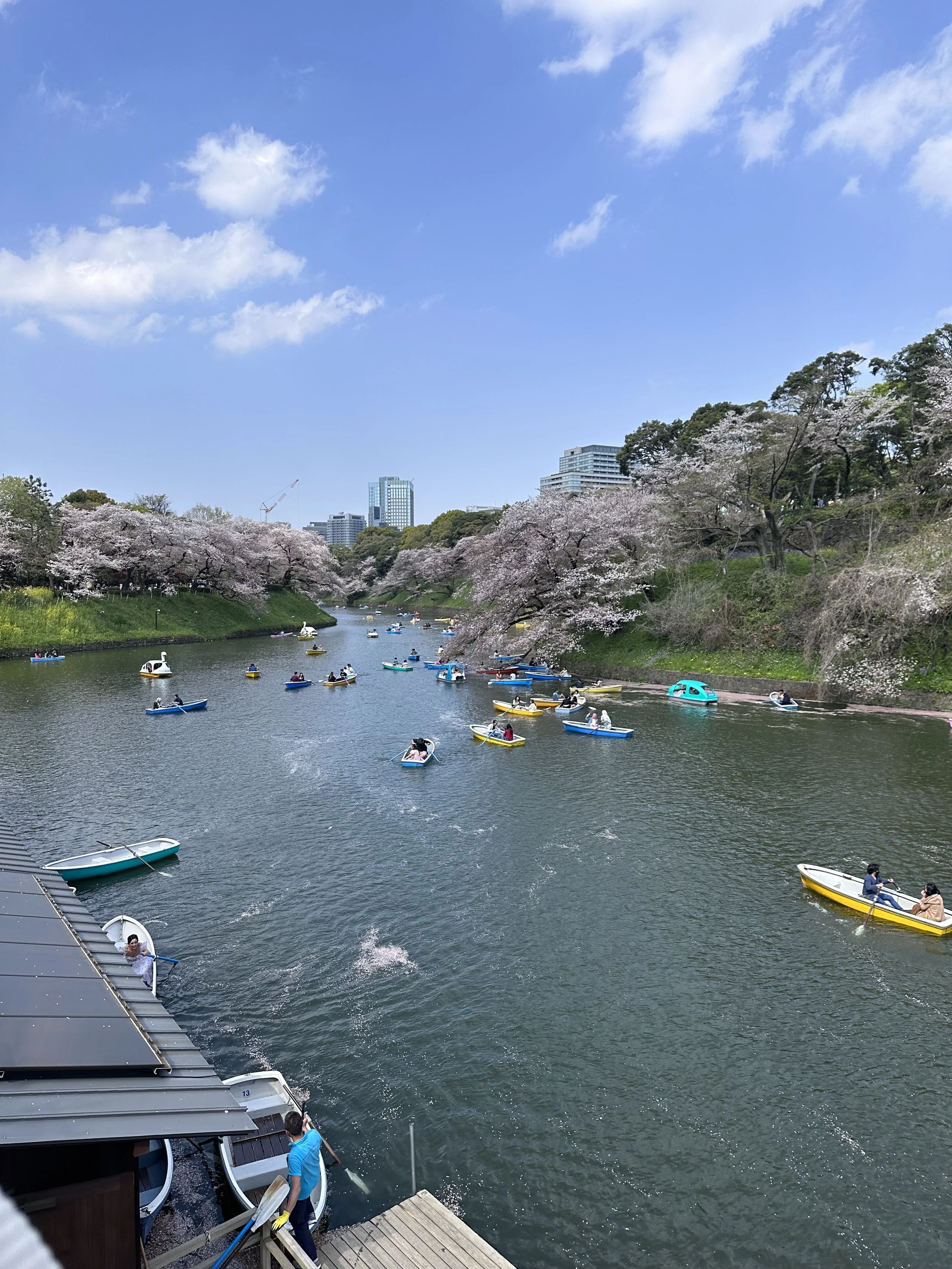
Take the train to the Imperial Palace and spend time in the East Gardens, one of the most beautifully maintained green spaces in central Tokyo. From there walk to Kitanomaru Park and continue to Chidorigafuchi Moat where you can rent a rowboat and paddle under the cherry blossom canopy. During sakura season this is one of the most iconic and genuinely beautiful experiences in the city. Go.
Evening: Piss Alley and Golden Gai
Head back to Shinjuku and freshen up at the hotel before heading out.
Piss Alley first. A narrow alleyway of tiny yakitori stalls with smoke and the smell of grilling meat and locals sitting elbow to elbow at counters. Point at what looks good and eat it. This is one of those places that feels completely foreign and completely comfortable at the same time.
Then Golden Gai. About two hundred tiny bars packed into a few narrow alleys, most seating fewer than eight people. It feels like a video game. You are weaving in and out, reading handwritten signs, trying to figure out which door to open. Some bars are regulars only. Some have cover charges. Some have English menus taped to the window. Look for those and go in. The bars are tiny enough that you will end up talking to whoever is next to you whether you planned to or not.
Day 3 - Meguro Morning and Tokyo Disneyland
Morning: Meguro, Starbucks Reserve, and the Peanuts Cafe
Start the day in Meguro before the city gets too busy. The Starbucks Reserve Roastery on the Nakameguro Canal is worth a second visit if you were there on night one. Different in the morning, quieter, with the blossoms visible in the daylight in a way that feels completely different from the lit-up evening version.
From there, find the Peanuts Cafe in the area. The food is fine. The experience is genuinely delightful if you love Snoopy, and the detail that they sell peanuts there while Knott's Berry Farm in California does not despite having an entire Peanuts section is one of those small absurdities that stays with you.
Afternoon and Evening: Tokyo Disneyland
Take the train to Maihama Station for Tokyo Disneyland. We did a half day and regretted it immediately. Book the full day. A half day is not enough and you will spend the second half wishing you had more time.
The most remarkable thing about Tokyo Disneyland is what is not there. No stanchions. No rope barriers. No physical infrastructure forcing people into organized lines. People simply form their own perfectly orderly queues and wait. Coming from Southern California where the queue management is its own engineering achievement, watching hundreds of Japanese visitors quietly and perfectly organize themselves with no guidance whatsoever is one of the most genuinely surprising things you will see in Japan.
The other thing nobody tells you before you go: matching outfits. Not Mickey ears, which are smaller and more understated than the ones you see at Disneyland in the US, but full coordinated looks. Couples, friend groups, families, all dressed in the same outfit from their head to their shoes and accessories. It is so widespread that showing up without a coordinated look feels like you missed the memo. We ended up buying matching sweatshirts from the park just to fit in, which is either a great travel instinct or proof that Tokyo Disneyland is just that convincing. Probably both.
Eat everything. The food here is genuinely good in a way that theme park food usually is not, with Japanese specific options that you will not find at any other Disney park. They also sell a surprisingly good selection of unique alcoholic beverages throughout the park, which makes the inevitable long waits considerably more enjoyable.
The parade is also worth staying for.
Day 4 - Mt. Fuji and Lake Kawaguchiko Day Trip
Everything went wrong on this day. It was still one of the best days of the trip.
Getting There
Take the train from Shinjuku Station at 7:30 AM to Lake Kawaguchiko. The journey takes about two hours. Leave the hotel by 7:00 AM to make it with time to spare.
Morning: Chureito Pagoda
First stop is Chureito Pagoda, which you have seen in photographs a thousand times without realizing it. The pagoda sitting above a sea of cherry blossoms with Mt. Fuji in the background is one of the most photographed images in Japan. The climb is about 400 steps and takes fifteen minutes. It is worth every one of them.
Midday: Lunch at Houtou Fudou
Do not skip lunch at Houtou Fudou Kawaguchiko Kita Honten. You sit on the floor. You order the hoto, which is flat noodles in a miso broth with vegetables served in a heavy clay pot. It is one of the best meals of the entire Japan trip and not optional if you are making this journey.
Afternoon: Ice and Wind Caves
Take the Green Line bus to the Ice Cave and Wind Cave in the Aokigahara Forest area. Both caves maintain near freezing temperatures year round and require helmets. The Ice Cave is the more interesting of the two. The walk between them goes through a section of Aokigahara which is dense enough that the forest canopy keeps out the rain entirely.
Also try the corn ice cream near the caves. Strange enough to be memorable, good enough to finish. And if you are feeling adventurous, try the horse sashimi. It is exactly as interesting as it sounds.
When Things Go Wrong
The bus system was not running as scheduled and we missed our train back to Tokyo. Because of that we were still at the lake when the clouds that had covered Mt. Fuji all day finally cleared.
The mountain appeared.
If the day had gone exactly according to plan we would have been on a train when that happened. We would have spent the entire day at Mt. Fuji without ever actually seeing Mt. Fuji. The chaos of the day turned into the best moment of the day and it only happened because nothing worked out the way it was supposed to.
Leave more time than you think you need. Miss a train if you have to. The mountain is worth waiting for.
Getting Back
Last train from Kawaguchiko leaves around 5:30 PM. Do not miss it. Take a taxi or Uber to the station rather than relying on the bus system, but do some prep work before you go. Cell service in the area can be limited so research taxi phone numbers in advance and make sure your phone can dial out. And when you do call, find someone nearby who can translate. We learned all of this the hard way. Do not wait until you have missed a bus to figure out how to get back.
Day 5 - Ueno, teamLab Planets, Asakusa, and Tokyo Skytree
This is one of the most packed days of the trip, covering opposite ends of the city in a single day. Start as early as you can and keep moving.
Morning: Ueno Cherry Blossom Festival
Take the train to Ueno Station and walk into Ueno Park. During cherry blossom season this is one of the most visited spots in Tokyo and for good reason. Over 1,000 cherry trees line the main path through the park and during peak bloom the whole thing turns pink. It gets extremely crowded. Bring something to eat, find a spot, and stay a while rather than walking through and moving on.
Midday: Tsukiji Outer Market
Take the train to Tsukiji and spend an hour in the outer market. Narrow alleys, tiny restaurants, fresh seafood available at every stall, and vendors running demonstrations or letting you point at what you want prepared in front of you. The market rewards slow wandering more than purposeful navigation.
Afternoon: teamLab Planets
Book tickets well in advance. This sells out. Arrive a few minutes early and go in with no specific expectations beyond surrendering completely to whatever happens next. The installation is genuinely unlike anything else and photographs do not capture it. Plan for two hours.
Late Afternoon: Asakusa and Sensoji Temple
From teamLab, make your way to Asakusa. Walk through the Kaminarimon gate and down Nakamise-dori, the shopping street leading to the temple. Try the strawberry daifuku from one of the stalls. Spend time in the temple grounds before the crowds thin for the evening.
Walk toward the Sumida River and follow the river walk toward Tokyo Skytree. It is about a mile and one of the more pleasant walks in the city, giving you a view of everyday Tokyo rather than the tourist version of it.
Evening: Tokyo Skytree
Enter the Skytree and go to both observation decks if you have the energy. The view at 450 meters at night with the full city lit up below is one of those things that earns the price of the ticket without question. Book tickets in advance.
From the Skytree, take the train to Shibuya for a last evening in the neighborhood before leaving for Kyoto the next day.