
Your First Time in Nara
Nara is the most skippable stop on a first Japan itinerary. That is the honest version.
The temples blur into everything you have already seen by the time you get here and nothing in Nara is going to out-impress Kyoto or Tokyo. The deer are genuinely fun and the bowing thing is real and delightful. But a half day is more than enough and we would not go back.
That said we do not regret going. There is something specific and strange and completely Japanese about a thousand sacred deer wandering freely through a city that has simply decided this is normal. It is worth seeing once. Just do not rearrange your trip for it.
What to See and Do
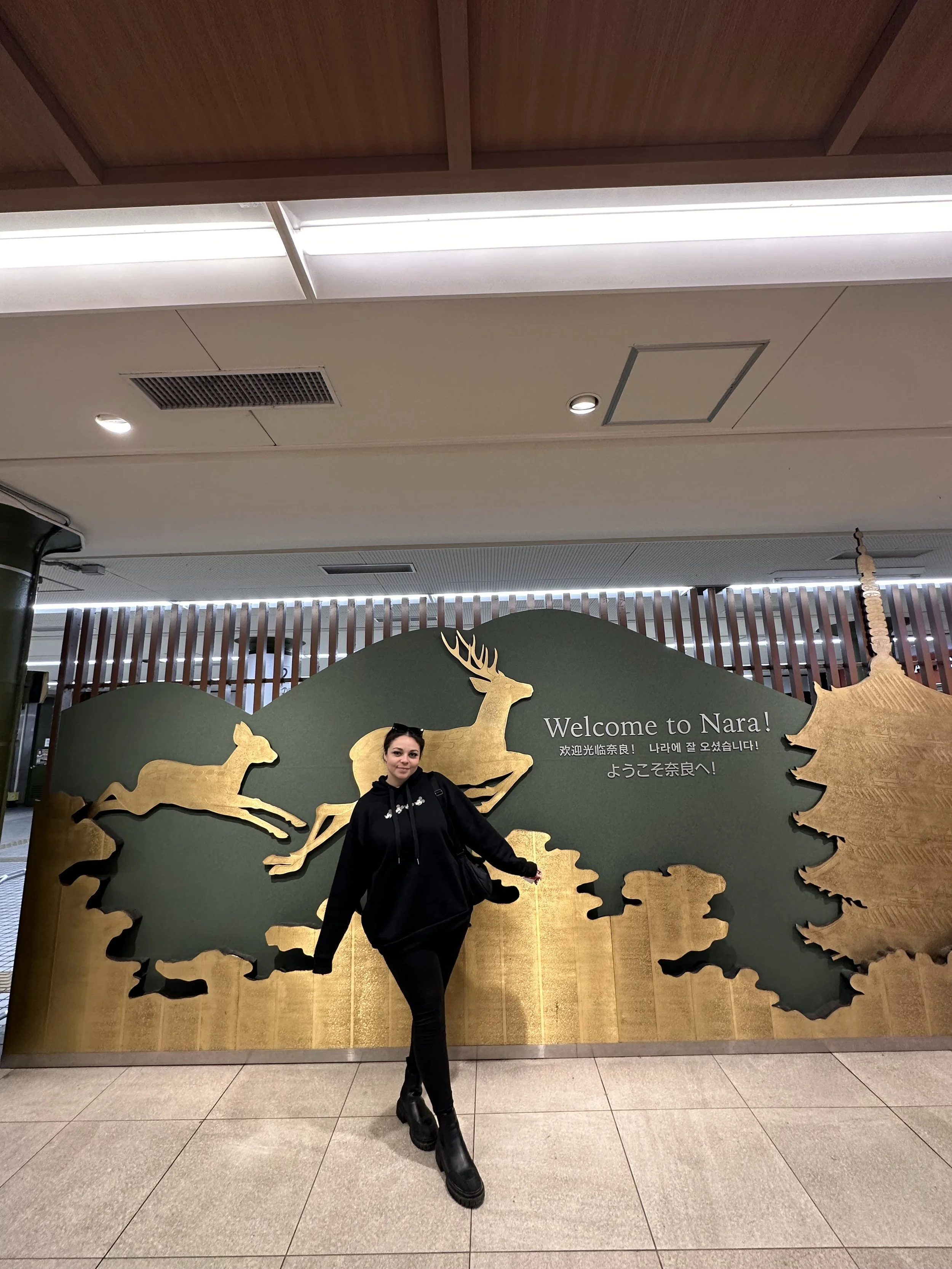
Nara Park and the Deer
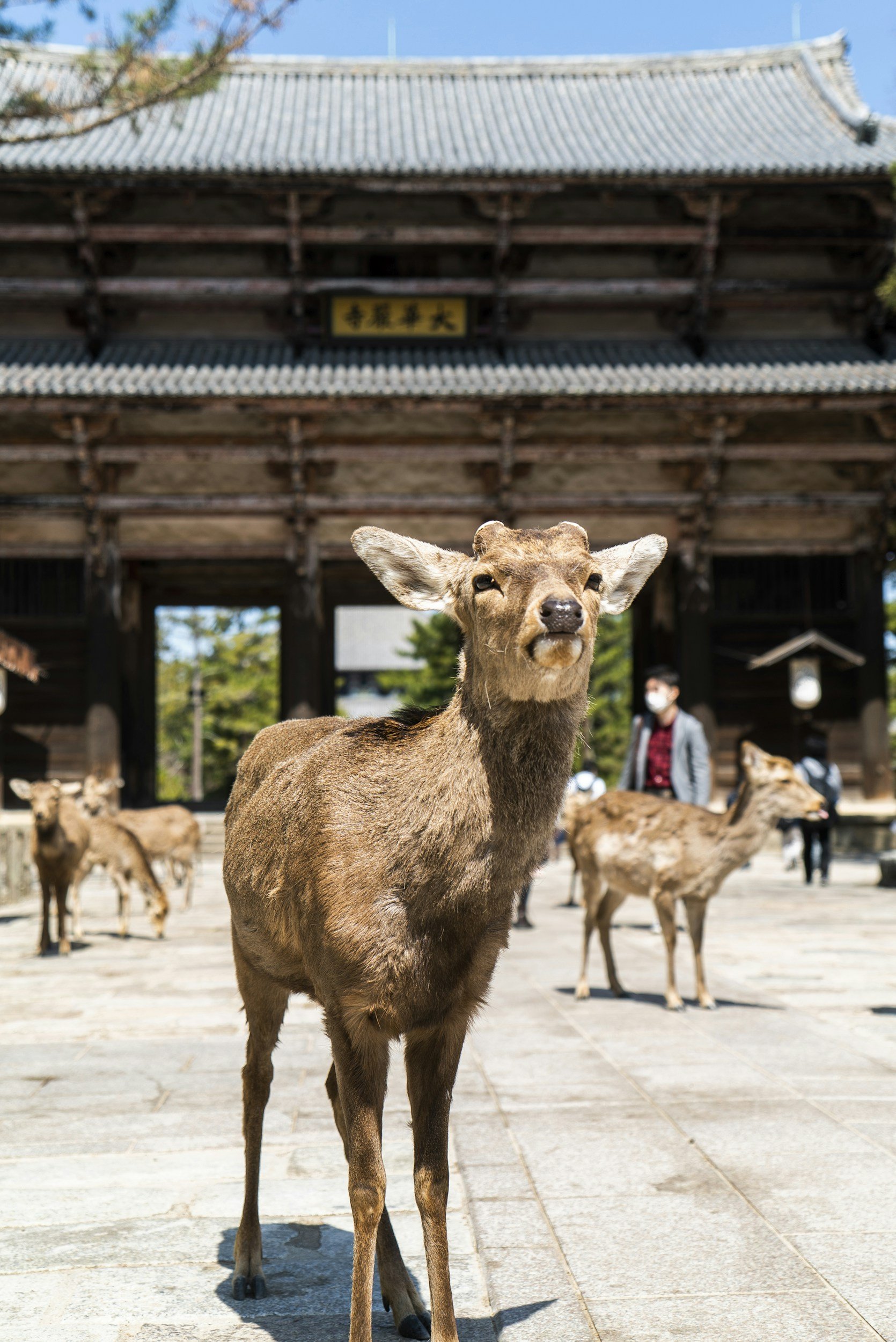
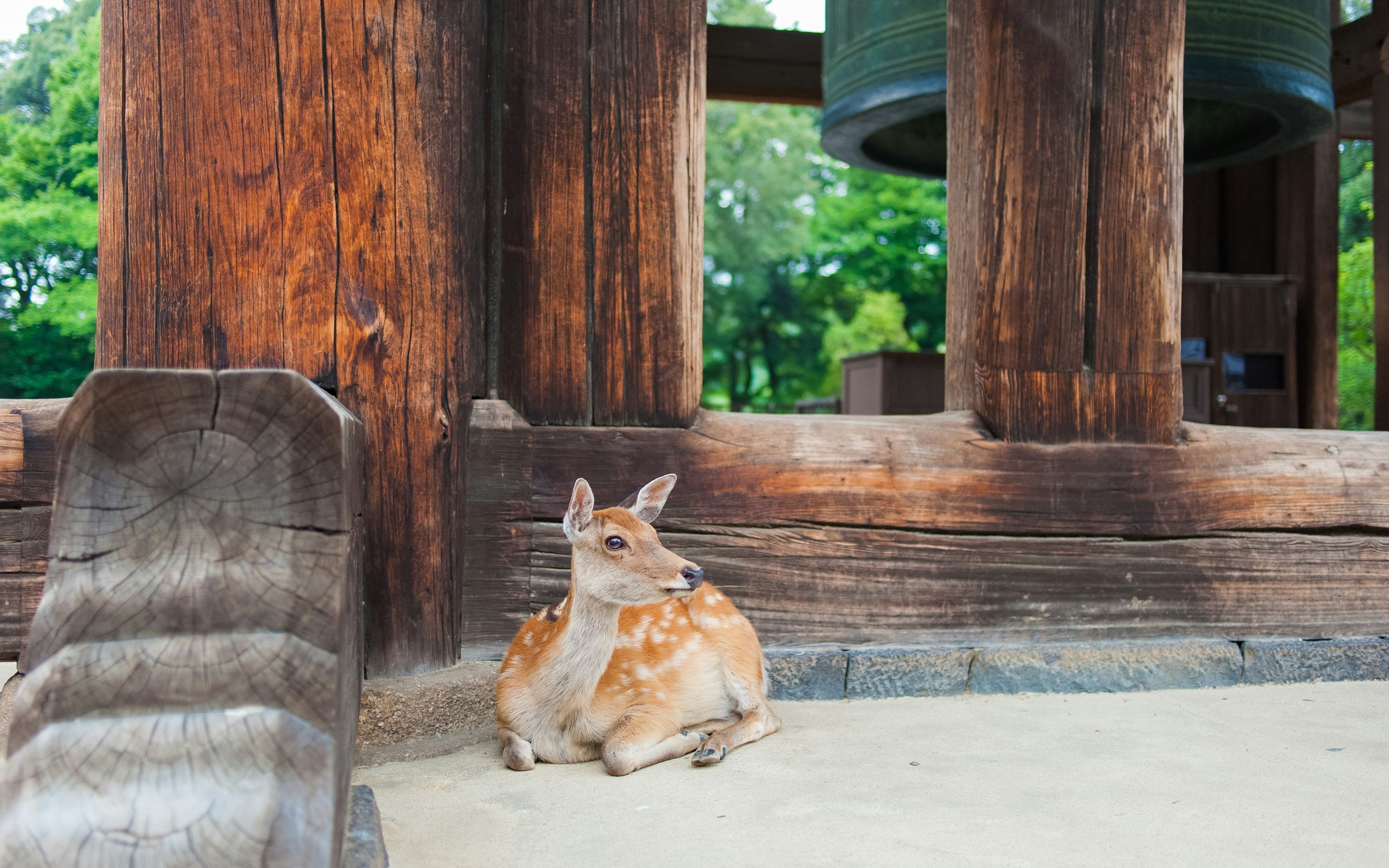
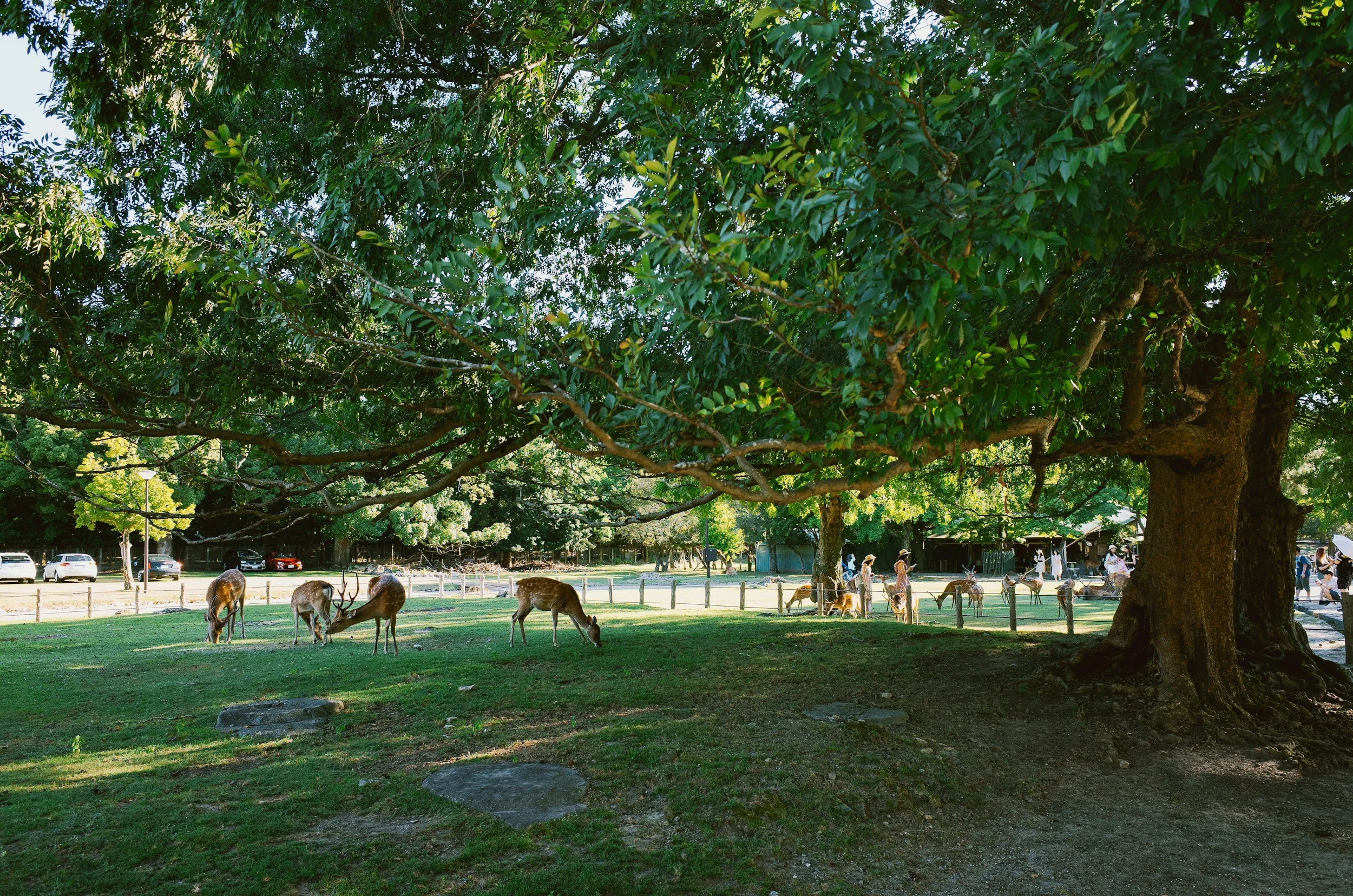
This is the reason to come and the only reason you need. Nara Park is home to over a thousand free roaming sika deer that have been considered sacred since the 8th century. They wander everywhere, through the park, along the paths, between tourists, completely unbothered by human presence in a way that takes a few minutes to fully register.
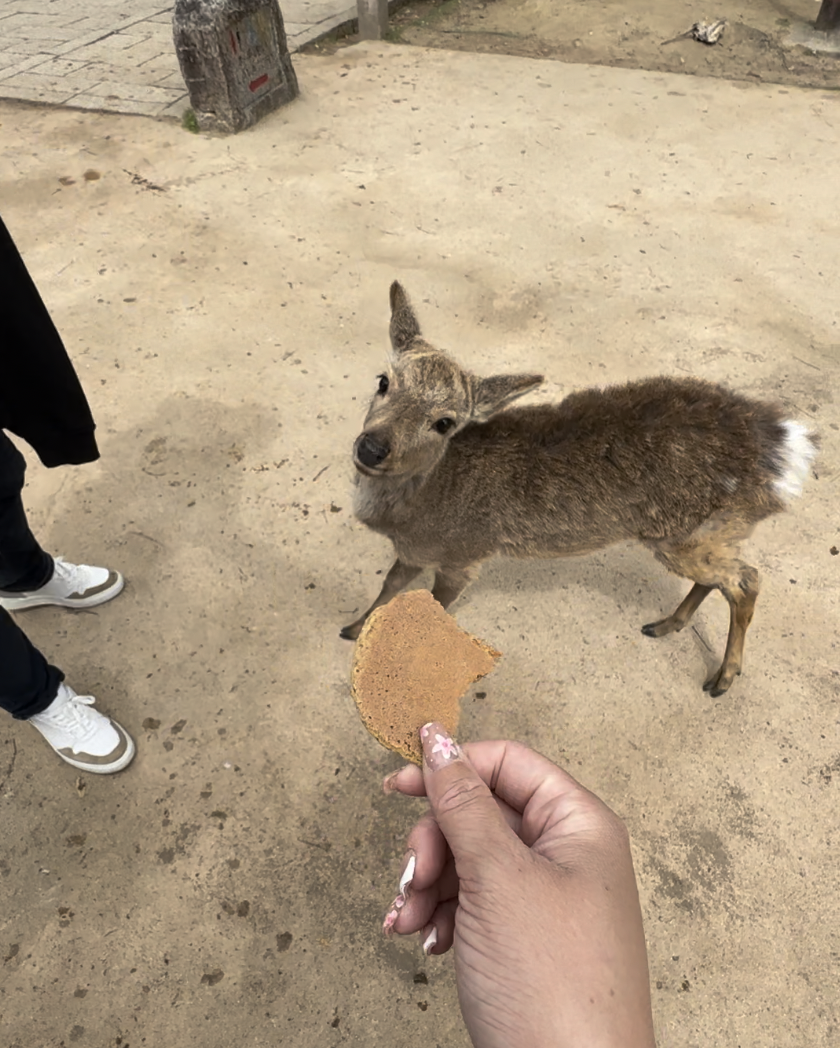
You can buy shika senbei, deer crackers, from vendors throughout the park for around 150 yen and feed them directly from your hand. The deer will bow to receive the crackers. This is not a trained trick or a tourist gimmick. They actually bow. Growing up going to Yosemite every year where deer are considered among the most dangerous animals in the park, standing in a field letting one eat out of my hand while it bowed at me was one of the stranger and more genuinely delightful experiences of the whole Japan trip.
That said feeding them felt slightly more like an Instagram moment than a genuine wildlife experience. Everyone around us was doing it for the photo. The deer were completely indifferent to all of it. Both things were true simultaneously and somehow that made it more charming not less.
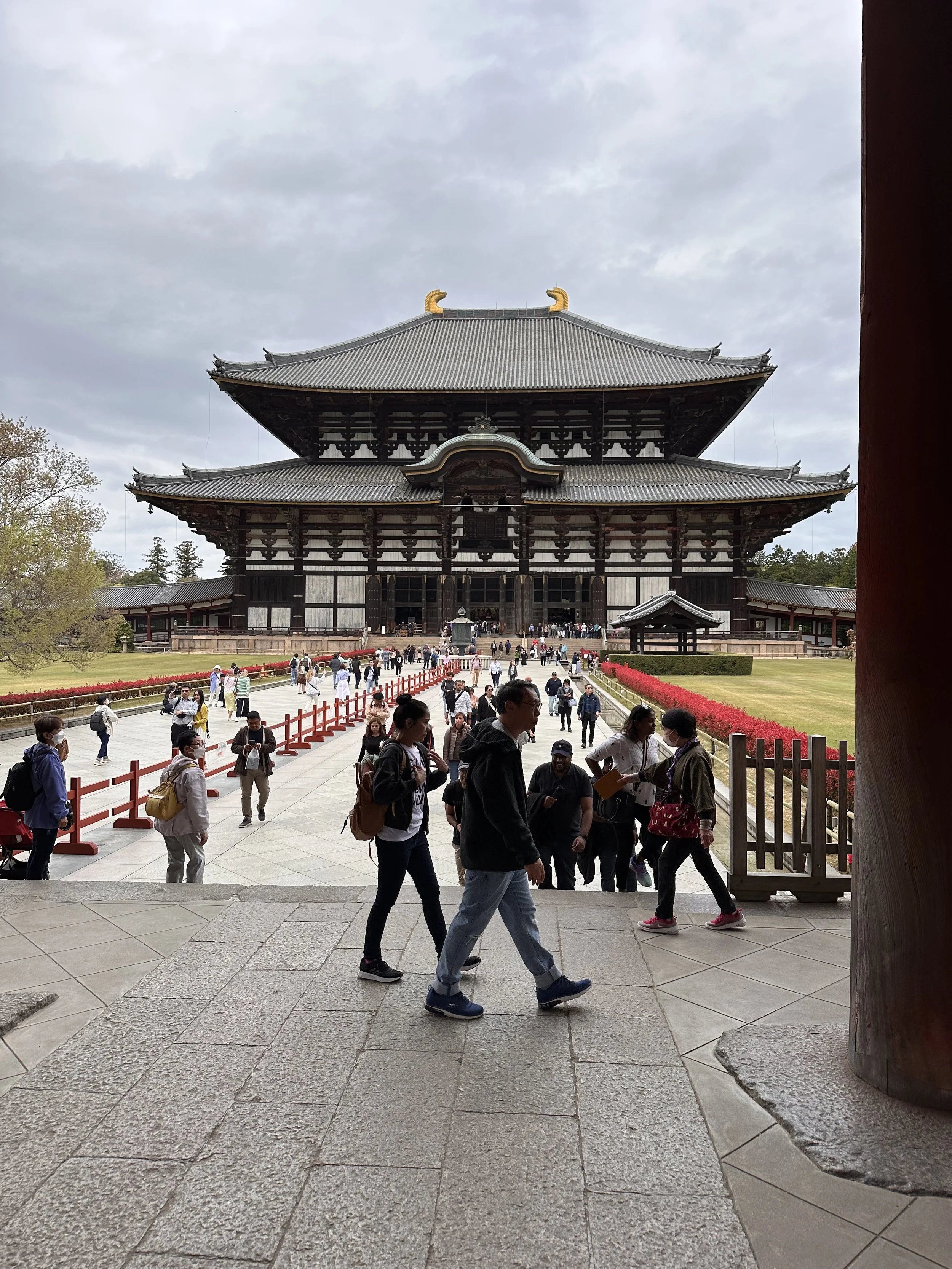
The largest wooden building in the world, built in 752, housing a 15 meter bronze Buddha that is one of the largest in Japan. The scale of the building is genuinely impressive and worth seeing. There is significant netting inside to keep birds away which makes it harder to fully appreciate the interior than you might hope. Go in, acknowledge that it is extraordinary, and move on.
Where to Eat in Nara
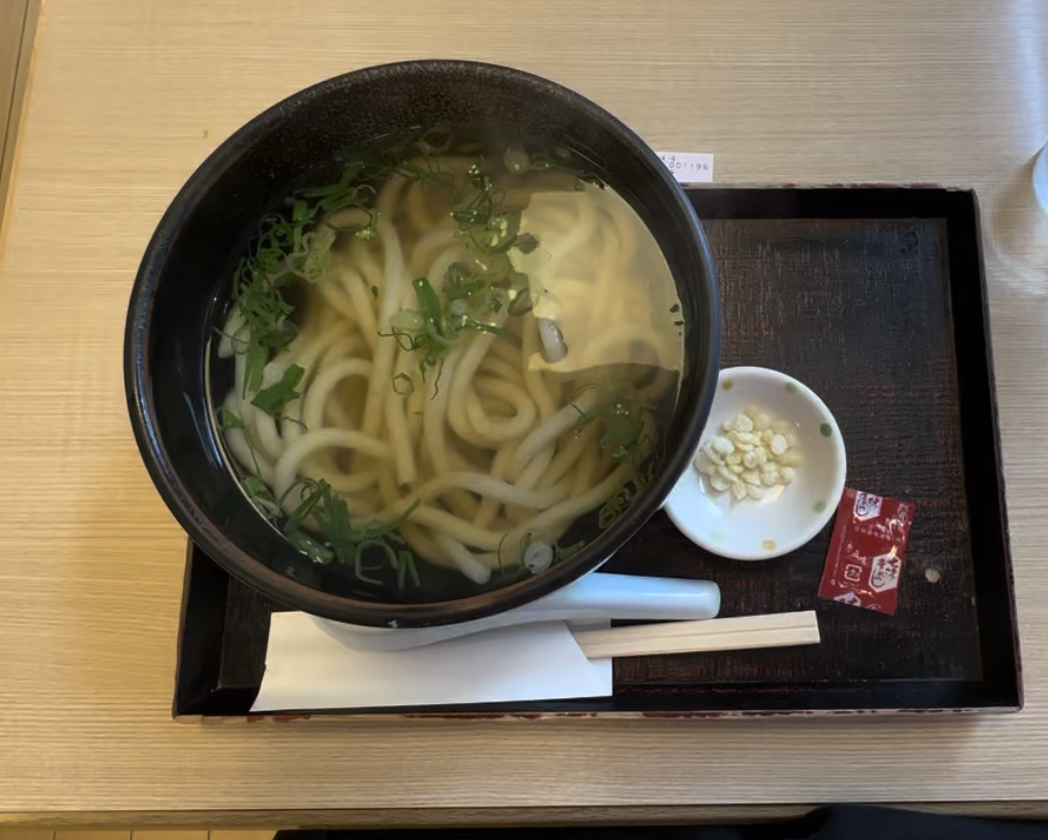
Nako Service Kasuga Chaya
We ended up here because it was convenient and close to the park. The ordering system is a vending machine rather than the standard photo menu most Japanese restaurants use, which means selecting your order without being able to read Japanese and without photos to point at. More guesswork than usual. The udon was fine, nothing remarkable. Mention it here mostly because the vending machine ordering experience is worth knowing about before you encounter it for the first time, and because it is right there if you need a quick lunch near the park.
Strawberry Ice Cream from a Street Vendor
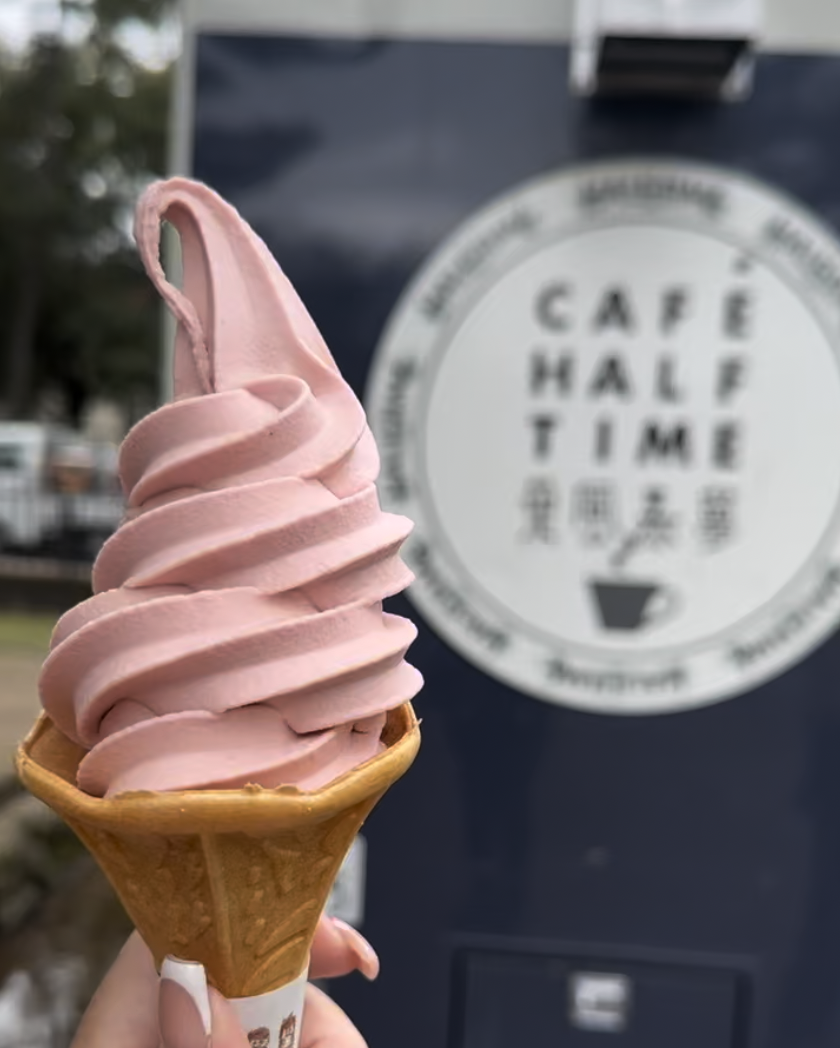
By this point in the trip strawberry ice cream had become something of a running theme. We ordered it wherever we found it. The Nara version was not the best of the trip but there is something genuinely comforting about finding a familiar thing in an unfamiliar place. Order it if you see it.
What to Try at Least Once in Nara
The shika senbei deer crackers, obviously, though these are technically for the deer not for you. Kakinoha-zushi, which is sushi wrapped in persimmon leaves and specific to the Nara region, is the most locally specific food worth trying if you want to eat something that belongs to this place. And whatever looks good on the walk down Sanjo Dori. The street food vendors along the approach to the park are worth stopping at.
Getting from Kyoto to Nara
Nara is about 45 minutes from Kyoto Station by train on the JR Nara Line. Take either the local or the Miyakoji Rapid Service train, both stop at Nara Station and are covered by the Japan Rail Pass.
From Nara Station, walk down Sanjo Dori Street toward the park. The deer will start appearing before you reach the park entrance. That is how you know you are going the right direction.
Allow about half a day in Nara. Leave Kyoto by 8 AM, spend the morning in the park and at Todai-ji, have a quick lunch, and then head directly to Osaka rather than backtracking to Kyoto. From Nara Station take the Yamatoji Rapid Service train to Osaka, about one hour. This is the most efficient way to do both in a single day and is exactly how we did it.
What to Pack for Your Half-Day Trip to Nara
Nara is a walking destination with no mountain days or temple shoe removal required beyond Todai-ji. Pack light.
Comfortable walking shoes. Small daypack for water, snacks, and layers. Cash for the deer crackers and street food vendors. A change of clothes if you are continuing to Osaka afterward. The deer are friendly but they are also wild animals and they will occasionally mistake your belongings for food.
The Deer Actually Bow Back
I was not expecting to be nervous about feeding a deer.
I grew up going to Yosemite every summer where the message about deer is consistent and clear. They are wild animals. They are more dangerous than they look. Do not approach them. Do not feed them. Give them space.
In Nara nobody gives them space. They are everywhere, wandering between tourists, along the main street, through the park, occasionally into shops. A thousand sacred deer living among several million people and everyone has simply agreed that this is normal.
I bought the crackers. A deer approached. I held one out.
It bowed.
Not a nudge, not a head dip, a genuine bow. The kind that in any other context would seem polite and considered. I laughed out loud in a way I was not expecting to. The deer took the cracker, completely unbothered, and moved on to the next person.
I would not go back to Nara. The temples blur into everything else you have seen by that point in the trip and nothing here is going to out-impress Kyoto or Tokyo. But the deer bowing at me on a Tuesday morning in a park in Japan is one of those moments that surfaces randomly and makes me smile.
That was worth the half day.
Your Half-Day Itinerary for Nara
Nara does not need a full day for your first trip to Japan and should not get one. Here is how to do it efficiently.
Morning: Getting There
Leave Kyoto by 8 AM at the latest. Take the JR Nara Line from Kyoto Station to Nara Station, about 45 minutes. Walk down Sanjo Dori Street toward the park. Buy deer crackers from the first vendor you see.
Mid Morning: The Park
Walk through Nara Park and feed the deer. Give yourself more time than you think you need here not because there is a lot to do but because the deer are genuinely entertaining and the park is pleasant enough to wander through slowly.
From the park, continue to Todai-ji Temple. Go inside, acknowledge the scale of it, look at the Buddha, and come back out. The netting inside makes it harder to fully appreciate than you might hope but it is still worth seeing once.
Midday: Lunch and the Return
Lunch at Nako Service Kasuga Chaya or anywhere along Sanjo Dori that looks good. If you see strawberry ice cream from a street vendor, get it.
Head back to Nara Station and take the train toward Osaka if you are continuing on, or back to Kyoto if you are done for the day.
Half a day is exactly right. Do not let anyone convince you to stay longer.