
Your First Time in Osaka
We came. We ate. We left.
That is the honest summary of our time in Osaka and also, it turns out, the most Osaka thing you can do. The city has been Japan's Kitchen, Tenka no Daidokoro, since the Edo period when it served as the country's most important food trading hub. The local philosophy is called kuidaore, which translates to "eat until you drop." Osakans are not joking about this. Food here is not just something you do between activities. It is the activity.
We had half a day and we used every minute of it eating. No regrets.
What to See and Do
Osaka Castle and the Park
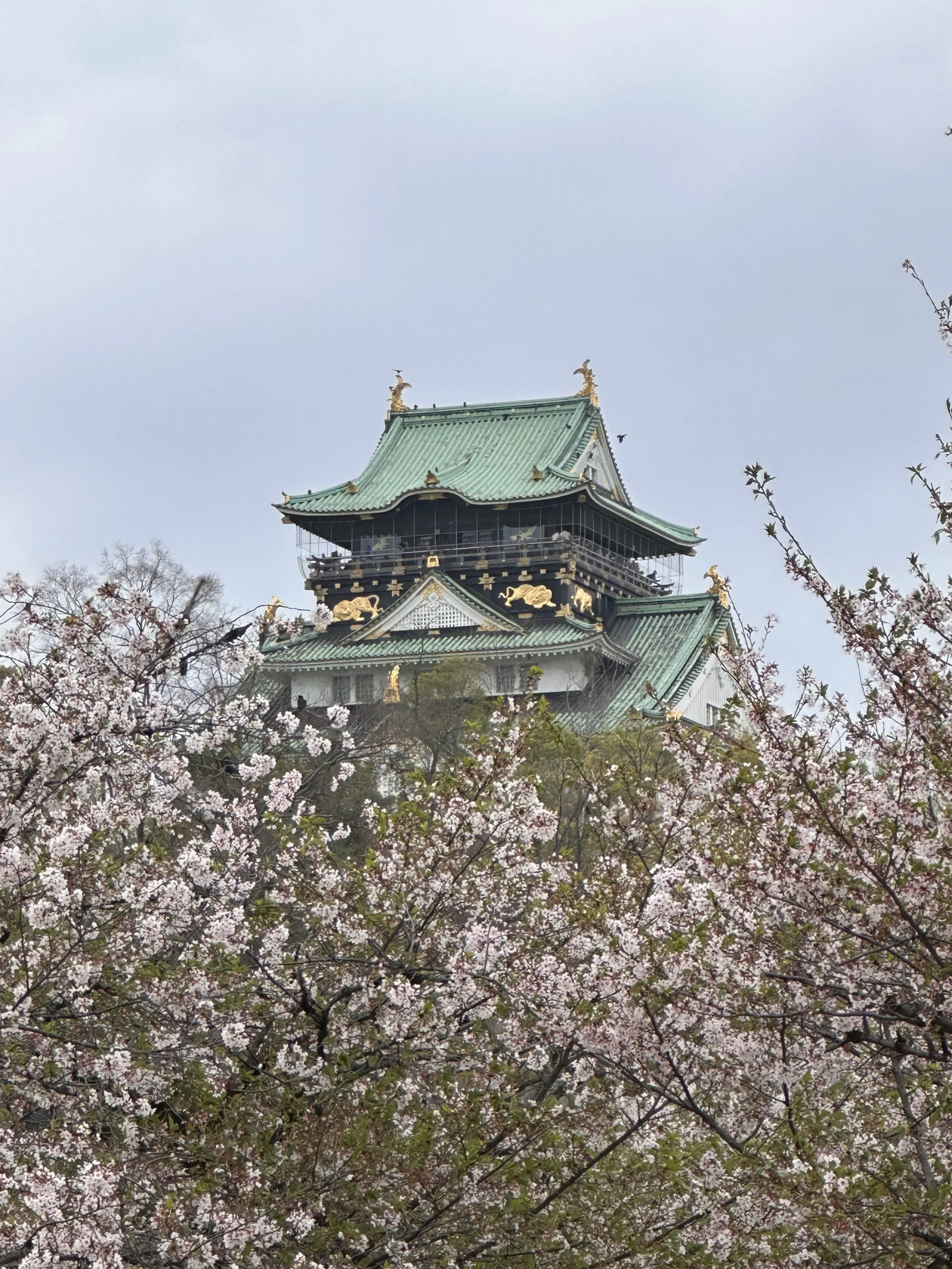
Osaka Castle is one of Japan's most significant historical sites and also one of its most visually striking. Standing at the base of it and looking up, the thing that stays with you is not the castle itself but the thought of what it must have looked like before skyscrapers existed. Before everything around it was built. Just this enormous structure rising above an empty landscape with nothing to compete with it for scale.
The surrounding park is pleasant and worth a walk through. After the temples and gardens of Kyoto it feels different, more open, more historical in a civic sense rather than a spiritual one. We spent about an hour here and that was the right amount of time.
One of the most famous shopping streets in Japan, covered and running for about 600 meters through the heart of the city. Department stores, smaller shops, restaurants, and the kind of concentrated commercial energy that makes it easy to spend more time than you planned. Worth walking through even if you are not shopping.
Stop at Rikuro's for the jiggly cheesecake. It lives up to the hype. The texture is unlike any cheesecake you have had before, impossibly light and wobbly, and the line is worth standing in.
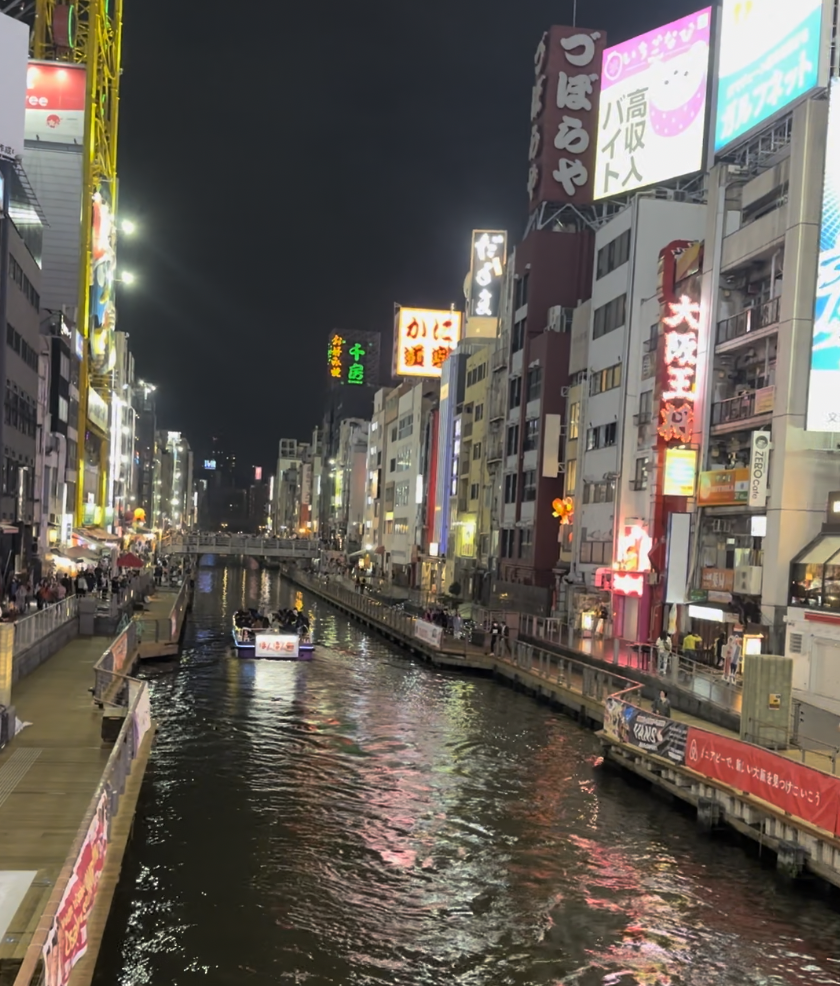
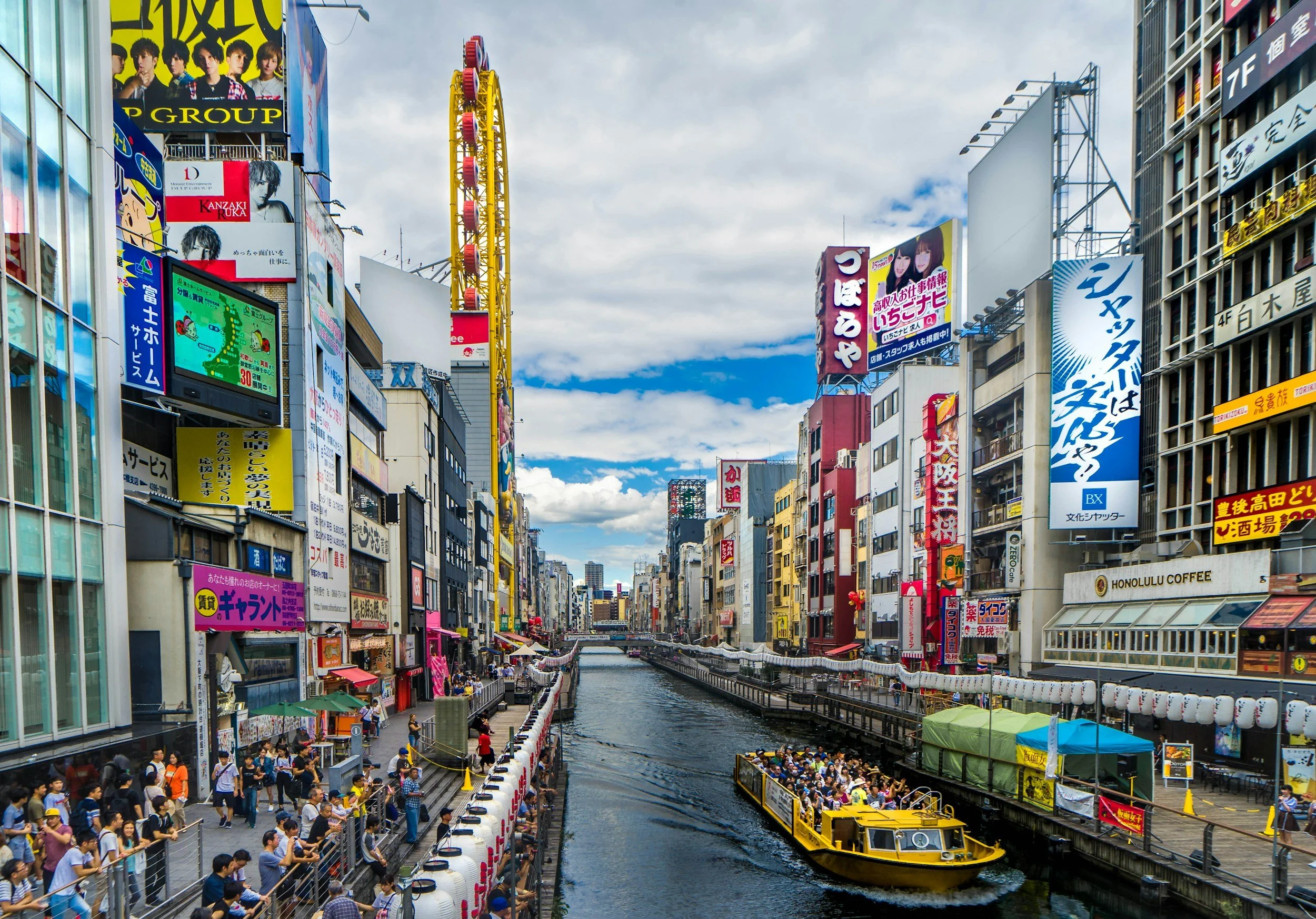
The most famous entertainment district in Osaka and the one that earns the city its food capital reputation most visibly. A canal runs through the middle, enormous illuminated signs cover every building, and the streets are packed with restaurants and food stalls selling everything Osaka is known for.
At night it is bright, flashy, slightly disorienting, and completely alive. The closest comparison that came to mind was the Vegas Strip but with better food, politer people, and no one trying to hand you a flyer. The energy is relentless in a way that is genuinely exciting rather than exhausting, at least for the few hours you are there.
Walk slowly, eat constantly, and follow whatever smells good.
Where to Eat in Osaka
Osaka's food philosophy is kuidaore. Eat until you drop. The city takes this seriously and so should you. This is not the place to be precious about what you order or how much. Just eat everything.
Dotonbori Street Food
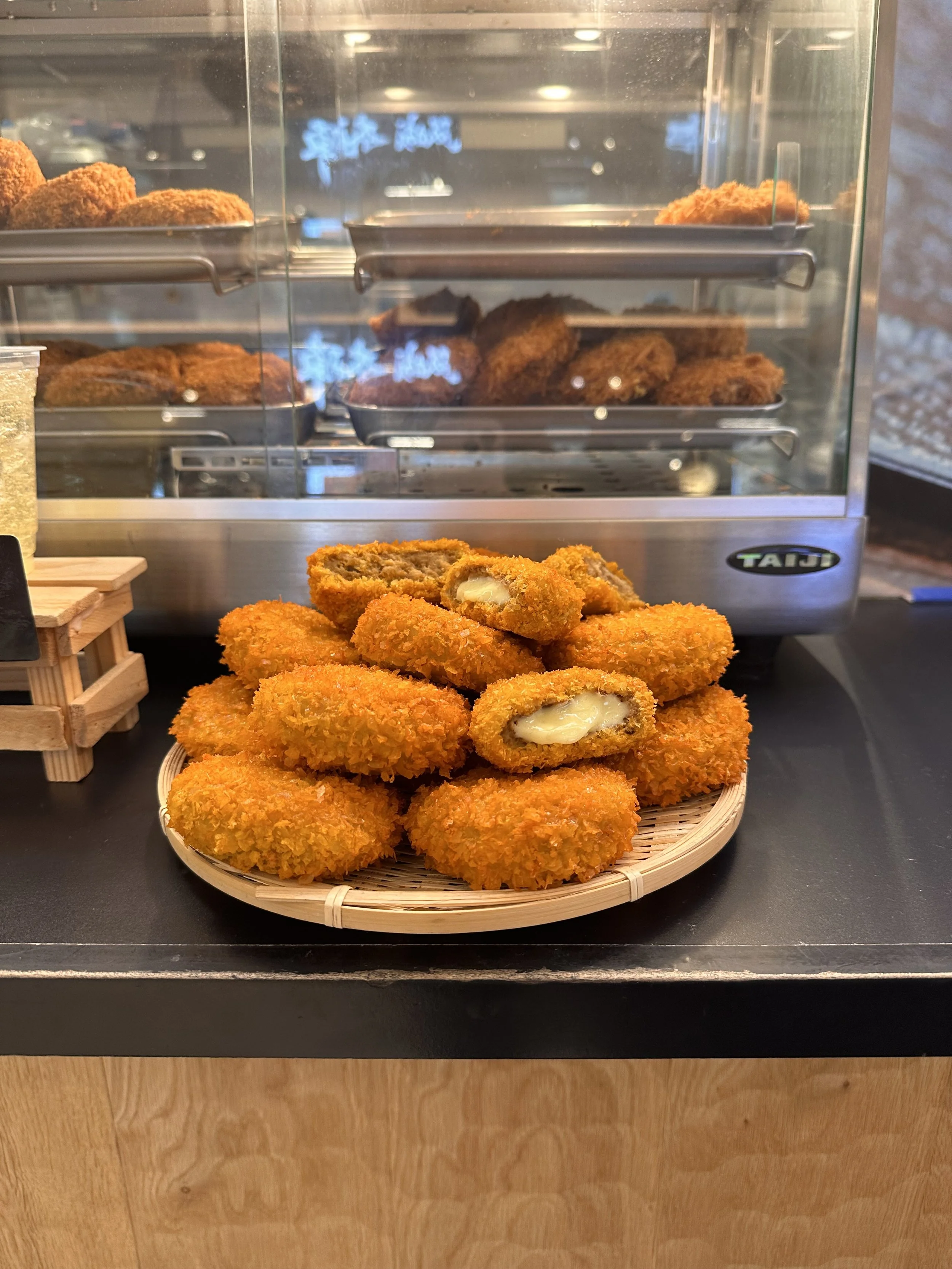
The canal district is where Osaka's food culture is most concentrated and most accessible. Walk the length of it and try as much as you can. The waits can be long at the more famous spots but the quality across the board is consistently high in a way that makes even the second or third choice good.
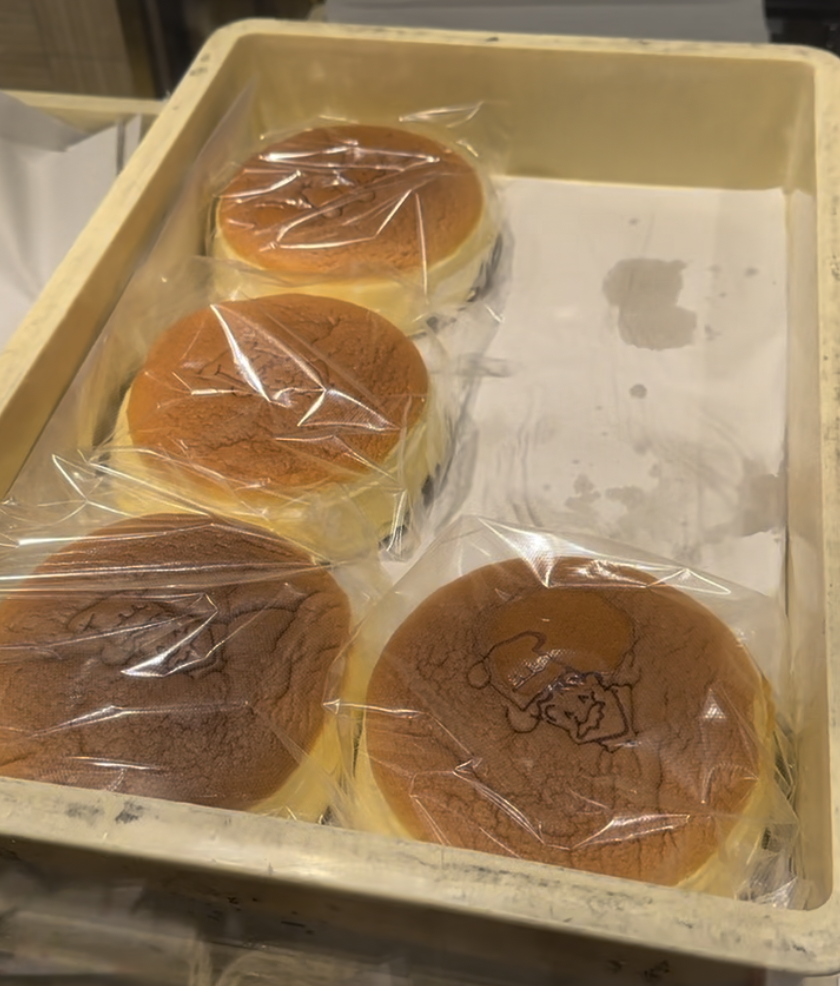
The jiggly cheesecake is as good as the hype suggests. Lighter than any cheesecake you have had before, barely sweet, and worth every minute of the line. Buy one to eat on the street and another to take back to wherever you are staying.
What to Try at Least Once in Osaka
Takoyaki, fried octopus balls, are the most Osaka thing you can eat and available from stalls throughout Dotonbori. Get them from whoever has the longest line.
Okonomiyaki, the savory Japanese pancake, is done particularly well in Osaka. If you had it in Kyoto at Dainoji you already know what you are in for. The Osaka version tends to be slightly different and worth trying for comparison.
Kushikatsu, which is skewered and deep fried meat and vegetables, originated in Osaka and is the most locally specific thing on this list. The rule is no double dipping in the communal sauce. This is taken seriously.
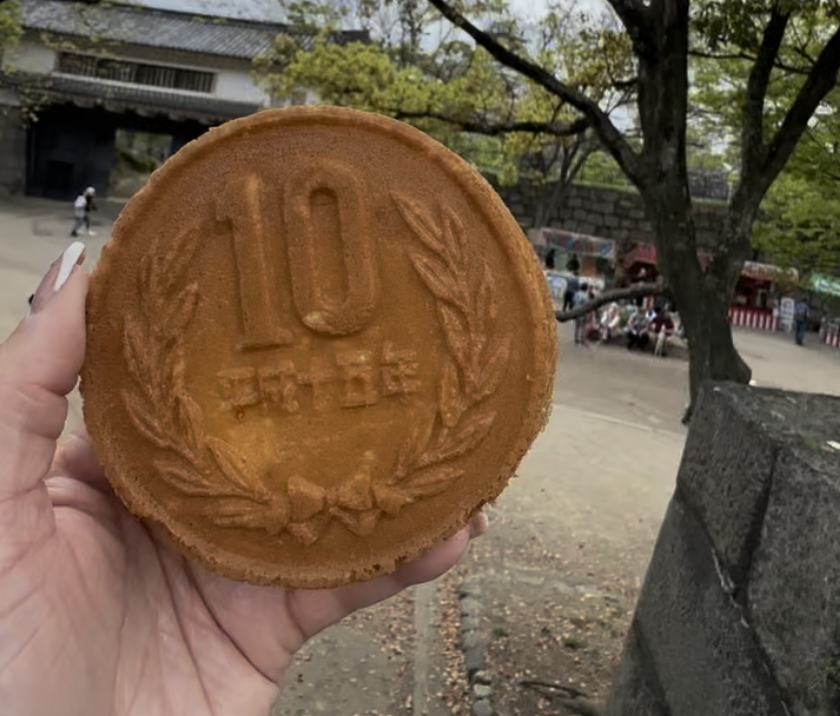
The 10 yen coin pancake, or jyuu en pan, is a giant waffle pressed into the shape of a 10 yen coin, crispy on the outside and filled with melted mozzarella inside. It costs 500 yen, which is part of the joke. The cheese pull is genuinely satisfying. Find it at Osaka Castle park or throughout Dotonbori and try it once.
Melonpan for dessert, a sweet bread with a crispy cookie crust that bears no actual resemblance to melon but is one of the most satisfying street food snacks in Japan.
Getting to Osaka from Nara
From Nara Station take the Yamatoji Rapid Service train directly to Osaka. The journey takes about one hour and runs frequently throughout the day. This is the most efficient way to combine Nara and Osaka in a single day trip from Kyoto, arriving in Osaka by early afternoon with several hours for the castle and Dotonbori before heading back.
To return to Kyoto from Osaka, take the Shinkansen or the regular JR line from Osaka Station. The journey takes about 15 minutes by shinkansen or about 75 minutes by regular train.
Osaka is a city half-day trip. Pack the same way you would for any city day, comfortable shoes, a small bag, and cash for street food. Dotonbori in particular is heavily cash based at the street food stalls.
One practical note: if you are coming from Nara and continuing back to Kyoto, you are carrying everything you brought for the day. Keep your bag light enough that walking and eating for several hours is not a burden.
What to Pack for Your Half-Day Trip to Osaka
We Arrived Tired. Osaka Had Other Plans.
We arrived in Osaka tired. We had already been in Japan for a week, done a full morning in Nara, and the idea of another landmark felt like more than we had energy for.
Osaka fixed that.
There is something about a city whose entire identity is built around food that makes you forget you are exhausted. You are not sightseeing. You are just eating. And eating is something you can always do.
We walked into Dotonbori at night and the lights hit and the smell of takoyaki was everywhere and suddenly the tiredness was irrelevant. We tried everything the food guides said to try. We stood in line at Rikuro's for the cheesecake. We ate until we genuinely could not eat anymore.
Kuidaore. Eat until you drop. We understood it completely by the time we left.
Your Half-Day Itinerary for Osaka
Osaka on a half day is a food mission with some sightseeing attached. Here is how to do it.
Early Afternoon: Osaka Castle
Arrive from Nara by early afternoon and head to Osaka Castle first while you still have daylight and energy for a landmark. The surrounding park is worth a slow walk. The castle itself is worth seeing from the outside. Go inside if you have time and interest but do not let it eat into your Dotonbori hours.
Mid Afternoon: Shinsaibashi
From Osaka Castle head to Shinsaibashi Shopping Street. Walk the length of it. Stop at Rikuro's for the cheesecake. Browse the shops if that is your thing or move straight through toward Dotonbori.
Late Afternoon into Evening: Dotonbori
This is where the day earns itself. Walk into Dotonbori and start eating. There is no wrong order and no specific restaurant you must find. Follow the lines, follow the smell, and try as much as you can manage.
Takoyaki first. Okonomiyaki if you have room. Kushikatsu if you have more room. Melonpan at the end because it is sweet and light enough to finish on.
Walk the canal. Look at the lights. Take the photo at the Glico Man sign because you are supposed to and because the sign is genuinely impressive at night.
When you are full and your feet hurt, head back to Osaka Station for the train to Kyoto.
Getting Back
From Osaka Station the regular JR line to Kyoto takes about 75 minutes and runs frequently. The shinkansen is faster but barely worth the extra cost for such a short distance. Either works.